

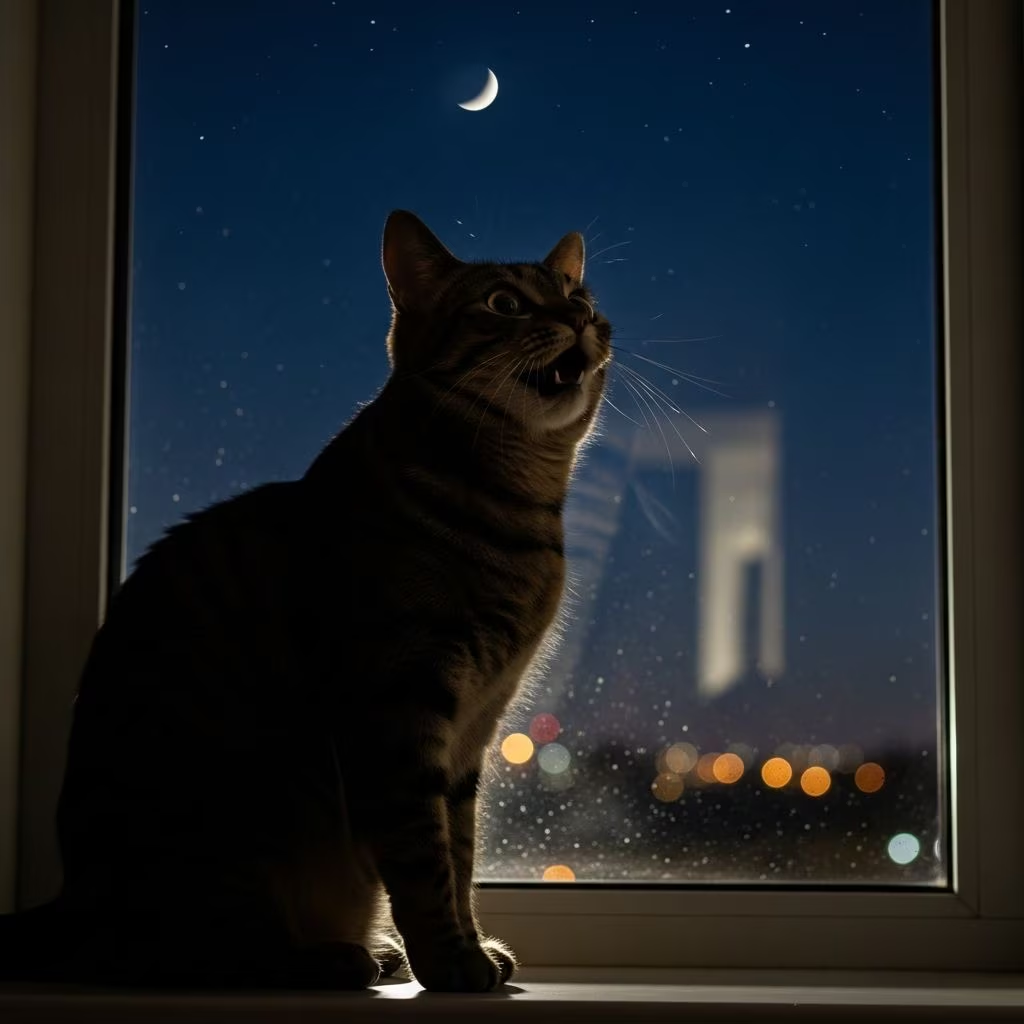
Why Does My Cat Meow at Night? Understanding Feline Nocturnal Behavior
If you’ve ever been awakened by the sound of your cat meowing persistently in the middle of the night, you’re not alone. Nighttime vocalization is one of the most common complaints cat owners face. While a soft meow occasionally is normal feline communication, excessive or loud meowing at night can disrupt your sleep and indicate an underlying issue that requires attention. Understanding the root causes of nighttime meowing is the first step toward creating a more peaceful sleep environment for both you and your cat.
Understanding Your Cat’s Natural Nocturnal Instincts
Cats are crepuscular animals, meaning they are naturally more active during dawn and dusk hours rather than being strictly nocturnal. However, indoor cats often shift their activity patterns based on their owners’ schedules and available stimulation. When your cat meows at night, they may simply be responding to their instinctive drive to hunt and explore during these traditionally active hours. This natural behavior is heightened when cats lack adequate daytime enrichment and stimulation, causing them to become fully energized and ready for action just as you’re settling into bed.
Common Reasons Your Cat Meows at Night
1. Hunger and Thirst
One of the most straightforward and solvable reasons for nighttime meowing is hunger or thirst. Many cats prefer to eat small meals throughout the day rather than consuming their entire daily portion at once. If your cat’s last meal was too early in the evening, they may wake up with hunger pangs during the pre-dawn hours and vocalize to alert you that their food bowl is empty. Similarly, cats require constant access to fresh water. A bowl that has been sitting out all day or that contains stale water may prompt your cat to demand fresh hydration through insistent meowing. To address this issue, consider feeding your cat a light meal closer to your bedtime or implementing an automatic feeder that dispenses small portions throughout the night. Additionally, ensure multiple water bowls are available around your home with fresh, clean water.
2. Boredom and Lack of Stimulation
Indoor cats that don’t receive adequate mental and physical stimulation during the day often become restless and hyperactive at night, a phenomenon commonly referred to as “zoomies.” If your cat lounge and naps throughout the day while you’re away from home, they may have an abundance of pent-up energy by evening. Boredom is a significant trigger for excessive nighttime vocalization, as your cat seeks attention, play, and entertainment when you’re trying to sleep. This is especially true for indoor cats without access to outdoor enrichment. Combat this issue by establishing a consistent daytime play schedule with interactive toys, puzzle feeders, cat trees for climbing and scratching, and window perches for bird watching. A vigorous play session an hour or two before bedtime can help tire out your cat and promote better nighttime sleep.
3. Stress and Anxiety
Cats are creatures of routine and familiarity, and significant environmental changes can trigger anxiety and stress-related behaviors, including nighttime meowing. If you’ve recently moved, introduced a new pet or family member, changed your work schedule, or made other major life adjustments, your cat may be struggling to adapt. New cats in particular often meow persistently at night as they adjust to unfamiliar sights, sounds, and smells in their new environment. Even younger cats that are new to a household may exhibit stress-related vocalization. To help your cat adjust, provide a calm, familiar retreat space where they can feel safe and secure. Elevated perches such as cat trees or wall shelves offer cats a sense of security and control. Give your cat time to acclimate to changes gradually, and maintain consistent daily routines as much as possible.
4. Seeking Attention
Some cats have learned that meowing at night is an effective way to get their owner’s attention. Once a cat realizes that their nighttime vocalizations prompt you to wake up, pet them, or provide interaction, they may continue the behavior as a learned communication strategy. Even negative attention—such as telling them to be quiet—can reinforce the behavior if the cat perceives it as engagement. The key to addressing attention-seeking meowing is consistent “active ignoring.” Avoid responding to nighttime meowing, even to scold your cat, as this only reinforces the behavior. Instead, provide abundant attention, affection, and playtime during daytime hours so your cat’s emotional needs are met when you’re awake.
5. Medical Conditions and Pain
Persistent nighttime meowing can signal underlying medical issues that require veterinary attention. Several health conditions commonly cause cats to vocalize excessively at night, including hyperthyroidism, high blood pressure (hypertension), kidney disease, arthritis, dental disease, and cognitive dysfunction syndrome (CDS). Hyperthyroidism, an overactive thyroid gland, can cause cats to become hyperactive and meow excessively, often accompanied by weight loss despite increased appetite. High blood pressure in senior cats can cause distress and sudden, intense yowling episodes. Kidney disease and other painful conditions such as arthritis or dental problems may cause cats to cry out, particularly at night when they’re trying to rest. Cognitive dysfunction syndrome, a form of feline dementia that affects aging cats, can cause confusion, disorientation, and nighttime vocalization as the cat’s cognitive function and night vision deteriorate.
6. Mating Behavior
Unspayed female cats in heat produce characteristic yowling sounds to signal reproductive readiness to potential mates. Intact male cats may also vocalize in response to the presence of a female in heat. This type of vocalization is typically deeper and more intense than regular meowing. Spaying or neutering your cat will eliminate this cause of nighttime meowing and provides numerous other health and behavioral benefits.
Distinguishing Between Normal and Concerning Vocalizations
| Sound / Behavior | Possible Meaning | Recommended Action |
|---|---|---|
| Repetitive, high-pitched meowing | Seeking attention, food, or play | Use active ignoring; establish consistent daytime play routine |
| Loud, prolonged yowling | Distress, mating behavior, or cognitive dysfunction | Schedule veterinary evaluation; check for pain or medical issues |
| Persistent whining | Anxiety or territorial stress | Provide safe sleeping space; reduce environmental stressors |
| Low guttural cry or howling | Physical pain, illness, or severe distress | Seek immediate veterinary attention; may indicate medical emergency |
Practical Solutions to Reduce Nighttime Meowing
Rule Out Medical Issues First
Before implementing behavioral modifications, schedule a thorough veterinary examination to rule out underlying medical conditions. Your veterinarian can perform a physical exam, blood work, and urinalysis to check for hyperthyroidism, kidney disease, arthritis, dental problems, and other painful conditions. If a medical issue is identified, appropriate treatment—such as medication for pain, anxiety, thyroid dysfunction, or cognitive dysfunction—may be necessary. Cats experiencing pain or discomfort require medical intervention rather than behavioral training.
Optimize Daytime Activity and Play
Establish a consistent schedule of interactive play sessions throughout the day, with particular emphasis on vigorous play one to two hours before bedtime. Use toys that simulate hunting behavior, such as feather wands or laser pointers, to engage your cat’s natural predatory instincts. Interactive play not only provides physical exercise but also offers mental stimulation that combats boredom. For indoor cats, consider environmental enrichment through cat trees for climbing and observation, window perches for bird watching, puzzle feeders that require problem-solving, and regular rotation of toys to maintain novelty.
Implement Active Ignoring
If your cat’s meowing is behavioral rather than medically motivated, the most effective approach is consistent active ignoring combined with positive reinforcement of desired behaviors. Never respond to nighttime meowing, even negatively, as any attention reinforces the behavior. This approach requires patience and consistency from all household members. Your cat may initially increase their vocalization (an extinction burst) before the behavior diminishes, but remaining consistent is crucial. Reward quiet nighttime behavior and daytime affection-seeking with attention and treats.
Adjust Feeding Schedules
Feed your cat a portion of their daily food intake later in the evening, just before your bedtime. A satisfied cat is more likely to sleep through the night. Consider using automatic feeders that dispense small portions at scheduled times throughout the night, particularly if your cat wakes in the early morning hours hungry. Ensure fresh water is constantly available; consider placing multiple water bowls throughout the home and even a cat water fountain, which some cats prefer.
Create a Comfortable Sleep Environment
Provide your cat with a comfortable, safe sleeping space that encourages rest. This might include a cozy bed in a quiet location, elevated perches where cats feel secure, or even a separate bedroom if your cat’s meowing is severely disrupting your sleep. Remove environmental disturbances such as excessive light, sudden temperature changes, or unusual noises. For senior cats with cognitive dysfunction, nightlights placed around the home can provide reassurance and reduce disorientation-related vocalization.
When to Seek Veterinary Care
Contact your veterinarian promptly if your cat’s nighttime meowing is accompanied by any of the following symptoms:
- Significant weight loss or gain
- Changes in appetite or water consumption
- Lethargy or unusual behavior changes
- Difficulty using the litter box or changes in elimination patterns
- Visible signs of pain, limping, or reluctance to move
- Vomiting or diarrhea
- Sudden, intense yowling that represents a change from your cat’s normal behavior
Frequently Asked Questions
Q: Is it normal for cats to meow at night?
A: Occasional meowing at night is relatively normal, particularly in younger, more active cats or those lacking daytime stimulation. However, persistent, excessive, or unusually loud nighttime vocalization often indicates an underlying behavioral or medical issue that warrants investigation. Most cases are manageable through environmental modifications, behavioral training, or medical treatment.
Q: How can I tell if my cat’s meowing is a medical problem or behavioral issue?
A: Medical causes often involve changes in the cat’s normal vocalization pattern, accompanied by other symptoms such as weight changes, appetite changes, litter box changes, or visible signs of pain or discomfort. Behavioral meowing typically occurs in cats with inadequate daytime stimulation or attention-seeking patterns. A veterinary examination is essential to rule out medical causes before assuming the issue is purely behavioral.
Q: Can I give my cat medication to stop nighttime meowing?
A: Medication should only be prescribed by a veterinarian after identifying the underlying cause of meowing. If the meowing is related to pain, anxiety, thyroid dysfunction, or cognitive dysfunction, appropriate medication may help. However, medication is not a substitute for addressing behavioral causes such as boredom or attention-seeking, which require environmental and behavioral modifications.
Q: How long does it take to reduce nighttime meowing with behavioral modifications?
A: The timeline varies depending on how long the behavior has been established and how consistently behavioral strategies are implemented. Most cats show noticeable improvement within two to four weeks of consistent intervention, though some may take longer. Patience and consistency from all household members are critical to success.
Q: Should I ignore my cat if they meow at night due to hunger?
A: No. If your cat is genuinely hungry, ignoring them is inappropriate. Instead, adjust feeding schedules by providing an evening meal closer to your bedtime or implementing an automatic feeder. Always ensure fresh water is available. Once your cat’s nutritional needs are met on a regular schedule, any additional meowing can then be addressed through active ignoring.
Conclusion: Creating a Peaceful Nighttime Environment
Nighttime meowing, while frustrating, is almost always solvable through a combination of veterinary evaluation, environmental enrichment, behavioral training, and schedule adjustments. By understanding the underlying causes—whether rooted in your cat’s natural activity patterns, unmet physical and mental needs, stress, medical conditions, or learned behavior—you can implement targeted solutions that benefit both you and your feline companion. Start by scheduling a veterinary checkup to rule out medical issues, then assess your cat’s daytime enrichment and activity levels. With patience, consistency, and appropriate modifications, most cats can learn to enjoy peaceful nights alongside their owners.
References
- Meowing and Yowling — American Society for the Prevention of Cruelty to Animals (ASPCA). https://www.aspca.org/pet-care/cat-care/common-cat-behavior-issues/meowing-and-yowling
- Why Your Cat Meowing at Night & How to Prevent It — Purina UK. https://www.purina.co.uk/articles/cats/behaviour/training/cat-meowing-at-night
- 10 Reasons Your Cat Cries Or Meows At Night (and What To Do About It) — Atlantic Veterinary Hospital Seattle. https://atlanticvetseattle.com/10-reasons-your-cat-cries-or-meows-at-night/
- Cat Meowing at Night? 6 Tips to Stop the Noise — Lady N Pet. https://ladynpet.com/us/blog/cat-meowing-at-night/
- Why Your Cat Meows at Night (and How to Help) — Petrebels. https://www.petrebels.com/en/blog-cat-behavior-why-cats-meow-at-night/



