

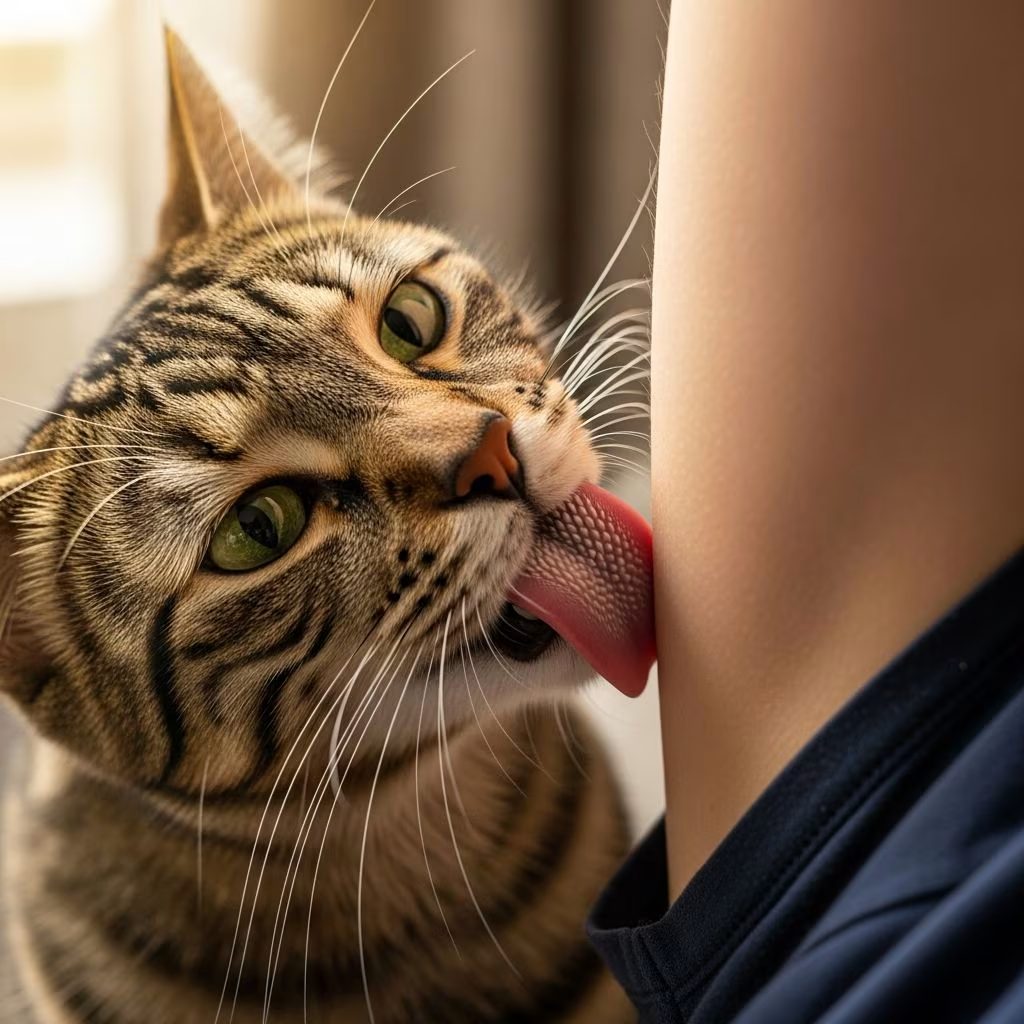
Why Does My Cat Lick My Armpits? Understanding Your Feline Friend
If you’ve noticed your cat enthusiastically licking or nuzzling into your armpits, you’re not alone. This peculiar behavior puzzles many cat owners, but there’s fascinating science behind it. Rather than being random or concerning, armpit licking is a natural feline behavior rooted in your cat’s sensory perception, social instincts, and bonding mechanisms. Understanding why your cat engages in this behavior can deepen your relationship with your furry companion and help you distinguish between normal affection and potential health concerns.
The Sensory Science: How Cats Perceive Your Armpits
Your armpits are a sensory powerhouse for cats. The human armpit produces a complex array of scents that cats find irresistible and informative. When your cat licks your armpits, they’re not simply tasting; they’re gathering crucial information about your health, emotional state, and overall well-being.
Cats possess a specialized sensory organ called the vomeronasal organ, also known as Jacobson’s organ, located in the roof of their mouth. This remarkable feature allows cats to detect and analyze pheromones and chemical compounds in ways humans cannot. After sniffing or licking scent-rich areas like your underarms, your cat may display the distinctive ‘flehmen response’—a characteristic curled-lip expression that helps transfer scent particles to this specialized organ for deeper analysis. This is a common and natural reaction when cats encounter strong or unfamiliar odors, particularly those associated with their human companions.
The sweat produced in your armpits contains substantial concentrations of pheromones and other chemical markers. Apocrine glands in the armpits produce sweat rich in proteins and lipids, which break down into distinct odors when mixed with skin bacteria. This chemical profile creates what scientists call a ‘scent signature’—a unique olfactory fingerprint that identifies you to your cat. Your feline friend uses this information to understand your emotional state, health status, and even detect changes in your body chemistry that might indicate illness or hormonal shifts.
Four Primary Reasons Your Cat Licks Your Armpits
1. Nutritional Curiosity
Surprisingly, your armpit sweat has nutritional value for cats. Since cats are obligate carnivores requiring substantial animal protein in their diet, their olfactory systems are exceptionally attuned to detecting protein and fat concentrations. Armpit sweat contains higher than average concentrations of both proteins and fats, making it genuinely appealing from a nutritional standpoint. Your cat’s nose is fine-tuned to sniff out traces of animal proteins, and your armpit sweat registers clearly on their sensory radar. This explains why some cats seem almost obsessed with armpits—they’re literally attracted to the nutritional composition of your perspiration.
2. Scent and Closeness
Your unique scent is extraordinarily strong in your armpits—which is precisely why humans invented deodorant. Cats adore the scents of people they love, and your armpit represents the most concentrated source of your personal odor. When your cat stuffs their face into your armpit, they’re not being random; they’re seeking closeness to you through scent. This behavior is similar to how humans seek the comfort of a loved one’s perfume or cologne. For cats, intimate scent exposure is a form of connection and reassurance. The warmth and moisture of the armpit area also attract curious cats who enjoy exploring different textures and microclimates on the human body.
3. Social Grooming and Bonding
Grooming is a fundamental expression of affection and social bonding in feline communities. From kittenhood, grooming is used to strengthen relationships within a litter or colony. Mother cats lick their kittens to clean them and stimulate essential bodily functions. Adult cats engage in allogrooming—mutual grooming with other cats—as a primary way to reinforce trust, establish social hierarchy, and express care within their group.
When your cat licks your armpits, they may be treating you as an integral member of their social group. This behavior directly mimics how cats groom each other, particularly around hard-to-reach areas like the head and neck. Since humans obviously cannot return the favor by grooming cats in the same manner, your cat focuses on accessible, scent-heavy zones they can easily reach—like your arms and underarms. In essence, your cat views you as family and is expressing care, inclusion, and affection through grooming behavior. This is a profound sign that your cat considers you part of their social structure and values your relationship.
4. Comfort and Early Weaning
Young kittens removed from their mothers too early sometimes seek comfort by tucking their head into a human’s armpit. This behavior mimics suckling from their mother and provides emotional reassurance. The warmth, darkness, and enclosed feeling of an armpit resembles the comfort and security a kitten experiences while nursing. If you’ve adopted a kitten that was separated from its mother prematurely, armpit seeking and gentle licking may indicate your kitten is seeking the maternal comfort it missed during critical developmental stages. This behavior typically diminishes as the kitten matures and forms secure attachments, though some cats retain this comforting habit throughout their lives.
Why Your Armpits Are Particularly Attractive to Cats
Several factors combine to make your armpits an irresistible hotspot for feline investigation:
- High concentration of scent glands: Apocrine glands in the armpits produce abundant sweat rich in proteins and lipids, which break down into distinct odors when mixed with skin bacteria, creating an information-rich chemical environment.
- Warmth and moisture: The warm, slightly damp environment of the armpit attracts curious cats who enjoy exploring different textures and thermal zones on the human body.
- Accessibility: When you’re sitting or lying down, your arms are often positioned near your cat, making armpits easy and convenient targets for investigation and interaction.
- Familiarity: If you frequently wear deodorant, antiperspirant, or perfume, your cat becomes accustomed to your unique scent profile and may actively seek it out for reassurance and bonding.
- Pheromone concentration: Human pheromones are released in abundance from apocrine glands, and cats are exquisitely sensitive to these chemical signals that convey emotional and health information.
This combination makes your armpits a genuine sensory hotspot for your cat, offering both comfort through scent and stimulation through the unique chemical composition of your perspiration.
Territorial Marking and Scent Claiming
Beyond bonding and curiosity, licking serves an important territorial function. Cats possess scent glands distributed across their paws, cheeks, forehead, and lips. When they lick you, they deposit their saliva—which carries their unique individual odor—onto your skin. This behavior marks you as part of their territory and signals to other animals (feline or otherwise) that you belong to them.
Armpit licking, therefore, can be understood as a subtle but effective way for your cat to claim ownership. While this might sound possessive, it’s actually a sign of deep attachment and commitment. Your cat wants to ensure that you carry their scent, creating a shared identity between you. This territorial marking is a compliment—your cat is declaring you as part of their valued inner circle and protecting your relationship status within their perceived social structure.
When Armpit Licking Indicates Health Changes
While armpit licking is typically benign and affectionate, sudden or obsessive behavior warrants attention. If your cat abruptly begins obsessively licking your armpits or other areas, it could indicate they’ve detected a genuine change in your body chemistry. For example:
- A spike in blood sugar may noticeably alter the smell of your sweat
- Hormonal fluctuations during menstruation, pregnancy, or periods of significant stress can produce detectable odors
- Skin infections or fungal growth in moist areas may emit scents that intrigue or concern your cat
- Illness or metabolic changes can produce subtle olfactory shifts your cat detects before symptoms appear
While this doesn’t mean your cat is diagnosing illness with medical accuracy, the heightened sensitivity of feline olfaction means persistent or unusual licking behavior should prompt self-reflection. If you notice sudden changes in your cat’s licking patterns, consider whether you’ve recently experienced hormonal changes, stress increases, or health concerns. A self-check and possibly a consultation with a healthcare provider is advisable, particularly if the behavior coincides with other symptoms or health concerns.
Safety Considerations for Your Cat
For the most part, armpit licking poses no health risk to your cat. The cat digestive system is remarkably robust and can handle many unusual inputs that would concern humans. Armpit sweat and other human bodily fluids are perfectly safe and even nutritionally sound for cats in normal quantities.
However, if you use antiperspirants or deodorants with artificial fragrances, alcohol, or aluminum compounds, these chemicals may potentially be unpleasant or mildly toxic if ingested in substantial amounts. While incidental contact through occasional licking is unlikely to cause harm, minimizing chemical exposure is prudent for your cat’s health. Consider using natural deodorants or limiting heavy fragrance products if your cat is particularly attracted to your armpits.
Warning Signs: When Licking Becomes Problematic
While licking your armpits is typically benign, watch for warning signs that suggest an underlying issue with your cat:
- Your cat refuses to stop, even when distracted or redirected
- They begin licking themselves excessively, leading to hair loss or visible skin sores
- The behavior starts suddenly without prior history of this habit
- Your cat appears anxious, restless, or agitated during or after licking episodes
- The behavior intensifies or becomes compulsive over time
- Your cat neglects other normal activities to focus on licking
These patterns could indicate underlying medical conditions such as hyperthyroidism, cognitive dysfunction, skin infections, parasites, or psychological stress. A thorough veterinary examination can help determine if treatment or behavioral modification is needed.
How to Manage Armpit Licking Behavior
If armpit licking bothers you, it is possible to train your cat to reduce or stop the behavior. However, training requires patience and understanding of feline learning mechanisms. Cats don’t generally learn from punishment—yelling, swatting, or spraying water often backfires by creating anxiety or resentment. Instead, cats learn effectively through understanding that behaviors won’t achieve desired outcomes.
If you consistently and calmly prevent your cat from licking your armpits by moving away, redirecting attention, or gently blocking access, your cat will eventually recognize that the behavior isn’t worth attempting. They’ll learn through futility rather than punishment. This approach may take weeks or months, but it respects your cat’s nature while establishing clear boundaries. You might also consider wearing clothing that covers your armpits when you anticipate your cat’s licking attempts, or applying temporary barriers that taste unpleasant (but are safe) to discourage the behavior.
Frequently Asked Questions About Cat Armpit Licking
Q: Is it normal for cats to lick human armpits?
A: Yes, armpit licking is a completely normal feline behavior rooted in scent detection, bonding, and curiosity. Many cat owners report this behavior in their cats, and it indicates your cat finds your scent appealing and feels bonded to you.
Q: Does armpit licking mean my cat loves me?
A: Armpit licking is often a sign of affection and social bonding. When your cat grooms you, particularly in scent-rich areas, they’re treating you as a family member worth caring for, which is a genuine expression of feline love and attachment.
Q: Why does my cat only lick one armpit?
A: Cats may show preferences for one armpit over another based on slight differences in scent, body temperature, or accessibility. Some cats also develop habitual preferences through repeated positive experiences with one particular location.
Q: Could excessive armpit licking indicate illness in my cat?
A: Obsessive or sudden-onset licking could indicate stress, anxiety, skin conditions, or other medical issues. If your cat’s licking becomes compulsive, consult a veterinarian to rule out underlying health concerns.
Q: Is it safe to let my cat lick my armpits?
A: In general, it’s safe. However, if you use products with artificial chemicals, aluminum, or alcohol, consider using more natural alternatives to minimize your cat’s chemical exposure.
Q: How can I stop my cat from licking my armpits?
A: Consistently redirect your cat’s attention, move away when they attempt to lick, or wear protective clothing. Avoid punishment, and instead let your cat learn through futility that the behavior isn’t rewarded with access.
Q: What does the flehmen response mean?
A: The flehmen response is a curled-lip expression cats make after detecting strong scents. It’s a normal behavior that helps transfer scent particles to the vomeronasal organ for deeper analysis, not a sign of distress.
References
- Why Does My Cat Lick My Armpits? Explained — Alibaba Cat Lovers. 2025. https://catlovers.alibaba.com/question/why-does-my-cat-lick-my-armpits
- Why Does My Cat Lick My Armpit? 4 Possible Reasons — Hepper. 2025. https://articles.hepper.com/why-does-cat-lick-my-armpit/
- When cats lick: what does it mean? — Almo Nature Blog. 2024. https://blog.almonature.com/en-gb/cats-lick-mean



