

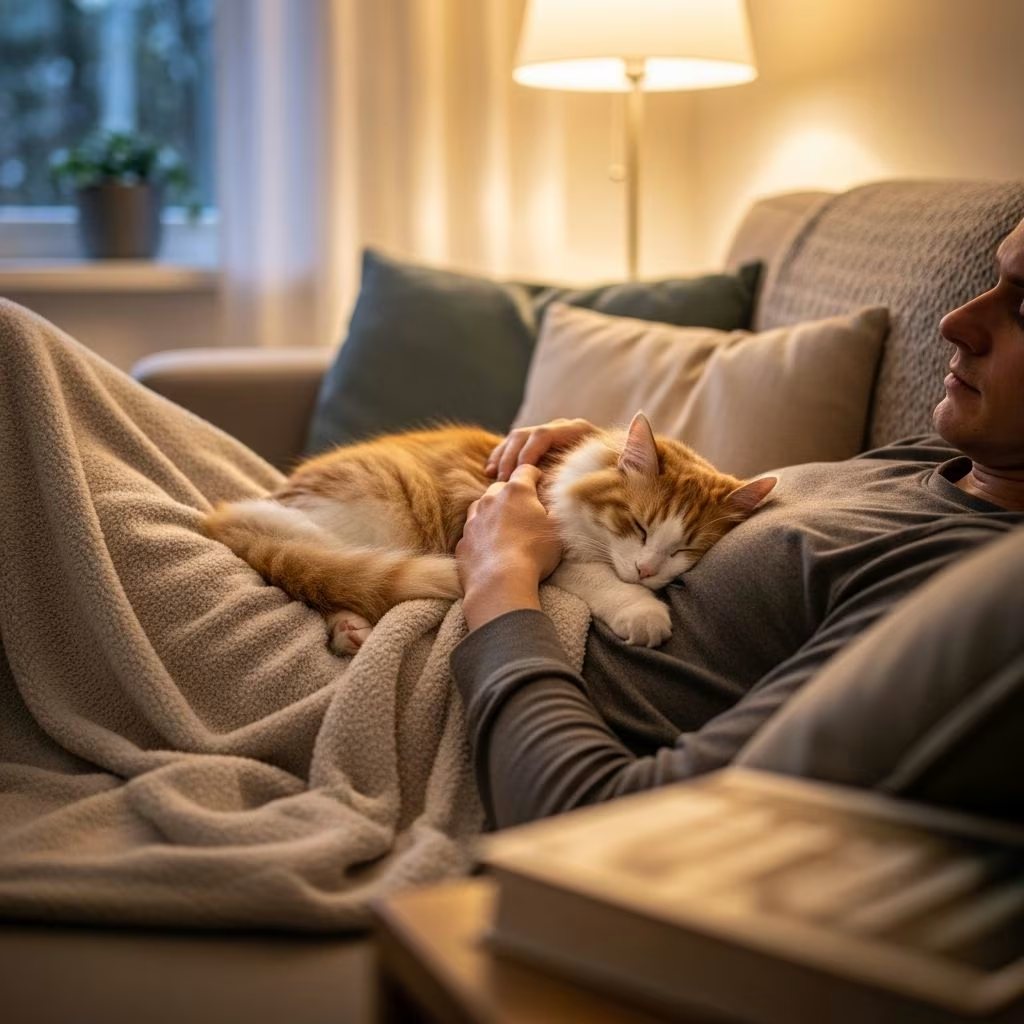
Why Is My Cat Laying On Me All of a Sudden?
If your cat has suddenly started laying on you more frequently, you may be wondering what prompted this change in behavior. Cats are complex creatures with distinct personalities, and their tendency to lay on their owners can stem from various reasons—some heartwarming, some practical, and occasionally, some concerning. Understanding the motivations behind your cat’s newfound closeness can help you strengthen your bond while ensuring your feline companion’s wellbeing.
1. Trust and Security
One of the most significant reasons your cat may be suddenly laying on you is that they have developed a strong sense of trust. Trust is foundational to feline bonding, and when a cat chooses to rest on you—especially in vulnerable positions like your chest—it signals complete safety. This is particularly meaningful if your cat was recently adopted or has experienced trauma, as it can take considerable time for cats to settle and associate their owner with a secure environment.
Cats are naturally cautious animals, and they only sleep on people they feel genuinely safe around. Building this trust requires consistent care, gentle interactions, and mutual respect. If you’ve recently earned your cat’s trust through positive associations with meals, treats, and play, this behavior is a direct reflection of that effort.
2. Affection and Emotional Bonding
Some cats are naturally more cuddly than others, and your cat may simply be expressing affection through physical closeness. Cats show love differently than dogs, but their choice to lay on you is undeniably a sign of emotional attachment. Research has found that cats who engage in frequent physical closeness with their owners display higher levels of relaxed body posture and lower stress markers during interactions, indicating genuine emotional trust.
Additionally, cats appear to sense human emotions through auditory and visual cues. They are more likely to be extra affectionate when they perceive you as relaxed and calm rather than stressed or anxious. When your cat chooses to show affection this way, it’s best to reciprocate gently without doing things that might annoy or frustrate them.
3. Seeking Warmth
Cats have a naturally higher body temperature than humans—averaging about 102°F—and they constantly seek warm, cozy spots. Your body acts as an ideal heat source, particularly during cooler months or in cool environments. Warmth-seeking is one of the most practical reasons cats lay on their owners, and it’s especially common during seasonal temperature changes.
Research shows that cats spend up to 60% of their day sleeping and instinctively choose the warmest, most comfortable locations available. If you notice your cat being extra clingy during winter or in cold rooms, they’re likely seeking both comfort and emotional connection simultaneously. You might consider providing additional warm spaces like heated beds or increasing your home’s temperature if this behavior is frequent.
4. Territorial Marking and Ownership
Cats have multiple scent glands distributed across their bodies, which they use to mark territory and establish ownership. When your cat lays on you and rubs against your body, they are leaving their scent and pheromones behind. This behavior is how cats claim you as part of their territory. Your cat wants you to smell like you belong to them, and this form of territorial behavior isn’t possessive in a negative way—it’s actually a sign of affection and inclusion.
By scent marking you, your cat is essentially telling other animals: “This human is mine.” This deepens the bond between you and your pet while providing them with reassurance of ownership and familial connection.
5. Vulnerability and the Chest Position
When cats choose to sleep on your chest specifically, it carries special significance. The chest position offers unique benefits: it provides physical closeness and emotional connection through both physical touch and the rhythmic motion of your breathing. A cat sleeping on your chest is showing ultimate vulnerability and trust. The rhythmic sound of your heartbeat and breathing provides comfort similar to that of a mother cat’s purring, deepening the emotional connection and reinforcing the bond through shared warmth and security.
6. Response to Routine Changes
Cats thrive on consistency and can become distressed when their environment or routine changes. If your cat has suddenly become clingy, it may be a coping mechanism to re-establish stability and reassurance. Common triggers for increased laying-on-you behavior include:
- Returning from a trip or long absence
- Introducing new animals or people to the household
- Changes in your work schedule (working from home or being out longer)
- Moving furniture or changing your cat’s sleeping area
- Shifting litter box placement or other environmental modifications
Understanding these triggers helps you provide appropriate reassurance. Offering gentle comfort, maintaining consistent feeding times, and engaging in calm interactions can help your cat feel secure again.
7. Anxiety and Stress
Just as humans experience stress, cats can develop anxiety and insecurity, which often manifests as increased clinginess. This behavior is especially common when significant household changes occur, such as the arrival of a new baby, pet, or major lifestyle disruptions. An anxious cat may seek you out for cuddling as a way to reassure themselves that they are safe, particularly if they share a strong bond with you.
Short-term anxiety might result from loud noises or home renovation work, while long-term issues could stem from multicat household dynamics or a high-stress home environment. If your cat is unaccustomed to your absence and doesn’t cope well with routine changes, sudden or prolonged time away may trigger stress-related clingy behavior.
8. Attention-Seeking Behavior
Sometimes cats lay on their owners simply to get attention. If your cat has learned that laying on you results in petting, talking, or other forms of interaction, they may repeat this behavior to engage with you. This is a normal, healthy form of communication and indicates that your cat values your presence and attention.
9. Habit Formation
Cats are creatures of habit, and once they establish a comfortable routine, they tend to stick with it. If your cat has discovered that laying on you is comfortable and safe, they may repeat this behavior simply out of habit. Habit-based laying is typically a sign of a well-adjusted cat that has learned to associate you with comfort and security.
10. Health Concerns
While many reasons for sudden clinginess are positive or environmental, it’s important to consider potential health issues. Changes in behavior can sometimes indicate underlying medical problems. If your cat’s sudden clinginess is accompanied by other symptoms such as loss of appetite, lethargy, or changes in bathroom habits, consult a veterinarian to rule out health concerns.
11. Seasonal Changes
Beyond the obvious warmth factor, seasonal changes can affect your cat’s behavior. During colder months, cats may seek closer proximity to their owners for both temperature regulation and psychological comfort. Additionally, changes in daylight hours can influence feline behavior and mood.
12. Bonding and Social Proximity
In multi-cat households or households with multiple family members, cats may choose specific individuals for laying and sleeping. This indicates they feel the safest and most comfortable with that particular person. Choosing to sleep near or on you is a direct compliment, suggesting your cat considers you their primary source of safety and comfort.
Understanding the Cat-Owner Bond
The relationship between a cat and their owner is built gradually through trust and positive associations. When your cat suddenly begins laying on you, it often represents a milestone in your relationship. Physical closeness is how cats reinforce trust and strengthen emotional connections. Rather than viewing clingy behavior as problematic, consider it an opportunity to deepen your relationship with your feline companion.
What You Should Not Do
When your cat chooses to lay on you, avoid behaviors that might discourage this positive interaction:
- Don’t push your cat away or make them feel unwanted
- Avoid sudden movements that startle them
- Don’t engage in rough play during these intimate moments
- Refrain from forcing interaction if they seem uncomfortable
- Don’t assume clinginess is always a behavior problem requiring correction
Creating an Environment That Supports Closeness
If you enjoy your cat’s newfound affection and want to encourage it, consider these strategies:
- Maintain consistent daily routines to provide security
- Offer treats and meals at regular times
- Engage in interactive play sessions
- Create warm, comfortable spaces for your cat
- Respect your cat’s boundaries and let them initiate contact
- Provide environmental enrichment to reduce stress
Frequently Asked Questions (FAQs)
Q: Is it normal for my cat to suddenly start laying on me more?
A: Yes, sudden changes in cat behavior are often normal and typically indicate trust, affection, or a response to environmental changes. However, if accompanied by other behavioral changes or health symptoms, consult your veterinarian.
Q: Does my cat laying on me mean they love me?
A: Absolutely. When cats choose to rest on you, they are displaying trust and affection. This behavior is one of the most profound ways cats show emotional attachment to their owners.
Q: Why does my cat lay on my chest specifically?
A: The chest provides unique comfort through your heartbeat and breathing rhythm, which soothes cats. It also represents maximum vulnerability and trust, as sleeping on your chest means your cat feels completely safe.
Q: Can my cat’s sudden clinginess indicate a health problem?
A: While most cases of sudden clinginess are behavioral, changes in behavior can sometimes indicate health issues. If accompanied by loss of appetite, lethargy, or other symptoms, consult your veterinarian.
Q: How can I encourage my cat to lay on me?
A: Focus on building trust through consistent care, positive associations with treats and meals, and respecting your cat’s boundaries. Let your cat initiate contact rather than forcing interaction.
Q: Is it okay to move my cat when they’re laying on me?
A: Gently repositioning your cat is generally acceptable, but try to minimize disruption. If your cat needs to move, they will, and forcing them away may discourage the behavior in the future.
Q: What if my cat only lays on me and no one else?
A: This indicates your cat feels safest with you and considers you their primary source of security and comfort. It’s a special bond that reflects your cat’s trust in you specifically.
Q: Does my cat laying on me mean they’ve marked me with their scent?
A: Yes. Cats have scent glands throughout their bodies and use laying and rubbing as ways to mark you as part of their territory and family group.
Q: How should I respond when my cat is laying on me?
A: Reciprocate affection gently through petting or soft talking. Avoid doing things that annoy your cat, and respect their boundaries. Let them enjoy the moment without disruption.
Q: Is it a sign my cat is stressed if they suddenly become clingy?
A: Sudden clinginess can indicate stress, particularly after environmental changes. However, it can also indicate positive bonding. Look for other stress indicators like changes in appetite or litter box habits to determine if stress is the cause.
References
- Why Cats Suddenly Choose to Sleep on Their Owners – Vet Today — Vet Today. 2024. https://vettoday.com/why-is-my-cat-sleeping-on-top-of-me-all-of-a-sudden-cats-choose-sleep-owners/
- Why Is My Cat Laying On Me All of a Sudden? 12 Vet-Reviewed Reasons — Catster. 2024. https://www.catster.com/cat-behavior/why-is-cat-laying-on-me-all-of-a-sudden/
- Why Does My Cat Sleep on Me? 7 Reasons and What It Means — Kinship. 2024. https://www.kinship.com/cat-behavior/why-does-my-cat-sleep-on-me
- Why Does Your Cat Sleep With You? 6 Reasons You’ll Love — YouTube. 2024. https://www.youtube.com/watch?v=HIH7m79BbX4
- Why Does My Cat Sleep on My Chest? Feline Bonding Explained — Brinker Veterinary. 2024. https://brinkervet.com/blog/why-does-my-cat-sleep-on-my-chest-feline-bonding-explained/
- Why Does My Cat Sleep on My Head? — PetMD. 2024. https://www.petmd.com/cat/behavior/why-does-my-cat-sleep-on-my-head
- Why Does My Cat Sleep on Me? It’s Adorable… but Why? — HowStuffWorks. 2024. https://animals.howstuffworks.com/pets/why-does-my-cat-sleep-on-me.htm



