

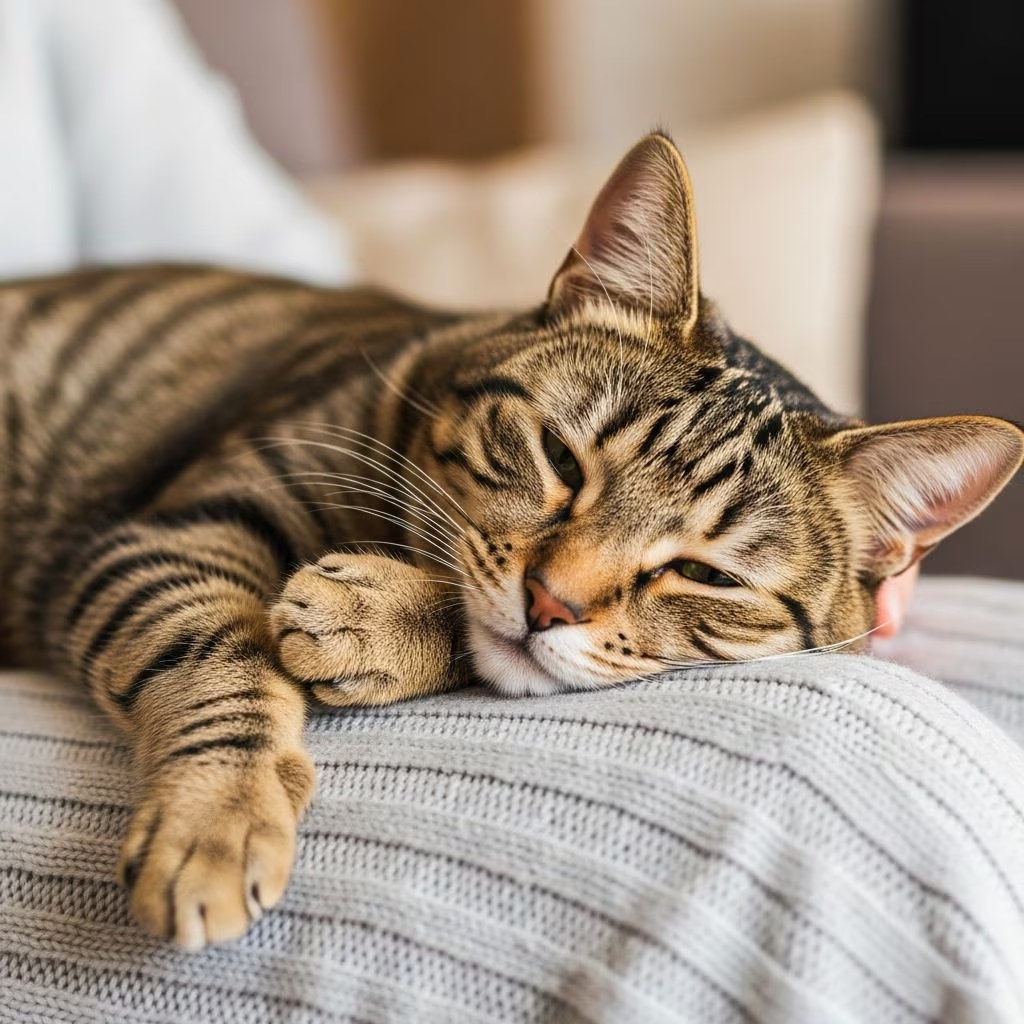
Why Does My Cat Lay On Me? Understanding Your Cat’s Sleeping Behavior
If you’ve ever wondered why your beloved cat chooses to nap directly on top of you rather than anywhere else in your home, you’re not alone. Many cat owners experience this behavior and find themselves curious about what it truly means. When your cat sleeps on you, it’s typically a sign of trust, affection, and a desire for warmth and security. This seemingly simple act of feline companionship actually reveals much about your cat’s emotional state and the bond you’ve developed together. Understanding the reasons behind this behavior can deepen your appreciation for your cat and help you recognize the subtle ways they express their feelings.
The Trust Factor: Why Your Cat Feels Safe With You
One of the most significant reasons your cat chooses to sleep on you is that sleep represents a vulnerable time for cats. In the wild, cats are both predators and prey, making them acutely aware of their surroundings at all times. When a cat sleeps, they naturally lower their guard, making them susceptible to threats. By choosing to sleep on you, your cat is communicating something profound: they trust you completely to keep them safe.
This behavior traces back to your cat’s earliest experiences. Cats are raised in litters, and during their first 12 weeks of life, they sleep by piling onto one another near their mother. This early socialization creates a lifelong habit of associating closeness with safety and comfort. As an adult cat, you’ve essentially become their substitute mother figure—the safe haven where they can truly relax.
When your cat presses against you while sleeping, they’re not just seeking comfort; they’re actively demonstrating that they feel secure enough to let their guard down in your presence. This is a tremendous compliment from an animal known for their independence and aloofness. The fact that your cat chooses vulnerability in your presence speaks volumes about the trust they’ve invested in your relationship.
Body Heat: The Practical Side of Cat Sleeping Preferences
Beyond emotional connections, cats have very practical reasons for sleeping on their owners. A cat’s normal body temperature is approximately 102 degrees Fahrenheit, which is significantly higher than the human body temperature of around 98.6 degrees. This biological difference makes cats naturally drawn to warm environments.
Your body serves as an ideal heat source for your cat. When your cat curls up on you, they’re essentially using you as a living, breathing hot water bottle. This is particularly evident during cooler months when cats tend to seek warmth more actively. You may notice your cat is more inclined to sleep on you during winter or in air-conditioned environments, while they might prefer other cooling spots during warmer seasons.
Researchers have observed that cats spend up to 60% of their day sleeping, and when choosing where to rest, warmth is often a primary consideration. This explains why cats seek out sunny windowsills, cozy radiators, and piles of laundry. Your warm body naturally appeals to your cat’s thermoregulatory needs, making sleeping on you both emotionally satisfying and physically comfortable.
Territorial Marking and Scent Exchange
Cats are territorial creatures, and they mark their territory through scent. When your cat sleeps on you, they’re engaged in a behavior known as scent marking. Your cat’s body contains pheromones—chemical compounds that convey information about ownership, bonding, and familiarity. By rubbing against you and sleeping on you, your cat deposits these scent markers, effectively claiming you as part of their territory.
This territorial behavior might seem possessive, but it’s actually a sign of affection and inclusion rather than aggression or negative possessiveness. When your cat marks you with their scent, they’re essentially telling other animals, “This human belongs to my family group.” Simultaneously, your scent comforts your cat, creating a bidirectional comfort mechanism. Your familiar scent provides security, while your cat’s scent on you reinforces their sense of belonging.
The Bonding Experience: Strengthening Your Relationship
Cats often get an unfair reputation for being aloof and disinterested in their owners, but this couldn’t be further from the truth. Cats are highly affectionate and social animals that want to bond with their owners. Sleeping on you is one of the most direct ways they express this affection.
A behavior known as “pillowing” illustrates this bonding mechanism beautifully. In cat colonies, younger cats often use other cats as pillows—literally sleeping on top of one another for comfort and closeness. If you’re the only cat in your household, your cat has likely adopted you as their preferred pillow. This behavior creates deep emotional connections through physical closeness.
Physical closeness is how cats reinforce trust and strengthen bonds with their owners. The rhythmic sound of your heartbeat and breath provides comfort remarkably similar to a mother cat’s purring. Research has demonstrated that cats who engage in frequent physical closeness with their owners display higher levels of relaxed body posture and lower stress markers during interactions—clear indicators of emotional trust and contentment.
When your cat chooses to sleep on vulnerable areas like your chest or stomach, they’re demonstrating complete confidence in your safety and care. This level of vulnerability is reserved only for those they truly trust.
Instinctual Behavior and Natural Protective Positioning
Understanding cat instinct helps explain sleeping behaviors that might otherwise seem puzzling. From a biological standpoint, cats are predators and prey, and this dual role shapes their behavior even in domestic life. In the wild, cats sleep in secure, elevated, or enclosed spaces to avoid threats.
When your cat sleeps on you, they may be instinctively selecting what they perceive as a “safe zone.” Your elevated position, combined with your protective presence, appeals to your cat’s natural need for security. Additionally, some cats prefer to sleep with their back toward their owners—a behavior that might seem insulting but actually demonstrates remarkable trust.
When a cat positions itself with their back to you while settling down, they’re showing they trust you completely. Since cats are always poised for action, this positioning strategy allows them to watch the environment while you serve as backup protection. Your cat is essentially saying, “I’m confident you have my back.” This back-facing position provides your cat with the best of both worlds: personal security and environmental awareness.
Environmental Factors: How Your Home Influences Sleeping Patterns
Your cat’s decision to sleep on you may also relate to environmental factors in your home. Cats thrive on consistency and can feel insecure when their environment changes. Sudden shifts in their surroundings may trigger clingy sleeping behavior as they seek reassurance and stability.
Common environmental triggers that increase clingy behavior include:
- Returning from a trip or extended absence
- Introducing new animals or people to the household
- Changing your cat’s sleeping area or litter box placement
- Shifting daily routines, such as working from home or being away longer
- Seasonal changes affecting temperature and daylight hours
- Moving to a new home
If you notice your cat suddenly becoming clingy and sleeping on you more frequently, consider whether any recent changes have occurred in your household. Offering gentle reassurance, consistent feeding times, and calm interaction can help your cat feel secure again, often naturally reducing clingy sleeping habits over time.
How Natural Instincts Impact Modern Cat Behavior
Over 60% of cats prefer sleeping near humans or other pets they trust, underscoring how important security is in their rest habits. This widespread preference isn’t coincidental—it reflects deep instinctual drives that have been hardwired into feline behavior over millennia.
Your steady breathing and body warmth mimic the comfort of sleeping alongside other members of a pride in the wild. Even though your cat is domesticated, these ancient instincts remain powerful motivators. Your presence activates the same comfort response that littermates provided during your cat’s most crucial developmental period.
The Connection Between Sleep Positioning and Your Bond
Where and how your cat sleeps on you can provide insights into your relationship. Cats who feel completely safe will sleep in highly vulnerable positions, such as on your chest or stomach. These positions expose vital organs and limit your cat’s ability to quickly escape if needed—sacrifices they only make for those they trust implicitly.
Conversely, if your cat prefers to sleep at the foot of your bed or on an arm rather than your torso, they may still trust you significantly but haven’t yet reached the deepest level of comfort. Every cat develops their own preferences, and these patterns can shift as your relationship deepens over time.
Frequently Asked Questions
Q: Is it healthy to let my cat sleep on me?
A: Yes, it’s generally healthy and beneficial for both you and your cat. The physical closeness strengthens your bond and provides your cat with comfort and security. However, if you have allergies or sleep disturbances, you might establish gentle boundaries, such as designating specific times for cuddle sessions.
Q: Why did my cat suddenly start sleeping on me?
A: Sudden changes in sleeping behavior can result from trust-building over time, environmental changes, seasonal temperature shifts, or adjustments to your routine. If the change is dramatic or accompanied by other behavioral shifts, consult your veterinarian to rule out health concerns.
Q: What does it mean if my cat sleeps on my head?
A: Cats who sleep on their owner’s head are seeking warmth and body contact, as the head is typically not covered by sheets or blankets. This positioning also indicates high levels of trust, since it places your cat in an especially vulnerable position.
Q: Do all cats like to sleep on their owners?
A: No, cats have individual preferences. Some cats prefer sleeping alone in quiet spaces, while others crave constant closeness. Both preferences are normal, and understanding your cat’s unique personality helps you provide optimal comfort.
Q: How can I encourage my cat to sleep on me if they currently don’t?
A: Build trust gradually through consistent, gentle interactions. Allow your cat to approach you on their own terms, offer treats and praise, and create a calm, welcoming environment. Forcing closeness can backfire; patience and positive associations work best.
Conclusion: Recognizing Your Cat’s Affection
When your cat chooses to sleep on you, they’re communicating volumes about how they feel toward you. This behavior combines deep trust, instinctual security-seeking, practical warmth requirements, territorial affection, and genuine bonding—all wrapped into one simple act. By understanding these motivations, you can better appreciate the significance of your cat’s choice to rest in your presence and recognize it as a genuine expression of feline love. The next time your cat settles onto your lap or curls up on your chest, you’ll know you’re experiencing something truly special: a cat’s way of saying, “I feel safe with you, and I choose to be near you.”
References
- Why Cats Suddenly Choose to Sleep on Their Owners — Vet Today. 2025. https://vettoday.com/why-is-my-cat-sleeping-on-top-of-me-all-of-a-sudden-cats-choose-sleep-owners/
- Why Your Cat Sleeps On You (and what it means) — Animal Friends UK. 2025. https://www.animalfriends.co.uk/cat/cat-blog/why-your-cat-sleeps-on-you/
- Why Do Cats Sleep On You? Should You Let Them? — Rover.com. 2025. https://www.rover.com/blog/why-do-cats-sleep-on-you/
- Why does my cat sleep on me? — Cats Protection. 2025. https://www.cats.org.uk/cats-blog/why-does-my-cat-sleep-on-me



