

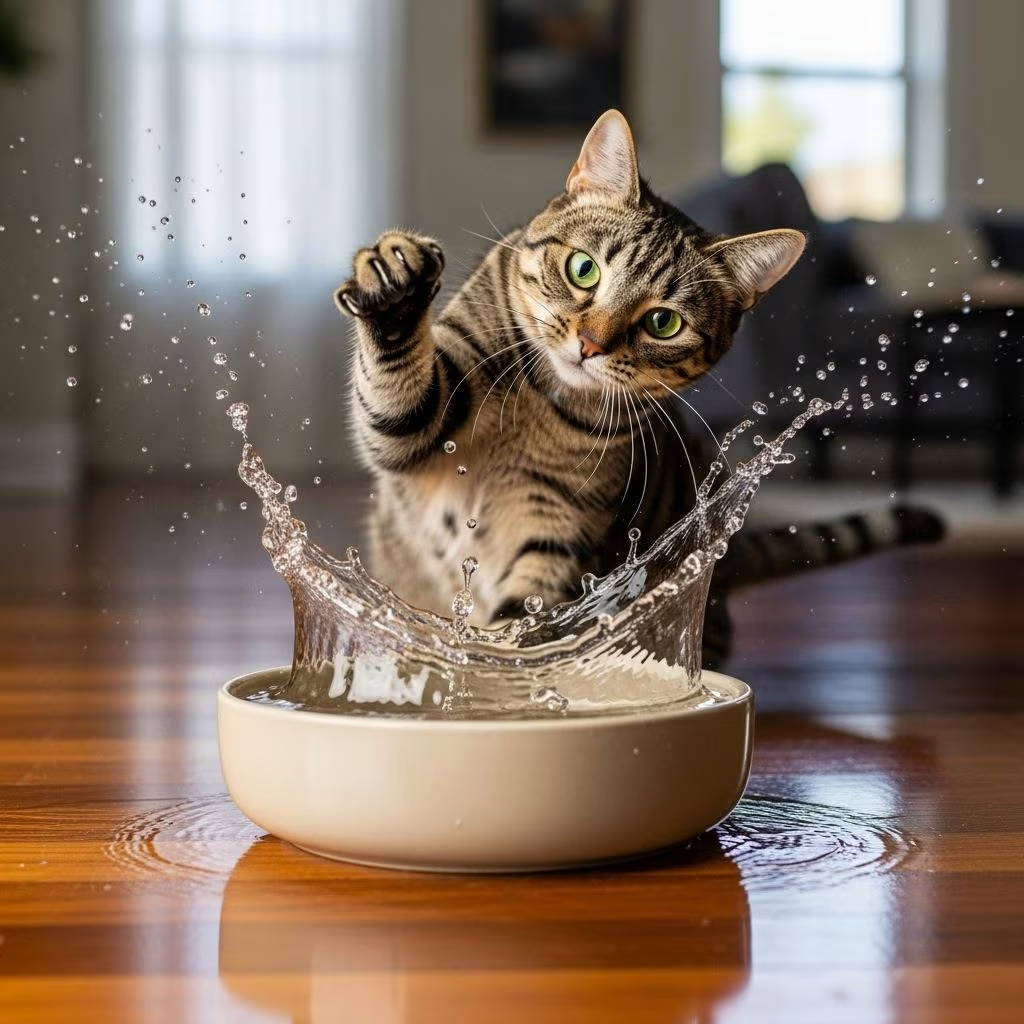
Why Does My Cat Keep Knocking Over Their Water Bowl?
If you’ve found yourself repeatedly cleaning up water puddles caused by your cat’s enthusiasm for knocking over their water bowl, you’re not alone. This common feline behavior frustrates many cat owners, but the good news is that it’s usually a normal part of cat behavior. Your cat isn’t trying to be difficult—they’re likely satisfying some specific need or instinct.
According to Elizabeth Stanley-Reicherter, CBCC-Ka, CPDT-Ka, SBA, behavior manager at Animal Welfare Association in Voorhees, New Jersey, “Cats knock over their water bowls for several reasons, and each cat may have a different reason for this behavior.” Understanding these reasons is the first step toward finding a solution that works for your feline friend.
Understanding the Root Causes of Water Bowl Knocking
Evolutionary Instincts and Water Safety
One of the primary reasons cats knock over their water bowls is rooted in their evolutionary history. “In nature, standing pools of water can become stagnant or biologically contaminated, so we believe that cats may have evolved to prefer moving water sources, as these are biologically safer,” explains Quandt, a veterinary behavior specialist. For this reason, cats may instinctively play with their water to get it moving, testing its freshness and safety.
This ancestral programming means your domestic cat is operating on ancient instincts developed when their survival depended on avoiding contaminated water sources. When your cat paws at or tips over their water bowl, they may be attempting to “test” the water or create movement to ensure it’s safe to drink.
Reinforced Behavior Patterns
Another significant reason your cat may knock over their water bowl is reinforcement. Pet parents often inadvertently teach their cats that knocking over the bowl gets them what they want. As Stanley-Reicherter explains: “When the cat knocks over the water bowl, you refill it [with fresh drinking water] or you tell the cat, ‘No.’ The cat just gained attention or a refilled bowl of water, getting what she wanted.”
This creates a cycle where your cat learns that tipping the bowl results in immediate rewards—either fresh water or your attention. Cats are intelligent animals and quickly recognize these cause-and-effect relationships. If refreshing the bowl after your cat’s “routine” becomes habitual, you may have inadvertently trained your cat to continue this behavior.
Playfulness and Entertainment
Many cats, particularly younger ones or water-loving breeds, knock over their water bowls simply because it’s fun and provides entertainment. The splashing sounds, the reflective surface of the water, and the physical act of batting at the bowl can all be sources of amusement for a bored cat. For some felines, this behavior is a form of play and enrichment.
Preference for Fresh Water
Cats are famously particular about water quality and freshness. If your cat is constantly knocking over their water bowl, they may be communicating their desire for fresh water. Some cats develop a strong preference for recently refreshed water and will paw at or tip over their bowl to signal that they want it refilled.
When to Seek Veterinary Attention
While bowl-knocking is usually normal behavior, there are instances when it warrants a veterinary consultation. If your cat is constantly knocking over their water bowl because they want more water and seem unable to drink enough, this excessive water consumption could indicate an underlying health issue.
According to Emily Seidl, DVM, senior vet at Animal Welfare Association in Voorhees, New Jersey, excessive water consumption could signal:
- Renal disease
- Liver disease
- Diabetes mellitus
- Hyperthyroidism
- Urinary tract diseases (including stones or infections)
If you notice your cat drinking significantly more water than usual or displaying other symptoms alongside the bowl-knocking behavior, contact your veterinarian promptly for evaluation.
Practical Solutions to Stop Water Bowl Knocking
Invest in a Heavier, Properly Designed Bowl
One of the simplest solutions is to upgrade your cat’s water bowl. Lightweight bowls are prone to tipping once a cat starts batting at them, while heavier bowls resist toppling much more effectively. Consider switching to a large, heavy ceramic bowl—the type typically used for dogs works exceptionally well for cats trying to knock over their bowls.
Stanley-Reicherter recommends using “a larger bowl with a wide, non-slip rubber base,” as the wider design reduces whisker discomfort while the non-slip base provides stability. Look for bowls specifically designed with cat comfort in mind, featuring wide openings and substantial weight to prevent tipping.
Try a Cat Water Fountain
Pet water fountains are excellent solutions for cats who prefer running water and frequently knock over their bowls. These fountains appeal to cats’ natural preference for moving water—which mimics the running water sources they would encounter in nature—while being difficult to tip over due to their heavier construction.
“Cat water fountains are great for a lot of cats. Many like the moving water, and they won’t be able to turn it over very easily,” says Quandt. When selecting a cat water fountain, prioritize models that are quiet and easy to clean, as these features make maintenance more manageable for busy pet parents.
Optimize Bowl Placement
The location of your cat’s water bowl significantly impacts their ability to knock it over. If the bowl is positioned close to a wall, your cat may use the wall as leverage to flip it. Stanley-Reicherter advises: “With many bowls, they need the wall to push it up to flip.”
Position your cat’s water bowl on a rubber mat in an open area away from walls, which reduces the chances of your cat using the wall as a tipping mechanism. Additionally, keep water bowls separate from food dishes, as cats instinctively prefer water sources that are removed from their feeding area.
Refresh Water More Frequently
While you should change your cat’s water daily as a standard practice, some cats require more frequent water changes. If your cat is particularly particular about water freshness and knocks over their bowl to signal their desire for fresh water, increasing the frequency of water changes may be the solution.
By proactively refreshing the water before your cat feels the need to knock it over, you eliminate the motivation for this behavior while ensuring your cat always has access to fresh, appealing water.
Provide Environmental Enrichment
Sometimes, water bowl knocking stems from boredom rather than instinctural or behavioral issues. Ensuring your cat has adequate environmental enrichment can reduce this behavior:
- Provide interactive toys and engage in regular play sessions to keep your cat mentally stimulated
- Create climbing spaces and install scratching posts to encourage physical activity
- Set up window perches where your cat can observe outdoor activity
- Offer puzzle feeders and other forms of mental enrichment to challenge your cat’s mind
A well-stimulated, entertained cat is less likely to develop destructive behaviors like bowl-knocking.
Frequently Asked Questions
Q: Is it normal for cats to knock over their water bowls?
A: Yes, it’s usually normal cat behavior. Cats knock over water bowls for various reasons including natural instincts to test water safety, boredom, preference for fresh water, or attention-seeking behavior.
Q: Can whisker sensitivity cause my cat to knock over their water bowl?
A: Whisker fatigue from deep or narrow bowls can cause discomfort, leading cats to paw at or tip their water bowls. Using wide, shallow bowls can help prevent this issue and make drinking more comfortable for your cat.
Q: How can I stop my cat from spilling water?
A: Use heavy, stable bowls with non-slip bases, consider switching to a pet fountain, ensure the bowl is appropriately sized, and place it in a quiet area away from walls and food dishes. Regular play sessions and environmental enrichment can also reduce water play caused by boredom.
Q: What type of water bowl works best for cats that knock them over?
A: Heavy ceramic or stainless steel bowls with wide, non-slip rubber bases work best. Look for bowls that are large enough to prevent whisker stress and heavy enough to resist tipping. Some cats benefit from fountains designed specifically for their water preferences.
Q: Does the location of the water bowl matter?
A: Yes, bowl location is important. Place water bowls in quiet, low-traffic areas away from walls and separated from food dishes. Using a rubber mat under the bowl can also help prevent spills and reduce tipping incidents.
Q: When should I be concerned about my cat’s water bowl knocking?
A: If your cat constantly knocks over their bowl because they want more water and appears unable to drink enough, contact your veterinarian. Excessive water consumption could indicate underlying health issues such as diabetes, kidney disease, or thyroid problems.
Q: Is my cat knocking over the water bowl for attention?
A: It’s possible. If you typically respond to bowl-knocking by refilling the water or giving attention, your cat may have learned that this behavior gets them what they want. Breaking this reinforcement pattern can help reduce the behavior over time.
Conclusion
Water bowl knocking is a common feline behavior that stems from natural instincts, learned behaviors, or simple boredom. While frustrating for cat owners, understanding the underlying causes makes it easier to implement effective solutions. Whether your cat is responding to evolutionary programming, seeking fresh water, or simply entertaining themselves, there are multiple approaches to reduce or eliminate this messy habit.
The most successful approach often combines several strategies: upgrading to a heavier, properly designed bowl; considering a pet fountain; optimizing bowl placement; and providing adequate environmental enrichment. Remember that every cat is unique, and what works for one feline may not work for another. With patience and experimentation, you can find the solution that best addresses your individual cat’s needs and habits.
References
- Why Does My Cat Keep Knocking Over Their Water Bowl? — Chewy Education. 2025. https://www.chewy.com/education/cat/training-and-behavior/cat-knocking-over-water-bowl
- Why Does My Cat Knock Over His Water Bowl? — PetsCare.com. 2025. https://www.petscare.com/news/post/why-cat-knock-water-bowl
- Animal Behavior Resources and Training — Animal Welfare Association, Voorhees, NJ. 2025. https://www.awanj.org



