

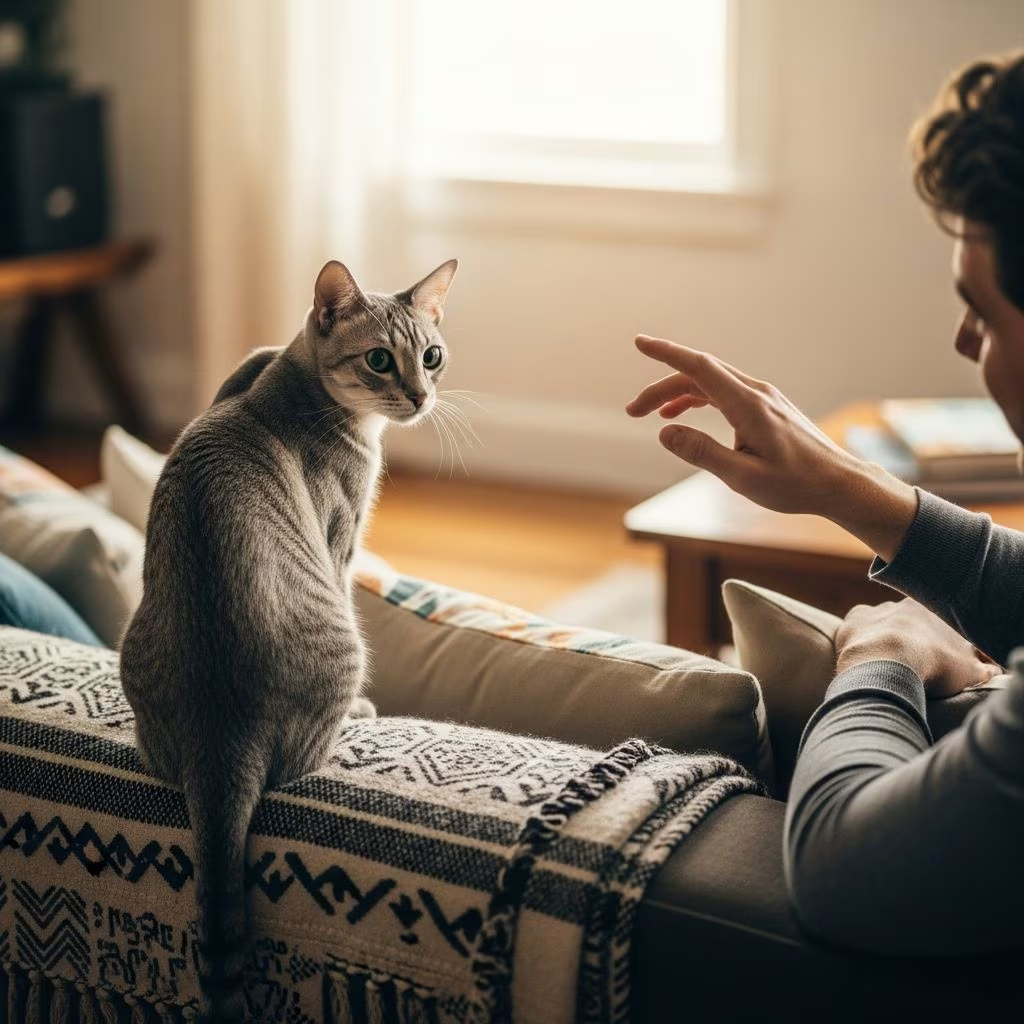
Your cat’s sudden hisses, swats, or avoidance toward your partner can strain relationships and create household tension. This behavior stems from instinctual feline responses like fear, territorial defense, or discomfort rather than personal hatred. Understanding these triggers allows for targeted interventions to restore harmony.
Understanding Feline Communication: Hissing and Beyond
Cats communicate through body language, vocalizations, and scents. **Hissing** serves as a primary warning signal indicating fear, irritation, or defensiveness, often preceding swats or bites if ignored. Cats hiss at people or pets when feeling threatened, scared, or in pain. Ear flattening, tail lashing, dilated pupils, and piloerection (fur standing on end) accompany hissing, signaling escalation.
Other signs include growling, spitting, or hiding. A bonded cat may tolerate one person (often the primary caregiver) but view others as intruders. Sudden increases in aggression, especially during handling, warrant veterinary checks for underlying pain.
- Fear-based hissing: New people, unfamiliar scents, or restraint.
- Territorial hissing: Protecting food, litter, or resting spots.
- Pain-induced: Arthritis or dental issues amplifying sensitivity.
Common Reasons Your Cat Hisses at Your Partner
Several factors explain targeted dislike. Cats bond selectively, preferring routine providers of food and affection. Partners may inadvertently trigger discomfort through voice, scent, or actions.
Territorial Instincts and New Intruders
Cats are territorial by nature. A partner’s belongings, furniture, or frequent presence invades the cat’s domain, provoking defensiveness. Moving in amplifies this with unfamiliar scents everywhere. Indoor cats, lacking outdoor buffers, react strongly to household changes.
New spouses or partners disrupt habits like bed-sharing, heightening stress. Cats need time for scent investigation before deeming someone safe.
Fear and Past Negative Associations
Unintentional mishandling—picking up abruptly, staring, or loud voices—builds wariness. Cats associate scents or sounds with discomfort. If a partner punishes the cat or moves quickly, fear solidifies.
Subtle cues like direct eye contact (perceived as a threat) or invading personal space during eating/grooming prompt hissing.
Selective Bonding and Jealousy Myths
Cats form strong bonds with one human, viewing others warily. This isn’t jealousy but preference for familiarity. The myth of feline jealousy ignores territorial confusion; cats prioritize security over rivalry.
Medical or Stress Factors
Underlying health issues like pain make cats irritable. Stress from changes (e.g., new baby, moves) lowers tolerance. Observe patterns: handling-specific hissing suggests vet evaluation.
How to Help Your Cat Warm Up to Your Partner
Patience is key—force interactions backfire. Go at the cat’s pace, emphasizing choice and positive associations.
Scent Swapping: The First Step
Cats rely on pheromones. Rub a sock on your cat’s cheeks (cheek glands release familiar scents), then on partner’s items like shoes or clothes. Repeat gradually. Partner wears pheromone socks around the house. Use synthetic pheromones (Feliway) on fabrics for calming effects.
Food and Treat Association
The path to a cat’s trust is through their stomach. Have the partner prepare/feed meals and offer treats from distance initially. Use clicker training: click for approaching, reward small steps like entering the room.
| Step | Action | Goal |
|---|---|---|
| 1 | Partner tosses treats from afar | Link presence to rewards |
| 2 | Sit quietly during meals | Build tolerance |
| 3 | Hand-feed treats | Foster approach |
Environmental Adjustments
Provide retreats: cat trees, shelves, or boxes for high perches and hiding. Ensure litter, food, and scratchers remain accessible. Multiple resources prevent competition.
Proper Interaction Techniques
Teach partner cat etiquette: no staring (use soft blinks), extend index finger for sniffing (cat ‘handshake’), pet under chin/Cheeks first. Short sessions end positively—leave cat wanting more. Avoid forcing cuddles.
- Start sessions 5-10 minutes.
- Watch body language; stop at ear twitch.
- Use toys for play, not hands.
Desensitization and Counter-Conditioning
Gradually expose cat to partner’s presence at low intensity. Pair with play or feeding. Consistency from both partners reinforces positives.
Relationship Tips: Don’t Sacrifice Your Cat
Cats causing partner friction is common but resolvable. Communicate openly: educate partner on cat needs like enrichment and clean litter. Compromises (e.g., separate sleep spaces) preserve bonds without ultimatums. Allergies require management, not rehoming.
Respect cat’s role; forcing acceptance breeds resentment. Shared responsibility strengthens couples.
Frequently Asked Questions (FAQs)
Why does my cat hiss at my husband but not me?
Your cat bonds primarily with you as the routine caregiver. Husband may trigger unease via scent, voice, or past interactions, viewing him as less safe.
Why does my cat keep hissing at my partner?
Hissing signals fear or defensiveness. Partner might encroach on space, carry unfamiliar scents, or handle roughly.
How do I get my cat to like my partner?
Involve partner in feeding, play, and pheromone swaps. Provide safe spaces and polite interactions; progress slowly.
Is my cat jealous of my new spouse?
No, it’s territorial stress from unfamiliar scents and routines, not jealousy.
What if aggression persists?
Consult a vet for medical issues, then a certified behaviorist. Feliway diffusers aid calming.
Long-Term Prevention and Harmony
Prevent issues by introducing partners gradually in new relationships. Maintain multi-cat harmony with resources. Regular vet checks catch pain early. Enriched environments reduce stress.
Success stories abound: consistent efforts turn foes into friends. Track progress weekly; full trust may take months but yields a peaceful home.
References
- Why Does My Cat Hiss at My Partner? — Cats.com. 2023-05-15. https://cats.com/my-cat-hisses-at-my-husband
- What to Do When the Cat Hates Your New Spouse — Cat Behavior Associates. 2022-11-20. https://catbehaviorassociates.com/what-to-do-when-the-cat-hates-your-new-spouse/
- Cat Causing Relationship Problems? Try These 9 Simple Tips — Caticles. 2024-03-10. https://caticles.com/cat-causing-relationship-problems/
- Don’t Give Up the Cat: A Relationship Guide — Way of Cats. 2021-09-12. https://www.wayofcats.com/blog/dont-give-up-the-cat-a-relationship-guide/32597



