
Why Does My Cat Have Dry Flaky Skin: Causes and Treatments
Discover the causes of dry, flaky skin in cats and learn effective treatment options from veterinary experts.
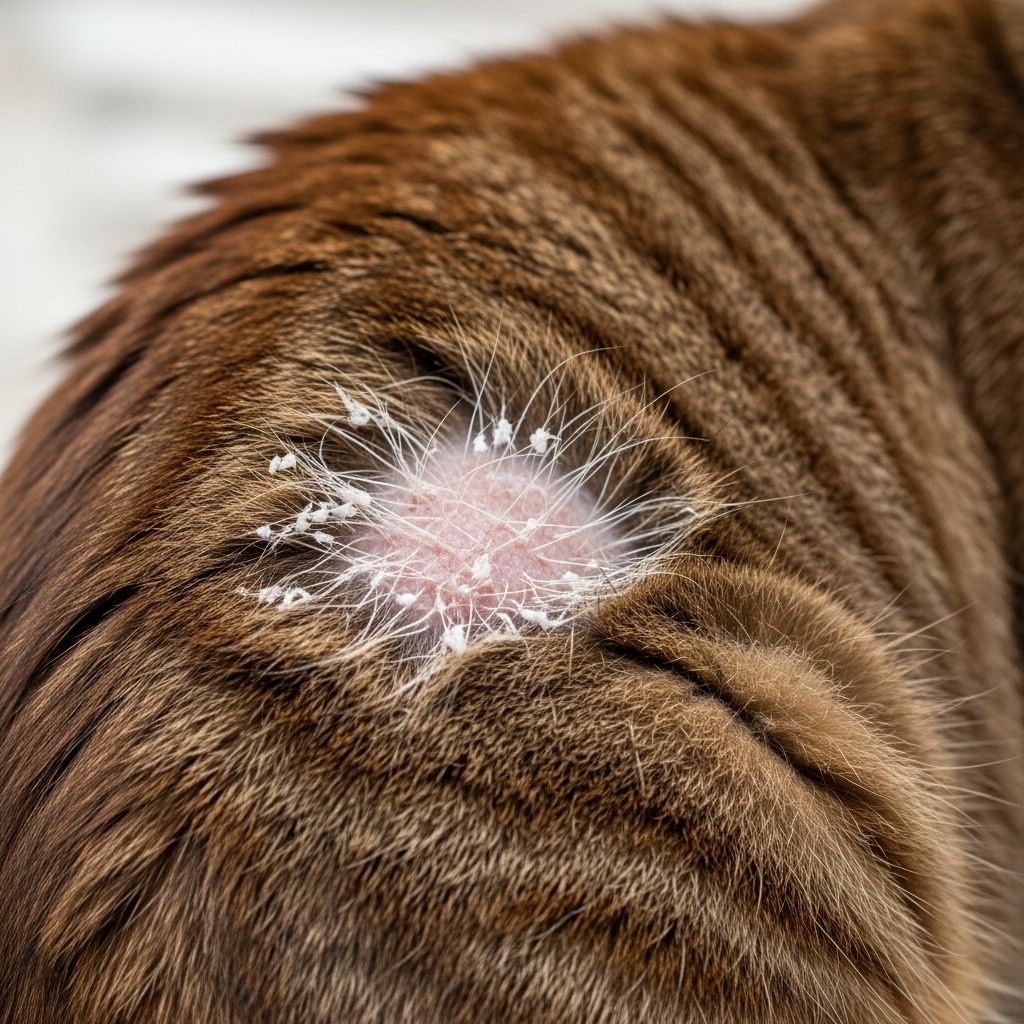
Why Does My Cat Have Dry Flaky Skin?
Noticing dry, flaky skin on your feline companion can be concerning, and you’re likely wondering what’s causing this uncomfortable condition. Cat skin conditions are more common than many pet owners realize, and while some cases are minor and easily managed, others may indicate underlying health issues that require professional veterinary attention. Understanding the potential causes of your cat’s dry, flaky skin is the first step toward helping your pet feel more comfortable and healthy.
Dry, flaky skin in cats, often referred to as seborrhea or dandruff, can develop for various reasons. These range from environmental factors and grooming difficulties to serious medical conditions such as allergies, parasites, or skin infections. The good news is that most cases of feline dry skin are manageable with proper diagnosis and treatment. By learning about the common causes and available remedies, you can work with your veterinarian to develop an effective care plan for your cat.
Common Causes of Dry, Flaky Skin in Cats
Environmental Factors
One of the most frequently overlooked causes of dry skin in cats is environmental humidity. Dry climates, central heating during winter months, and air conditioning during summer can all significantly reduce moisture in the air, leading to dry skin and dandruff in cats. Indoor environments with consistently low humidity are particularly problematic for feline skin health. The skin loses moisture more rapidly in dry conditions, causing it to become flaky and irritated.
If you suspect environmental factors are contributing to your cat’s skin issues, using a humidifier in your home or in your cat’s favorite room can help maintain optimal humidity levels. Most cats benefit from humidity levels between 30-50%. Additionally, ensuring your cat has access to fresh water and encouraging hydration can help combat skin dryness from environmental causes.
Parasitic Infestations
Fleas represent one of the most common parasitic causes of dry, flaky skin in cats. Even a single flea bite can trigger severe reactions in cats with flea allergy dermatitis. This condition causes excessive itching, inflammation, and secondary skin infections that manifest as dandruff and flaky patches. Cats may develop allergic reactions to flea saliva rather than the flea itself, meaning even indoor cats can develop flea-related skin problems.
Other parasites such as mites and lice can also cause skin irritation and dandruff. Year-round flea and tick prevention is essential for maintaining healthy feline skin, regardless of whether your cat spends time outdoors. Broad-spectrum parasite control products help prevent these external parasites and the skin complications they cause.
Allergies and Sensitivities
Cats can develop allergies to food ingredients, environmental allergens like pollen and dust mites, or contact allergens. These allergies frequently manifest as dry, flaky skin and excessive itching. Some cats experience seasonal allergy flare-ups during spring and fall, while others face year-round challenges. Allergic reactions cause inflammation and affect the skin’s ability to retain moisture, leading to the characteristic dry, flaky appearance.
Identifying the specific allergen causing your cat’s skin problems can be challenging and may require elimination diets, allergy testing, or professional diagnostic procedures. While allergies cannot be permanently cured, they can be effectively managed through long-term treatment plans developed with veterinary guidance.
Nutritional Deficiencies
Poor nutrition is a significant yet preventable cause of dry, flaky skin in cats. Dietary deficiencies in essential fatty acids, particularly omega-3 and omega-6 fatty acids, directly impact skin health and the skin’s ability to retain moisture. Vitamin E deficiencies also contribute to dry, irritated skin. Cats fed low-quality diets lacking appropriate levels of fat and protein are particularly susceptible to skin problems.
A nutritionally complete diet with adequate protein, healthy fats, and essential vitamins forms the foundation of healthy skin. Many veterinarians recommend high-quality commercial cat foods or prescription diets specifically formulated to support skin health.
Grooming Difficulties and Mobility Issues
Senior cats, overweight cats, and those with arthritis or other mobility limitations often struggle to groom themselves effectively. Cats naturally groom to distribute natural skin oils, remove dead skin cells, and maintain healthy fur. When cats cannot reach their entire body or lack the flexibility to groom thoroughly, dead skin cells accumulate, leading to dry, flaky patches and matted fur. The fur matting itself can pull at the skin underneath, causing further irritation and dryness.
Helping your cat with grooming through regular brushing can significantly improve skin health in these cases. Daily brushing removes loose fur and dead skin cells while distributing natural oils throughout the coat.
Skin Infections and Medical Conditions
Bacterial and fungal skin infections, including ringworm, can cause dry, flaky skin and dandruff in cats. Endocrine disorders such as hyperthyroidism and diabetes can also affect skin health. Autoimmune conditions and other underlying medical issues frequently present with skin symptoms as their first noticeable sign. These conditions require professional diagnosis and targeted treatment to resolve.
Improper Bathing Practices
Most cats do not require regular bathing, as they are self-grooming animals. However, when bathing is necessary, improper techniques can damage the skin. Using human shampoo, shampoos not specifically formulated for felines, excessively warm water, or bathing too frequently can strip away natural skin oils and cause dryness and irritation. Pet-specific shampoos maintain appropriate pH levels for feline skin, whereas human products often contain ingredients that are too harsh or potentially toxic for cats.
Stress
Psychological stress can manifest as physical skin problems in cats. Elevated cortisol levels from stress impair the skin’s natural moisture retention capabilities, leading to dry, flaky patches. Changes in the home environment, introduction of new pets, moving to a new location, or other stressful events can trigger stress-related skin issues.
Diagnosing the Cause of Your Cat’s Dry Skin
Determining the underlying cause of your cat’s dry, flaky skin is crucial for developing an effective treatment plan. Your veterinarian may recommend several diagnostic tests, including skin scrapes to examine for parasites and fungal infections, fungal cultures to identify ringworm, blood tests to screen for endocrine disorders and nutritional deficiencies, and microscopic examination of skin cells. In some cases, an elimination diet helps identify food allergies as the culprit.
Regular wellness visits with your veterinarian allow for early detection of skin problems and underlying conditions. These visits are essential for cats of all ages but become increasingly important for senior cats and those with known health issues.
Treatment Options for Dry, Flaky Skin
Environmental Modifications
Simple environmental changes can significantly improve mild cases of dry skin. Using a humidifier maintains optimal indoor humidity levels, reducing skin water loss. Ensuring your cat has access to fresh water encourages hydration from within. Minimizing your cat’s exposure to extreme temperature fluctuations and direct air conditioning or heating vents can also help protect skin health.
Dietary Interventions
Feeding a high-quality, nutritionally complete diet is fundamental to skin health. Your veterinarian may recommend switching to premium commercial foods with appropriate fat and protein levels or prescribe specialized therapeutic diets formulated to support skin health. Omega-3 fatty acid supplements reduce inflammation and improve skin hydration, making them particularly beneficial for cats with chronic dry skin. Vitamin E supplements provide additional antioxidant support for skin health.
Some cats benefit from wet food over dry kibble, as the increased moisture content helps maintain overall hydration and skin moisture levels. Your veterinarian can recommend specific dietary changes based on your cat’s individual needs.
Grooming and Brushing
Daily brushing is one of the most effective and underutilized treatments for cat dandruff and dry skin. Regular brushing removes dead skin cells and loose fur while distributing natural skin oils throughout the coat. This practice is particularly important for long-haired cats and those with difficulty grooming themselves. Brushing also helps identify skin problems early and prevents painful fur matting.
Use soft-bristled brushes or combs appropriate for your cat’s coat type. Start with short brushing sessions if your cat is not accustomed to the process, gradually increasing duration as your cat becomes comfortable.
Topical Treatments
When directed by your veterinarian, various topical treatments can help manage dry, flaky skin. Specialized cat shampoos containing moisturizing agents, oatmeal extract, or medicinal ingredients can reduce dandruff and soothe irritated skin. Leave-on conditioners and skin moisturizers designed specifically for cats help restore skin hydration without the drying effects of bathing. Medicated shampoos may be recommended for bacterial or fungal infections.
It is crucial to never use human dandruff shampoo on cats, as these products contain medications and additives that can be toxic to felines. Always consult your veterinarian before applying any topical treatment to your cat’s skin.
Parasite Prevention
Year-round flea and tick prevention is essential for all cats, particularly those with flea allergy dermatitis. Modern broad-spectrum parasite preventatives are highly effective and come in various formulations including topical treatments, oral medications, and collars. Your veterinarian can recommend the most appropriate option for your individual cat based on age, weight, health status, and lifestyle.
Medical Treatment of Underlying Conditions
When dry skin results from underlying medical conditions, treating the primary condition is essential. This may include antibiotic or antifungal medications for skin infections, allergy medications for allergic dermatitis, hormone therapy for endocrine disorders, or weight management programs for overweight cats with grooming difficulties. Your veterinarian will develop a comprehensive treatment plan addressing the root cause rather than merely treating symptoms.
Prevention Strategies
Maintaining your cat’s skin health requires consistent preventive care:
– Schedule regular wellness visits with your veterinarian for early detection of skin problems- Use year-round flea and tick prevention as directed by your veterinarian- Feed a high-quality, nutritionally complete diet appropriate for your cat’s age and health status- Maintain your cat at a healthy weight through appropriate diet and exercise- Brush and groom your cat regularly, daily for long-haired breeds- Avoid unnecessary bathing and always use pet-specific shampoos when bathing is necessary- Use a humidifier to maintain optimal indoor humidity, especially during dry seasons- Minimize stress and provide environmental enrichment for mental and emotional health- Ensure your cat has constant access to fresh water
Frequently Asked Questions About Cat Dry Skin
Q: Is it safe to use human dandruff shampoo on my cat?
A: No, human dandruff shampoos contain medications and additives that can be toxic to cats. Always use shampoos specifically formulated for felines, and consult your veterinarian before using any topical product on your cat’s skin.
Q: How often should I brush my cat to help with dandruff?
A: Daily brushing is ideal for managing dandruff and dry skin. Regular brushing removes dead skin cells, loose fur, and distributes natural oils throughout the coat. Even cats that normally groom themselves benefit from daily brushing.
Q: Can dry skin in cats be cured permanently?
A: This depends on the underlying cause. Environmental and nutritional causes can often be permanently resolved with appropriate modifications. However, allergies and chronic conditions typically require long-term management rather than permanent cure.
Q: When should I take my cat to the veterinarian for dry skin?
A: Schedule a veterinary appointment if your cat’s dry skin persists despite home care measures, if the skin is inflamed or infected, if your cat is excessively scratching or has hair loss, or if the dry skin accompanies other symptoms. It is always better to err on the side of caution and consult your veterinarian.
Q: Can obesity cause dry skin in cats?
A: Yes, overweight and obese cats often cannot groom themselves effectively due to reduced flexibility and mobility. This leads to accumulation of dead skin cells and dry, flaky patches. Weight management through diet and exercise can help resolve grooming-related skin problems.
Q: Are omega-3 supplements safe for cats?
A: Yes, omega-3 and omega-6 fatty acid supplements formulated for cats are safe and beneficial for skin health when used as directed. Always discuss supplements with your veterinarian to ensure they are appropriate for your cat and to determine the correct dosage.
Q: What humidity level is best for cats with dry skin?
A: Most cats benefit from indoor humidity levels between 30-50%. Using a humidifier helps maintain these levels, particularly during dry winter months or in air-conditioned environments. Excessively high humidity can promote fungal growth, so maintaining the recommended range is important.
Working With Your Veterinarian
Your veterinarian is your best resource for diagnosing and treating your cat’s dry, flaky skin. Come prepared to your appointment with information about when the skin problems started, environmental changes in your home, your cat’s diet, grooming habits, and any other symptoms you’ve noticed. Be honest about your cat’s lifestyle, stress level, and any previous skin problems or allergies.
Follow your veterinarian’s recommendations regarding diagnostic testing, treatment options, and preventive care. Some skin conditions require ongoing monitoring and adjustment of treatment plans as your cat’s condition evolves. Regular communication with your veterinary team ensures your cat receives optimal care.
Dry, flaky skin in cats is a manageable condition when properly diagnosed and treated. By understanding the potential causes and working closely with your veterinarian, you can help your feline companion achieve healthy, comfortable skin and improve their overall quality of life.
References
- What to Do if Your Cat Has Dry Skin — Dupont Veterinary Clinic. 2024. https://www.dupontvet.com/blog/what-to-do-if-your-cat-has-dry-skin/
- Seborrhea in Cats — VCA Animal Hospitals. 2024. https://vcahospitals.com/know-your-pet/seborrhea-in-cats
- What to Know About Dandruff in Cats — WebMD Pets. 2024. https://www.webmd.com/pets/cats/what-to-know-dandruff-cats
- What to Do if Your Cat Has Dandruff or Dry Skin — Vetster. 2024. https://vetster.com/en/wellness/what-to-do-if-your-cat-has-dandruff-or-dry-skin
- Cat Dandruff & Dry Skin Treatment: 6 Vet Tips & Cat Moisturizers — Sploot Vets. 2024. https://www.splootvets.com/post/cat-dandruff-dry-skin-treatment-moisturizers
- Does My Cat Have Dry Skin? — Hill’s Pet Nutrition. 2024. https://www.hillspet.com/cat-care/healthcare/does-my-cat-have-dry-skin
Similar Articles








Read full bio of medha deb




