

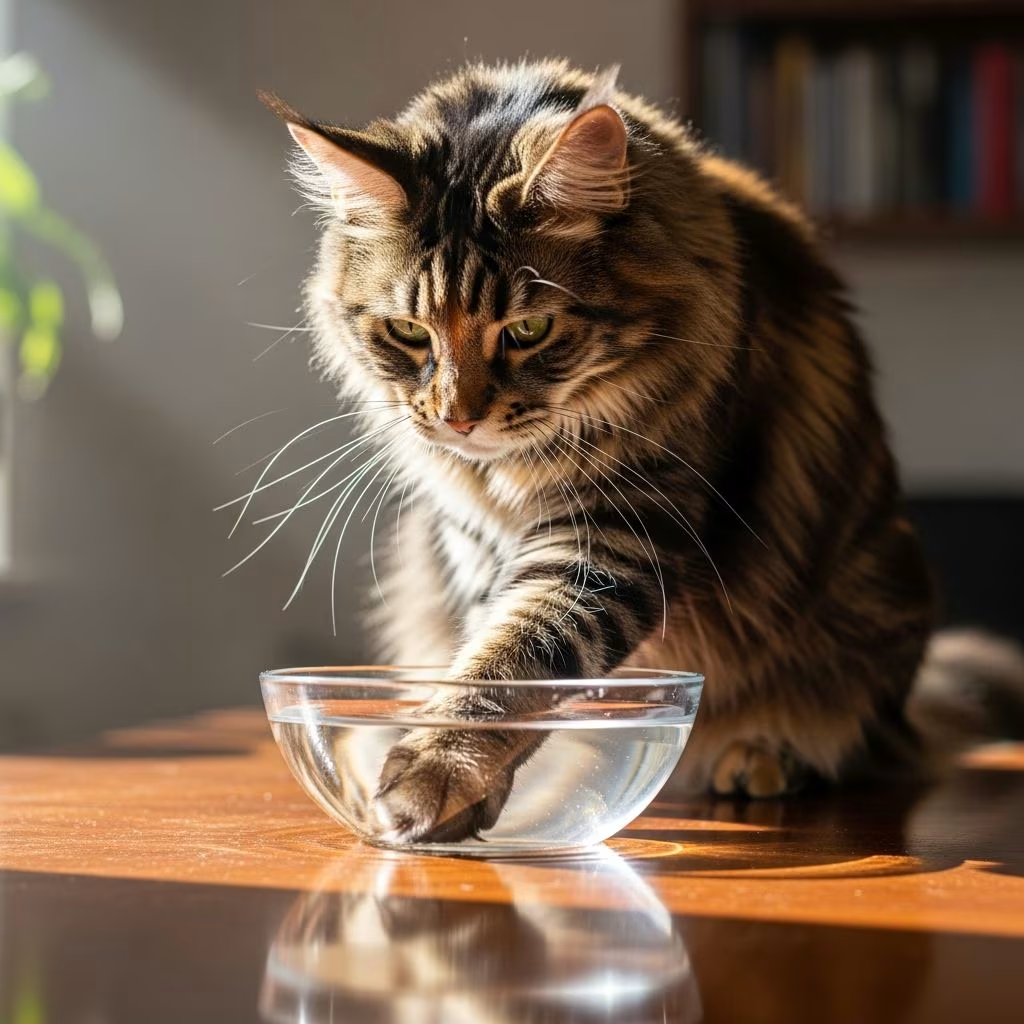
Cats often exhibit quirky behaviors that puzzle their owners, and one of the most common is dipping their paw into the water bowl before lapping it up. This habit, while endearing, raises questions about whether it’s normal or a sign of an underlying issue. Far from being random playfulness, cats drink water with their paw for several instinctual, sensory, and practical reasons. Understanding this behavior helps cat owners provide better hydration options and spot potential health concerns early.
In this comprehensive guide, we’ll dive into the science and instincts behind why cats paw at their water, covering everything from whisker sensitivity to age-related changes. You’ll learn actionable tips to encourage healthy drinking habits and when to consult a vet. By the end, you’ll be equipped to keep your feline friend hydrated and happy.
Why Do Cats Dip Their Paw in Water?
Cats’ unique drinking style stems from their evolutionary past and highly attuned senses. Unlike dogs that slurp water directly, cats are precise lappers, using their tongues to draw up liquid in a gentle arc. However, many domestics revert to paw-dipping, mimicking wild behaviors where still water could harbor dangers.
- Instinctual Safety Check: Wild cats paw at water sources like streams to test for predators, debris, or depth, ensuring it’s safe before committing. Domestic cats retain this trait, gently tapping the surface to disturb it and confirm safety.
- Sensory Exploration: Paws are packed with nerve endings, allowing cats to gauge temperature, depth, and texture without fully submerging their face.
- Preference for Movement: Cats favor flowing water, instinctively viewing it as fresher. Pawing creates ripples, simulating a stream or fountain.
This behavior is widespread across breeds and ages, but frequency can indicate environmental tweaks are needed.
The Role of Sensitive Whiskers (Whisker Fatigue)
One primary culprit is whisker fatigue, a condition where a cat’s highly sensitive whiskers brush against bowl sides, causing discomfort. Whiskers, or vibrissae, act as radar for navigation, air current detection, and spatial awareness. When confined in narrow or deep bowls, they overload, leading cats to scoop water onto their paw instead.
Symptoms include avoiding the bowl, paw-dipping, or tipping it over. Studies and veterinary observations confirm whiskers have over 100 nerves each, making contact irritating. Solution? Switch to wide, shallow ceramic or glass bowls—avoid plastic, which retains odors. Elevated stands suit seniors, reducing neck strain without whisker contact.
| Bowl Type | Pros | Cons | Best For |
|---|---|---|---|
| Narrow/Deep | Space-saving | Causes whisker fatigue | Not recommended |
| Wide/Shallow | Whisker-friendly, stable | Takes more floor space | All cats |
| Elevated | Reduces strain, promotes posture | Costlier | Seniors, arthritis |
| Fountain | Flowing water appeal | Requires cleaning | Playful cats |
Instinct from the Wild
Domestic cats descend from African wildcats, solitary hunters wary of stagnant water teeming with bacteria or parasites. Pawing disturbs the surface to reveal hidden threats and aerates the water, making it more palatable. Even indoor cats “test” bowls this way, a hardwired survival mechanism persisting despite safety.
Observing your cat: They often sniff the damp paw before licking, confirming potability via scent and taste. This mirrors prey inspection—cats treat water like potential prey or hazard.
Age-Related Reasons: Vision and Mobility Issues
As cats age, paw-dipping may signal vision decline or mobility problems. Older felines are far-sighted but struggle with near-depth perception, using paws to “measure” bowl contents without dunking noses.
Arthritis affects 90% of cats over 12, per veterinary studies, making bending painful. Seated paw-scooping compensates, conserving energy. Signs: Reluctance to jump, stiffness, or litter box avoidance. Vets recommend joint supplements like glucosamine and low-sided bowls.
- Vision check: Sudden behavior change warrants an eye exam—early detection preserves quality of life.
- Mobility aids: Ramps, soft bedding, and heated bowls encourage drinking.
When It’s a Sign of Stress or Boredom
Cats under stress paw water for security, controlling their environment amid changes like moves or new pets. High-traffic bowl locations heighten anxiety—cats prefer quiet spots. Boredom prompts playful pawing; enrich with toys or multiple bowls.
Observe frantic looks post-paw-dip: Relocate bowls to serene areas. Fountains or ice cubes add stimulation, boosting intake.
Scent Marking and Preference for Fresh Water
Cats may scent-mark water by paw-dipping, adding familiar smells to make it “theirs,” per behaviorist Pam Johnson-Bennett. They shun bowls near food (wild aversion to contaminated sources) and prefer cool, moving water. Daily refreshes and separation prevent this.
Health Concerns: When to Worry
While usually benign, excessive pawing with lethargy, drooling, or reduced intake signals issues like dental pain, kidney disease, or dehydration. Seniors risk thirst sensation loss—monitor for sunken eyes, dry gums. Consult vets if intake drops below 3.5 oz/day per 5 lbs body weight.
Dehydration test: Pinch skin; slow tenting indicates need for fluids.
How to Get Your Cat to Drink More Water
Boost hydration proactively:
- Wide Bowls: Prevent fatigue.
- Cat Fountains: Circulating water mimics streams.
- Multiple Stations: One per cat +1, in quiet spots.
- Flavor Boost: Tuna water or broth (low-sodium).
- Wet Food: 78% moisture content.
- Ice Cubes: Cooling play encourages sips.
Track intake; aim for playful, consistent habits.
Frequently Asked Questions (FAQs)
Is it bad if my cat drinks water with their paw?
No, it’s typically normal and instinctual. Only worry if paired with health symptoms.
How can I stop my cat from pawing at water?
Use wide, shallow bowls or fountains to eliminate discomfort triggers.
Why does my senior cat paw at water more?
Likely arthritis or vision issues; vet check recommended.
Does paw-dipping mean my cat is dehydrated?
Not always, but monitor intake and symptoms closely.
Should water bowls be elevated?
Yes for seniors; helps posture without whisker issues.
This behavior reveals cats’ clever adaptations. Optimize their setup for joy and health.
References
- Why Does My Cat Drink Water with Paw? — Uahpet. 2023. https://www.uahpet.com/blogs/hydration-health/why-does-my-cat-drink-water-with-paw
- 8 Reasons Cats Dip Their Paws in Water — BetterPet. 2023. https://www.betterpet.com/learn/why-cats-paw-at-water
- Why Do Cats Paw at Water? — Portage Park Animal Hospital. 2023. https://www.portagepark.com/blog/why-do-cats-paw-at-water
- Why Does My CAT Drink Water With Their PAW? — AnimalWised (YouTube). 2023. https://www.youtube.com/watch?v=kREPh51yHDU
- Feline Behavior Unmasked: Whisker Fatigue and Water — Pet Professional Guild. 2023. https://www.petprofessionalguild.com/barks/barks-magazine-blog/feline-behavior-unmasked-whisker-fatigue-and-water/



