

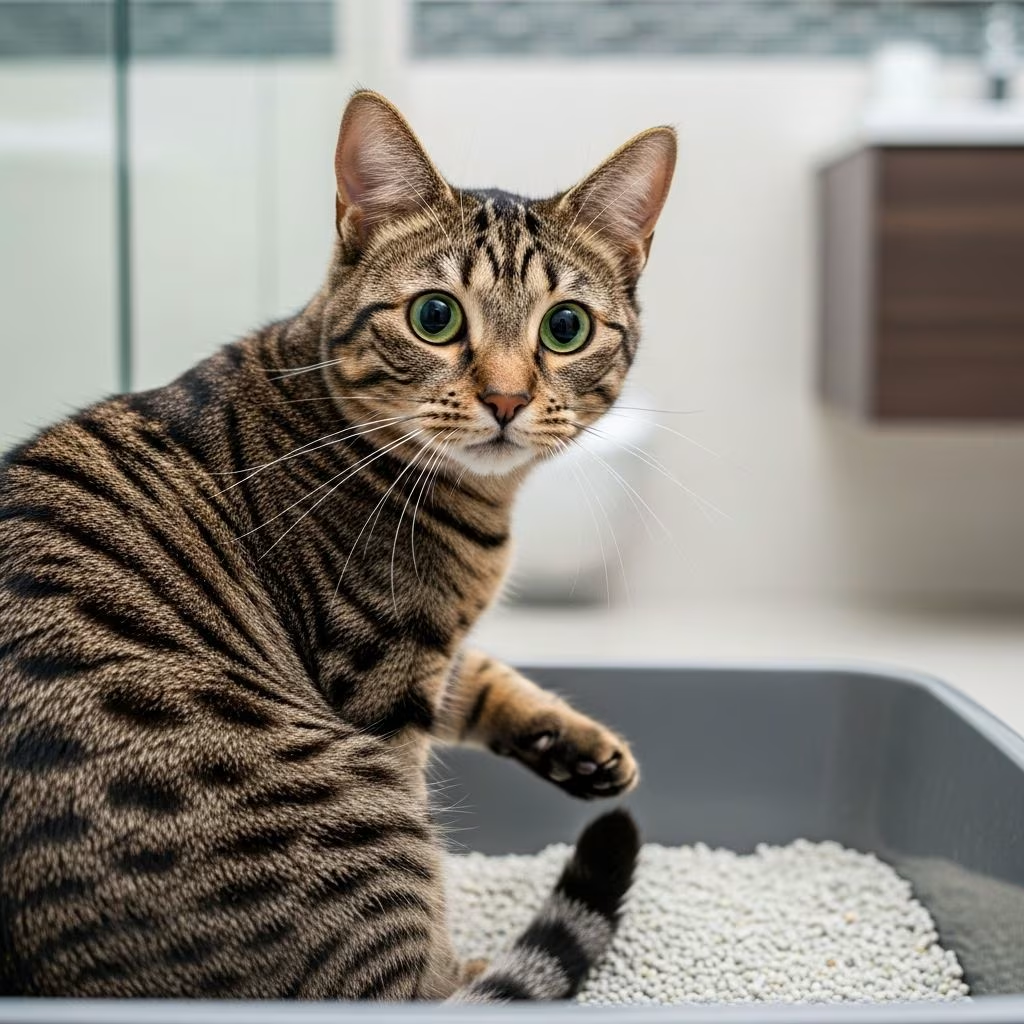
Why Cat Doesn’t Cover Poop: Causes and Solutions
One of the most puzzling and frustrating behaviors cat owners encounter is when their feline companion stops covering their poop in the litter box. While this may seem like a minor inconvenience, it can signal underlying issues ranging from health problems to environmental dissatisfaction. Understanding why your cat exhibits this behavior is the first step toward resolving it and maintaining a clean, harmonious living environment for both you and your pet.
Understanding the Natural Instinct to Cover Poop
In the wild, cats instinctively cover their feces to hide their scent from predators and avoid attracting attention from other animals. This behavior is deeply ingrained in their survival instincts, developed over thousands of years of evolution. Domestic cats typically retain this natural instinct, often burying their waste meticulously in their litter boxes. However, when cats stop exhibiting this behavior, it indicates something has changed in their physical health, emotional state, or environment that warrants investigation.
Common Reasons Why Cats Don’t Cover Their Poop
1. Litter Box Issues
Litter box dissatisfaction is among the most common reasons cats stop covering their poop. Cats are fastidious animals with specific preferences regarding their bathroom environment. Several factors can contribute to litter box aversion:
- Box Size: The litter box may be too small for your cat to turn around comfortably before and after elimination. Cats need adequate space to position themselves properly.
- Cleanliness: A dirty or insufficiently cleaned litter box can deter cats from their normal covering behavior. Cats have high standards for bathroom hygiene.
- Litter Type: Some cats dislike certain types of litter based on texture, granule size, or odor. What works for one cat may be rejected by another.
- Litter Depth: Inadequate litter depth prevents cats from properly burying their waste, making covering behavior impossible or uncomfortable.
- Box Location: A litter box placed in high-traffic areas or locations where the cat feels trapped can cause anxiety and behavioral changes.
- Covered Boxes: Some cats feel claustrophobic in covered litter boxes, particularly if they perceive only one escape route.
2. Health and Medical Issues
Health problems can significantly alter your cat’s litter box behavior. When cats experience pain or discomfort during defecation, they may skip the covering step to escape the litter box quickly. Common medical conditions include:
- Arthritis: Joint pain makes it physically uncomfortable for cats to scratch and dig at the litter, causing them to avoid covering behavior altogether.
- Gastrointestinal Problems: Digestive issues including inflammatory bowel disease, chronic constipation, or diarrhea can create urgency that overrides normal bathroom routines.
- Urinary Tract Infections: These can cause painful elimination and discourage the cat from lingering in the litter box.
- Paw Injuries: An injury to the paw or leg makes digging painful, so the cat may eliminate and leave without covering.
- Cognitive Dysfunction: Older cats may develop cognitive issues similar to dementia, causing them to forget learned behaviors.
3. Stress and Anxiety
Just like humans, cats experience stress that manifests in behavioral changes. Environmental or situational stressors can cause cats to abandon their normal litter box routines:
- Moving to a new home or significant changes in the household layout
- Introduction of new pets or family members
- Changes in daily routine or feeding schedules
- Loud noises or household disruptions
- Tension with other household pets or being startled while using the litter box
Stress-related behavior changes are usually temporary but should be addressed promptly if they persist.
4. Behavioral and Social Factors
Sometimes the issue is purely behavioral rather than medical. Some cats may not have learned proper covering behavior, especially if they were separated from their mother too early. Additionally, some cats may display dominance by leaving their poop uncovered as a territorial marking behavior. In multi-cat households, the presence of other cats or dogs near the litter box can make the cat feel vulnerable and cause it to flee without covering its waste.
5. Age-Related Changes
As cats age, their behavior and physical abilities change. Senior cats may struggle with mobility issues that make it difficult to dig and move around the litter box comfortably. Older cats may also develop cognitive dysfunction, similar to dementia in humans, causing them to forget established routines or become disoriented.
How to Address the Issue: Step-by-Step Solutions
Step 1: Evaluate and Optimize the Litter Box
Start by assessing your cat’s litter box setup. Consider the following improvements:
- Size: Ensure the box is at least 1.5 times the length of your cat. Ideally, your cat should be able to turn around comfortably.
- Cleaning Schedule: Scoop the litter box 1-2 times daily and completely change the litter every 30 days.
- Litter Type: Experiment with different litter varieties to find your cat’s preference. Try clumping versus non-clumping, scented versus unscented, and different textures.
- Litter Depth: Maintain 2-3 inches of litter to allow adequate coverage and digging.
- Location: Place the box in a quiet, private area away from high-traffic zones, feeding areas, and water bowls.
- Remove Covers: If using a covered box, try removing the cover to increase the cat’s sense of security and escape routes.
Step 2: Schedule a Veterinary Examination
If you suspect health issues may be causing the behavior change, consult your veterinarian promptly. A thorough physical examination can identify underlying medical conditions such as arthritis, gastrointestinal problems, or infections. Your vet may recommend dietary adjustments, medications, supplements, or other treatments to alleviate your cat’s discomfort. This step is particularly important if the behavior change is sudden.
Step 3: Reduce Environmental Stress
To minimize stress and anxiety, implement these strategies:
- Maintain a consistent daily routine for feeding, playtime, and interaction
- Provide safe, quiet spaces where your cat can retreat and feel secure
- Use pheromone diffusers or sprays designed to create a calming environment
- Introduce changes gradually when possible, such as new pets or furniture
- Ensure the litter box is not accessible only through high-traffic areas
Step 4: Use Positive Reinforcement
Encourage desired behavior through positive reinforcement techniques:
- Reward Covering: Praise and reward your cat immediately when you observe them covering their poop with treats or affection.
- Clicker Training: Some cats respond well to clicker training. Click when they cover their waste, then immediately offer a reward.
- Avoid Punishment: Never punish your cat for not covering poop, as this increases stress and worsens the behavior.
Step 5: Address Multi-Cat Household Dynamics
If you have multiple cats, provide one litter box per cat plus one extra. Place boxes in different locations so cats have options and don’t feel trapped. Ensure each cat has access to escape routes and feels safe during elimination.
Prevention Strategies for the Future
Maintaining a clean and comfortable environment is key to preventing litter box issues from developing. Regularly assess and clean the litter box, provide multiple boxes in multi-cat households, ensure fresh water and a balanced diet, and monitor your cat’s behavior closely. Early intervention when behavioral changes occur can prevent problems from escalating and becoming habitual.
When to Seek Professional Help
If the problem persists despite your efforts, consider consulting a feline behavior specialist or veterinary behaviorist. They can provide personalized guidance based on your cat’s specific situation. Additionally, if your cat shows other signs of illness or behavioral distress, professional veterinary care is essential.
Frequently Asked Questions
Q: Is it normal for cats to stop covering their poop?
A: While cats have a natural instinct to cover their poop, sudden changes in this behavior typically indicate an underlying issue such as health problems, litter box dissatisfaction, or stress that should be investigated.
Q: How often should I clean my cat’s litter box?
A: Scoop the litter box 1-2 times daily to remove clumps and waste. Completely change all the litter approximately every 30 days or more frequently if needed based on odor and cleanliness.
Q: Can arthritis cause a cat to stop covering poop?
A: Yes, arthritis and other joint pain can make it uncomfortable for cats to dig and scratch at litter, causing them to skip the covering step to minimize discomfort.
Q: How many litter boxes should I have for multiple cats?
A: The general rule is one litter box per cat plus one extra. So for three cats, you should have four boxes placed in different locations throughout your home.
Q: Will my cat ever cover their poop again after stopping?
A: In most cases, yes. Once you identify and address the underlying cause—whether medical, environmental, or behavioral—your cat will typically resume normal covering behavior.
Q: Can stress cause a cat to stop covering poop temporarily?
A: Yes, stress-related behavior changes are usually temporary. Once the stressor is removed or the cat adjusts to the change, normal litter box behavior typically resumes.
Q: Should I punish my cat for not covering poop?
A: No. Punishment increases stress and can worsen the behavior. Instead, focus on identifying the underlying cause and using positive reinforcement for desired behavior.
Conclusion
When your cat stops covering their poop, it’s a sign that something requires your attention. Whether the cause is a simple litter box preference, a medical issue, or stress-related behavior, systematic investigation and appropriate interventions can resolve the problem. By evaluating the litter box environment, scheduling a veterinary check-up, reducing stressors, and using positive reinforcement, you can help your cat return to normal bathroom habits. Your cat’s health and well-being are worth the effort, and with patience and the right approach, you can successfully resolve this common litter box issue.
References
- Cat Not Covering Poop in Litter Box: Causes and Solutions — Uahpet. 2024. https://www.uahpet.com/blogs/post/cat-not-covering-poop-in-litter-box-causes-and-solutions
- Top Reasons Cats Stop Covering Their Poop — Pets Best Insurance. 2024. https://www.petsbest.com/blog/3-reasons-cats-stop-covering-their-poop
- Why Do Cats Bury Their Poop? — PetMD. 2024. https://www.petmd.com/cat/behavior/why-do-cats-bury-their-poop
- Uncovered Secrets: Why Cats Don’t Always Cover Their Poop — Kinship. 2024. https://www.kinship.com/cat-behavior/cat-not-covering-poop
- Why Doesn’t My Cat Cover Her Poop? Top 6 Causes Explained — Cats.com. 2024. https://cats.com/why-doesnt-my-cat-cover-her-poop



