

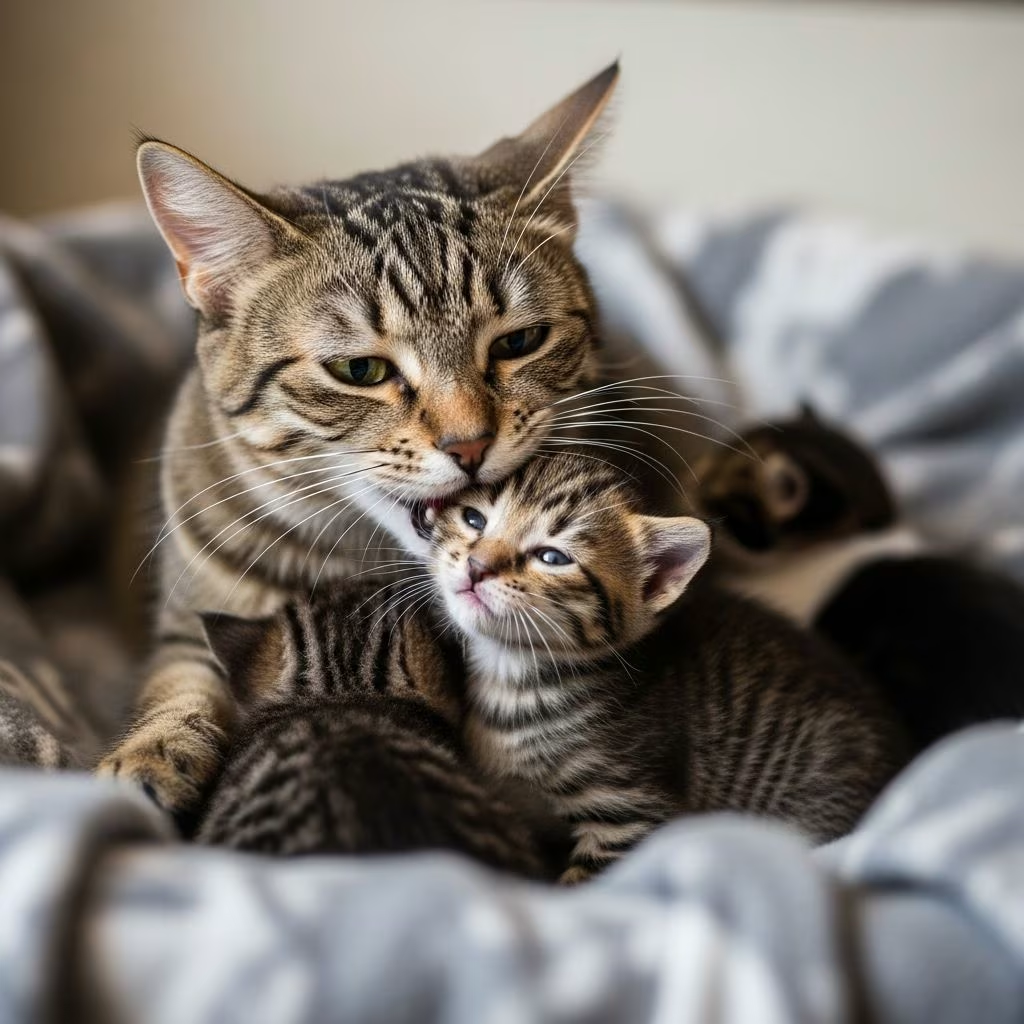
Why Is My Cat Biting Her Kittens? Understanding Normal Maternal Behavior
If you’ve observed your mother cat biting her kittens, you may feel concerned about whether this behavior is normal or a sign of a problem. The truth is that cat biting behavior during the nursing and early kitten period can stem from several different causes, and understanding the context is essential for determining whether intervention is necessary. In most cases, maternal biting is a completely normal part of how mother cats, also called queens, care for and interact with their young. However, there are situations where excessive or aggressive biting may indicate stress, health issues, or rejection that warrant veterinary attention.
The Four Main Reasons Your Cat Is Biting Her Kittens
1. Scruffing: A Natural Transportation Method
Scruffing is one of the most common reasons mother cats bite their kittens. Mother cats naturally grab their kittens by the loose skin on the back of their necks when they need to move them from one location to another. This instinctive behavior allows queens to transport multiple kittens safely and efficiently throughout the nest area or when relocating the litter. The skin on the back of a kitten’s neck is particularly loose and designed to tolerate this type of handling without causing pain or injury.
When kittens are very young, they have a natural reflex that causes them to relax and go limp when scruffed. This reflex is an evolutionary adaptation that helps mother cats move their helpless newborns without resistance. However, as kittens grow and develop, they gradually lose this reflex. By the time kittens are several weeks old and can move around more independently, mother cats naturally stop scruffing them as frequently. Once kittens are mobile enough to follow their mother on their own, scruffing becomes less necessary, and the behavior typically diminishes on its own.
If you observe your cat scruffing her kittens, there is generally no reason for concern unless the behavior seems excessively rough or the kittens appear injured. Normal scruffing is gentle and purposeful, designed simply to facilitate movement rather than to cause discomfort.
2. Cleaning and Grooming
Mother cats use gentle nibbling as part of their essential grooming routine. In the first weeks of life, newborn kittens are completely dependent on their mother for all hygiene needs. Mother cats spend significant time licking and nibbling their kittens to keep them clean, which is crucial for their health and development. This grooming behavior serves multiple purposes beyond simple cleanliness.
One important function of maternal grooming is stimulation. Mother cats nibble and lick their kittens’ genital areas to encourage elimination, which is essential for newborn kittens that cannot use the litter box independently. Without this stimulation, kittens cannot properly relieve themselves, making maternal grooming a vital part of their care. Additionally, grooming helps mother cats bond with their kittens through tactile interaction and allows her to monitor the health and condition of each kitten.
Kittens begin learning the basics of self-grooming when they are just a few weeks old. By around 8 weeks of age, most kittens have developed the ability to groom themselves adequately and can manage their own bathroom needs using the litter box. As kittens become more independent in their hygiene habits, mother cats naturally reduce the amount of grooming they perform. The gentle nibbling associated with grooming is a normal, healthy part of feline maternal care and should not cause concern if it appears gentle and caring.
3. Communication and Boundary Setting
Mother cats use gentle nips to communicate with their kittens and teach them important lessons about social interaction. Kittens are naturally curious, energetic, and enthusiastic about exploring their environment. This adorable but sometimes overwhelming energy can occasionally become too much for even the most patient mother cat. When kittens become overstimulated, engage in too-rough play, or venture into dangerous areas, mother cats employ a communication strategy that cat behaviorists describe as gentle nipping.
These quick nips are intended to clearly but kindly communicate a message that translates roughly to “Enough, little one,” or “That’s not acceptable.” This form of communication is similar to how adult cats may gently nip humans to emphasize important requests, such as dinner time. The nips are not meant to cause injury but rather to get the kitten’s attention and reinforce behavioral boundaries. Through repeated gentle corrections, kittens learn to understand their mother’s expectations and begin developing appropriate social skills within feline society.
This teaching method is particularly important because it allows mother cats to establish rules and expectations while still maintaining a nurturing relationship. Kittens learn through these interactions what behaviors are acceptable and what crosses the line into inappropriate conduct. This early education provided by mother cats helps shape kittens into well-adjusted adult cats with proper social understanding.
4. Stress-Related Aggression and Overwhelm
When mother cats become stressed or overwhelmed, they may exhibit more aggressive biting behavior toward their kittens. Not all maternal biting is gentle or purposeful. Some cats, particularly younger or inexperienced mothers, may become anxious or stressed during the nursing period and postpartum recovery. When queens are highly stressed, they can display aggressive behaviors toward their kittens that go beyond the gentle corrections described above.
Common stressors that trigger this type of behavior include noisy or chaotic environments, sudden loud noises, inadequate rest areas, extreme temperatures, and pain or discomfort from the birthing process. Mother cats need quiet, warm, and safe spaces to feel comfortable and secure during labor and in the early weeks after giving birth. Environmental disruptions can seriously compromise their ability to care for kittens effectively and increase their stress levels significantly.
Additionally, inexperienced mothers may struggle with the demands of constant caregiving, particularly if the litter is large or if individual kittens have special needs. Pain from complications during labor, infection, or inadequate milk production can also trigger aggressive responses. If you notice that your cat’s biting behavior seems excessively aggressive, appears to cause injury, or is accompanied by other signs of distress, it’s crucial to contact your veterinarian for guidance and support.
Understanding Kitten Rejection
In some cases, mother cats may reject kittens entirely, which represents a more serious concern than normal biting behavior. Kitten rejection occurs when a mother cat stops caring for or actively excludes one or more kittens from the nest. This behavior can have several different underlying causes that pet owners should understand.
Mother cats may reject kittens with physical abnormalities or health issues that make them seem different or unable to survive. Additionally, if a litter is particularly large and the mother cat doesn’t have sufficient milk production to feed all the kittens adequately, she may instinctively reject the weakest kittens. Some rejected kittens may appear smaller or fail to gain weight at normal rates, making them vulnerable to starvation.
Queens can also stop caring for their kittens when they are overwhelmed by the demands of motherhood, particularly if they are young, inexperienced, or stressed. Health complications after birth, such as infection or pain, can similarly cause mother cats to withdraw from their maternal duties. When rejection occurs, rejected kittens are often placed outside the nest and may be subjected to more aggressive behavior if the mother cat perceives them as bothering her.
If you notice that one or more kittens appear to be rejected, are losing weight, or are being actively prevented from nursing, reach out to your veterinarian immediately. Your vet can evaluate both the mother cat and the kittens to identify any health issues and provide guidance on supplemental feeding or other interventions that may be necessary to ensure the kittens’ survival and health.
How Mother Cats and Kittens Communicate
Understanding the communication methods between mother cats and their kittens provides important context for interpreting maternal biting behavior. Newborn kittens cannot see or hear when they are born, so they rely primarily on their sense of smell to identify their mother and littermates. This fundamental dependence on scent shapes all early interactions between mother and kittens.
Adult cats use scent extensively to navigate their world and identify people, other cats, and familiar environments. It makes evolutionary sense that kittens begin their lives relying on this most developed and reliable sense. The unique scent of their mother provides comfort, security, and guidance during the vulnerable newborn period. As kittens’ vision and hearing develop over the first several weeks of life, other forms of communication become possible, but scent remains a foundational element of mother-kitten bonding throughout their relationship.
The tactile communication that occurs through grooming and gentle corrections also plays a crucial role in mother-kitten interaction. Through physical contact, mother cats convey care, set boundaries, and begin teaching kittens about appropriate behavior. This multifaceted communication system allows mother cats to manage their litters effectively despite the physical and developmental limitations of newborn kittens.
When to Contact Your Veterinarian
While most maternal biting behavior is normal and harmless, certain situations warrant professional veterinary evaluation. Contact your veterinarian if:
- Your cat appears to be rejecting one or more kittens
- Biting behavior seems excessively aggressive or causes visible injury
- Your cat seems overwhelmed, anxious, or unable to adjust to motherhood
- Kittens appear to be failing to gain weight or thrive
- Your cat shows signs of pain, infection, or illness after giving birth
- The mother cat refuses to nurse or interact with her kittens
- You observe blood or serious wounds on any kitten
Your veterinarian can perform a thorough examination of both the mother cat and the kittens to identify any underlying health issues, provide pain management if needed, and offer guidance on proper maternal care. In some cases, supplemental feeding or other interventions may be necessary to ensure all kittens develop healthily.
Creating a Safe Environment for Nursing Mothers
One of the best ways to minimize stress-related aggressive biting is to provide an optimal environment for your nursing mother cat. Pregnant and nursing cats need quiet, warm, and private spaces where they feel safe and secure. This environmental support can significantly reduce stress levels and promote healthy maternal bonding.
Set up a dedicated nesting area away from high-traffic household areas. The space should be warm but not hot, protected from drafts, and equipped with comfortable bedding that can be easily cleaned or replaced. Limit visits from family members, especially young children, and keep noise levels low. Minimize stressful changes to the household routine during the nursing period.
Ensure that the mother cat has easy access to fresh water, appropriate nutrition, and a clean litter box. Many nursing mothers prefer to stay close to their kittens, so having these essentials nearby reduces stress and disruption. Provide elevated perches or escape routes so the mother cat can take breaks from constant kitten contact when needed. These environmental modifications can help prevent the stress-related aggression that leads to concerning biting behavior.
Frequently Asked Questions About Mother Cats Biting Kittens
Q: Is it normal for mother cats to bite their kittens?
A: Yes, some maternal biting is completely normal. Mother cats bite for scruffing, grooming, and communication purposes. The key is understanding the context and ensuring the behavior doesn’t seem excessively aggressive or cause injury.
Q: At what age do mother cats stop biting their kittens?
A: Mother cats naturally reduce scruffing behavior as kittens become more mobile, typically by 4-6 weeks of age. Grooming and gentle communication bites gradually decrease as kittens become more independent, with most kittens being ready to wean by 8-10 weeks.
Q: How can I tell if my cat is being too aggressive with her kittens?
A: Concerning signs include visible wounds or bleeding, kittens crying constantly or hiding away from their mother, kittens failing to gain weight, or the mother cat actively preventing kittens from nursing. If you observe these signs, consult your veterinarian immediately.
Q: Should I separate a mother cat from kittens if she’s biting them?
A: Not unless the behavior is clearly dangerous and causing injury. Separation should only be done on veterinary advice. Instead, try reducing stressors in the environment and monitoring the situation closely. Contact your vet to rule out health issues or maternal complications.
Q: What should I do if my mother cat seems stressed?
A: Provide a quiet, safe nesting space away from disruptions. Minimize handling and visitors during the early nursing period. Ensure she has adequate nutrition, water, and litter box access. Contact your veterinarian if stress-related aggression persists, as medical issues may be contributing.
Q: Can inexperienced mothers be trained to bite less?
A: Younger, inexperienced mothers will naturally adjust their behavior as they become comfortable with motherhood. Providing a stress-free environment and avoiding disruption helps them develop confidence and appropriate caregiving skills.
Conclusion
Cat biting behavior during the nursing period and early kitten development is usually a normal, healthy part of feline motherhood rather than a cause for concern. Mother cats bite their kittens for scruffing and transportation, grooming and stimulation, communication and boundary-setting, and occasionally due to stress or overwhelm. By understanding these different reasons for maternal biting, you can determine whether the behavior is normal or requires veterinary intervention.
The key to supporting healthy mother-kitten relationships is providing an optimal environment, monitoring for signs of rejection or excessive aggression, and maintaining close communication with your veterinarian. With patience and proper care, most mother cats naturally and successfully raise their litters while gradually reducing their use of corrective biting as kittens grow and become more independent. If you ever have concerns about your cat’s maternal behavior or your kittens’ wellbeing, don’t hesitate to reach out to your veterinary professional for guidance and reassurance.
References
- Why Is My Cat Biting Her Kittens? 4 Vet-Reviewed Reasons — Hepper. 2024. https://articles.hepper.com/why-is-my-cat-biting-her-kittens/
- Aggression in Cats — ASPCA Pet Care. 2024. https://www.aspca.org/pet-care/cat-care/common-cat-behavior-issues/aggression-cats
- How to Get Kittens Not to Bite You — The Kitten Lady. 2024. http://www.kittenlady.org/biting
- Kitten Biting Behavior — Creekside Veterinary Hospital. 2024. https://creeksidepetvet.com/kitten-biting-behavior/



