

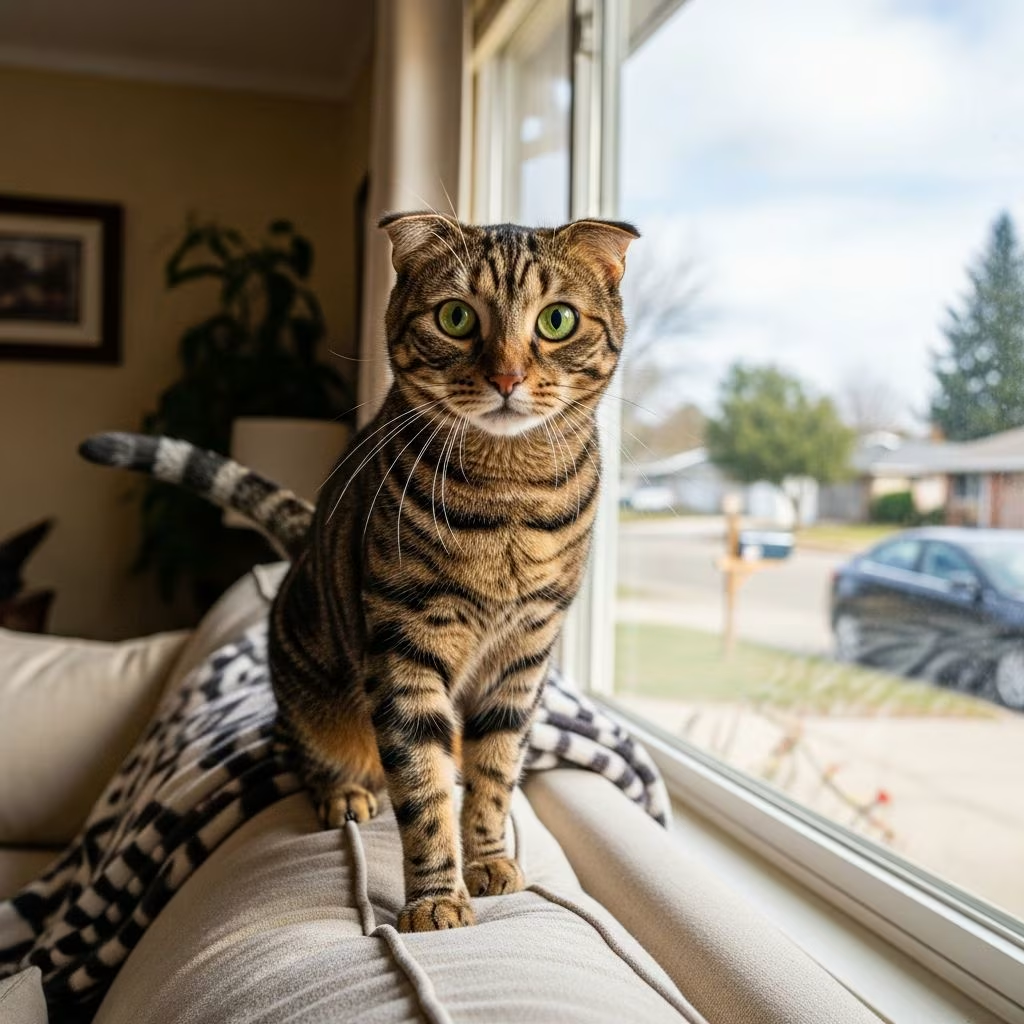
Why Is My Cat Acting Strange After I Come Home From Vacation?
After a relaxing vacation, you’re probably excited to get home and reunite with your beloved feline companion. You open the door with open arms, expecting a warm welcome—but instead, your usually affectionate cat seems distant, aggressive, or withdrawn. If you’re wondering what happened while you were away, you’re not alone. It’s actually quite common for cats to act strangely or aggressively after their owners return from vacation. This behavior can be confusing and even hurtful, but understanding the reasons behind it can help you navigate this challenging transition.
The key to managing this situation lies in recognizing that your cat is sensitive to change. Your absence has disrupted not only their daily routine but also their bond with you. Rather than feeling hurt or rejected, it’s important to approach your cat with patience and understanding. Experts recommend slowly reintroducing yourself to your cat and easing them back into their regular routine. Additionally, taking extra precautions before you leave and during your trip can encourage a warmer welcome when you return home.
What Causes Strange Behavior in Cats After an Absence?
Many people mistakenly believe that cats are too independent or aloof to care about their owners’ comings and goings. However, this couldn’t be further from the truth. Cats are surprisingly social animals that form deep attachments to their human companions. Understanding the specific reasons why your cat acts strangely after you return from vacation can help you respond appropriately and compassionately.
Feline Separation Anxiety
One of the primary reasons cats act strangely after their owners return from vacation is separation anxiety. Many people don’t realize that cats experience separation anxiety similarly to dogs. Dr. Carol Osborne, DVM and founder of Chagrin Falls Veterinary Center & Pet Clinic, confirms that “feline separation anxiety is very serious.” While it’s a well-recognized behavior in dogs, many pet parents and even some veterinarians don’t realize that other pets, including cats, experience it. Cats are indeed social creatures that form deep bonds with their human family members, and being separated from them can cause genuine distress.
When cats experience separation anxiety, they may exhibit various behaviors when their owners are absent. These behaviors can intensify upon your return as your cat processes the emotional roller coaster of your departure and return. Understanding that your cat’s strange behavior is a manifestation of genuine anxiety can help you approach the situation with greater empathy.
Disruption of Routine and Habits
Cats are creatures of habit who thrive on consistency and predictability. Your daily presence creates a structured environment that makes your cat feel secure and safe. When you leave for vacation, this carefully maintained routine is completely disrupted. “Cats are creatures of habit, and when their people leave or if they are boarded, it can be highly disruptive,” explains Dr. Taylor Truitt, DVM and CEO of The Vet Set in Brooklyn, New York.
When you return home, your cat doesn’t immediately recognize that things are back to normal. Instead, they experience yet another jarring change in their environment. This additional disruption to their routine can confuse them and potentially trigger aggressive behavior. Your cat needs time to process that you’ve returned and that their daily schedule will resume its familiar pattern.
Unfamiliar Smells and Sensory Confusion
Another significant factor contributing to strange cat behavior after vacation is the new smells you bring home with you. Cats rely heavily on smell to identify people, objects, and situations in their environment. When you return from a trip, you carry unfamiliar scents from hotels, airplanes, other destinations, and people you’ve encountered. Your cat may not immediately recognize you by your new scent profile.
“Cats know who you are by smell,” explains Pamela Uncles, a certified pet behaviorist at Companion Animal Behavior in Washington, D.C. “When you return from a trip, you smell different, which can cause varying reactions from your cat—including aggression.” This sensory confusion can be genuinely distressing for your feline friend, who relies on familiar scents to feel secure in their environment. The combination of your unfamiliar smell and the change in routine can create a perfect storm of stress for your cat.
Common Behavioral Manifestations
Strange behavior in cats after vacation can take many forms. Some cats act out their anxiety through aggressive behaviors like biting or scratching. Others may hide from their owners or refuse to interact with them. Dr. Osborne notes that cats may also cry and vocalize excessively. In some cases, destructive behavior occurs, though this is less common. Additionally, your cat may exhibit stress-related behaviors such as inappropriate elimination, changes in appetite, or excessive grooming.
How To Calm Your Cat When You Return Home
Returning to a normal routine with your cat after vacation requires patience, understanding, and a strategic approach. By following expert recommendations, you can help your cat readjust more quickly and smoothly.
Let Your Cat Make the First Move
One of the most important things you can do when you return home is to resist the urge to immediately shower your cat with attention and affection. While this might feel counterintuitive, allowing your cat to initiate contact is crucial for their emotional wellbeing. According to Russel Hartstein, CDBC, CPDT-KA, founder of Fun Paw Care in Los Angeles and Miami, “the best thing you can do when you return is to let your cat make the first move toward you.”
If your cat wants to hide, glare at you, or otherwise avoid interaction, allow them to do so. This gives your cat the control they need during this stressful time and allows them to become accustomed to your presence and smell at their own pace. Your patience during this phase demonstrates respect for your cat’s emotional needs and will ultimately strengthen your bond.
Reestablish Familiar Routines
As soon as possible after returning home, resume your cat’s regular routine. This includes scheduled feeding times, playtime, grooming sessions, and any other activities your cat enjoys. Consistency helps your cat feel secure and signals that normalcy has been restored. Engage in familiar activities you used to do together, such as interactive play or grooming sessions. Offer treats and speak to your cat in a calm, soothing voice to reinforce their sense of security.
Provide Space and Freedom to Explore
Give your cat plenty of space to process the changes in their environment. Be affectionate, but avoid forcing interaction or picking up your cat to comfort them. Your cat needs freedom to approach, sniff, and explore you at their own pace. Since you’re carrying unfamiliar scents from your travels, allow your cat to thoroughly investigate these new smells through natural exploration. This helps your cat reestablish their mental map of who you are.
Monitor for Extended Behavior Changes
While temporary behavior changes are normal after your return from vacation, it’s important to monitor your cat for any extended or unusual symptoms. If your cat remains distant for an extended period or you notice other concerning signs such as changes in appetite, grooming habits, or inappropriate elimination, consult a veterinarian. These could indicate underlying health issues or more serious behavioral problems that require professional attention.
Easy Ways to Prepare Your Cat for the Next Time You Leave
While you can’t completely eliminate the stress your cat experiences when you’re away, you can take several proactive steps to minimize it and ensure a smoother reunion when you return.
Pack and Plan With Your Cat in Mind
Begin planning for your trip well in advance, giving yourself plenty of time to prepare without rushing. This extended preparation period helps reduce your own stress and anxiety about leaving your cat. This is important because cats are remarkably perceptive and can pick up on your emotional state. “While cats don’t understand what you say, they are able to recognize emotions,” explains Dr. Osborne. “They may not understand the words, but they have a sixth sense that allows them to recognize fear, anxiety and worry.” By planning ahead and remaining calm, you help your cat feel more at ease about your departure.
Arrange Reliable Cat Sitting or Boarding
Ensure your cat has proper care while you’re away. Whether you hire a professional cat sitter or arrange for a trusted friend or family member to visit, having someone check on your cat regularly helps maintain some continuity of care. Check in with your cat sitter upon your return to learn how your cat behaved while you were away. Take note of any unusual behaviors—such as inappropriate elimination—and keep this information for future reference. This feedback can help you make adjustments for the next trip, such as arranging more frequent visits or exploring alternative care options.
Increase Bonding Time Before and After Travel
Spend extra quality time with your cat in the days before you leave and immediately upon your return. This additional bonding helps reinforce your connection and may help cushion the stress of your absence. Engage in activities your cat enjoys, offer treats, and provide extra affection on your terms (while respecting your cat’s boundaries). This investment of time can make a significant difference in how your cat copes with your absence and how quickly they readjust upon your return.
Create a Comfortable Environment
Ensure your cat has access to all their favorite spots, toys, and comfort items while you’re away. Leave an unwashed piece of your clothing that carries your familiar scent to help your cat feel your presence during your absence. Maintain the same feeding schedule and provide consistent environmental conditions to minimize stress. If your cat uses multiple litter boxes, ensure they are well-maintained and easily accessible.
Frequently Asked Questions
Q: How long does it take for a cat to adjust after their owner returns from vacation?
A: It can take some cats a few days to readjust to the situation, even though it’s a return to normalcy. The timeline varies depending on your cat’s personality, the length of your absence, and how well your cat was cared for while you were away. With patience and consistent interaction, most cats return to normal within a few days to a week.
Q: Is my cat acting strangely because they’re angry at me?
A: While it may feel personal, your cat’s strange behavior is not typically anger in the way humans experience it. Instead, it’s a manifestation of stress, anxiety, confusion, and the need to readjust to your presence. Your cat isn’t punishing you; they’re processing the disruption to their routine and reestablishing their bond with you.
Q: Should I be worried if my cat’s behavior doesn’t return to normal quickly?
A: Temporary behavior changes are completely normal. However, if your cat remains distant for an extended period or exhibits concerning symptoms such as changes in appetite, excessive grooming, or inappropriate elimination that doesn’t resolve, consult a veterinarian. These could indicate underlying health issues or severe behavioral problems requiring professional intervention.
Q: What should I do if my cat becomes aggressive when I return home?
A: Give your cat space and allow them to approach you on their terms. Avoid forcing interaction or attempting to pick them up. Use calm, soothing voice tones and offer treats to create positive associations with your presence. If aggression is severe or persistent, consult with a veterinary behaviorist for professional guidance.
Q: How can I tell if my cat really missed me?
A: Whether your cat greets you with enthusiasm or appears distant, they are showing you that they missed you. Both behaviors indicate that your absence affected them emotionally. Your cat may express their feelings through meowing, wanting to cuddle, being standoffish, or ignoring you—all of these are valid ways cats communicate their emotional state.
Q: Can I prevent my cat from experiencing separation anxiety?
A: While you can’t completely prevent separation anxiety, you can minimize it through proper preparation, reliable pet care, maintaining consistent routines, and spending quality bonding time before and after your absence. Working with a veterinary behaviorist can also help if your cat has severe separation anxiety.
References
- Why Is My Cat Acting Strange After I Come Home From Vacation? — Chewy. 2024. https://www.chewy.com/education/cat/training-and-behavior/why-is-my-cat-acting-strange-after-i-come-home-from-vacation
- Cat Upset You Went Away? How to Help Your Cat Adjust When You’re on Holiday — Cat in a Flat. 2024. https://catinaflat.com/blog/how-to-help-your-cat-adjust-when-youre-on-holiday
- How to Get Back to Normal with Your Cat After Vacation — Whisker. 2024. https://www.whisker.com/blog/how-to-get-back-to-normal-with-your-cat-after-vacation
- Why is my cat avoiding me and acting distant after I returned from a vacation? — DialAVet. 2024. https://www.dialavet.com/vet-answers/cat-acting-distant-after-vacation-20278



