

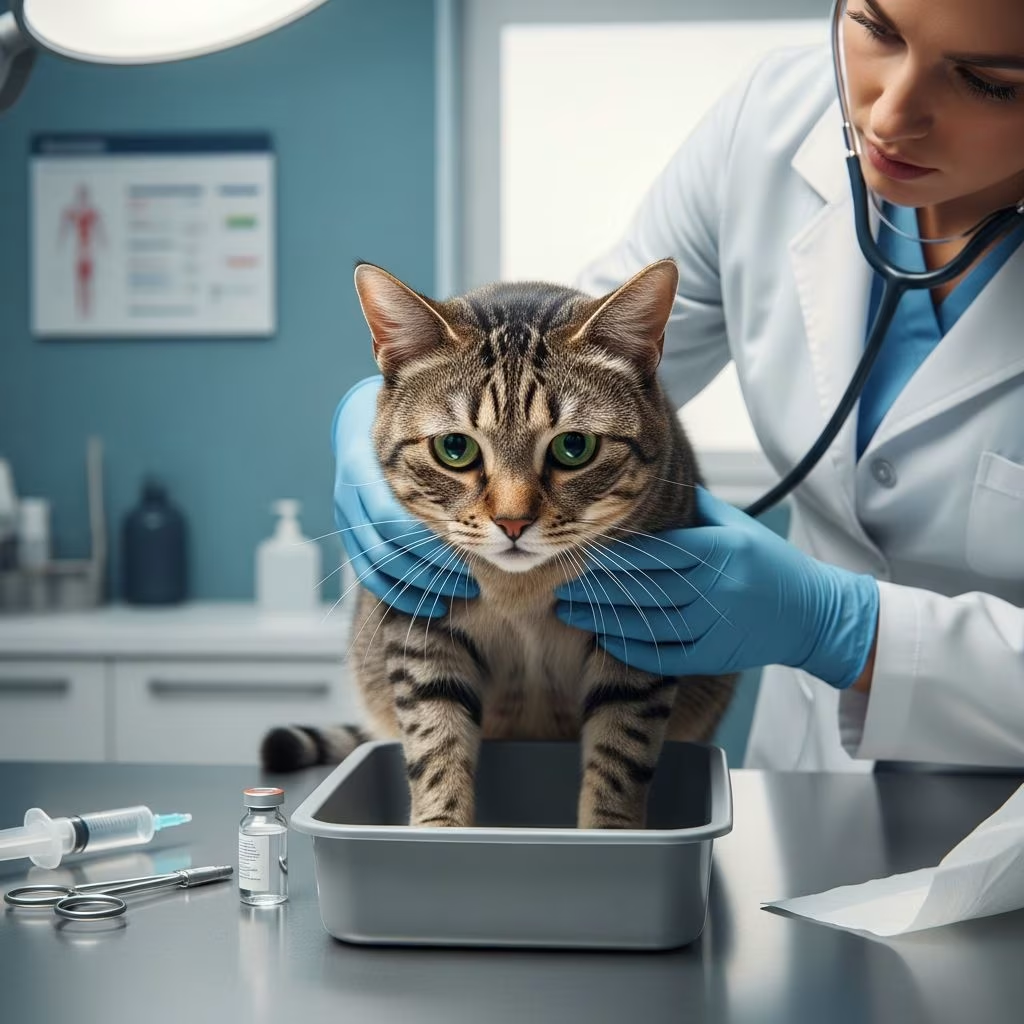
A cat unable to urinate faces a life-threatening emergency known as a urethral obstruction or “blocked cat,” where urine cannot exit the bladder due to blockages in the narrow urethra, most common in males.
This condition causes rapid buildup of toxins, leading to kidney failure, electrolyte imbalances, and death if untreated. Immediate veterinary intervention is essential, as delays beyond 24-48 hours are often fatal.
What Does It Mean If My Cat Can’t Pee?
When a cat can’t pee, the urethra—the tube connecting the bladder to the outside—is obstructed, trapping urine and causing intense pain, bladder distension, and systemic toxicity.
Male cats are predominantly affected due to their longer, narrower urethras compared to females, though females can also experience blockages from similar causes.
Symptoms escalate quickly: within hours, cats show distress, and by 12-24 hours, severe complications like bladder rupture or heart arrhythmias from hyperkalemia (high potassium) can occur.
Why Is My Cat Straining To Pee But Nothing Comes Out?
Straining to pee with no urine output indicates a complete urethral blockage, where the cat instinctively tries to void but cannot due to obstruction.
This differs from partial blockages or infections, where small amounts may pass. The straining reflects bladder pressure buildup and spasms, causing agony.
- Frequent litter box visits: 10-20 times per hour, producing drops or nothing.
- Vocalizing or crying: Yowling from pain during attempts.
- Posturing without production: Squatting repeatedly with no relief.
Owners often mistake this for constipation, but palpating a firm, distended bladder confirms urinary distress.
Symptoms of a Blocked Cat
Recognizing a blocked cat saves lives. Key symptoms include:
- Straining in the litter box with little/no urine
- Frequent, unproductive litter box trips
- Crying, meowing, or vocalizing while straining
- Excessive genital licking
- Blood in urine (hematuria) if partial flow
- Lethargy, weakness, or hiding
- Vomiting or nausea from toxin buildup
- Restlessness, panting, or abdominal pain
- Collapsed posture or inability to stand after 24+ hours
A bloated, painful abdomen on palpation is a red flag—rush to an emergency vet.
Causes of Urinary Blockage in Cats
Multiple factors cause urethral obstructions:
| Cause | Description | Prevalence |
|---|---|---|
| Urethral Plugs | Mucus, crystals, and cells form gel-like blockages; #1 cause in males. | Most common |
| Stones (Uroliths) | Mineral crystals (struvite, calcium oxalate) lodge in urethra. | Common |
| FLUTD/FIC | Feline Lower Urinary Tract Disease/Idiopathic Cystitis: stress-induced inflammation/spasms. | 60-70% cases |
| Infections (UTI/Cystitis) | Bacterial inflammation, crystals from pH imbalance. | Less common in cats |
| Spinal/Neurological | Nerve damage impairs bladder control. | Rare |
| Cancer/Tumors | Urethral or bladder masses block flow. | Rare |
| Prostate (Males) | Enlargement compresses urethra. | Uncommon |
Stress, diet, obesity, and dehydration exacerbate risks, promoting crystal formation.
Is It an Emergency If My Cat Can’t Pee?
Yes—100% emergency. Untreated blockages cause:
- Within 6-12 hours: Severe pain, hyperkalemia causing heart issues.
- 24 hours: Kidney damage, azotemia (toxin buildup).
- 48 hours: Bladder rupture, peritonitis, death.
Even if partial urination occurs, seek immediate vet care. Females block less often but face similar risks.
Diagnosis of Cat Urinary Blockage
Vets diagnose via:
- Physical exam: Palpate distended, painful bladder.
- Urinalysis: Check crystals, blood, infection.
- Imaging: X-rays/ultrasound for stones, tumors.
- Bloodwork: Electrolytes, kidney values (BUN/creatinine).
- Cystoscopy: Camera to visualize urethra (advanced cases).
Differentiate from constipation or idiopathic cystitis.
Treatment for Cats Who Can’t Pee
Treatment protocol:
- Immediate catheterization: Sedated urinary catheter to relieve blockage, flush urethra.
- Fluid therapy: IV fluids correct dehydration/electrolytes.
- Pain relief: Opioids, anti-spasmodics.
- Hospitalization: 2-5 days monitoring.
- Perineal urethrostomy (PU): Surgery for recurrent males, widening urethra.
Antibiotics if infection present; dietary changes post-discharge.
Recovery and Prevention
Recovery: Most cats urinate within hours post-catheter; full recovery in days with monitoring.
Prevention strategies:
- Increase water intake: Fountains, wet food.
- Prescription urinary diets: Dissolve crystals, acidify urine.
- Stress reduction: Pheromones, play, routine.
- Weight management: Obesity worsens risk.
- Regular vet checkups: Early FLUTD detection.
Recurrence rate: 15-50% without prevention; PU surgery reduces to <10%.
Frequently Asked Questions (FAQs)
How long can a cat go without peeing before it’s dangerous?
24-48 hours max; seek help if no urine in 12 hours with straining.
Why do male cats block more often?
Narrower, longer urethra traps plugs/stones easily.
Can female cats get blocked?
Yes, but rarer due to shorter urethra; stones/inflammation possible.
What if my cat is peeing small amounts but straining?
Partial blockage—still urgent, can fully obstruct.
Does stress cause blockages?
Yes, via FIC/FLUTD triggering spasms and crystals.
Is surgery always needed?
No, first-line is catheterization; surgery for repeat offenders.
This comprehensive guide equips cat owners to act swiftly. Monitor litter habits daily—early detection prevents tragedy. Consult your vet for personalized advice.
References
- Cat Can’t Pee? Causes and When To Bring Your Cat to the Vet — PetMD. 2023. https://www.petmd.com/cat/symptom/cat-cant-pee
- What You Need to Know About Why Your Cat Can’t Pee — Emergency Veterinary Care Centers. 2022. https://evcc.com/blog/cat-having-problems-urinating-why-your-cat-cant-pee/
- Urinary Blockages in Cats: Symptoms, Causes, and Urgent Care — Lewiston Vet Clinic. 2024. https://lewistonvetclinic.com/urinary-blockages-in-cats-symptoms-causes-and-urgent-care/
- Urine problems in cats — PDSA. 2023. https://www.pdsa.org.uk/pet-help-and-advice/pet-health-hub/symptoms/urine-problems-in-cats
- Feline lower urinary tract disease (FLUTD) — AVMA. 2024. https://www.avma.org/resources-tools/pet-owners/petcare/feline-lower-urinary-tract-disease
- Urinary Obstruction in Male Cats — American College of Veterinary Surgeons (ACVS). 2023. https://www.acvs.org/small-animal/urinary-obstruction-in-male-cats/



