

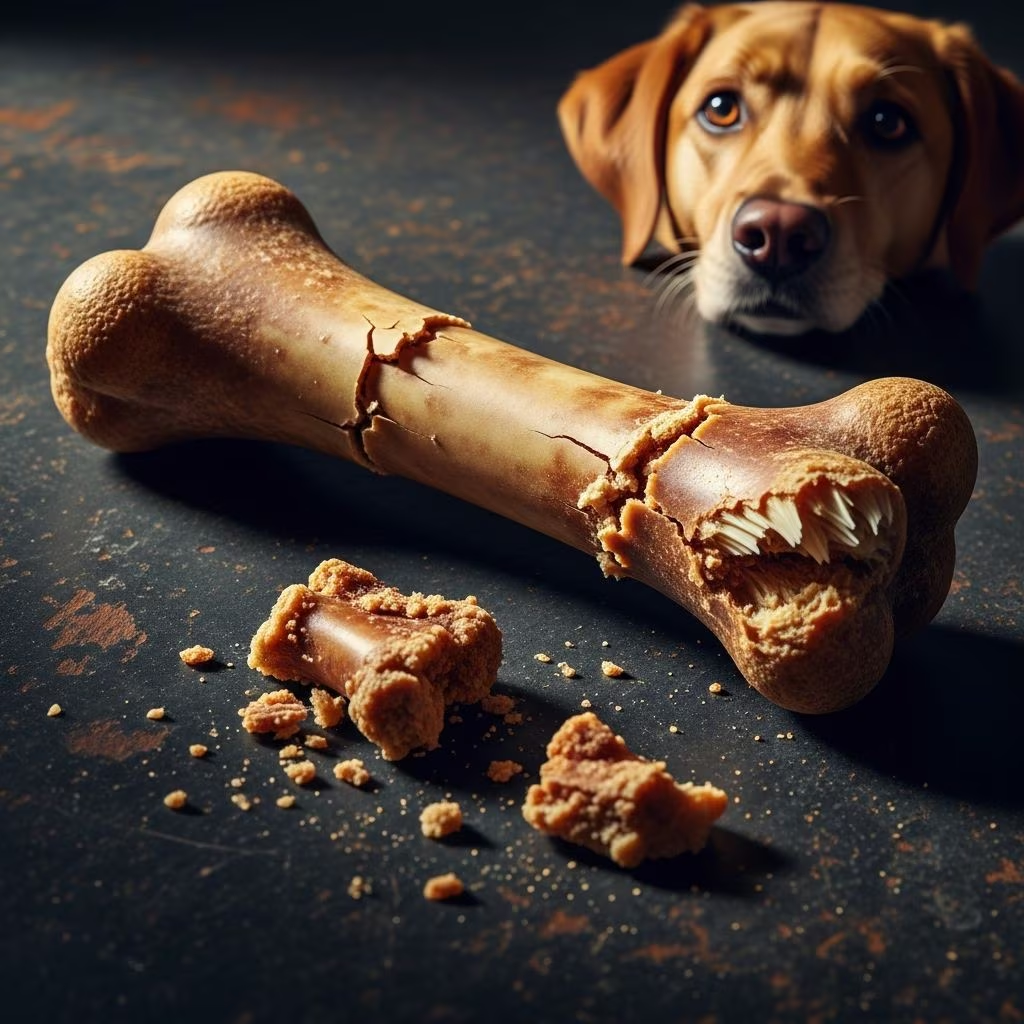
Why Bones Are Not Safe for Dogs
Many dog owners believe that giving their pets bones is a natural and beneficial treat. However, veterinary experts strongly caution against this practice. Bones, whether cooked or raw, pose significant health risks to dogs that can result in emergency veterinary care, expensive surgical procedures, and even life-threatening complications. Understanding these dangers is essential for responsible pet ownership and ensuring your dog’s long-term health and safety.
The risks associated with bones extend far beyond simple digestive upset. Dogs have been brought to emergency veterinary clinics with serious complications from bone consumption, requiring intensive treatment and sometimes surgical intervention. By learning about these dangers and adopting safer alternatives, you can protect your beloved companion from preventable harm.
The Multiple Dangers of Bones for Dogs
Bones present a variety of hazards that affect different parts of your dog’s body and digestive system. Each risk requires careful consideration when deciding what treats to offer your pet.
Splintering and Internal Injuries
One of the primary dangers of bones is their tendency to splinter into sharp shards. Cooked bones are particularly susceptible to this problem because the cooking process makes them brittle and more prone to breaking apart. When a dog chews on bones, fragments can break off and cause serious damage throughout the digestive tract. These sharp pieces can lacerate the mouth, throat, esophagus, stomach lining, and intestinal walls, leading to internal bleeding and severe pain. Raw bones, while slightly less brittle than cooked ones, still pose significant splintering risks, especially for aggressive chewers.
The damage from bone splinters is not always immediately apparent. Some dogs may experience minor inflammation that goes unnoticed, while others suffer severe injuries requiring emergency intervention. The unpredictability of bone-related injuries makes prevention through avoidance the most responsible approach to pet care.
Choking Hazards
Choking represents an immediate and life-threatening risk when dogs consume bones. Dogs can attempt to swallow large bone pieces whole or may have bone fragments lodge in their throat or esophagus. Circular bones, particularly from poultry, can become caught around the lower jaw, creating an emergency situation that often requires professional extraction. Bones lodged in the roof of the mouth are also common emergencies seen in veterinary practices.
Small breed dogs and brachycephalic breeds (those with shortened muzzles like French Bulldogs and Pugs) face heightened choking risks due to their narrower airways. A bone lodged in the trachea of these breeds can cause suffocation, making the situation even more critical and time-sensitive.
Gastrointestinal Obstructions
When dogs swallow bone fragments, either individually or in clumps, these pieces can become lodged in the intestines, causing partial or complete blockages. This represents one of the most serious complications of bone consumption and frequently requires surgical intervention. Gastrointestinal obstructions are medical emergencies that can prove fatal without prompt and appropriate treatment.
The severity of obstructions depends on several factors, including the size of bone fragments, the dog’s digestive anatomy, and how quickly the blockage is identified and treated. Dehydration can exacerbate blockages by causing bone pieces to become even more firmly lodged in the colon or intestines.
Dental Damage from Bone Chewing
Beyond internal injuries, bones cause significant damage to dogs’ teeth. The extreme hardness of bones, especially when combined with a dog’s powerful chewing force, frequently results in fractured or broken teeth. This is a common problem identified during veterinary examinations.
Dental fractures cause pain and can lead to infection if the fracture extends deep into the tooth structure, reaching the pulp. Infected teeth may require extraction or costly dental surgery to repair. Some dogs may have chronic pain from dental damage that goes undiagnosed, affecting their quality of life and eating habits. Preventing dental damage through careful selection of appropriate chew toys is far more cost-effective than treating fractures after they occur.
Gastrointestinal Upset and Hemorrhagic Gastroenteritis
Even when bones don’t cause obstructions or immediate injuries, they commonly trigger gastrointestinal distress. Dogs may experience severe vomiting and diarrhea after consuming bones, a condition sometimes accompanied by hemorrhagic gastroenteritis (HGE), where bloody diarrhea indicates inflammation and bleeding in the gastrointestinal tract.
These symptoms can range from mild to severe, with some dogs requiring hospitalization and supportive care including intravenous fluids and medications. The unpredictability of individual responses to bone consumption means that what caused minor upset in one dog might trigger a life-threatening emergency in another.
Real-Life Case: Oliver’s Emergency
A five-year-old Beagle mix named Oliver illustrates the serious consequences of bone consumption. His owner had given him store-bought bones multiple times without incident, leading her to believe the practice was safe. However, when Oliver consumed an entire cooked hambone as a Thanksgiving treat in less than thirty minutes, the situation quickly became critical.
Within hours, Oliver began straining to pass stool. By the next day, he was vomiting, and his owner rushed him to an emergency veterinary facility. The veterinary team determined that bone fragments had lodged in his colon, creating a blockage. Treatment began with enemas and rehydration, as dehydration was causing the bone pieces to become increasingly impacted.
Oliver underwent six enemas and was being prepared for sedation to mechanically break up the blockage when he finally managed to have a bowel movement, averting the need for surgery. However, the emergency required multiple treatments, caused significant stress to both dog and owner, and left Oliver shaken and fearful for days following the incident. His owner now refuses to give any bones—cooked, raw, or store-bought—recognizing that the risks are simply not worth taking.
Behavioral Concerns: Resource Guarding
Beyond physical health risks, bones can trigger problematic behavioral responses in dogs. The high value dogs place on bones frequently leads to resource guarding—aggressive behavior aimed at protecting the bone from other animals or people. Even mild-mannered dogs may become unexpectedly aggressive when given a bone, creating dangerous situations in households with children or multiple pets.
This behavioral transformation occurs because dogs view bones as extremely valuable resources worthy of protection. A dog that normally welcomes petting and handling may growl, snap, or bite when approached while in possession of a bone. These behavioral changes can be difficult to manage and may create lasting tension in the household.
Why Cooked Bones Are Particularly Dangerous
While both raw and cooked bones pose risks, cooked bones present heightened dangers. The cooking process fundamentally alters bone structure, making bones brittle and far more likely to splinter into sharp fragments. Cooked bones lose moisture and become dense and hard, increasing the likelihood that they will break apart during chewing rather than remain intact.
Additionally, cooked bones are more appealing to dogs due to their taste and aroma, making dogs more likely to consume them enthusiastically and completely, rather than simply chewing them over time. This increased consumption rate elevates the risk of obstruction and other serious complications.
Warning Signs of Bone-Related Complications
If your dog has consumed bones, watch carefully for these warning signs:
Immediate symptoms:
– Difficulty swallowing or drooling excessively
– Choking or gagging sounds
– Pawing at the mouth with both front paws
– Vomiting or repeated attempts to vomit
– Loss of appetite or refusal to eat
– Severe abdominal pain or sensitivity to touch
Delayed symptoms:
– Constipation or straining to defecate
– Diarrhea, especially with blood present
– Lethargy or unusual tiredness
– Dehydration (dry gums, reduced urine output)
– Behavioral changes or anxiety
If you observe any of these symptoms, contact your veterinarian immediately. In cases of acute choking or severe distress, seek emergency veterinary care without delay.
Safer Alternatives to Bones
Fortunately, numerous safe chewing options exist that satisfy dogs’ natural urge to chew without the associated dangers of bones. Veterinarians recommend semi-soft, semi-flexible chew toys that provide entertainment value while protecting teeth and digestive health.
Recommended safe chew options include:
– Rubber or nylon chew toys specifically designed for dogs
– Rope toys that can be supervised during use
– Plush toys for gentler chewing
– Puzzle toys filled with appropriate treats
– Rubber Kong-style toys that can be filled with peanut butter or frozen treats
– Dental chew toys designed to promote oral health
– Edible chews made from compressed natural materials (always verify safety)
– Antlers or yak chews as occasional alternatives (though some dogs may fracture teeth on these as well)
When selecting chew toys, ensure they are appropriately sized for your dog—large enough that they cannot be swallowed whole, yet small enough to manipulate comfortably. Supervise chewing sessions, especially with new toys, and replace toys that show signs of deterioration or damage.
The Natural Instinct to Bury Bones
Many dog owners observe their pets burying bones in the yard and assume this behavior indicates satisfaction with the treat. However, this instinct is rooted in ancestral canine behavior where wild ancestors would protect and store valuable resources. While the burying behavior itself is generally harmless and natural, it represents an opportunity to redirect your dog toward safer alternatives.
Rather than providing bones for your dog to bury, offer safe chew toys or treats that satisfy the same protective instinct without the associated health risks. This approach honors your dog’s natural behaviors while eliminating dangerous practices.
What Veterinarians Recommend
Leading veterinary organizations and emergency clinics universally recommend against giving bones to dogs. Dr. Melissa Mays, Chief of Emergency at a regional veterinary emergency facility, emphasizes that raw and cooked bones carry substantial risks of gastrointestinal upset, obstruction, and dental damage. She and other veterinary professionals strongly advocate for eliminating bones from dogs’ diets entirely and replacing them with safe chewing alternatives.
Veterinarians note that while domestic dogs descended from wolves that consumed raw carcasses including bones, modern domestic dogs lack the digestive adaptations to safely process bones without complications. Modern veterinary emergency clinics treat bone-related emergencies regularly, with cases presenting every one to two months, underscoring the frequency and severity of complications.
Frequently Asked Questions
Q: Can dogs digest bones safely?
A: While some bone material may pass through a dog’s system without obvious problems, this does not mean it is safe. Even fragments that pass may cause internal injuries, GI upset, or dental damage. The risk of serious complications far outweighs any perceived benefit.
Q: Are raw bones safer than cooked bones?
A: Both raw and cooked bones present significant risks. While cooked bones are more brittle and prone to splintering, raw bones can also fragment, splinter, and cause obstruction, choking, and GI upset. Neither should be given to dogs.
Q: What should I do if my dog swallows a bone?
A: Contact your veterinarian immediately, even if your dog appears fine. Describe the type and size of bone consumed. Your veterinarian may recommend monitoring at home or may want to examine your dog. Seek emergency care if your dog shows signs of choking, vomiting, or abdominal distress.
Q: If I see a bone lodged in my dog’s mouth, how should I remove it?
A: Do not attempt aggressive removal that could cause further injury. If you can see the object clearly and your dog is calm, you may carefully try to extract it with pliers or forceps. However, professional veterinary removal is safer and often necessary. Call your vet immediately for guidance.
Q: Are there any bones that are safe for dogs?
A: No bones are completely safe for dogs. While some dogs may consume small amounts without obvious complications, the potential for serious injury means that avoiding bones entirely is the only truly safe approach.
Q: How can I satisfy my dog’s natural chewing instinct safely?
A: Provide a variety of safe chew toys, rubber toys, rope toys, and puzzle toys. Rotate toys to maintain interest, supervise chewing sessions, and choose toys appropriate for your dog’s size and chewing intensity. This satisfies natural instincts while protecting health.
References
- Are Bones Your Dog’s Most Dangerous Treat? — VCA Animal Hospitals. Accessed November 2025. https://vcahospitals.com/vca-voice/oliver
- Are Bones Bad for Dogs? Understanding the Risks and Safety — Petful. Accessed November 2025. https://www.petful.com/pet-health/are-bones-bad-for-dogs/
- Why Do Dogs Bury Bones? — VCA Animal Hospitals. Accessed November 2025. https://vcahospitals.com/know-your-pet/why-do-dogs-bury-bones
- Veterinarians warn of the spices and holiday foods that can have serious consequences — AOL Articles. Accessed November 2025. https://www.aol.com/articles/think-twice-letting-pet-eat-191321898.html



