

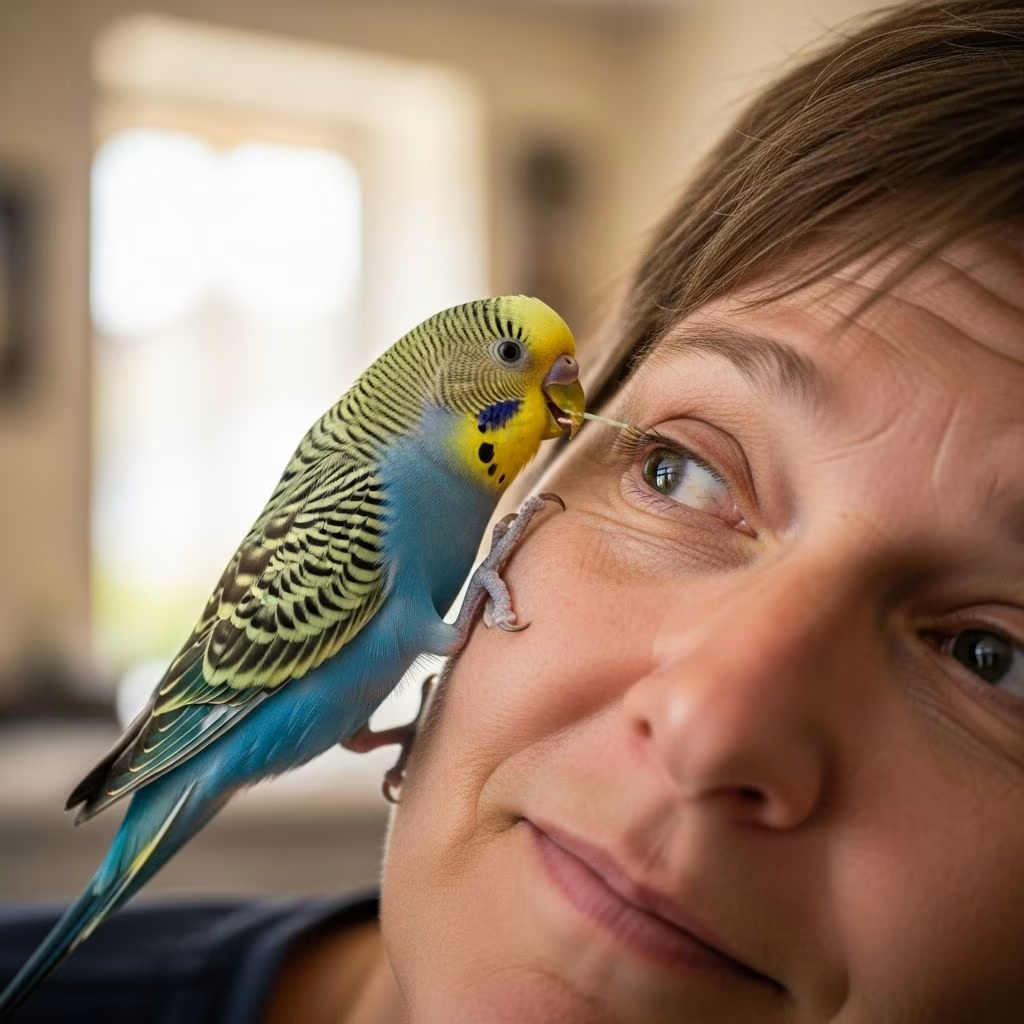
Why Is My Bird Trying to Climb My Face?
If you’ve ever had a pet bird scramble up your arm and onto your face, you might be wondering what on earth is going on in your feathered friend’s head. While it might seem like an odd behavior, birds climb their owners’ faces for several important reasons. Understanding the motivation behind this behavior can help you better interpret your bird’s needs and emotions, and respond appropriately to strengthen your bond.
Seeking Attention and Affection
One of the most common reasons birds climb toward your face is that they’re seeking attention and affection. Birds are social creatures that form strong bonds with their owners, and climbing onto your face puts them close to you—literally face-to-face. This positioning allows them to interact with you more directly and establishes physical contact that many birds crave.
When a bird climbs your face, they may be looking for head scratches, which is a form of grooming and bonding that birds enjoy in social settings. In the wild, birds preen and groom each other as a way to strengthen social bonds and show affection. Your bird may be attempting to recreate this bonding experience with you by getting as close to your face as possible.
Establishing Social Hierarchy and Dominance
Another important reason your bird may be climbing your face relates to social hierarchy. In bird communities, higher perches are associated with higher status and greater authority. By climbing to your face—one of the highest points they can reach on your body—your bird may be attempting to establish themselves as a dominant member of your household flock.
This behavior is particularly common in larger parrot species and can sometimes indicate that a bird is trying to position themselves above you in the social structure. If your bird is frequently climbing to your face and exhibiting other dominant behaviors, it’s important to gently redirect this conduct. Allowing a bird to maintain a position of dominance can lead to behavioral issues such as aggression or excessive possessiveness.
Territorial Behavior and Protection
Climbing to your face can also be a territorial behavior. Birds that feel protective of you or consider you part of their territory may climb to higher positions as a way to survey their surroundings and maintain oversight of their domain. This is particularly true if your bird has bonded strongly with you and views you as their primary social partner.
In some cases, a bird climbing your face might be positioning themselves to protect you from perceived threats or to signal their connection to you to other animals or people in the environment. This behavior demonstrates the strong bonds that pet birds can develop with their owners.
Exploration and Curiosity
Younger birds or birds new to their environment often climb as a form of exploration. Your face, with its unique features including eyes, nose, and mouth, presents an interesting landscape for a curious bird to investigate. This exploratory climbing is generally harmless and reflects your bird’s natural instinct to examine their surroundings thoroughly.
Birds use their beaks and feet to explore objects in their environment, and your face represents something new and interesting to investigate. If this is the primary motivation behind your bird’s face-climbing behavior, it will likely decrease as your bird becomes more familiar with you and their living space.
Signs That Your Bird Is About to Climb Your Face
Before your bird actually climbs to your face, they often display specific body language signals that indicate their intentions. Recognizing these signs can help you anticipate the behavior and decide whether to encourage or redirect it.
Eye Pinning
Eye pinning, where a bird’s pupils rapidly dilate and constrict, is one of the most significant signals that a bird is excited or focused on something. When combined with other behaviors, eye pinning can indicate that your bird is about to climb toward you with enthusiastic intent. This behavior demonstrates heightened emotional engagement and interest.
Head Bobbing
Head bobbing in adult birds often indicates excitement, happiness, or a desire for attention. If your bird is bobbing their head while looking at you, they may be preparing to climb up to your face. This behavior is particularly common in male birds, which may perform more exaggerated head bobbing displays.
Tail Flaring or Wagging
When birds flare or wag their tails while maintaining eye contact with you, they’re typically expressing excitement and positive emotions. This body language frequently precedes climbing behavior as the bird becomes increasingly animated and ready for interaction.
Feather Fluffing
While feather fluffing can indicate various states including being cold or stressed, it can also indicate excitement and preparation for activity. A bird that fluffs their feathers while looking at you may be gearing up for a climb toward your face.
Craning the Neck
Birds that crane their neck—stretching it out while keeping their body relatively still—are typically trying to get a better view of something that interests them. If your bird is craning their neck while focused on your face, they’re likely gathering information before climbing toward you.
How to Respond to Face-Climbing Behavior
Encouraging Appropriate Climbing
If your bird’s face-climbing behavior is motivated by affection seeking and isn’t accompanied by aggressive signals, you can engage with this behavior in a controlled manner. Allow your bird to climb your arm and settle on your shoulder if you’re comfortable with this interaction. You can provide the attention and head scratches your bird is seeking while maintaining some boundaries about where climbing is appropriate.
Redirecting Dominant Behavior
If you suspect your bird is climbing your face to establish dominance, it’s important to gently discourage this behavior. Rather than allowing your bird to perch on your head or face, redirect them to a lower perch such as your hand, arm, or a designated stand. Consistently maintaining these boundaries helps establish a healthy social hierarchy within your household.
Providing Appropriate Outlets
Ensure your bird has plenty of opportunities for climbing and exploration through appropriate means. Providing climbing structures, branches, toys, and varied perching options within their environment allows your bird to satisfy their natural climbing instincts in productive ways. This reduces the motivation to climb on your face as frequently.
Strengthening Your Bond Safely
If your bird is seeking affection through face-climbing, you can strengthen your bond in other ways. Spend quality time with your bird, provide regular head and neck scratches on designated areas, talk to them frequently, and engage in training sessions and play. These interactions fulfill your bird’s social needs without requiring them to climb to your face.
When to Be Concerned About Face-Climbing Behavior
While most face-climbing behavior is harmless or even endearing, there are situations where you should be concerned about what your bird’s actions indicate.
Aggressive Signaling
If your bird is climbing your face while displaying aggressive body language such as eye pinning combined with tail fanning, raised hackles, or beak clicking, they may be attempting to bite or assert dominance aggressively. In these cases, it’s best to avoid allowing the climbing behavior and consider consulting with an avian behaviorist.
Obsessive Climbing
If your bird climbs your face excessively throughout the day despite your redirecting efforts, this could indicate stress, boredom, or an unhealthy dependence on interaction with you. Ensure your bird has sufficient enrichment, social interaction with other birds (if appropriate), and mental stimulation through toys and training.
Sudden Changes in Behavior
If your bird suddenly starts climbing your face when they previously didn’t exhibit this behavior, it could indicate stress, illness, or changes in their environment. Monitor your bird for other signs of distress and consult with an avian veterinarian if you notice sudden behavioral changes.
Understanding Your Bird’s Communication
Climbing your face is ultimately a form of communication from your bird. By understanding the context of this behavior and the body language signals that accompany it, you can better interpret what your bird is trying to tell you. Whether they’re seeking affection, establishing their place in your household hierarchy, or simply exploring, your bird’s climbing behavior reflects their personality and their relationship with you.
The key to managing face-climbing behavior effectively is recognizing the motivation behind it, responding consistently and appropriately, and providing alternative outlets for your bird’s natural behaviors. With patience, understanding, and proper training, you can develop a harmonious relationship with your bird while setting healthy boundaries around what types of climbing behavior you encourage.
Frequently Asked Questions
Q: Is it safe to let my bird climb on my face?
A: Generally, it’s safe if your bird is showing affectionate behavior and you’re comfortable with it. However, for safety and to prevent dominance issues, many bird owners prefer to direct climbing to their arms and shoulders rather than their face. Always watch for aggressive signals.
Q: Why does my bird keep trying to bite my nose?
A: If your bird is biting rather than gently climbing, they may be establishing dominance, feeling threatened, or exploring. This behavior should be redirected immediately. Ensure your bird has enough personal space and redirect climbing to lower perches.
Q: How can I discourage my bird from climbing my face?
A: Redirect your bird to appropriate perches, avoid making climbing your face rewarding (don’t provide excessive attention when they do), provide climbing structures in their environment, and maintain consistent boundaries about where climbing is acceptable.
Q: Does face-climbing mean my bird loves me?
A: Not necessarily exclusively. While affection is one reason birds climb faces, dominance, curiosity, and attention-seeking can also motivate this behavior. Consider the overall context and your bird’s other behaviors to understand their true motivation.
Q: At what age do birds start climbing behaviors?
A: Young birds often start climbing as they develop and explore their environment. This behavior can begin when birds are just a few months old and is a normal part of their development.
Q: Should I allow my bird to perch on my head or shoulder?
A: Many behaviorists recommend avoiding allowing birds to perch on your head or shoulder, as these high perches can reinforce dominance behaviors. Instead, encourage perching on your arm or a designated stand to maintain a healthy social hierarchy.
References
- Bird Body Language 101 — Chewy Education. 2024. https://www.chewy.com/education/bird/training-and-behavior/bird-body-language-101
- Reading Bird Body Language — Mickaboo Companion Bird Rescue and Adoption. 2024. https://mickaboo.org/resources/reading-bird-body-language



