
Why You Shouldn’t Bring Home Chicks or Ducklings This Easter
Learn why baby chicks and ducklings make poor Easter gifts and explore safer pet alternatives.
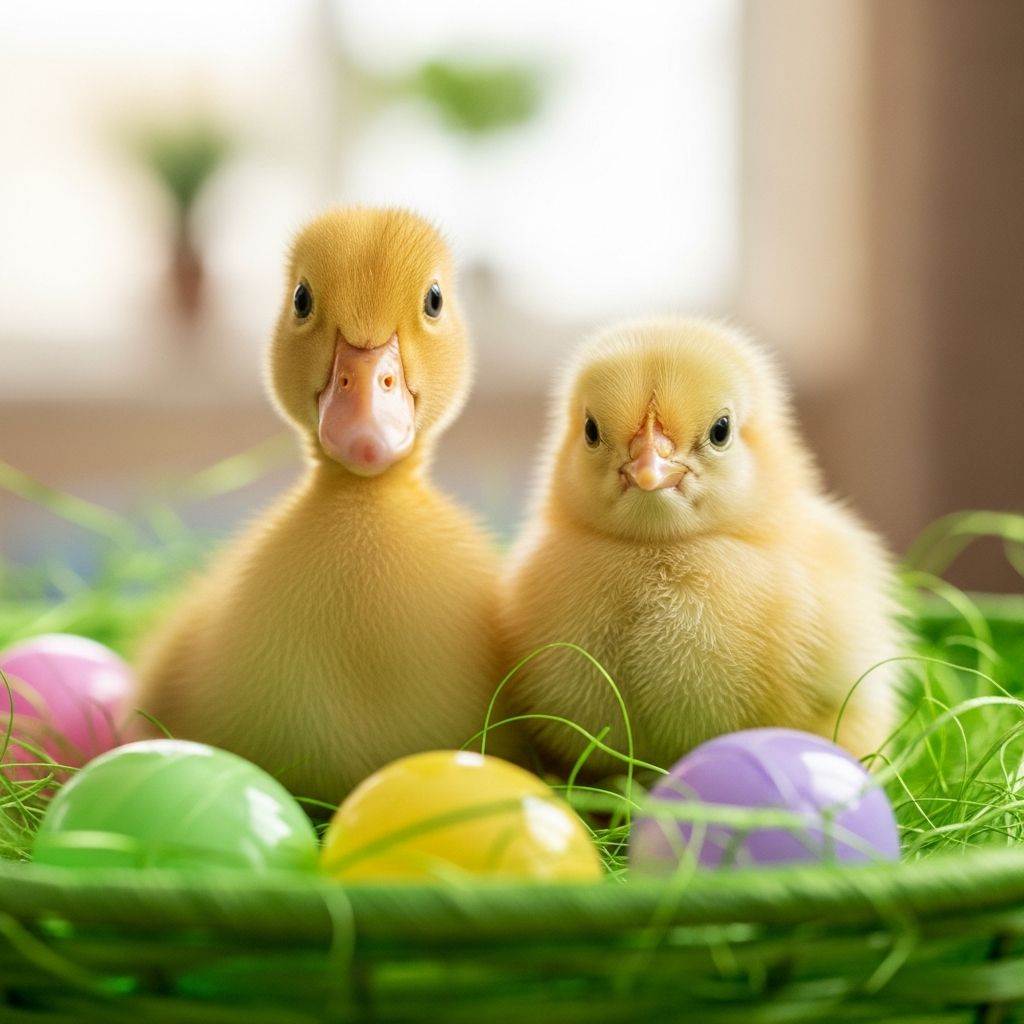
Easter is a time of celebration, family gatherings, and thoughtful gift-giving. While many families look forward to decorating eggs and enjoying festive traditions, one Easter practice has become increasingly controversial and problematic: giving live baby chicks and ducklings as gifts. What may seem like an adorable and whimsical present can actually lead to serious health consequences, animal welfare concerns, and significant long-term care challenges. Understanding why these young birds make poor Easter gifts is essential for protecting both human health and animal well-being.
The Salmonella Risk: A Hidden Health Threat
One of the most significant dangers associated with handling chicks and ducklings is their ability to transmit salmonella and other harmful bacteria. Both chickens and ducks commonly carry salmonella germs in their droppings and on their bodies, even when they appear healthy and clean. This transmission risk extends beyond direct contact with the birds themselves—salmonella can contaminate cages, coops, feed and water dishes, bedding, and any surfaces where the birds live and spend time.
According to the Centers for Disease Control, approximately 400 people die each year from acute salmonellosis. The infection typically causes extreme abdominal upset, including severe diarrhea, fever, and cramping. In vulnerable populations, the illness can become life-threatening. Children under five years old, elderly individuals, and people with compromised immune systems face the highest risk of severe complications from salmonella exposure.
The CDC explicitly recommends that children under five years old should not touch chicks and other poultry. Yet Easter gift-giving traditions often place these birds directly into the hands of young children, creating an unnecessary health hazard. Even brief contact followed by hand-to-mouth behavior can result in infection that may take days to develop, making it difficult for parents to connect the illness to the Easter gift.
Impulsive Purchases Without Proper Preparation
The appeal of brightly colored or adorable baby chicks and ducklings often leads to impulsive purchases without adequate preparation or research. The charm of these young birds can prompt well-meaning relatives to buy them on impulse during Easter shopping trips, without considering the serious commitment involved in their proper care.
Many people underestimate the complexity of raising poultry. They may view chicks and ducklings as temporary Easter decorations or novelty pets, not realizing that these birds will grow into adult chickens and ducks requiring years of dedicated care. Proper poultry management demands specific knowledge, equipment, and resources that most casual buyers do not possess.
The Reality of Long-Term Care Requirements
Raising healthy chicks and ducklings requires significant investment in proper infrastructure and knowledge. These young birds have specific needs that must be met consistently to ensure their survival and well-being.
Housing and Space Needs
Adult chickens and ducks require adequate housing, including a secure chicken coop to protect them from predators and weather. The coop must be properly ventilated, maintained, and regularly cleaned to prevent disease. Additionally, birds need outdoor space to roam and forage. Without proper housing, birds become stressed, susceptible to illness, and prone to behavioral problems.
Temperature and Environmental Control
Young chicks require careful temperature management during their early weeks of life. Ducklings should be kept warm and dry for the first three to four weeks of life until they develop feathers. This requires specialized heating equipment, proper bedding, and consistent monitoring. Temperature fluctuations can quickly become fatal for young birds, making this a critical aspect of care that demands attention and responsibility.
Nutrition and Health Management
Chicks and ducklings require species-appropriate feed formulated to support their growth and development. They need access to fresh water at all times, proper sanitation to prevent disease, and regular health monitoring. Additionally, these birds can carry various parasites that require management and prevention strategies.
Ongoing Expenses
The cost of raising poultry extends beyond the initial purchase price. Feed, housing materials, healthcare, bedding, and equipment represent ongoing expenses that accumulate over years. Many families purchasing Easter chicks underestimate these costs and find themselves unable or unwilling to maintain proper care as expenses mount.
The Problem of Abandonment and Neglect
When the novelty of Easter chicks and ducklings wears off, many families discover they are unprepared for the reality of long-term animal care. This often leads to tragic consequences for the birds. Many chicks will end up abandoned once they molt and lose their bright feathers, which overloads animal shelters and causes chickens to struggle to survive independently in the wild.
Birds purchased as impulse gifts frequently experience poor husbandry conditions, inadequate nutrition, and neglect. These conditions make them susceptible to various diseases that may not be directly caused by dyeing or initial handling, but result from the overall failure to provide proper care. Shelters and rescue organizations report significant increases in abandoned poultry during and after the Easter season, straining resources and creating welfare crises for vulnerable animals.
The Messy Reality of Living with Poultry
Many people are surprised to learn that chicks and ducklings are inherently messy pets. Both birds shed feathers constantly, creating ongoing cleanup challenges. They deposit waste frequently throughout their living spaces and wherever they roam, creating sanitation issues and unpleasant odors.
Ducklings are particularly messy due to their attraction to water and mud. They will create muddy, wet environments wherever they spend time, increasing the difficulty of maintaining clean living conditions and proper hygiene. These practical challenges often catch new bird owners off guard and contribute to their decision to abandon or neglect the animals.
Concerns About Dyed Chicks: Legal and Health Issues
Beyond the general concerns about raising live poultry as pets, there are additional serious issues specifically related to dyed Easter chicks. The practice of dyeing chicks is not healthy for baby chicks and should not be performed at any time. Today, dyed chicks are less popular since the practice has become illegal in many countries and in most of the United States.
How Chicks Are Dyed
Chicks are typically dyed through one of two invasive and harmful methods:
Injecting dye into eggs: Around days 16-18 of incubation, eggs are punctured and dye is injected into the developing embryo. Wax is typically used to seal the hole, and the egg is returned to the incubator. This invasive process compromises the protective shell, allowing bacteria to enter and infect the embryo. Studies have shown that up to 53 percent of embryos can die within five days of bacterial infection. Chicks that do hatch typically die very quickly. Additionally, the injection process can directly injure the developing embryo, resulting in deformities that prevent the chick from hatching successfully.
Spraying dye onto chicks: After hatching, colored dye may be sprayed directly onto chicks. Since dyes are not regulated, the contents used are often unknown and may contain toxins harmful to the chick and potentially to humans who handle them. Spraying causes severe stress to the chick and can allow dye to enter the nose, eyes, and mouth, causing respiratory issues and eye problems. The dye may harden on the chick’s feathers, interfering with normal feather growth and development.
Legal Consequences of Dyeing Chicks
Forty-five states in the United States, plus the District of Columbia, have laws to protect chicks from being dyed, whether at a state or county level. The laws and penalties vary significantly by jurisdiction. Three states consider the dyeing, sale, exchange, and possession of dyed chicks a misdemeanor. In New York, breaking the law regarding dyed chicks is punishable with up to one year in prison. These laws exist not only to reduce animal cruelty and abandonment but also to protect public health from illness outbreaks spread by mass-produced chicks.
Health Consequences of the Dyeing Process
Beyond the immediate stress and pain of the dyeing process itself, the practice causes serious long-term health consequences. Since the dye used is not regulated, it can contain substances toxic to chicks and potentially to humans. If you have a chick or chicken that has been dyed, you should never consume eggs or meat from them, as the toxins may have accumulated in the animal’s tissues.
The combination of dyeing damage, poor husbandry from impulsive purchasing, and lack of proper care often results in significantly shortened lifespans for these birds. Many dyed chicks experience multiple health challenges that compound over time, making their lives difficult and compromising their well-being.
Better Easter Gift Alternatives for Families
Instead of bringing home live chicks or ducklings, families can celebrate Easter with safer, more appropriate alternatives that don’t compromise animal welfare or human health:
Egg-based activities: Easter eggs remain a beloved tradition. Families can engage in egg dyeing, egg hunts, and egg-themed crafts without the health and care concerns associated with live birds.
Chocolate and candy treats: Age-appropriate Easter candies and chocolates provide festive enjoyment without long-term care requirements or health risks.
Easter decorations: Decorative items, artwork, and spring-themed home décor celebrate the season without introducing new responsibilities or health hazards.
Books and educational materials: Age-appropriate books about birds, nature, and farm animals provide educational value while satisfying curiosity about poultry.
Experience gifts: Visiting petting zoos, farms, or nature centers allows families to interact with animals in appropriate supervised settings without the responsibility of ownership.
Established pet adoption: If a family is truly ready for a pet, adopting an established adult animal that is already socialized and past the fragile young stage is a more responsible choice than impulse-purchasing baby birds.
Key Takeaways for Responsible Easter Celebrations
It is essential to always do research before purchasing a pet, both for the animal’s safety and for your own health and well-being. Easter gift-giving traditions should prioritize long-term animal welfare and human health over momentary impulses or holiday cuteness.
If you do come into contact with live poultry, wash your hands thoroughly with soap and water immediately after. Do not let children younger than five, elderly persons, or people with weak immune systems handle chicks, ducklings, or other live poultry.
Frequently Asked Questions
Q: Can children ever safely handle baby chicks or ducklings?
A: The CDC recommends that children under five years old should not handle chicks or other poultry. Older children may interact with poultry under close adult supervision in appropriate settings, but hand hygiene after contact is critical.
Q: Are there any safe Easter gifts involving animals?
A: Yes. Age-appropriate gifts include visits to petting zoos or farms, books about animals, or educational materials about poultry. If a family is ready for a long-term pet commitment, adopting an established adult animal is more responsible than impulse-purchasing baby birds.
Q: What should someone do if they already have Easter chicks or ducklings?
A: Provide proper housing, nutrition, and healthcare. If you cannot commit to long-term care, contact local animal rescues or farms that can help rehome the birds appropriately.
Q: Is it illegal to sell dyed chicks?
A: Yes, in most of the United States. Forty-five states plus Washington, D.C. have laws prohibiting the dyeing of chicks. Penalties vary by location and can include fines or even imprisonment.
Q: Can salmonella from chicks make people seriously ill?
A: Yes, especially in vulnerable populations. The CDC reports approximately 400 deaths per year from acute salmonellosis. Children, elderly individuals, and immunocompromised people face the highest risk of severe complications.
Q: Why do so many chicks and ducklings end up abandoned?
A: Many are purchased impulsively as Easter gifts without proper preparation or understanding of long-term care requirements. When families discover the demands and expenses involved, they often abandon the birds, creating shelter overcrowding and animal welfare crises.
References
- Why Dyed Easter Chicks Aren’t Healthy — PetMD. Accessed November 2025. https://www.petmd.com/bird/why-dyed-easter-chicks-arent-healthy
- Dye the Easter Eggs, but Don’t Handle the Chicks — Tennessee Department of Health. 2015-03-23. https://www.tn.gov/news/2015/3/23/dye-the-easter-eggs-but-dont-handle-the-chicks.html
- Centers for Disease Control and Prevention – Salmonella — CDC.gov. Accessed November 2025. https://www.cdc.gov/salmonella/
- Avoid Chicks and Ducklings This Easter — The Review. 2017-04-07. https://www.the-review.com/story/lifestyle/2017/04/07/avoid-chicks-ducklings-this-easter/19272325007/
- Easter Trivia: Fascinating Facts About Baby Chicks, Ducklings and Bunnies — Vet Street. Accessed November 2025. https://www.vetstreet.com/our-pet-experts/easter-trivia-fascinating-facts-about-baby-chicks-ducklings-and-bunnies
Similar Articles








Read full bio of medha deb


