

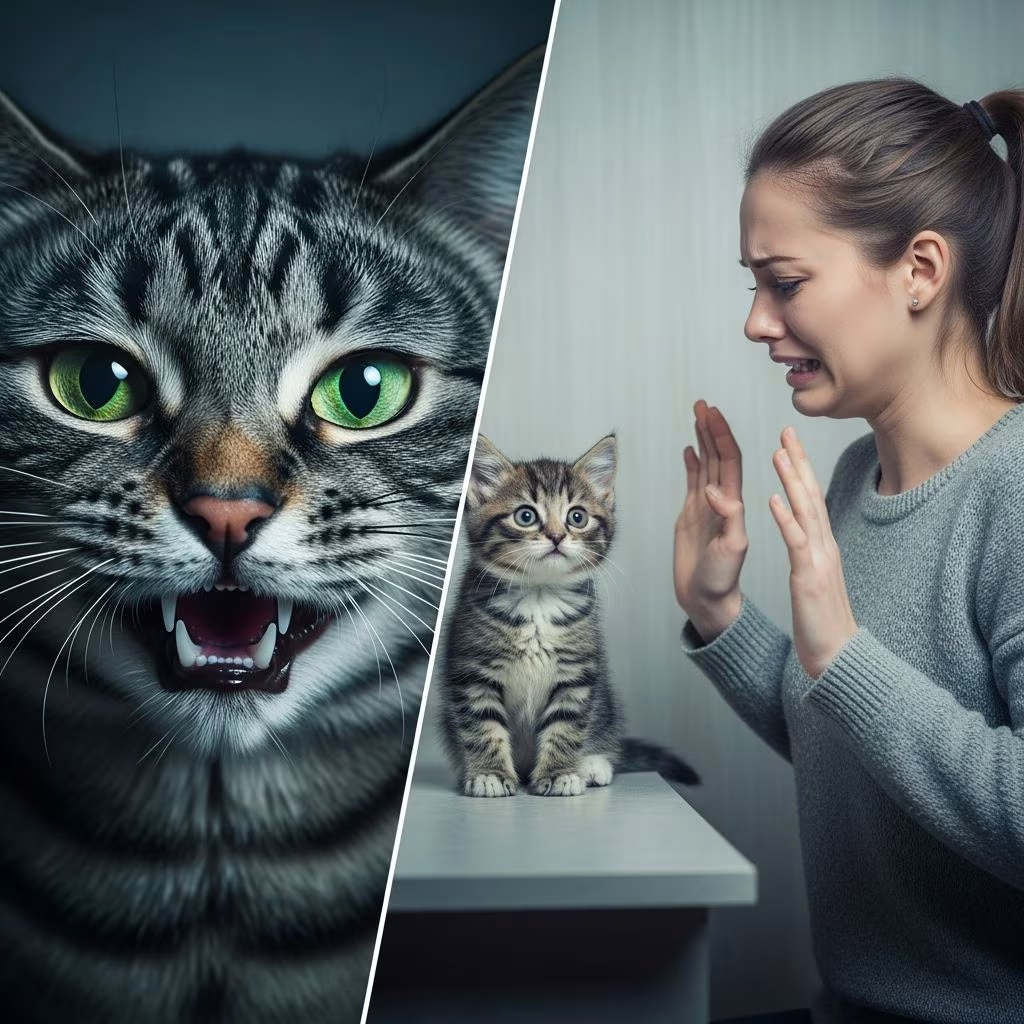
Ailurophobia, the intense fear of cats, affects many despite cats being beloved pets worldwide. This article delves into its causes, symptoms, and treatments while sharing Olga’s unique reactions as a passionate cat owner encountering fearful individuals.
What Is Ailurophobia?
Ailurophobia is an excessive, persistent fear of cats that triggers severe anxiety or panic upon sight, sound, or thought of them. Unlike mild dislike, it leads to avoidance behaviors impacting daily life, such as steering clear of parks or friends with cats.
Symptoms manifest physically and psychologically. Physical signs include rapid heartbeat, sweating, trembling, shortness of breath, chest tightness, dizziness, nausea, and upset stomach. Psychological effects involve overwhelming dread, anticipatory anxiety about cat encounters, and obsessive planning to avoid them.
- Pain or tightness in the chest
- Increased sweating or heartbeat
- Trouble breathing
- Feelings of agitation, dizziness, or nausea
- Trembling and shaking
- Upset stomach when anticipating cat exposure
Diagnosis requires symptoms lasting over six months, marked avoidance, and significant life interference.
Causes of Fear of Cats
The roots of ailurophobia are multifaceted, often tracing to childhood. Common triggers include traumatic events like cat scratches, bites, or witnessing attacks, imprinting fear through conditioning.
Even without direct trauma, fears develop via observation—seeing a family member’s phobia—or cultural influences like superstitions portraying cats as ominous, especially black ones.
Genetic predisposition plays a role; if relatives have phobias, risk increases. Anxious personalities or prior mental health issues heighten vulnerability. Allergies to cat dander can exacerbate fears, blending physical discomfort with psychological aversion.
| Cause Category | Examples | Source |
|---|---|---|
| Traumatic Experience | Scratched or bitten by cat | |
| Observational Learning | Parent’s fear of cats | |
| Genetic/Environmental | Family history of anxiety | |
| Cultural Factors | Superstitions about black cats |
Evolutionary theories suggest innate wariness of hissing sounds resembling snakes, though not all experts agree.
Symptoms and Triggers
Triggers vary: visual cues like fur or eyes, auditory like meowing or hissing, or even imagined presence. Hissing evokes snake-like threats for some, amplifying panic.
Symptoms escalate with proximity; distant cats may cause unease, close encounters provoke full panic. Negative media or stories reinforce fears.
- Sight of cats or kittens
- Hearing meows or hisses
- Touching fur or dander
- Entering potential cat areas
- Thoughts or dreams of cats
How Olga Reacts to People Afraid of Cats
Olga, a devoted cat mom to three felines, encounters ailurophobes frequently. Her initial reaction mixes surprise and empathy, understanding fears stem from past traumas rather than malice toward her pets.
When visitors tense up, Olga calmly secures her cats in another room, explaining, “I get it—my friend’s childhood scratch left lasting scars.” She shares facts: cats hiss defensively, not aggressively, and most are gentle with respect.
Olga avoids forcing interactions, knowing exposure without readiness worsens phobias. Instead, she shows videos of calm cats or discusses breeds less intimidating, like Ragdolls. Her patience often sparks curiosity, with some overcoming fears over time.
In one instance, a colleague panicked at a meow; Olga reassured, “They’re just saying hi,” diffusing tension. Olga advocates education: “Knowledge demystifies—cats aren’t monsters.” Her approach fosters understanding between cat lovers and the fearful.
Treatment Options for Ailurophobia
Effective treatments exist. Cognitive Behavioral Therapy (CBT) identifies and reframes negative thoughts, like “All cats attack,” to balanced views.
Exposure therapy, particularly systematic desensitization, gradually introduces cats—from images to supervised visits—paired with relaxation techniques like deep breathing.
Medication like anti-anxiety drugs aids severe cases, but therapy is primary. Self-help includes challenging superstitions, mindfulness, and gradual exposure.
- Challenge negative thoughts: Remind yourself cats pose minimal threat.
- Avoid triggers initially: Steer clear of cat-heavy areas.
- Practice relaxation: Breathing exercises during anxiety spikes.
- Seek professional help: Therapists specializing in phobias.
Overcoming Ailurophobia: Success Stories
Many conquer fears. One, via CBT, progressed from cat avoidance to pet ownership. Olga’s influence helped a friend pet a kitten after sessions, exclaiming, “It’s softer than expected!” Gradual steps build confidence.
Cats’ Perspective: Why They Might Seem Scary
Cats’ aloofness, sharp claws, and unpredictable moods fuel fears. Hissing signals boundaries, not hatred. Understanding body language—tail twitches mean irritation—prevents mishaps.
Socialization matters; poorly socialized cats may fear humans, creating tense dynamics.
Frequently Asked Questions (FAQs)
Q: Can ailurophobia develop without trauma?
A: Yes, through genetics, observation, or cultural influences, even absent direct negative experiences.
Q: How common is fear of cats?
A: Specific phobias like ailurophobia affect 7-9% of people, often starting in childhood.
Q: Is exposure therapy safe?
A: When gradual and supervised, yes; it retrains the brain to relax around cats.
Q: Do allergies cause ailurophobia?
A: Allergies can contribute but don’t solely cause phobia; psychological factors dominate.
Q: How does Olga handle cat-fearful guests?
A: She empathizes, isolates cats, educates gently, and respects boundaries to ease anxiety.
Conclusion: Bridging the Gap
Understanding ailurophobia empowers empathy. Whether you’re Olga reassuring a friend or seeking treatment, knowledge heals divides between humans and cats.
References
- What is Ailurophobia? | Symptoms, triggers, causes & treatment — CPD Online. 2023. https://cpdonline.co.uk/knowledge-base/mental-health/what-is-ailurophobia/
- Ailurophobia, or Fear of Cats: Symptoms, Causes, Treatment — Healthline. 2023-10-12. https://www.healthline.com/health/ailurophobia
- Ailurophobia — Wikipedia. 2024. https://en.wikipedia.org/wiki/Ailurophobia
- Why are some people afraid of cats? — Diseases of Modern Life, University of Oxford. 2015. https://diseasesofmodernlife.web.ox.ac.uk/article/why-are-some-people-afraid-of-cats
- Understanding Ailurophobia: The Fear of Cats — Hill’s Pet. 2023. https://www.hillspet.com/cat-care/resources/ailurophobia-and-cat-phobia



