

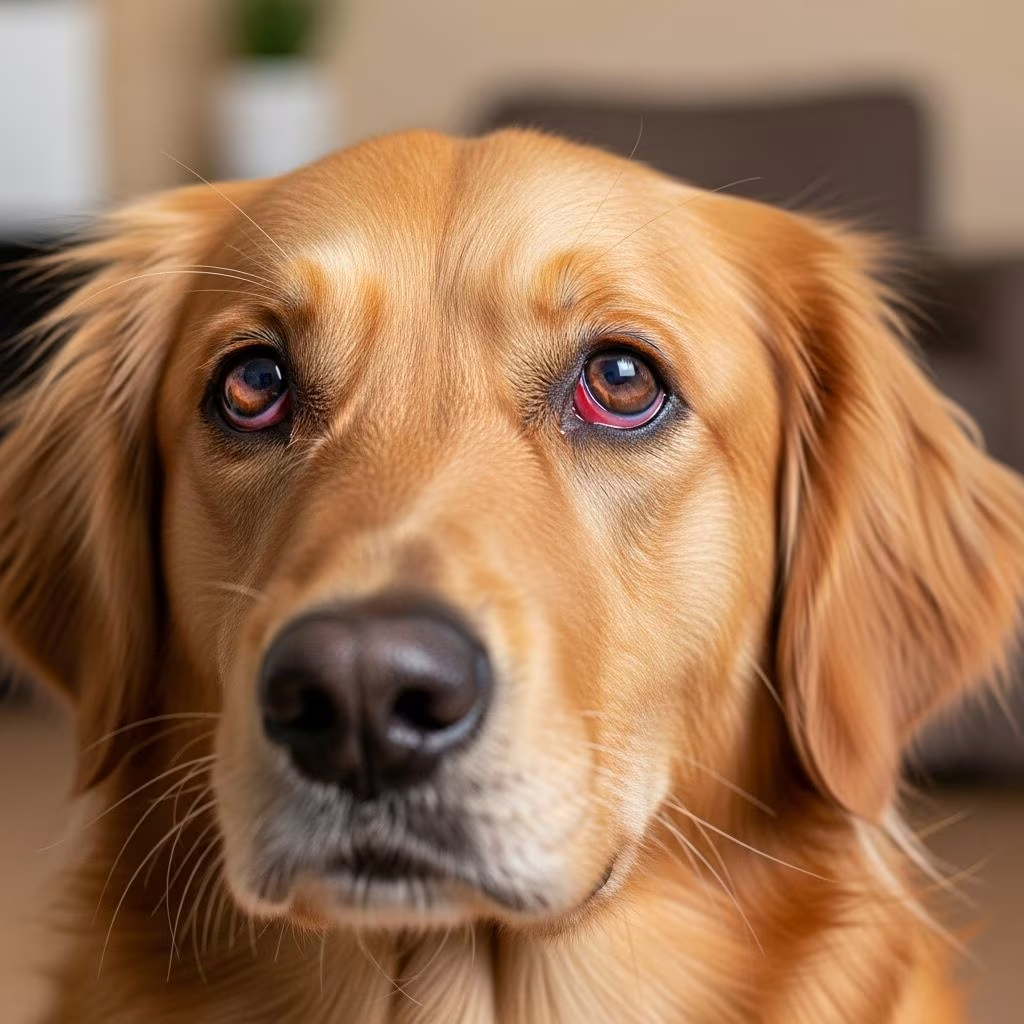
If you’ve noticed your dog’s eyes looking red or bloodshot, it’s natural to feel concerned about your pet’s health and comfort. Red eyes in dogs can result from various causes, ranging from minor irritants to more serious medical conditions that require veterinary attention. Understanding what might be causing your dog’s eye redness is the first step toward ensuring they receive appropriate care and relief.
Dog eyes are remarkably sensitive and can be affected by a wide range of conditions, from temporary environmental irritations to chronic health issues. The good news is that many causes of red eyes are treatable, and with prompt veterinary care, most dogs recover well. This comprehensive guide explores the most common reasons your dog’s eyes might be red and what you can do about it.
Common Causes of Red Eyes in Dogs
Several conditions can cause your dog’s eyes to appear red or inflamed. Understanding these causes can help you determine when a veterinary visit is necessary and what treatment options might be available.
Allergies and Environmental Irritants
Allergies rank among the most frequent culprits behind red eyes in dogs. Your canine companion can develop allergies to numerous substances, including pollen, dust, mold, grass, and certain food ingredients. When exposed to these allergens, your dog’s eyes may become itchy, watery, and noticeably red.
Environmental irritants also play a significant role in causing eye redness. Household chemicals, smoke, perfumes, air pollution, and chlorine from swimming pools can all irritate your dog’s sensitive eyes. If you notice your dog’s eyes turning red after playtime in grassy areas or outdoor activities, allergies or environmental exposure may be responsible. Many dogs experiencing allergic reactions will paw at their eyes or rub their faces against furniture seeking relief.
Conjunctivitis (Pink Eye)
Conjunctivitis, commonly known as pink eye, occurs when the conjunctiva—the transparent membrane lining the inside of your dog’s eyelids—becomes inflamed. This condition can stem from infections, allergies, injuries, or foreign objects in the eye.
Dogs with conjunctivitis typically display several telltale signs:
- Pink or red eyes with visible redness in the white part of the eye
- Watery, yellow, or green discharge from the eyes
- Swollen or puffy eyelids
- Frequent pawing at the eyes due to discomfort
- Sensitivity to light
- Crusty discharge around the eyelids, especially upon waking
Treatment typically involves antibiotic eye drops or ointments if a bacterial infection is present. Viral conjunctivitis may resolve on its own but requires monitoring. It’s crucial to address conjunctivitis promptly to prevent worsening and to avoid spreading the condition to other pets in your household.
Dry Eye Syndrome (Keratoconjunctivitis Sicca)
Dry eye syndrome, medically known as keratoconjunctivitis sicca (KCS), develops when your dog’s tear glands fail to produce sufficient tears to maintain proper eye moisture. Tears are essential for eye health—they provide lubrication, protect the cornea, carry nutrients, and maintain the balance of beneficial bacteria on the eye surface.
Without adequate tear production, dogs experience:
- Chronic eye redness and inflammation
- Thick, goopy discharge
- Cloudy or pigmented appearance to the eyes
- Discomfort and irritation
- Increased risk of infection
Dry eye syndrome is often associated with autoimmune diseases, where the immune system mistakenly attacks the tear glands. Certain dog breeds, including Cavalier King Charles Spaniels and Bulldogs, are predisposed to this condition. If left untreated, chronic inflammation from dry eye can lead to corneal scarring and permanent vision problems.
Eye Injuries and Trauma
Physical trauma to the eye represents another common cause of redness. Dogs are naturally curious and playful, which sometimes results in accidental eye injuries. Scratches from rough play, encounters with sharp grass or branches, or debris such as dust particles can damage the delicate eye surface.
Signs that your dog may have experienced an eye injury include:
- Sudden onset of eye redness
- Excessive squinting or keeping the eye closed
- Increased tearing or discharge
- Visible scratches or cloudiness on the cornea
- Intense pawing at the affected eye
- Signs of pain or discomfort
Eye injuries can range from minor corneal scratches to more severe corneal ulcers or lacerations. Prompt veterinary care is essential to prevent infection and further damage. Your veterinarian may prescribe antibiotic eye drops, anti-inflammatory medications, and recommend using an Elizabethan collar to prevent your dog from further irritating the injured eye.
Uveitis
Uveitis refers to inflammation of the uvea, the middle layer of the eye containing blood vessels. This condition can cause significant discomfort and vision problems if not treated promptly. Dogs with uveitis may experience eye pain, light sensitivity, and characteristic changes in eye appearance.
Physical signs of uveitis include:
- Red and cloudy appearance of the eye
- Abnormal pupil shape or size
- Iris color changes or swollen iris appearance
- Excessive tearing
- Squinting and eye pain
Importantly, uveitis often signals an underlying systemic disease such as infection, immune-mediated disease, or cancer. Your veterinarian will need to perform blood tests, urinalysis, and possibly imaging studies to identify the root cause. Treatment focuses on reducing eye inflammation, preventing secondary glaucoma, and addressing any underlying health issues.
Corneal Ulcers
The cornea—the clear membrane forming the front of the eye—can become scratched or ulcerated, particularly in dogs that spend time in tall grass or frequently bump into objects during play. Once the corneal surface is damaged, bacteria can invade and cause further deterioration, leading to painful red eyes and potential vision loss.
Corneal ulcers require immediate veterinary attention to prevent complications such as perforation or infection. Your vet may use special dyes to visualize the ulcer and prescribe appropriate antibiotic treatment.
Glaucoma
Glaucoma occurs when fluid pressure builds up within the eye, potentially damaging the optic nerve and leading to blindness if untreated. While glaucoma typically affects only one eye initially, it can eventually develop in both eyes. Dogs with glaucoma often experience significant eye pain and discomfort alongside redness.
This is a serious condition requiring prompt veterinary diagnosis and treatment to preserve your dog’s vision.
When to Worry: Signs That Warrant Veterinary Care
While occasional mild eye redness from minor irritants may resolve on its own, certain signs indicate that your dog needs professional veterinary evaluation:
- Persistent redness lasting more than a few hours
- Discharge from the eyes, whether clear, watery, or colored
- Visible signs of discomfort, such as pawing at the eyes or squinting
- Swollen eyelids or surrounding tissue
- Changes in vision or behavior related to their eyes
- Eye cloudiness or appearance changes
- Intense eye pain or sensitivity to light
- Sudden onset of severe redness
Early detection and prompt treatment of eye conditions can prevent complications and protect your dog’s long-term vision and comfort.
Treatment Options for Red Eyes in Dogs
The appropriate treatment for your dog’s red eyes depends entirely on the underlying cause. Your veterinarian will perform a thorough examination and may conduct additional tests such as eye pressure measurements, ultrasounds, or bacterial cultures to determine the exact cause.
Antibiotic and Anti-Inflammatory Eye Drops
For infections or inflammatory conditions, your veterinarian may prescribe antibiotic or anti-inflammatory eye drops. These medications help reduce redness, swelling, and discomfort while treating the underlying condition. In some cases, oral medications may be recommended for more severe infections or systemic inflammation. Follow your veterinarian’s instructions carefully and complete the full course of treatment to ensure complete resolution.
Limited Ingredient Diets
When food allergies contribute to red eyes, dietary modifications can provide relief. A limited-ingredient diet contains fewer potential allergens, making it easier to identify and eliminate problematic foods. These specialized diets are formulated with high-quality proteins and carefully selected carbohydrates to minimize allergic reactions while maintaining complete nutrition. Switching to a limited-ingredient diet can be an effective long-term solution for managing food-related eye irritation.
Topical Medications for Dry Eye
Dogs with dry eye syndrome typically require lifelong topical medications such as tacrolimus or cyclosporine that stimulate tear production. While these medications manage the condition effectively, they do not provide a permanent cure. Consistent daily application is necessary to maintain eye health and comfort.
Surgical Interventions
In severe cases where medical management proves insufficient, surgery may be recommended. For example, dogs with severe dry eye that don’t respond to medications may benefit from a procedure that reroutes saliva onto the eye surface to provide moisture and protection.
Supportive Care
Depending on the diagnosis, your veterinarian may recommend additional supportive measures such as protective eye wear, warm compresses, eye cleaning protocols, or activity restrictions during the healing process.
Prevention and Long-Term Eye Health
While you cannot prevent all eye conditions, several strategies can help maintain your dog’s eye health and reduce the risk of problems:
- Regular grooming: Keep hair around the eyes trimmed and clean to prevent irritation
- Eye cleaning: Gently clean discharge from the corners of your dog’s eyes with a soft, damp cloth
- Environmental management: Minimize exposure to smoke, chemicals, and strong perfumes
- Routine veterinary exams: Annual eye checks can catch problems early
- Protective measures: Use dog goggles during activities that pose eye injury risks
- Proper nutrition: Feed a high-quality diet with appropriate nutrients for eye health
- Allergy management: Work with your vet to identify and manage allergies
Frequently Asked Questions
Q: Can I use human eye drops for my dog’s red eyes?
A: No, you should never use human eye drops in your dog’s eyes without veterinary approval. Many human formulations contain ingredients that can be harmful to dogs. Always consult your veterinarian for appropriate canine eye medications.
Q: How long does it take for conjunctivitis to resolve in dogs?
A: With appropriate treatment, bacterial conjunctivitis typically improves within 7-10 days. Viral conjunctivitis may take longer and requires supportive care. Follow your vet’s treatment plan completely for best results.
Q: Is dry eye in dogs curable?
A: Dry eye syndrome requires lifelong management with topical medications but is not permanently curable. However, most dogs respond well to medical treatment and maintain good quality of life with consistent care.
Q: Can dog allergies cause red eyes?
A: Yes, both environmental and food allergies commonly cause red, itchy eyes in dogs. If you suspect allergies, consult your veterinarian about allergy testing and management strategies.
Q: When is red eye in dogs considered an emergency?
A: Seek emergency veterinary care if your dog experiences sudden severe redness, intense pain, vision changes, or if an eye appears injured or cloudy. These signs may indicate serious conditions requiring immediate treatment.
Q: How can I tell if my dog’s eye redness is serious?
A: Occasional mild redness from minor irritants may resolve naturally, but persistent redness, discharge, swelling, or any signs of discomfort warrant a veterinary visit. When in doubt, schedule an appointment—early detection prevents complications.
Key Takeaways
- Sensitive eyes: A dog’s eyes are sensitive organs susceptible to various conditions ranging from minor irritations to serious health issues
- Common causes: Allergies, conjunctivitis, dry eye syndrome, injuries, uveitis, and glaucoma are frequent causes of red eyes
- When to worry: Persistent redness, discharge, swelling, or signs of discomfort require veterinary evaluation
- Treatment variety: Options include eye drops, dietary changes, medications, and surgery depending on the underlying cause
- Prevention matters: Regular grooming, eye care, routine vet exams, and allergy management help maintain eye health
- Early intervention: Prompt veterinary attention prevents complications and protects your dog’s vision and comfort
Red eyes in your dog deserve attention and appropriate care. By understanding the potential causes and recognizing warning signs, you can ensure your beloved pet receives timely treatment and maintains healthy vision throughout their life. When you notice persistent redness or any concerning symptoms, don’t hesitate to contact your veterinarian for professional evaluation and guidance.
References
- Why Are My Dog’s Eyes Red? Common Causes and Treatments — Earthborn Holistic Pet Food. 2025. https://www.earthbornholisticpetfood.com/blog/dog-cat-tips/why-are-my-dogs-eyes-red-common-causes-and-treatments/
- Why Are My Dog’s Eyes Red? — Purina US. 2025. https://www.purina.com/articles/dog/health/symptoms/why-are-my-dogs-eyes-red
- The Dreaded Red Eye: 5 Serious Causes in Dogs — Envision Eye Vet. 2025. https://envisioneyevet.com/the-dreaded-red-eye-5-serious-causes-in-dogs/
- Why are my Dog’s Eyes Red? Top 6 Reasons — VEG ER for Pets. 2025. https://www.veg.com/post/why-are-my-dogs-eyes-red-top-6-reasons



