

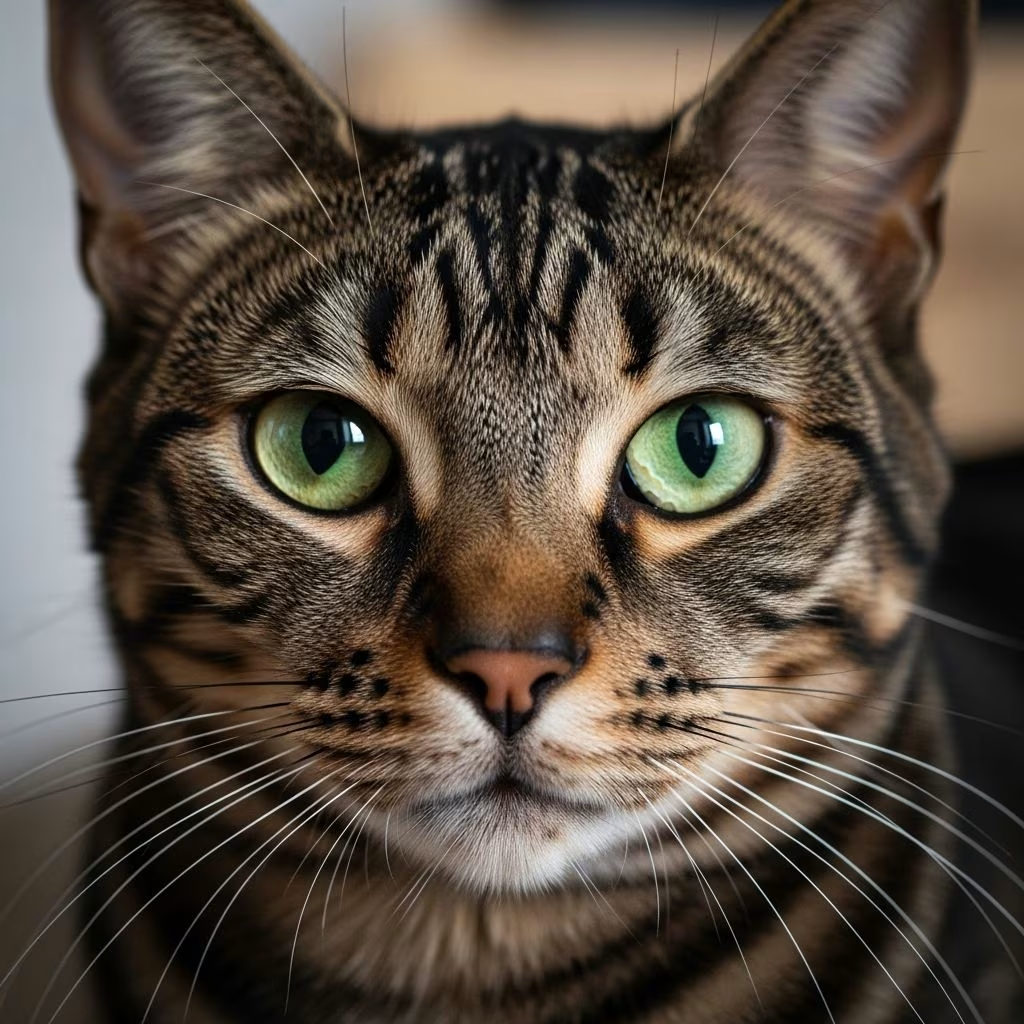
Cat whiskers, or vibrissae, are specialized sensory hairs crucial for navigation, hunting, and communication. While many cats sport impressively long whiskers, some owners notice theirs appear unusually short. This variation isn’t always cause for alarm but can signal underlying issues. Understanding the reasons behind short whiskers empowers cat parents to monitor their pet’s health effectively. In this comprehensive guide, we’ll explore six key reasons why your cat’s whiskers might be short, drawing from veterinary insights and scientific understanding of feline anatomy.
The 6 Reasons Why Cats’ Whiskers Might Be Short
1. Natural Variation and Growth Patterns
Cat whiskers naturally vary in length, even on the same face. Shorter whiskers are often positioned closer to the mouth, while longer ones extend farther out. This gradient helps myopic cats sense prey at different distances, with shorter ones aiding in close-range detection. Whiskers follow a growth cycle similar to hair, shedding periodically—especially near food bowls—and regrowing. A stray short whisker is normal and replaces itself in 2-4 months. Breeds like Persians or Maine Coons may have inherently shorter or curlier whiskers due to genetics. If all whiskers are uniformly short without other symptoms, it’s likely benign variation.
2. Rubbing and Breakage from Environment
Frequent rubbing against door frames, furniture, or tight spaces causes whisker breakage, making them appear short and frayed. Cats squeeze into narrow spots for comfort, but repeated contact wears them down. Whisker fatigue from deep food bowls exacerbates this—whiskers brush sides painfully, leading to avoidance or trimming behavior. Switch to shallow plates to prevent this. Outdoor cats face more abrasion from bushes or fences, shortening whiskers faster. Inspect for blunt tips; smooth, broken ends confirm mechanical wear rather than shedding.
3. Nutritional Deficiencies
Whiskers require proteins, biotin, zinc, and omega fatty acids for robust growth. Poor diets—low-quality kibble or imbalanced homemade food—lead to brittle, short whiskers. Kittens and seniors are vulnerable during rapid growth or decline phases. A 2023 study in the Journal of Feline Medicine links micronutrient shortages to impaired vibrissae development. Symptoms include dull coat, skin issues, and lethargy. Remedy with vet-recommended supplements or premium, AAFCO-approved food rich in animal proteins. Improvement appears in 4-6 weeks.
4. Stress and Behavioral Factors
Chronic stress from new pets, moves, or loud environments triggers overgrooming, where cats chew whiskers short. Anxiety flattens whiskers against the face, increasing breakage risk. Feral or shelter cats often arrive with stunted whiskers from survival stress. Pheromone diffusers, hiding spots, and routine stabilize mood, promoting regrowth. Monitor for puffed fur, hiding, or aggression alongside short whiskers.
5. Aging and Hormonal Changes
Senior cats (11+ years) experience whisker thinning and shortening as follicles weaken. Hormonal shifts, like hypothyroidism, slow regeneration. Spayed/neutered cats may have altered growth patterns. Unlike body hair, aging whiskers retain sensory function but appear stubby. Support elders with soft diets and gentle grooming to minimize further damage.
6. Medical Conditions and Illness
Short whiskers signal allergies, infections, parasites (mites, fleas), or systemic diseases like kidney failure or hyperthyroidism. Fungal infections (ringworm) cause whisker loss at the follicle. Autoimmune disorders or tumors rarely affect vibrissae directly but indirectly via malnutrition. Sudden bilateral shortening with weight loss, vomiting, or sores warrants immediate vet visit—bloodwork and skin scrapes diagnose causes. Early intervention prevents complications.
How Whiskers Work: Why Length Matters
Whiskers are thicker than fur, rooted in sensitive follicles with proprioceptors for balance and air current detection. They span the cat’s body width for spatial judgment—if they touch both sides of a gap, the body won’t fit. Long whiskers excel in prey detection (tracking movement) and low-light navigation, vital for obligate carnivores. Shortened whiskers impair these, causing clumsiness, hunting failure, or anxiety. Each cat’s pattern is unique, like fingerprints, with 24 cheek whiskers standard but varying by breed.
Signs Your Cat’s Short Whiskers Need Attention
- Sudden change: All whiskers shorten overnight—check for trauma or illness.
- Asymmetry: One side shorter suggests localized rubbing or nerve issues.
- Brittleness: Frayed, curly, or missing whiskers indicate nutrition/stress.
- Behavioral shifts: Hesitant navigation, misjudged jumps, or bowl avoidance.
- Accompanying symptoms: Hair loss, itching, appetite drop, or lethargy.
If multiple signs appear, consult a vet. Routine exams catch issues early.
Tips to Promote Healthy Whisker Growth
- Use wide, shallow bowls to avoid whisker fatigue.
- Provide scratching posts and climbing trees to redirect rubbing.
- Feed high-quality, nutrient-dense diet; consider omega supplements.
- Maintain stress-low environment with play and affection.
- Gently brush; never cut, pull, or pluck whiskers—it’s painful and disorients.
- Regular vet checkups for seniors or breeds prone to skin issues.
| Reason | Common Signs | Solution |
|---|---|---|
| Natural Variation | Gradual, even shortness | Monitor only |
| Breakage | Blunt ends, one-sided | Environmental changes |
| Nutrition | Dull coat, slow growth | Diet upgrade |
| Stress | Overgrooming, hiding | Calming aids |
| Aging | Thinning in seniors | Supportive care |
| Illness | Sudden loss + symptoms | Vet diagnosis |
Frequently Asked Questions (FAQs)
What if my cat’s whiskers are all short on one side?
This often results from rubbing habits or injury. Observe the area; if no swelling or hair loss, it’s likely environmental. Persistent issues need vet evaluation for nerve damage.
Do short whiskers grow back?
Yes, unless follicles are damaged. Normal cycle: 2-4 months. Support with nutrition accelerates regrowth.
Is it okay to trim cat whiskers?
Never. Trimming causes disorientation, poor balance, and stress. They fall out naturally.
Why are some breeds’ whiskers shorter?
Genetics—longhairs like Persians have curly/short ones; brachycephalics adapt to face structure.
Can diet alone fix short whiskers?
It helps mild cases but not medical ones. Pair with vet advice.
Short cat whiskers blend normal quirks with potential red flags. By recognizing patterns and acting promptly, you ensure your cat’s sensory world stays sharp. Whiskers aren’t just cute—they’re survival tools. Cherish their role in your feline’s life.
References
- 10 Fascinating Facts About Cat Whiskers — PetMD. 2023-05-15. https://www.petmd.com/cat/general-health/facts-about-cat-whiskers
- On the intrinsic curvature of animal whiskers — PMC (PubMed Central). 2023-01-10. https://pmc.ncbi.nlm.nih.gov/articles/PMC9821693/
- Why cat’s whiskers are not of equal length? — TheCatSite. 2022-11-20. https://thecatsite.com/threads/why-cats-whiskers-are-not-of-equal-length.335301/



