

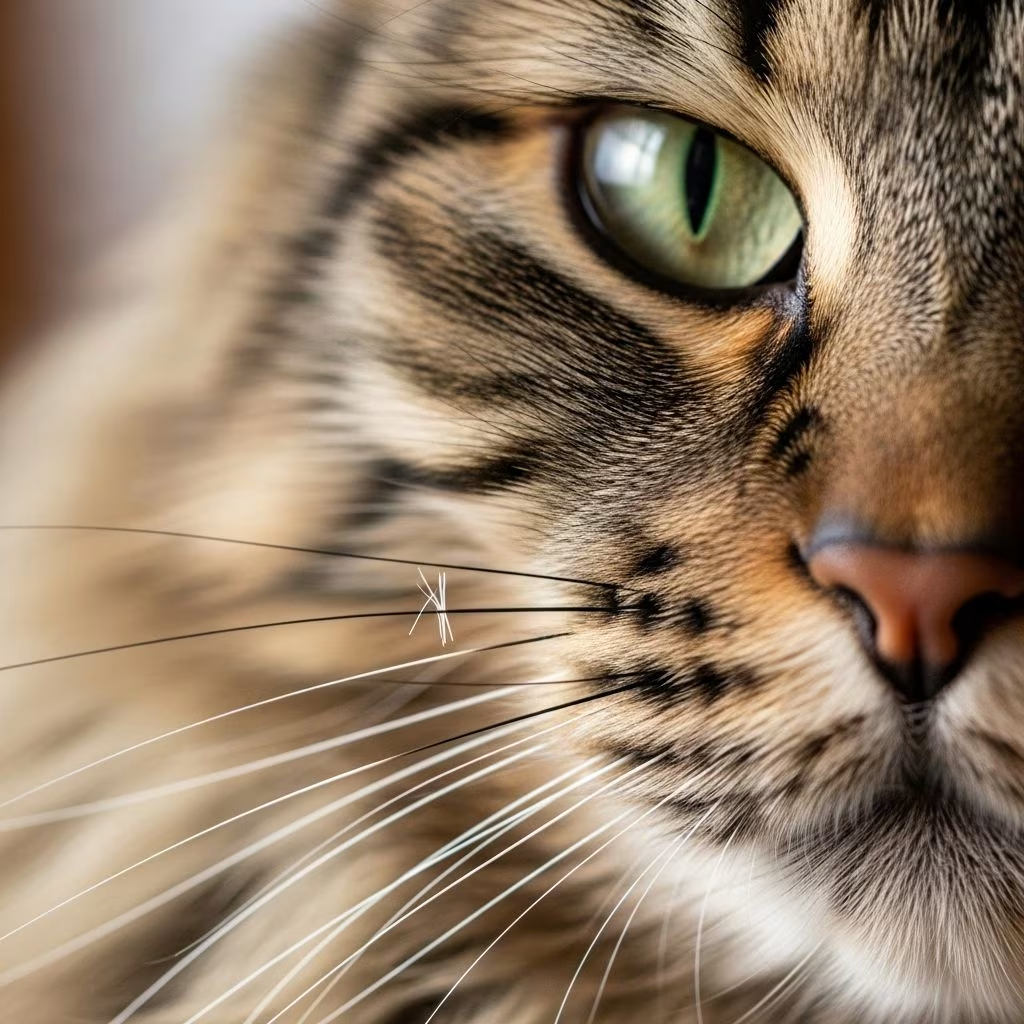
Cat whiskers breaking off can alarm any pet owner, but understanding their role and common causes helps determine if it’s normal or a health concern. Whiskers, or vibrissae, are specialized hairs vital for navigation, hunting, and sensing surroundings, and occasional breakage is typical, though excessive loss warrants attention.
What Are Cat Whiskers and Why Do They Matter?
Cat whiskers are not ordinary fur; they are **vibrissae**, thick, specialized hairs embedded deeply in hair follicles connected to sensitive nerves and blood vessels. Made primarily of **keratin**—the same protein in human hair and nails—these structures act as radar, detecting air currents, measuring spaces, and aiding balance.
Whiskers appear on the muzzle, above eyes, ears, chin, and forelegs, growing longer than regular fur for enhanced sensory input. They help cats judge distances, avoid obstacles in darkness, and even detect prey vibrations. Unlike regular hair, whiskers don’t have a full cuticle layer, making them coarser but prone to breakage under stress.
Healthy whiskers cycle through growth and shedding phases, typically lasting 2-3 months before falling out naturally. However, if you notice **asymmetric breakage** (one side more affected), frequent snapping, or loss alongside symptoms like bald spots, dull coat, itching, appetite changes, or lethargy, consult a veterinarian promptly.
The 5 Reasons Why Cats’ Whiskers Are Breaking Off
Veterinarians identify five primary causes for whisker breakage, ranging from benign to indicative of underlying issues. Here’s a detailed breakdown:
1. Normal Wear and Tear
The most common reason is **natural wear and tear**. Cats are curious explorers, squeezing into tight spaces, rubbing against furniture, or brushing whiskers during grooming and hunting simulations. These activities cause gradual fraying and breakage, especially in active or outdoor cats.
- Whiskers shed cyclically, like fur, with new ones regrowing in weeks.
- High-energy play or navigating narrow spots accelerates damage.
- No treatment needed unless excessive; monitor for patterns.
In multi-cat homes, rough play among kittens often leads to shorter whiskers without harm.
2. Poor Diet and Nutritional Deficiencies
A **suboptimal diet** weakens whiskers by depriving cats of essential **proteins, fatty acids, vitamins (like biotin, zinc)**, and minerals needed for keratin production. Poor nutrition results in brittle, dry whiskers and coat, alongside symptoms like weight loss or flaky skin.
Cats are obligate carnivores requiring high-quality, AAFCO-approved food. Deficiencies from low-protein kibble or imbalanced homemade diets exacerbate issues. Consult a vet for dietary recommendations or blood tests to rule out malabsorption.
| Nutrient | Role in Whisker Health | Food Sources |
|---|---|---|
| Protein | Builds keratin structure | Chicken, fish, meat-based cat food |
| Omega-3 Fatty Acids | Prevents dryness | Fish oil supplements, salmon |
| Zinc & Biotin | Strengthens follicles | Commercial cat foods, eggs |
3. Trauma or Injury
**Physical trauma** from falls, collisions, fights, or accidents directly snaps whiskers. Outdoor cats risk encounters with wildlife or vehicles, while indoor ones may injure faces during jumps or tussles.
- Signs: Swelling, bleeding, or limping alongside whisker loss.
- Prevention: Keep cats indoors, supervise multi-pet play.
- Regrowth occurs, but check for fractures or infections.
If trauma affects one side, it may indicate rubbing against sharp objects or fights.
4. Itching and Skin Conditions
**Itchiness** from allergies, infections, parasites, or dental pain prompts excessive rubbing, pawing, or face-rubbing on carpets, breaking whiskers. Common culprits include flea allergies, ringworm, mites, or food sensitivities.
Observe for redness, scabs, hair loss patches, or overgrooming. Feline acne from plastic bowls harbors bacteria, irritating whisker pads. Dental issues cause pawing, mimicking itch.
- Allergies: Environmental (pollen) or food-related.
- Infections: Bacterial, fungal (ringworm causes crusty bald spots).
- Treatment: Vet-prescribed meds, hypoallergenic diets, medicated shampoos.
5. Mutual Grooming or Chewing
In multi-cat households, **overzealous mutual grooming** or play-biting shortens whiskers, especially in kittens. One cat may nibble another’s during allogrooming, a bonding behavior that turns rough.
This is harmless if symmetric and without aggression, but watch for bullying signs like hissing or hiding. Stress or anxiety can increase grooming intensity.
Related Concerns: Whisker Fatigue and Other Factors
Beyond the top five, **whisker fatigue**—stress from repeated whisker contact in deep bowls—may indirectly contribute to avoidance behaviors or breakage. Switch to wide, shallow ceramic/glass bowls.
Stress (moves, new pets) or systemic illnesses (kidney disease, hyperthyroidism) weaken hair growth. Plastic bowls link to acne via bacterial buildup.
When Should You See a Vet?
Occasional broken whiskers are normal, but seek veterinary care if:
- Multiple whiskers lost rapidly or asymmetrically.
- Accompanied by itching, baldness, vomiting, diarrhea, or appetite loss.
- One-sided loss suggesting injury or neurological issues.
- Brittle coat, weight changes, or behavioral shifts.
Vets may perform skin scrapes, bloodwork, or allergy tests. Early intervention prevents complications.
How to Promote Healthy Whiskers
Support regrowth with:
- Balanced diet: High-protein, nutrient-rich food.
- Enrichment: Scratching posts, toys to channel energy safely.
- Grooming: Regular brushing reduces stress shedding.
- Bowl upgrade: Avoid plastic; use wide, flat options.
- Indoor living: Minimizes trauma.
Whiskers regrow in 1-3 months; patience is key.
Frequently Asked Questions (FAQs)
Is it normal for cats to lose whiskers?
Yes, normal shedding occurs cyclically. Concern arises with excessive or symptomatic loss.
Do broken whiskers grow back?
Absolutely; new whiskers replace old ones within weeks to months.
Why are my cat’s whiskers breaking on one side?
Often from rubbing, injury, or grooming habits; vet check if persistent.
Can diet cause whisker breakage?
Yes, nutritional gaps weaken keratin; upgrade to quality cat food.
Is whisker fatigue real?
It’s debated but linked to bowl stress; wide bowls help.
References
- Why Are My Cats Whiskers Breaking Off? 5 Vet-Reviewed Possible … — Catster (Veterinary Review). 2023. https://www.catster.com/cat-health-care/why-are-my-cats-whiskers-breaking-off/
- Why Are My Cat’s Whiskers Breaking? 5 Vet-Verified Reasons — Hepper. 2023. https://articles.hepper.com/why-are-my-cats-whiskers-breaking/
- My cat’s whiskers are breaking off on one side, is this a problem? — Dial A Vet. 2024. https://www.dialavet.com/vet-answers/cats-whiskers-breaking-concern-26989
- Whisker Loss in Cats: Is it Normal for My Cat to Shed its Whiskers? — Lincoln Way Vet. 2023. https://lincolnwayvet.com/blog/whisker-loss-in-cats/
- Whisker Fatigue in Cats: What It Is and How To Help — PetMD. 2024. https://www.petmd.com/general-health/whisker-fatigue-cats-what-it-and-how-help



