
Why Are My Cat’s Paws Swollen? Causes and Treatment
Understanding the causes of swollen cat paws and when to seek veterinary care.
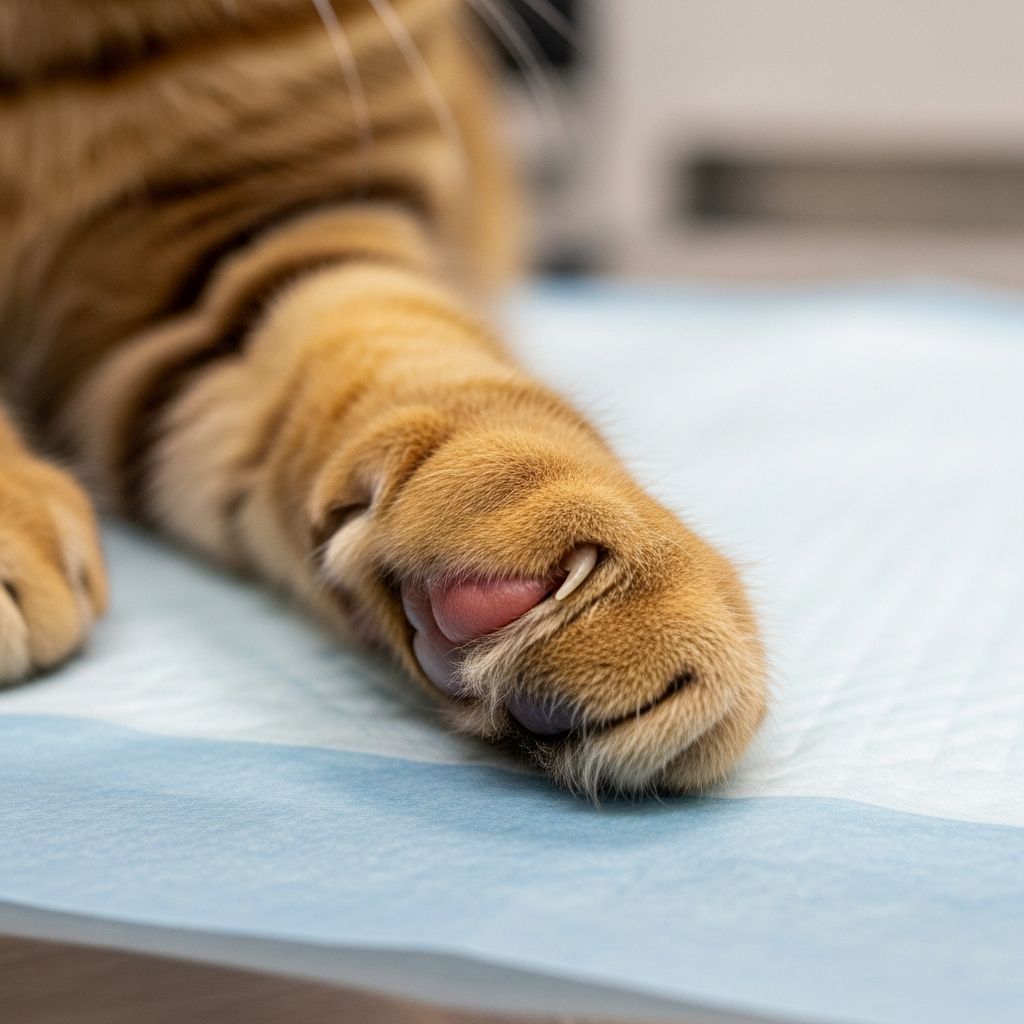
Why Are My Cat’s Paws Swollen? Understanding the Causes and Solutions
Discovering that your cat has swollen paws can be concerning for any pet owner. Paw swelling in cats can range from mild puffiness to severe inflammation that affects your cat’s ability to walk comfortably. The causes of swollen cat paws are diverse and can range from simple injuries to serious underlying health conditions. Understanding what might be causing your cat’s paw swelling is the first step toward getting them the appropriate treatment they need.
Swollen paws in cats, medically referred to as pododermatitis, can develop for many reasons. Depending on whether one paw or multiple paws are affected, the underlying cause may differ significantly. Some causes are localized to the paw itself, while others indicate systemic health issues affecting your entire cat. This comprehensive guide will help you understand the various causes of swollen cat paws and what steps you should take to help your feline friend.
Common Symptoms of Swollen Cat Paws
Before diving into specific causes, it’s important to recognize the signs that your cat’s paws are indeed swollen and that there may be a problem. Cats are notorious for hiding their discomfort, so you may need to observe them carefully to detect subtle changes in their behavior and physical condition.
Common symptoms associated with swollen cat paws include:
- Visible puffiness or enlargement of one or more paws
- Limping or reluctance to bear weight on the affected paw
- Excessive licking, chewing, or biting at the paw
- Reduced activity level or reluctance to jump
- Discharge or foul odor emanating from the paw
- Heat radiating from the affected paw when touched
- Decreased appetite in some cases
- Redness or discoloration of the paw pads
- Visible pain when the paw is touched or manipulated
If you notice any combination of these symptoms, scheduling a veterinary appointment is recommended to determine the underlying cause of your cat’s paw swelling.
Localized Causes of Swollen Cat Paws
When only one or two of your cat’s paws are swollen, the problem is typically localized to that specific area rather than a systemic issue affecting the entire body. These localized causes tend to be more straightforward to identify and treat once properly diagnosed.
Injuries and Trauma
Cats are active creatures who love to climb, jump, and explore their environment. During these adventures, they can easily injure their paws in various ways. Injuries are one of the most common causes of localized paw swelling and may include:
- Fractures or breaks in the bones of the paw
- Cuts and puncture wounds from stepping on sharp objects
- Abscesses that form from infected wounds
- Sprains or strains to the tendons and ligaments
- Irritation or swelling caused by foreign objects embedded in the paw pad
If your cat recently returned from outdoors with a swollen paw, trauma or injury is a likely culprit. Your veterinarian may need to take X-rays to fully assess the extent of the injury and determine the appropriate treatment plan. Treatment for injuries typically involves pain management, antibiotics if infection is present, and sometimes bandaging to protect the paw while it heals.
Insect Bites and Stings
Outdoor cats are frequently exposed to insects such as bees, wasps, spiders, and other creatures that may bite or sting. Insect bites and stings can cause localized inflammation and swelling of the paw, particularly if your cat is allergic to the insect’s venom. The swelling may appear suddenly and can sometimes be quite severe. Your veterinarian will likely administer a steroid or antihistamine medication to reduce the swelling and discomfort associated with the bite or sting. Most cases of insect bite-related paw swelling resolve within a few days with appropriate treatment.
Snake Bites
In areas where venomous snakes are present, snake bites represent a serious potential cause of severe paw swelling. Snake venom can cause significant inflammation, tissue damage, and potentially life-threatening complications. If you suspect your cat has been bitten by a snake, this is a veterinary emergency requiring immediate professional attention. The sooner your cat receives treatment, the better the chances of a full recovery.
Foreign Bodies
Cats may step on or get debris embedded in their paws, including splinters, thorns, glass, or other sharp objects. A foreign body lodged in the paw pad can cause localized swelling, pain, and infection if not removed promptly. Your veterinarian will examine the paw carefully, possibly using imaging if necessary, to locate and remove the foreign object. After removal, antibiotics may be prescribed to prevent infection.
Nail Problems and Overgrowth
If your cat doesn’t have adequate opportunities to wear down their nails through scratching and climbing, their nails may become overgrown. Long nails are prone to getting caught, twisted, and torn on objects around your home or during outdoor activities. Additionally, overgrown nails can curve and puncture the cat’s paw pad, causing significant pain and swelling. The pulling, ripping, and sharpness of overgrown nails create irritation and inflammation, which can lead to infections. Regular nail trimming or providing appropriate scratching posts can help prevent this problem. Treatment involves trimming the nails appropriately and treating any resulting infections with antibiotics.
Abscess Formation
When cats fight with other animals or get bitten, the bite wounds often become infected and form abscesses. These painful, swollen pockets of infection can become quite large if left untreated. Abscesses typically require professional drainage and antibiotic therapy to resolve properly. Your veterinarian may prescribe pain medication and recommend warm compresses to help the abscess drain while antibiotics fight the infection.
Pododermatitis: A Specific Cause of Paw Swelling
Pododermatitis, also commonly called “pillow paw” or “pillow foot,” is a specific medical condition characterized by dramatic swelling of a cat’s paw pads. The swelling creates a characteristic “pillow-like” appearance that gives the condition its common name. This condition results from an aggressive inflammatory reaction in the paw tissue.
What Causes Pododermatitis?
Pododermatitis can be triggered by numerous underlying issues including:
- Poor grooming habits and hygiene
- Bacterial, fungal, or parasitic infections
- Allergies to food or environmental factors
- Immune system disorders
- Cancer
- Feline leukemia virus (FeLV)
- Feline immunodeficiency virus (FIV)
- Feline infectious peritonitis (FIP)
One specific type of pododermatitis is plasma cell pododermatitis, an immune-mediated disease that causes the foot pads to become swollen, sometimes discolored, and occasionally ulcerated. The exact cause of plasma cell pododermatitis remains unknown, though research suggests connections to viral infections like FIV and FeLV. In this condition, high numbers of plasma cells infiltrate the tissue of the paw pads, though the reason for this infiltration is not fully understood.
Symptoms of Pododermatitis
Cats with pododermatitis typically display severe paw swelling that may affect one or multiple paws. The paw pads may appear red, purple, or dark pink, and the tissue may become cracked or ulcerated. Some cats may show systemic signs such as fever or loss of appetite, though many cats feel relatively well aside from the discomfort in their paws. The condition can be quite painful, and affected cats may have difficulty walking or climbing.
Treatment of Pododermatitis
Treatment for pododermatitis varies depending on the underlying cause. Your veterinarian will need to perform a thorough evaluation, which may include blood work to check for viral infections, allergy testing, or other diagnostic procedures. Once the underlying cause is identified, treatment may include antimicrobial therapy for infections, dietary modifications, immunosuppressive medications, or pain management. In some cases, a combination of treatments may be necessary for optimal results.
Systemic Causes of Swollen Paws and Legs
When all four paws or legs are swollen, or when swelling appears to affect multiple limbs, the problem is likely systemic rather than localized to the paws themselves. These whole-body conditions require immediate veterinary attention as they often indicate serious underlying health problems.
Heart Disease
Heart disease can impair the normal circulation of blood throughout the body. When blood flow is compromised, fluid accumulates in the tissues, leading to swelling in the legs and paws. Cats with heart disease may display additional symptoms such as labored breathing, lethargy, or a reluctance to exercise. Proper cardiac evaluation and management are essential for cats with heart-related paw swelling.
Liver Disease
The liver produces albumin, a crucial protein that helps maintain proper fluid balance within blood vessels. Advanced liver disease can result in low albumin levels, allowing fluid to leak from blood vessels into surrounding tissues, causing swelling in the paws and legs. Cats with liver disease may also show signs such as jaundice, poor appetite, or weight loss. Liver disease requires comprehensive veterinary management and potentially lifestyle modifications.
Kidney Disease
Cats with kidney disease may lose albumin through their urine, reducing the protein concentration in their blood. This loss of albumin makes it more likely that fluid will leak from blood vessels into the surrounding tissue, causing swelling in the paws and legs. Kidney disease is particularly common in older cats and requires ongoing monitoring and management to slow disease progression.
Systemic Infections
Bacterial, viral, fungal, and other types of systemic infections can cause inflammation and leakiness in blood vessels throughout the body, leading to widespread swelling. Cats may also develop swollen lymph nodes in response to fighting these infections. Systemic infections require targeted antimicrobial therapy and supportive care.
Allergic Reactions and Autoimmune Diseases
Allergic reactions and autoimmune diseases can make blood vessels leaky throughout the body, leading to swelling in multiple paws and legs. These conditions may be triggered by food allergies, environmental allergens, or underlying autoimmune disorders. Identifying and eliminating the allergen or managing the autoimmune condition is crucial for resolution.
Toxins and Medications
Certain drugs and toxins, such as acetaminophen, can damage the liver or inflame blood vessels, leading to swollen paws and legs. If you suspect your cat has ingested a toxin or is having an adverse reaction to medication, contact your veterinarian immediately for guidance.
Other Localized Conditions Affecting the Paws
Arthritis
Arthritis causes inflammation in the joints, which can lead to the overproduction of joint fluid and the development of bony growths. These changes can make joints appear larger than normal and cause noticeable swelling in the paws and legs. Cats with arthritis may show reduced activity, reluctance to jump, or limping, particularly after rest.
Injection Reactions
Cats often receive vaccines and other injections in their rear legs or paws. While uncommon, small swellings can occasionally appear at injection sites as a localized reaction to the injection itself. These reactions typically resolve within a few days without treatment but should be monitored.
Parasitic Infections
Fleas, ticks, mites, and lice can all cause skin issues in cats, particularly if the cat is allergic or hypersensitive to their bites. Mange, caused by microscopic mites, produces intense itching, swelling, and hair loss. Regular parasite prevention is essential for protecting your cat from these parasites and the complications they can cause.
Yeast Infections
Yeast infections of the paw can cause redness, itching, and swelling of the affected area. Chronic yeast infections may result in thickened, discolored skin that resembles tree bark or elephant skin, often accompanied by a strong, foul odor. Antifungal medications prescribed by your veterinarian can help resolve these infections.
Environmental Irritation
Various environmental factors can irritate or damage the sensitive tissue on a cat’s feet, including hot surfaces, household chemicals, or harsh materials. Limiting your cat’s exposure to known irritants and providing clean, safe surfaces for them to walk on can help prevent this type of swelling.
When to Seek Veterinary Care
While some minor paw swellings may resolve on their own, most cases of swollen cat paws warrant professional veterinary evaluation. You should schedule a veterinary appointment promptly if your cat:
- Shows sudden, severe paw swelling
- Displays signs of pain or lameness
- Has visible discharge, pus, or foul odor from the paw
- Has multiple swollen paws or legs
- Shows additional symptoms such as fever, loss of appetite, or lethargy
- Has a known history of outdoor exposure and recently developed paw swelling
- Shows no improvement within 24-48 hours of home care
Snake bites, severe injuries, or signs of systemic illness should be treated as veterinary emergencies requiring immediate professional attention.
Diagnosis and Treatment Approach
Your veterinarian will begin by performing a thorough physical examination of the affected paw or paws. They will assess the location and severity of the swelling, check for signs of infection, and evaluate your cat’s overall health status. Depending on the examination findings, additional diagnostic tests may include blood work to assess systemic health, X-rays to evaluate for fractures or other bone abnormalities, or skin scrapings to check for parasites or fungal infections.
Treatment will depend entirely on the underlying cause of the swelling. Injuries and trauma may require X-rays and treatment for infections, which typically involves bandaging and antibiotics. Insect bites or stings are usually treated with steroids or antihistamines to reduce inflammation. Pododermatitis treatment varies based on the underlying cause but often includes therapy and dietary modifications. Nail overgrowth-related problems are managed through nail trimming and antibiotic treatment for any resulting infections.
Prevention Strategies
While you cannot prevent every potential cause of paw swelling, certain preventive measures can reduce your cat’s risk:
- Maintain regular nail trimming or provide scratching posts for natural nail maintenance
- Keep your cat up to date on parasitic prevention medications
- Provide regular grooming to maintain skin and paw health
- Monitor outdoor cats for signs of injury or infection
- Maintain a healthy diet and monitor for signs of allergies
- Keep your home free of sharp objects and harmful chemicals
- Schedule regular veterinary check-ups to catch health issues early
- Keep vaccination records current to prevent viral infections
Frequently Asked Questions About Swollen Cat Paws
Q: What is “pillow paw” in cats?
A: “Pillow paw,” medically known as pododermatitis or plasma cell pododermatitis, is a condition where a cat’s paw pads become severely swollen, creating a pillow-like appearance. The condition results from aggressive inflammation and can be caused by various underlying issues including infections, allergies, or immune disorders.
Q: When should I take my cat to the vet for swollen paws?
A: You should seek veterinary care if your cat has sudden severe swelling, signs of pain or lameness, visible discharge or foul odor, multiple swollen paws, or additional symptoms like fever. Veterinary evaluation is recommended for most cases of paw swelling, particularly if symptoms don’t improve within 24-48 hours.
Q: Can swollen cat paws be caused by allergies?
A: Yes, allergies are a common cause of paw swelling in cats. Both food allergies and environmental allergies can trigger inflammation and swelling in the paws. Allergies may also be involved in conditions like plasma cell pododermatitis.
Q: How do vets treat swollen cat paws?
A: Treatment depends on the underlying cause. Injuries may require bandaging and antibiotics, insect bites are treated with steroids or antihistamines, infections are addressed with antimicrobial therapy, and nail overgrowth is managed through trimming and treatment of any secondary infections. Your veterinarian will determine the appropriate treatment after diagnosis.
Q: Could swollen paws indicate a serious illness in my cat?
A: Yes, swelling in all four paws or multiple limbs can indicate systemic conditions such as heart disease, liver disease, kidney disease, or systemic infections. These conditions require immediate veterinary attention and comprehensive management.
Q: How can I prevent my cat’s paws from swelling?
A: Prevention includes regular nail maintenance, parasite prevention, proper grooming, monitoring outdoor cats, providing a clean safe environment, maintaining proper diet, regular veterinary check-ups, and keeping vaccinations current to prevent viral infections that can cause paw problems.
References
- Swollen Cat Paws – Causes and Treatment — Ponderosa Veterinary Clinic. 2024. https://ponderosavetclinic.com/swollen-cat-paws/
- Swollen Paws and Legs in Cats — PetMD Editorial. 2024. https://www.petmd.com/cat/symptoms/swollen-paws-and-legs-cats
- Helping Cats Stand Up To Pillow Foot — Texas A&M AgriLife Extension. 2024-05-03. https://stories.tamu.edu/news/2024/05/03/helping-cats-stand-up-to-pillow-foot/
- Plasma Cell Pododermatitis in Cats — Your Vet Wants You to Know. 2024. https://yourvetwantsyoutoknow.com/plasma-cell/
- Pododermatitis in Cats: Signs and Management — Royal Canin US. 2024. https://www.royalcanin.com/us/cats/health-and-wellbeing/pododermatitis-in-cats-signs-and-management
Similar Articles








Read full bio of medha deb




