

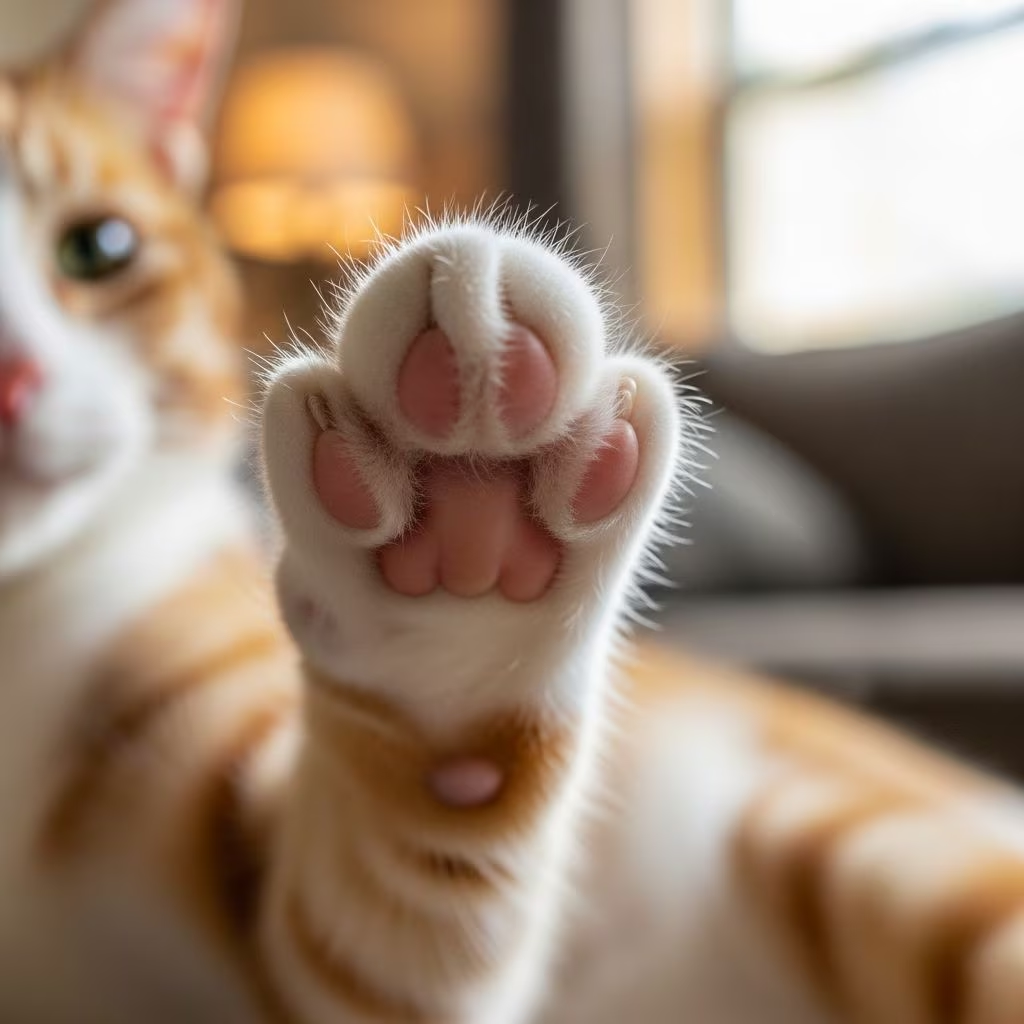
Swollen paws in cats, often called “pillow paw” when severe, can arise from various causes ranging from minor injuries to serious health conditions. Prompt identification of symptoms and veterinary consultation is crucial to prevent complications and ensure your cat’s comfort.
Swollen Cat Paws: At a Glance
- Common Symptoms: Limping, excessive licking, redness, heat, discharge, or foul odor from paws.
- Urgency: Seek immediate vet care if swelling affects multiple paws, persists over 24 hours, or accompanies lethargy/loss of appetite.
- Top Causes: Trauma, infections, pododermatitis, allergies, abscesses.
- Diagnosis: Physical exam, blood tests, imaging, biopsies.
- Treatment: Varies by cause—antibiotics, steroids, surgery, or supportive care.
Recognizing the Signs of Swollen Paws in Cats
Cats are masters at hiding pain, but swollen paws often betray underlying issues. Watch for these key indicators:
- Limping or favoring one paw: Indicates pain from injury, infection, or inflammation.
- Visible swelling: Paws may appear puffy, pillow-like, especially paw pads (pododermatitis).
- Redness, heat, or discoloration: Suggests inflammation, infection, or poor circulation.
- Excessive licking/biting: Cats self-soothe irritation from allergies, foreign objects, or itchiness.
- Discharge, pus, or odor: Signs of abscess or bacterial/fungal infection.
- Reduced activity or appetite: Systemic issues like heart/kidney disease may cause multi-paw swelling.
If swelling is in one paw, suspect localized trauma; multiple paws point to systemic problems like allergies or plasma cell pododermatitis.
Common Causes of Swollen Cat Paws
Swelling stems from inflammation, fluid buildup (edema), infection, or immune responses. Causes divide into localized (one paw) and systemic (multiple paws).
1. Injuries and Trauma
The most frequent culprit: sprains, fractures, crush injuries, burns, or cuts from falls, fights, or hot surfaces.
- Sprains/fractures: Painful swelling, limping; X-rays confirm.
- Crush injuries: No visible wound but deep tissue damage.
- Burns/chemical exposure: Affects paw pads/underside.
2. Infections and Abscesses
Bacterial entry via bites (cat fights), scratches, or foreign objects leads to pus-filled abscesses. Fungal/parasitic infections or calicivirus cause ulcers and secondary swelling.
- Symptoms: Warm, painful, draining pus.
- Risk factors: Outdoor cats, unneutered males.
3. Pododermatitis (Pillow Paw or Plasma Cell Pododermatitis)
An immune-mediated condition where plasma cells infiltrate paw pads, causing soft, swollen, purple pads that may ulcerate. Affects multiple paws; exact cause unknown but linked to allergies, FIV, FeLV.
- Signs: Pillow-like swelling, lameness, no pain unless ulcerated.
- Prevalence: Rare but more common in adults.
4. Allergies and Insect Bites/Stings
Atopic dermatitis, food allergies, or bites from bees/spiders/snakes trigger leaky vessels and edema. Eosinophilic granuloma may affect paws.
5. Nail Issues and Overgrowth
Ingrown/curled nails pierce pads, causing infection and swelling. Indoor cats or seniors at risk.
6. Systemic Diseases
When all paws swell: heart failure (fluid retention), kidney/liver disease (low albumin), infections, or toxins like acetaminophen.
| Localized (1-2 Paws) | Systemic (All Paws) |
|---|---|
| Injury, abscess, bite, tumor | Heart/kidney/liver disease, allergies |
| Pododermatitis (often multiple) | Systemic infections |
When to See a Vet for Swollen Paws
Don’t wait—most cases need professional diagnosis. Rush to ER if:
- Swelling worsens/ spreads.
- Cat refuses to bear weight, cries in pain.
- Fever, vomiting, or breathing issues.
- Open wounds or bleeding.
Even mild cases benefit from vet checks to rule out pododermatitis or cancer.
Diagnosis: How Vets Identify the Cause
Vets start with history/exam, then:
- Physical exam: Palpation, temp check.
- Tests: Bloodwork (organ function, FeLV/FIV), cytology/biopsy (pododermatitis).
- Imaging: X-rays (fractures), ultrasound.
- Culture: For infections.
Treatment Options for Swollen Cat Paws
Tailored to cause:
| Cause | Treatment |
|---|---|
| Injury/Trauma | Rest, pain meds, splint/surgery; antibiotics if infected. |
| Abscess/Infection | Lancing, drainage, antibiotics (e.g., Clavamox). |
| Pododermatitis | Steroids (prednisolone), doxycycline, diet change; surgery for severe cases. |
| Allergies/Bites | Antihistamines/steroids, epi for anaphylaxis. |
| Nail Overgrowth | Trimming, antibiotics. |
| Systemic Disease | Treat underlying (e.g., diuretics for heart failure). |
Home care: Clean gently with saline, prevent licking (cone), elevate paw. Never use human meds.
Home Remedies and First Aid for Minor Swelling
For suspected minor injury (while heading to vet):
- Clean with cool saline/antiseptic.
- Apply cold compress (10 min).
- Bandage loosely; check circulation.
- Prevent access to litter/outdoors.
Avoid: Popping abscesses, NSAIDs (toxic to cats).
Prevention Tips to Keep Cat Paws Healthy
Proactive steps reduce risks[10]:
- Regular nail trims (every 4-6 weeks).
- Indoor-only lifestyle or supervised outdoors.
- Soft litter; inspect paws daily.
- Allergy hypoallergenic diet trials.
- Up-to-date vaccines/deworming.
- Annual vet checkups for early detection.
FAQs About Swollen Cat Paws
Can swollen paws resolve on their own?
Minor injuries might, but most need vet intervention to avoid chronic issues like pododermatitis.
Is pillow paw contagious?
No, it’s immune-mediated, not spread cat-to-cat.
How long does swelling last after treatment?
Days to weeks; monitor for recurrence.
Why do indoor cats get paw swelling?
Allergies, nail issues, or idiopathic pododermatitis.
Can diet cause swollen paws?
Yes, food allergies trigger inflammation; novel protein diets help.
References
- Swollen Cat Paws? Discover What May Be the Cause — Ponderosa Vet Clinic. 2023. https://ponderosavetclinic.com/swollen-cat-paws/
- Swollen Paws and Legs in Cats — PetMD. 2024-05-15. https://www.petmd.com/cat/symptoms/swollen-paws-and-legs-cats
- How To Treat a Cat With a Swollen Paw — Cats.com. 2024. https://cats.com/how-to-treat-a-cat-with-a-swollen-paw
- 6 Cat Paw Infection – Causes, Symptoms, and Treatments — Brooklyn Pet Spa. 2023-11-20. https://brooklynpetspa.com/cat-paw-infection-causes-symptoms-and-treatment/
- Helping Cats Stand Up To Pillow Foot — Texas A&M University. 2024-05-03. https://stories.tamu.edu/news/2024/05/03/helping-cats-stand-up-to-pillow-foot/
- Vet 2025 Guide: Swollen Paws & Legs in Cats — Ask A Vet. 2025-01-01. https://askavet.com/blogs/news/vet-2025-guide-swollen-paws-legs-in-cats-causes-diagnosis-vet-led-care-%F0%9F%90%BE



