

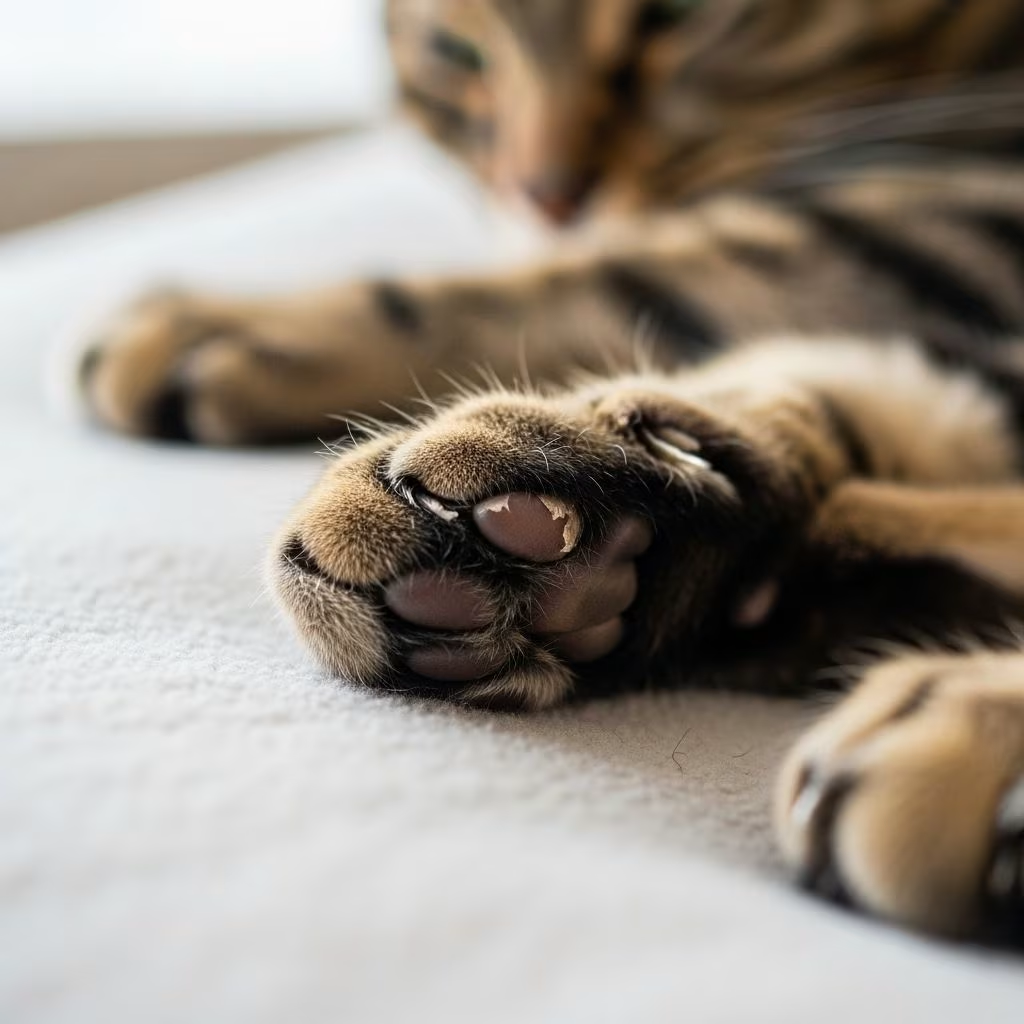
Peeling skin on your cat’s paws can be alarming for any pet owner. Cats’ paws are tough yet delicate, serving as shock absorbers during jumps and walks. When the skin on paw pads, between toes, or around nails starts flaking, cracking, or peeling, it often indicates an underlying problem. Common culprits include trauma, environmental damage, allergies, infections, or even rare autoimmune conditions. Early detection is key to preventing pain, lameness, or secondary infections. This comprehensive guide, informed by veterinary expertise, breaks down the signs, causes, diagnosis, treatments, and prevention strategies to keep your feline’s feet healthy.
Signs That the Paw is Peeling
Recognizing peeling paws early can prevent complications. Unlike human skin, cat paw skin is thicker and hairless on pads, making issues subtler. Look for these key indicators during routine paw checks:
- Flaky skin: Dry, white, or gray flakes on pads or between toes, often resembling dandruff.
- Flaky or brittle nails: Nails that split, crack, or shed layers, sometimes pulling away from the bed.
- Peeling skin on the pads: Layers of skin lifting from the soft, cushioned bottom pads.
- Inflamed, angry-looking skin: Red, swollen, or hot areas signaling irritation or infection.
- Oozing or discharge: Pus, moisture, or crusty buildup from wounds or infections.
Always inspect thoroughly: part the fur to check skin underneath, examine all nails (including the dewclaw high on front legs), and press gently on pads for tenderness or cracks. Cats hide pain masterfully, so subtle changes like reluctance to jump or overgrooming warrant attention. If symptoms persist beyond 24-48 hours or worsen, consult a vet promptly.
Injury (Trauma or Soft Tissue Damage)
Injuries are among the most frequent causes of peeling cat paws, especially in active or outdoor cats. Vets term this ‘trauma’ or ‘soft tissue injury,’ stemming from accidents like landing on sharp objects, getting paws caught in doors, or fights with other animals. The skin barrier breaks, leading to peeling as it heals. Secondary bacterial infections can exacerbate peeling, causing loose, dead skin.
Symptoms include localized soreness, limping (though cats may not always limp), vocalizing when touched, and excessive licking. Swelling or bruising may appear. Indoor cats might injure paws on rough carpets or furniture, while outdoor explorers face glass, thorns, or hot surfaces.
Home Care: Clean gently with saline (1 tsp salt in 1 cup warm water), apply pet-safe antibiotic ointment, and bandage loosely if bleeding. Monitor for infection signs like pus or fever. Restrict activity to prevent reopening. Seek vet care for deep wounds, as stitches or antibiotics may be needed. Healing typically takes 7-14 days with proper care.
Burn
Burns primarily affect outdoor cats stepping on hot surfaces like sun-baked asphalt, metal roofs, or grates in summer. Paw pads, in direct contact, suffer most—appearing red, blistered, or peeling in circular patterns. All four feet are often involved symmetrically. Severe burns cause blistering, ulceration, and temporary lameness.
Less common indoor causes include chemical spills or overheated heating pads. Initial signs mimic injury but progress to charred or sloughing skin if untreated. Burns heal slowly due to constant paw use.
First Aid: Immediately cool with room-temperature water (not ice) for 10-15 minutes to reduce damage. Avoid lotions unless vet-approved. Pad protection with booties or socks aids healing. Most minor burns resolve in 1-2 weeks, but watch for infection. Vets may prescribe pain relief or silver sulfadiazine cream for second-degree burns.
Allergy
Allergies trigger intense itching, leading cats to lick paws excessively. This overgrooming removes protective oils, causing dry, peeling skin. Types include:
- Environmental: Pollen, grass, dust mites—common in outdoor cats.
- Food: Proteins like beef, fish, or grains.
- Flea Allergy Dermatitis (FAD): Saliva from even one flea bite causes severe reactions.
Inflammation from histamine release weakens skin, promoting cracks and peeling. Paws are hotspots due to licking and ground contact. Symptoms: hair loss between toes, red skin, and secondary yeast infections with foul odor.
Diagnosis involves elimination diets (8-12 weeks) or intradermal testing. Treatments: antihistamines, steroids, hypoallergenic food, flea preventives. Omega-3 supplements soothe skin. Chronic cases need immunotherapy.
Infection
Infections thrive in moist, traumatized paws. Fungal ringworm (dermatophytosis) tops the list—not a worm but Microsporum canis fungus. It causes circular bald, flaky patches, nail brittleness, and peeling. Young, immunocompromised cats are prone; it’s zoonotic (transmissible to humans).
Bacterial infections (from wounds) produce pus and swelling. Mites like Cheyletiella cause scaly ‘walking dandruff.’ Yeast overgrowth yields thick, odorous skin. Diagnosis: skin scrapes, fungal cultures, cytology. Treatments: oral antifungals (fluconazole), topicals (miconazole), antibiotics. Isolate infected cats; full recovery takes 4-6 weeks.
Autoimmune Disease
Rare but serious, pemphigus foliaceus attacks skin with antibodies, causing crusty, peeling pads. Starts paws, spreads to face (lips, nose, ears). Plasma cell pododermatitis (‘pillow foot’) swells pads purple/pink with fissures, affecting multiple feet. Linked to FIV/FeLV, allergies. Symptoms: puffy pads, lameness, oral ulcers.
Biopsy confirms. Treatments: steroids (prednisolone), cyclosporine; doxycycline for pillow foot. Prognosis good with management, but lifelong therapy often required. Indoor males, DSH breeds overrepresented.
Stress-Induced Overgrooming
Psychogenic alopecia from anxiety leads to hair loss and peeling via saliva enzymes drying skin. Signs: symmetric paw baldness, hiding, vocalizing. Mitigate with pheromones (Feliway), toys, routines. Severe cases need behaviorists.
Diagnosis and Veterinary Care
Vets start with history/exam, then tests:
| Test | Purpose |
|---|---|
| Skin scrape/cytology | Rule out mites, bacteria, yeast |
| Fungal culture/Wood’s lamp | Confirm ringworm |
| Biopsy | Autoimmune/pododermatitis |
| Bloodwork | FIV/FeLV, allergies |
| Allergy testing | Identify triggers |
Treat based on cause; never self-medicate human products.
Home Care and Prevention
- Weekly paw inspections.
- Moisturize dry pads with vet-approved balms (e.g., petroleum-free).
- Flea control year-round.
- Hypoallergenic litter/bedding.
- Avoid hot surfaces; booties for outdoors.
- Balanced diet with omega fatty acids.
Regular vet checkups catch issues early.
Frequently Asked Questions (FAQs)
What should I do if my cat’s paw pads are peeling?
Clean gently, monitor for worsening, and see a vet if limping, oozing, or multi-paw involvement occurs.
Can peeling paws heal on their own?
Minor cases yes, but persistent peeling needs professional evaluation to prevent complications.
Is ringworm from peeling paws contagious?
Yes, to other cats/humans; isolate and treat promptly.
How do I prevent paw peeling in outdoor cats?
Supervise, provide shade, use paw wax, and maintain flea prevention.
Does diet affect cat paw health?
Yes, allergies or deficiencies can contribute; consider novel protein diets.
References
- Why Are My Cat’s Paws Peeling? (Vet Answer) — Catster. 2023. https://www.catster.com/ask-the-vet/why-are-my-cats-paws-peeling-vet-answer/
- Pillow Foot (Pododermatitis) in Cats — PetMD. 2024-01-15. https://www.petmd.com/cat/conditions/skin/pillow-foot-pododermatitis-cats
- Pododermatitis in Cats: Signs and Management — Royal Canin. 2024. https://www.royalcanin.com/us/cats/health-and-wellbeing/pododermatitis-in-cats-signs-and-management
- Footpad Injury in Cats — WagWalking. 2023-05-20. https://wagwalking.com/cat/condition/footpad-injury
- Cracked Paws in Cats: How You Can Help Prevent This — Frontier Vet Urgent Care. 2024. https://frontierveturgentcare.com/blog/cracked-paws-in-cats/



