

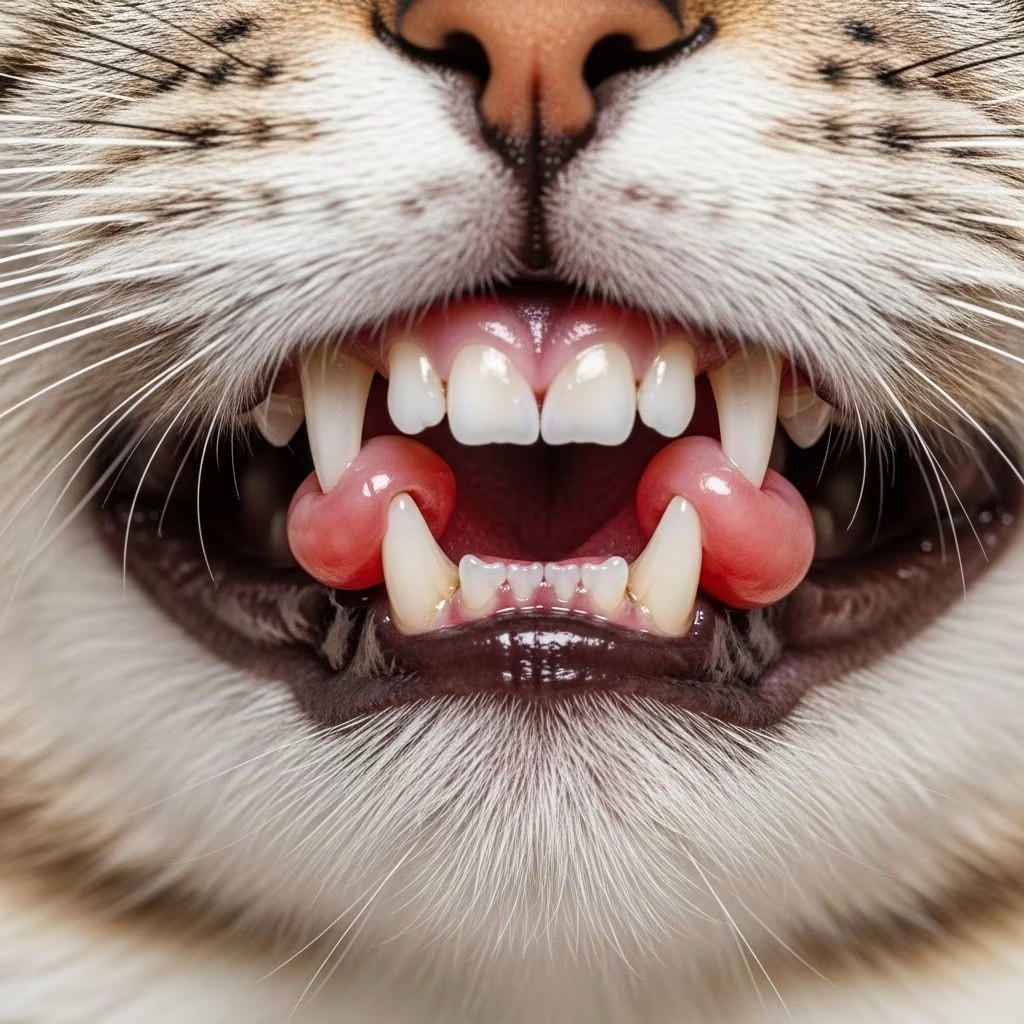
Inflamed gums in cats are a common yet concerning sign of underlying dental issues, most frequently **gingivitis** or its more severe form, **stomatitis**. These conditions affect the soft tissues surrounding the teeth, causing redness, swelling, pain, and potential complications if untreated. Gingivitis involves inflammation along the gumline due to plaque buildup, while stomatitis extends to widespread mouth inflammation, often leading to extreme discomfort. Early detection through signs like bad breath or drooling can prevent progression to periodontal disease or tooth loss.
What Does It Mean If My Cat’s Gums Are Inflamed?
Inflamed gums, medically termed gingivitis, refer to the redness and swelling of the gingiva—the tissue encircling the teeth. This non-specific response indicates irritation from bacterial plaque, which hardens into tartar, eroding gums and forming infection-prone pockets. In cats, this ranges from mild redness to severe cases causing eating difficulties and weight loss. Unlike humans, cats’ unique oral anatomy and grooming habits exacerbate risks, with plaque accumulating rapidly on molars. If inflammation spreads beyond gums to cheeks, tongue, or throat, it may signal **feline chronic gingivostomatitis (FCGS)**, an immune-mediated overreaction to plaque.
Regular gum checks—lifting lips gently to inspect for pink-to-red hues—are vital. Healthy gums are pale pink and firm; inflammation appears bright red, shiny, or ulcerated, often bleeding on touch.
10 Signs & Symptoms of Inflamed Gums in Cats
Recognizing symptoms early is crucial for timely intervention. Cats mask pain, so subtle behavioral shifts warrant attention. Here are the **10 key signs** of inflamed gums:
- Red or swollen gums: Especially around inner cheeks or tooth bases, progressing from mild pinkness to vivid red.
- Bad breath (halitosis): A foul odor from bacterial overgrowth, often the first noticeable clue.
- Drooling: Excessive saliva due to pain or mouth ulcers.
- Difficulty eating: Chewing from one side, dropping food, or refusing meals, risking weight loss.
- Pawing at mouth or face rubbing: Indicating oral pain.
- Difficulty picking up toys/food: Due to tender gums.
- Plaque or tartar buildup: Yellow-brown deposits on teeth.
- Bleeding gums: When brushing or eating.
- Excessive salivation with blood: In advanced stomatitis.
- Unkempt coat or hiding: From pain hindering grooming or activity.
Monitor for clusters of these; isolated bad breath might be diet-related, but combined with redness, seek veterinary care.
7 Common Causes of Inflamed Gums in Cats
Understanding root causes guides prevention and treatment. Primary trigger is plaque—a biofilm of bacteria, food debris, and saliva minerals hardening into tartar within days. Key causes include:
- Poor dental hygiene: Lack of brushing allows bacterial proliferation.
- Soft food diets: Reduce natural abrasion, promoting plaque.
- Age: Older cats (>3 years) accumulate more tartar.
- Crowded/misaligned teeth: Traps debris.
- Feline Leukemia Virus (FeLV): Weakens immunity, worsening gingivitis.
- Autoimmune diseases: Trigger hypersensitivity to plaque, as in FCGS.
- Other factors: Diabetes, hyperthyroidism, or stress impair oral health.
Brachycephalic breeds (e.g., Persians) face higher risks from tooth crowding.
How Is Inflamed Cat Gums Diagnosed?
Veterinarians diagnose via physical exam, lifting lips to assess gum color, tartar, and pockets. Dental probing measures attachment loss. Full diagnosis requires anesthesia for radiographs detecting bone loss or abscesses, and biopsies ruling out tumors or FCGS. Bloodwork screens for FeLV or systemic issues. Staging uses AAHA guidelines: mild (gingivitis), moderate (pocket formation), severe (stomatitis).
Treatment for Inflamed Gums in Cats
Treatment escalates with severity. Core approach: professional dental cleaning under anesthesia—scaling removes tartar sub- and supragingivally, polishing prevents recurrence. Extractions are common in stomatitis (up to 100% teeth in FCGS for 80-90% remission).
| Condition | Treatment Options | Success Rate |
|---|---|---|
| Mild Gingivitis | Professional cleaning + home care | High with maintenance |
| Moderate | Cleaning + antibiotics/pain meds | 70-80% |
| Severe Stomatitis | Full/partial extractions + immunosuppressants | 80-95% post-extractions |
Supportive meds: antibiotics (Clindamycin), anti-inflammatories (meloxicam), or steroids for FCGS. Pain management is priority to restore appetite.
Recovery from Inflamed Gums & Long-Term Prognosis
Post-cleaning recovery: soft food 7-10 days, pain meds 3-5 days. Full appetite returns in 1-2 weeks. Prognosis excels with compliance—mild cases resolve fully, stomatitis needs ongoing monitoring. Untreated, risks include sepsis or organ damage from bacteria. Lifelong home care halves recurrence.
How to Prevent Inflamed Gums in Cats
- Daily brushing: Use enzymatic toothpaste 3-7x/week.
- Dental diets/treats: VOHC-approved reduce plaque.
- Water additives: Chlorhexidine-based.
- Annual vet dentals: From age 1-3.
- Regular exams: Check gums monthly.
Frequently Asked Questions (FAQs)
What are inflamed gums in cats?
Inflamed gums (gingivitis) are red, swollen tissues around teeth from plaque-induced bacterial infection.
Will gingivitis go away on its own in cats?
No, professional intervention is required; home care prevents but doesn’t reverse established disease.
Are inflamed gums in cats painful?
Yes, causing eating avoidance and drooling.
Can inflamed gums in cats cause bad breath?
Absolutely, halitosis is a hallmark from anaerobic bacteria.
How much does it cost to treat inflamed gums in cats?
Cleaning: $500-1200; extractions/stomatitis: $1000-4000+, varying by case/location.
Is stomatitis the same as gingivitis?
No, stomatitis is severe, immune-driven inflammation beyond gums.
References
- Gingivitis in Cats – What Are The Symptoms, Causes & Treatments — Mooresville Animal Hospital. 2022-09-30. https://www.mooresvilleanimalhospital.com/site/blog/2022/09/30/gingivitis-in-cats-symptoms-causes–treatments
- Gingivitis in Cats – Symptoms, Causes & Treatments — Queens Animal Hospital. 2023-11-23. https://www.queensanimalhospital.com/site/blog/2023/11/23/gingivitis-cats
- Gingivitis in Cats: Causes, Symptoms & Treatment — Apple Valley Animal Hospital. 2023-11-15. https://www.applevalleyanimalhospital.com/site/blog/2023/11/15/gingivitis-cats-causes-symptoms-treatment
- Gingivitis and Stomatitis in Cats — VCA Animal Hospitals. N/A. https://vcahospitals.com/know-your-pet/gingivitis-and-stomatitis-in-cats
- Gum Disease in Cats — PetMD. N/A. https://www.petmd.com/cat/conditions/mouth/gum-disease-in-cats
- Gingivitis in Cats — Purina US. N/A. https://www.purina.com/articles/cat/health/dental/gingivitis-in-cats
- Gingivostomatitis — Cornell University College of Veterinary Medicine. N/A. https://www.vet.cornell.edu/departments-centers-and-institutes/cornell-feline-health-center/health-information/feline-health-topics/gingivostomatitis



