

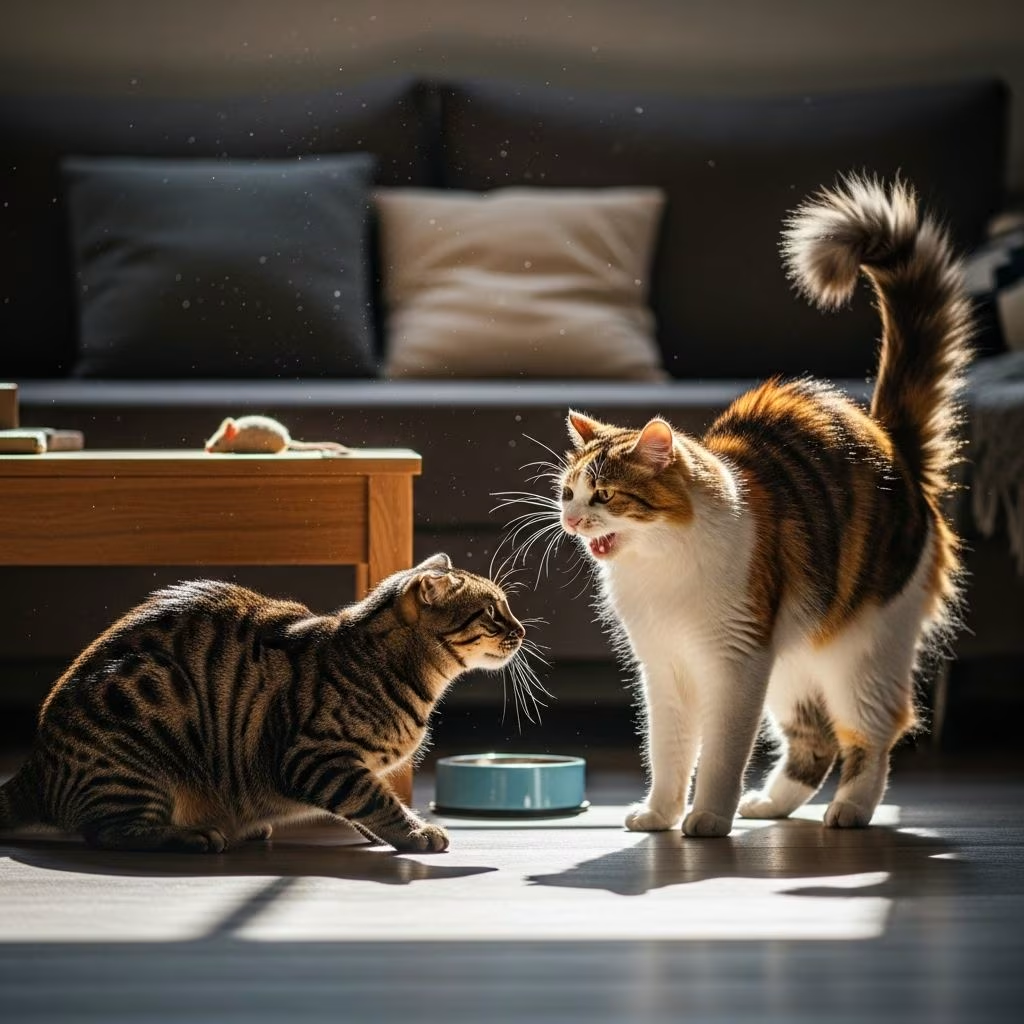
Seeing your cats suddenly hissing, swatting, or chasing each other can be alarming and heartbreaking. Cat fights in a multi-cat household are common but often stem from understandable triggers like territory disputes, stress, or unmet needs. Understanding the root causes and taking prompt, appropriate action can help restore peace without escalating the problem.
Is It Play or a Real Fight?
Distinguishing between playful roughhousing and true aggression is crucial for effective intervention. Play fighting typically involves loose, relaxed body language: ears forward, tails up or gently swishing, and no intense vocalizing like growling or yowling. Cats taking turns ‘attacking’ and retreating, with breaks to groom or rest, indicate fun rather than fury.
In contrast, real fights show stiff bodies, flattened ears, dilated pupils, hissing, growling, and raised fur (piloerection). One cat may stalk, pounce aggressively, or pin the other without allowing escape. Bites that draw blood or cause injury signal serious conflict. Watch for signs of fear in the ‘victim’ cat, such as hiding, avoidance, or stress-related behaviors like over-grooming or inappropriate elimination.
Why Do Cats Fight? 8 Common Reasons
Cats are solitary hunters by nature, and introducing multiple felines into one home can lead to tension. Here are the primary culprits behind inter-cat aggression:
- Territorial Aggression: Cats fiercely defend their space. A new cat, rearranged furniture, or even a visitor can trigger territorial disputes, especially among intact males or females during breeding seasons.
- Fear or Defensive Aggression: A cat feeling cornered lashes out to create escape space. This often occurs after startling events like loud noises or unfamiliar scents.
- Redirected Aggression: Unable to reach an outdoor trigger (like a stray cat seen through a window), a cat redirects frustration onto a housemate. Blocking sightlines with blinds or deterrents helps.
- Play Aggression Gone Wrong: Kittens play-fight to hone skills, but as adults, mismatched energy levels or boredom can turn play hostile. Boredom is a top cause, leading to excess energy discharge on siblings.
- Status-Related Aggression: Around 2-4 years old, cats reach social maturity and may challenge for hierarchy, especially after group changes like a death or new arrival.
- Pain or Illness: Underlying health issues make cats irritable. A vet check is essential, as pain lowers tolerance thresholds.
- Resource Competition: Limited litter boxes, food bowls, or perches spark conflicts. The ‘N+1 rule’ (resources for each cat plus one extra) prevents this.
- Improper Introductions: Rushing new cat integrations without gradual scent swapping and separation leads to lifelong enmity.
How Do You Stop Cats From Fighting Right Now?
Immediate intervention prevents injuries and learned aggression. Never physically separate fighting cats yourself—risk of bites or scratches to you is high. Instead:
- Use a loud clap, hiss, or compressed air canister to startle them apart without touch.
- Toss a soft blanket or pillow over one cat to block sight and diffuse tension.
- Distract with toys like laser pointers or feather wands to redirect energy positively.
- Separate into different rooms immediately, providing each with food, water, litter, and toys. Allow cooling off for hours or days.
Avoid punishment, as it heightens fear and worsens aggression. Once calm, reinforce peace with treats.
Never Punish Cats for Fighting
Physical corrections like spraying water, tapping noses, or yelling increase anxiety and can be seen as challenges, escalating violence. Cats don’t connect punishment to their actions post-facto. Positive reinforcement—rewarding calm coexistence—builds better associations. Patience is key; aggression habits form quickly but take time to unlearn.
10 Tips to Prevent Cat Fights Long-Term
Proactive management creates a low-stress environment. Implement these strategies:
- Spay/Neuter Early: Reduces hormone-driven aggression by up to 90% if done before one year.
- Enrich the Environment: Provide ample vertical space (cat trees, shelves), hiding spots, and toys. Rotate toys to combat boredom.
- Follow N+1 Rule: One litter box, food station, water bowl, and scratch post per cat, plus one extra.
- Scheduled Feeding/Play: Use timed feeders and daily interactive sessions to reduce competition and burn energy.
- Slow Reintroductions: For ongoing issues, isolate the aggressor, swap scents via blankets, then progress to carrier meetings with treats.
- Block Triggers: Cover windows to hide outdoor cats, use motion sprinklers, or electronic mats.
- Calming Aids: Pheromone diffusers (Feliway) mimic facial pheromones to ease tension.
- Health Checks: Annual vet exams rule out pain or illness.
- Tech Solutions: Microchip pet doors allow safe access for the victim cat only.
- Professional Help: If unresolved, consult a veterinary behaviorist for meds alongside behavior mods.
Cat Fight Injuries: What to Watch For
Cat bites are puncture wounds prone to abscesses from bacteria in mouths. Monitor for swelling, limping, lethargy, or pus. Clean superficial scratches with antiseptic; seek vet care for bites, especially deep ones. Keep fighting cats indoors post-incident to monitor healing and prevent infection spread.
| Symptom | Action |
|---|---|
| Swelling or heat at wound | Vet visit for antibiotics |
| Lethargy, fever | Immediate vet exam |
| Superficial scratches | Clean, monitor |
Frequently Asked Questions (FAQs)
Will my cats stop fighting on their own?
Rarely. ‘Fighting it out’ worsens issues; cats don’t resolve hierarchies like dogs. Intervention is needed.
How long to separate fighting cats?
From hours to weeks, depending on severity. Reintroduce gradually once stress signs fade.
Can medication stop cat fights?
Yes, but only with behavior changes. Anti-anxiety meds help severe cases under vet guidance.
Why do neutered cats still fight?
Hormones aren’t the only cause; territory, stress, and resources play roles.
Is it normal for sibling cats to fight?
Yes, especially as they mature. Play turns serious if needs aren’t met.
References
- Cat Fight: 10 Tips for Stopping & Preventing Cat Aggression — Amy Shojai, Cat Behavior Consultant. 2023-05-15. https://amyshojai.com/cat-fight-what-to-do/
- Feline Behavior Problems: Aggression — Highway 92 Animal Hospital. 2024-02-10. https://www.hwy92ah.com/blog/feline-behavior-problems-aggression
- Preventing Cat Fights — Ruff Start Rescue. 2020-04-17. https://ruffstartrescue.org/2020/04/17/preventingcatfights/
- How Can I Keep My Cats From Fighting? — Columbia Veterinary Emergency, Trauma & Specialty. 2023-11-20. https://cvets.net/how-can-i-keep-my-cats-from-fighting/
- Aggression Between Cats in Your Household — ASPCA. 2024-08-01. https://www.aspca.org/pet-care/cat-care/common-cat-behavior-issues/aggression-between-cats-your-household



