

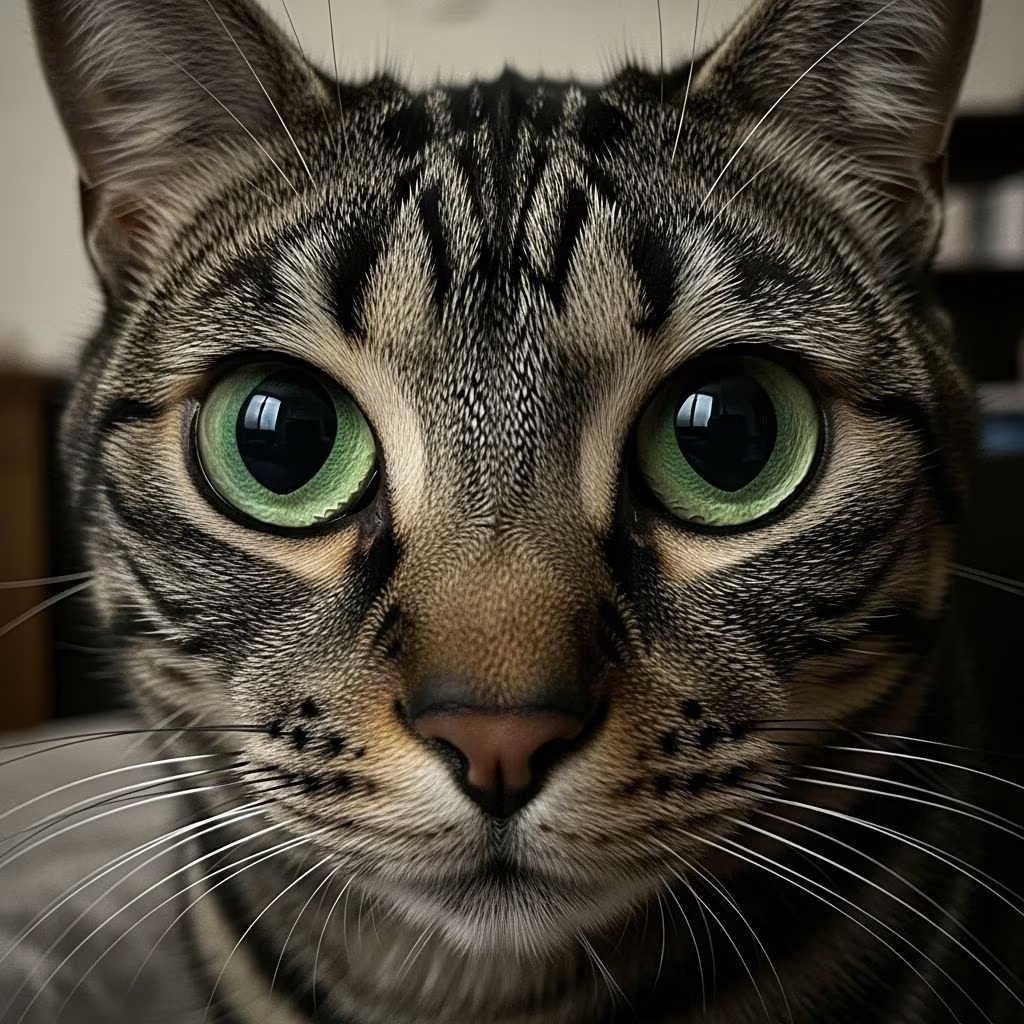
Cat eyes are remarkable organs that communicate a lot about their owner’s well-being. Dilated pupils, known medically as mydriasis, can signal anything from a playful mood to a potential health crisis. Understanding the difference between normal dilation and problematic cases is crucial for every cat parent. This comprehensive guide explores the reasons behind dilated cat pupils, when to worry, and steps to take for your feline companion’s eye health.
What Does It Mean When a Cat’s Eyes Are Dilated?
A cat’s pupils naturally adjust in size to regulate light entering the eye, much like human pupils. In bright light, pupils constrict to a narrow slit; in dim conditions, they dilate widely to capture more light for better vision. However, dilated pupils aren’t always about lighting. They serve as a window into your cat’s emotional and physical state.
During excitement, such as chasing a toy or playing, adrenaline surges cause pupils to expand, enhancing focus and reaction speed. Fear or stress triggers a similar response as part of the fight-or-flight mechanism, preparing the cat for quick action. Pain, whether from injury or illness, can also dilate pupils, often accompanied by other signs like hiding or reduced appetite.
Normal Reasons for Dilated Pupils in Cats
Most instances of pupil dilation are benign and resolve quickly. Recognizing these normal triggers helps avoid unnecessary worry.
- Low Light Conditions: Cats are crepuscular, most active at dawn and dusk. In dim environments, pupils dilate to improve night vision, allowing more light to reach the retina.
- Excitement and Play: When your cat pounces on a feather toy or enjoys catnip, pupils widen due to heightened arousal and focus.
- Fear or Anxiety: A sudden noise or unfamiliar visitor can cause defensive dilation, often with ears back and tail twitching.
- Pain Response: Mild discomfort from a scratch or dental issue may dilate pupils temporarily as the body mobilizes.
These normal dilations respond to light changes: pupils should constrict in bright light within seconds. If they don’t, further investigation is needed.
Abnormal Causes: When Dilated Pupils Signal a Problem
Persistent or unresponsive dilation, especially if affecting one eye (anisocoria) or paired with other symptoms, indicates potential issues. Seek veterinary care promptly.
Eye-Specific Conditions
- Glaucoma: Increased intraocular pressure damages the optic nerve, causing wide pupils, redness, and cloudiness. It’s painful and can lead to blindness if untreated.
- Progressive Retinal Atrophy (PRA): Genetic degeneration of retinal cells leads to night blindness and dilated pupils as vision fades.
- Iris Atrophy: Age-related thinning of the iris creates a ‘holey’ appearance, preventing normal constriction.
- Ocular Tumors: Growths in eye structures cause dilation, discharge, and pain. Early detection improves outcomes.
- Corneal Ulcers or Uveitis: Inflammation or scratches lead to unequal dilation and squinting.
Systemic and Neurological Issues
- Anisocoria: Uneven pupils from trauma, infections, or neurological problems. One pupil larger signals urgency.
- Hypertension: High blood pressure, common in older cats or kidney disease, detaches retinas and dilates pupils. Look for weight loss and poor coat.
- Feline Dysautonomia (Key-Gaskell Syndrome): Affects the autonomic nervous system, causing fixed dilation, breathing issues, and prolapse of the third eyelid.
- Infectious Diseases: Feline Leukemia Virus (FeLV), Feline Immunodeficiency Virus (FIV), or herpesvirus inflame eyes, leading to dilation.
- Kidney Disease or Systemic Illness: Toxin buildup causes hypertension and pupil changes.
Toxicity and Trauma
- Toxins: Plants like lilies, human meds (e.g., ibuprofen), or permethrins in flea products cause dilation, drooling, and seizures. Act fast with decontamination.
- Head Trauma: Concussions from falls dilate pupils unevenly; watch for disorientation or bleeding.
- Medications: Atropine for glaucoma dilates pupils as a side effect, increasing light sensitivity.
Cats with poor vision from age or disease may have chronically dilated pupils and squint frequently.
Should I Be Worried If My Cat’s Eyes Are Dilated for a Long Time?
Yes, prolonged dilation (over 30-60 minutes unresponsive to light) warrants a vet visit, especially with symptoms like:
- Unequal pupil sizes
- Redness, discharge, or cloudiness
- Lethargy, vomiting, or appetite loss
- Behavioral changes: hiding, aggression, or stumbling
- Third eyelid protrusion
Life-threatening causes like toxicity or trauma show multisystem signs: excessive salivation, ataxia, or collapse. Geriatric cats deserve regular eye exams due to higher risks.
How Does a Vet Diagnose Dilated Pupils in Cats?
Veterinarians start with a full ophthalmic exam using a penlight to check light response, fluorescein stain for ulcers, and tonometry for glaucoma pressure. Bloodwork screens for infections, hypertension, or organ failure. Imaging like X-rays or ultrasounds rules out tumors or trauma. Prognosis varies: benign cases resolve quickly, while glaucoma needs lifelong management.
| Condition | Symptoms | Treatment |
|---|---|---|
| Glaucoma | Pain, redness, wide pupils | Pressure-lowering drops, surgery |
| Anisocoria | Uneven pupils, discharge | Treat underlying cause (e.g., antibiotics) |
| Toxicity | Dilation, vomiting, seizures | Decontamination, supportive care |
| Hypertension | Dilated pupils, blindness | Blood pressure meds, diet |
Treatment Options for Cats with Dilated Pupils
Treatment targets the root cause. Eye drops reduce inflammation or pressure in glaucoma/uveitis. Surgery removes tumors or shunts fluid in advanced cases. For systemic issues, manage hypertension with amlodipine or treat infections with antivirals. Supportive care includes pain relief and fluids for toxicity. Monitor at home: note duration, symmetry, and concurrent symptoms.
Prevention and Home Care Tips
- Regular vet check-ups, especially for seniors.
- Secure toxins: no lilies, secure meds.
- Maintain flea prevention without permethrins.
- Provide dim lighting for night vision without stress.
- Watch for early signs during play or feeding.
Early intervention preserves vision and quality of life.
Frequently Asked Questions (FAQs)
What if only one of my cat’s eyes is dilated?
This is anisocoria, often from trauma, ulcers, or glaucoma. It’s a medical emergency—contact your vet immediately.
Do dilated pupils always mean pain in cats?
No, they can indicate excitement or low light, but persistent dilation with hiding or reduced eating suggests pain.
Can stress cause long-term pupil dilation?
Acute stress dilates temporarily; chronic stress may need environmental changes, but unresolving cases require vet evaluation.
Is pupil dilation common in senior cats?
Yes, due to PRA, hypertension, or atrophy. Annual eye exams are vital.
What toxins commonly dilate cat pupils?
Lily plants, permethrins, human NSAIDs, and certain antidepressants. Keep them inaccessible.
References
- Why Do Cats’ Eyes Dilate: Everything You Need to Know — Total.Vet. 2023. https://total.vet/why-do-cats-eyes-dilate/
- Dilated Pupils (Mydriasis) in Cats – Causes, Treatment — Vetster. 2024. https://vetster.com/en/symptoms/cat/dilated-pupils-mydriasis
- Cat Eye Dilations: When to Worry — Petcube. 2023. https://petcube.com/blog/cats-eyes-are-dilated/
- Why Do Cats’ Eyes Dilate? — Fetch Pet Insurance. 2024. https://www.fetchpet.com/the-dig/cat-eyes-dilated
- Anisocoria in Cats: Why Your Cat’s Eyes Are Different Pupil Sizes — PetMD. 2024. https://www.petmd.com/cat/conditions/eyes/c_ct_anisocoria



