

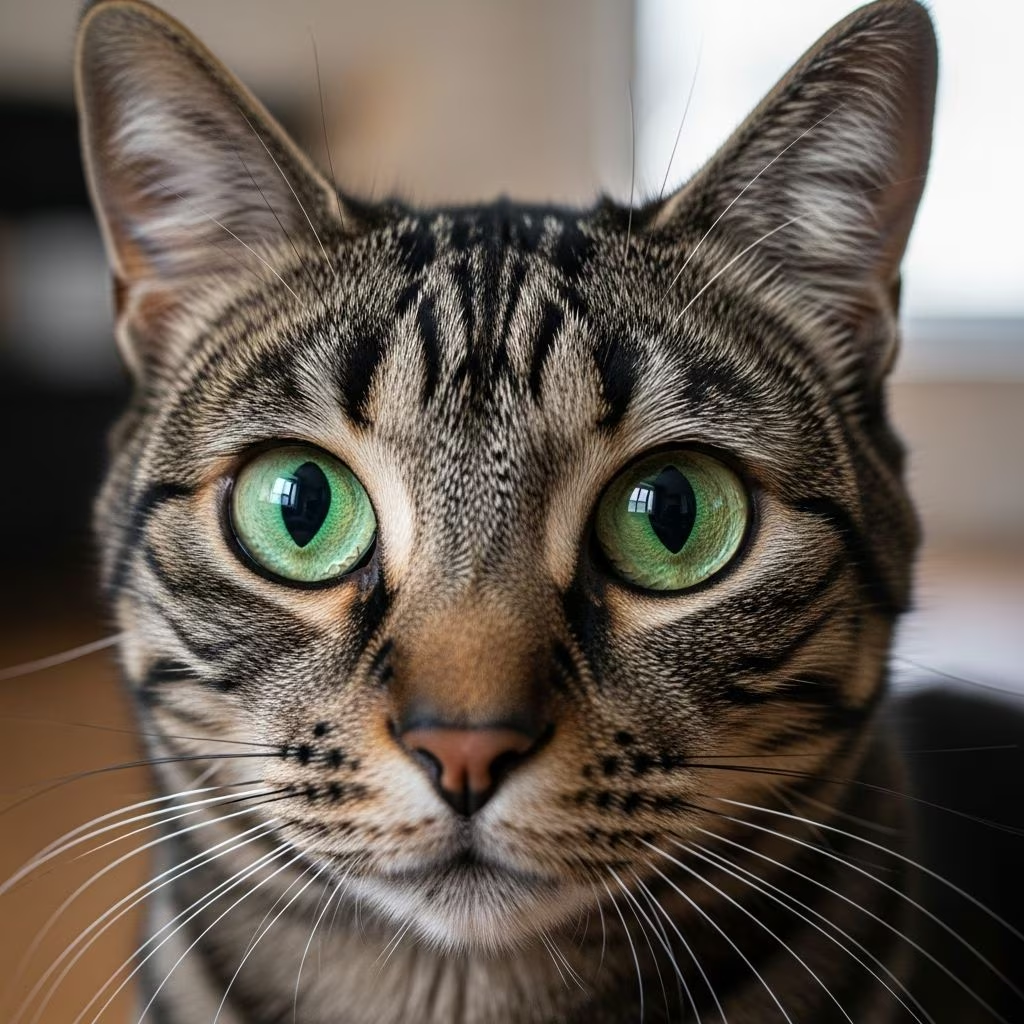
Cat eyes are remarkable, with pupils that can expand dramatically into large black circles or contract to narrow slits. This pupil dilation, known as mydriasis, is a natural adaptation that helps cats see better in varying light conditions. However, persistently dilated pupils can signal underlying health issues, from minor stress to serious diseases like glaucoma or toxicity. Understanding the difference between normal and abnormal dilation is crucial for every cat owner to ensure timely veterinary intervention when needed.
In this comprehensive guide, we’ll explore the anatomy of a cat’s eye, common reasons for dilation, when to worry, specific medical conditions, and expert advice on what to do next. By the end, you’ll be equipped to assess your cat’s eye health confidently and know precisely when professional help is required.
Understanding Cat Pupil Dilation
A cat’s pupil is the black opening in the center of the eye, surrounded by the colored iris. Unlike human pupils, which are round, cat pupils are elliptical and can dilate up to 135% wider than their constricted state, providing superior low-light vision essential for nocturnal hunters. The iris muscles control pupil size: the dilator muscle expands the pupil in dim light or during arousal, while the sphincter muscle constricts it in bright light.
Normal dilation occurs rapidly in response to stimuli and reverses just as quickly. For instance, in low light, pupils dilate to allow more light onto the retina, enhancing night vision. This is why cats’ eyes glow eerily in the dark—the tapetum lucidum layer reflects light back through the retina. Emotional states like excitement or fear also trigger dilation via the sympathetic nervous system, preparing the cat for ‘fight or flight.’ If pupils remain fixed and dilated despite changes in light or calm behavior, it warrants investigation.
Normal Reasons for Dilated Pupils in Cats
Most instances of dilated cat eyes are benign and tied to everyday situations. Recognizing these helps distinguish them from problems.
- Low Light Conditions: In dim environments, pupils naturally dilate to maximize light intake. This is most noticeable at dusk or night, and pupils should constrict within seconds in brighter light.
- Excitement and Play: During zoomies, toy chases, or catnip sessions, adrenaline surges cause pupil expansion. Pupils return to normal once the cat relaxes.
- Fear or Stress: Threatened cats show wide pupils as part of the fear response, often with flattened ears and arched backs. This resolves when the stressor is removed.
- Arousal or Affection: Content purring or kneading can mildly dilate pupils, signaling happiness or hormonal states like heat cycles.
These normal dilations are symmetrical (both eyes equal), responsive to light, and transient—typically lasting under a minute unless the stimulus persists.
Abnormal Pupil Dilation: When to Worry
Concern arises when pupils stay dilated for extended periods (over 30 minutes), fail to respond to light changes, affect only one eye (anisocoria), or accompany other symptoms like lethargy, vomiting, squinting, discharge, or behavioral changes. Persistent mydriasis can indicate nerve damage, eye disease, toxicity, or systemic illness. Veterinary sources emphasize immediate attention for unresponsive pupils, as delays can lead to blindness or worse.
Key red flags include:
- Uneven pupil sizes (one dilated, one normal)
- Dilated pupils in bright light
- Accompanying signs: drooling, wobbling, appetite loss, eye redness, cloudiness, or breathing issues
Any cat, regardless of age or breed, can experience abnormal dilation, but seniors and those with known conditions like hypertension are at higher risk.
Medical Causes of Dilated Pupils in Cats
Several health issues can cause pathological mydriasis. Here’s a breakdown of common culprits:
Eye-Specific Conditions
- Glaucoma: Elevated intraocular pressure damages the optic nerve, causing fixed dilated pupils, pain, tearing, and cloudy corneas. It’s an emergency; untreated, it leads to blindness.
- Progressive Retinal Atrophy (PRA): Genetic degeneration of retinal cells results in night blindness and dilated pupils as vision fades.
- Iris Atrophy: Age-related thinning of the iris creates ‘holes,’ leading to poor pupil control and dilation, often unilateral.
- Ocular Tumors: Growths in eye structures cause dilation, pain, discharge, and third eyelid protrusion.
- Anisocoria: Unequal pupils from ulcers, trauma, or inflammation; the dilated eye often shows redness or discharge.
Systemic and Neurological Issues
- Hypertension: Common in older cats with kidney or heart disease; causes retinal detachment and dilated pupils alongside weight loss and poor coat.
- Feline Dysautonomia (Key-Gaskell Syndrome): Rare autonomic nervous system disorder leading to dilated pupils, dry eyes, regurgitation, and prolapse of the third eyelid.
- Infectious Diseases: Feline Leukemia Virus (FeLV), Feline Immunodeficiency Virus (FIV), or herpesvirus inflame eyes, causing dilation.
- Toxicity: Plants (lilies), human meds (atropine), or chemicals dilate pupils with symptoms like vomiting, seizures, or ataxia.
- Trauma or Pain: Head injuries or non-eye pain (e.g., arthritis) trigger dilation; eye trauma adds swelling or bleeding.
Other factors include medications (e.g., atropine for glaucoma) and conditions like renal failure or hypoglycemia.
Diagnosing Dilated Pupils in Cats
Vets start with a full ophthalmic exam using a penlight to test pupil response, fluorescein stain for ulcers, and tonometry for glaucoma pressure. Bloodwork screens for infections, toxins, or organ issues; imaging like X-rays or ultrasounds checks for tumors or trauma. Schirmer tear tests assess dry eyes in dysautonomia. Prognosis varies: benign causes resolve quickly, while glaucoma or tumors may require lifelong management or enucleation.
Treatment Options for Cats with Dilated Pupils
Treatment targets the root cause:
| Condition | Treatment |
|---|---|
| Glaucoma | Pressure-lowering drops (e.g., latanoprost), surgery, or eye removal |
| Toxicity | Decontamination, IV fluids, antidotes |
| Hypertension | Blood pressure meds like amlodipine, underlying disease management |
| Infections | Antivirals, antibiotics |
| PRA/Iris Atrophy | Supportive care; no cure |
Supportive care includes pain relief, lubricants for dry eyes, and monitoring. Early intervention improves outcomes dramatically.
Prevention and Home Care Tips
Annual vet check-ups, especially for seniors, catch issues early. Maintain a tox-free home, manage hypertension with diet, and provide stable lighting to avoid misinterpreting normal dilation. Regular play reduces stress-related episodes.
Frequently Asked Questions (FAQs)
What does it mean if my cat’s eyes are dilated?
Usually normal (light, excitement), but persistent cases signal health issues like glaucoma or toxicity.
Should I worry if only one eye is dilated?
Yes, anisocoria often indicates unilateral problems like ulcers or trauma—see a vet ASAP.
Can stress cause permanent pupil dilation?
No, stress dilation is temporary; lasting dilation needs medical evaluation.
Do older cats always have dilated pupils?
Not always, but age-related vision loss or hypertension can cause it—regular exams are key.
How quickly should I take my cat to the vet?
Immediately if unresponsive to light or with other symptoms; within 24 hours for isolated persistence.
References
- Why Do Cats’ Eyes Dilate: Everything You Need to Know — Total.Vet. 2023. https://total.vet/why-do-cats-eyes-dilate/
- Dilated Pupils (Mydriasis) in Cats – Causes, Treatment — Vetster. 2024-01-15. https://vetster.com/en/symptoms/cat/dilated-pupils-mydriasis
- Cat Eye Dilations: When to Worry — Petcube. 2023. https://petcube.com/blog/cats-eyes-are-dilated/
- Why Do Cats’ Eyes Dilate? — Fetch Pet Insurance. 2024. https://www.fetchpet.com/the-dig/cat-eyes-dilated
- Should I Be Worried About My Cat’s Dilated Eyes? — Rover.com. 2023. https://www.rover.com/blog/why-are-my-cats-eyes-dilated/



