

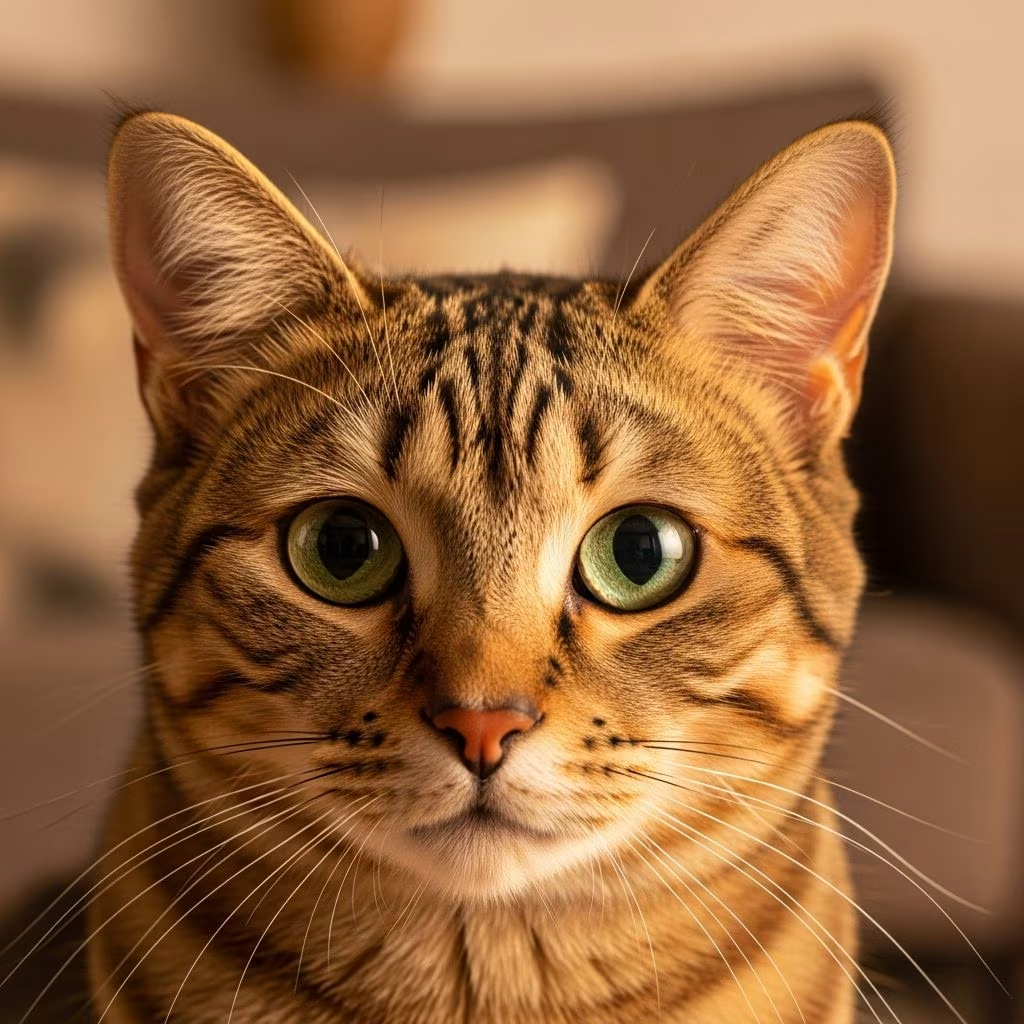
Cat owners often notice their feline friend’s ears feeling unusually warm during petting sessions, prompting concern with questions like “Why are my cat’s ears hot?” This sensation can stem from benign physiological responses or signal underlying health issues. Understanding the distinction is crucial for timely intervention. Cats’ ears, with their thin skin and rich blood supply, serve as efficient thermometers for body temperature and external influences. While warmth is often normal, persistent heat combined with other symptoms warrants professional evaluation.
Are My Cat’s Ears Supposed to Be Warm?
Yes, a cat’s ears are typically warm to the touch due to their vascular structure, which aids in heat dissipation. Normal cat ear temperature ranges from slightly above body temperature, around 101-102.5°F (38.3-39.2°C), but feels hotter against cooler human hands. Factors like recent sunbathing or cold hands can exaggerate this perception. However, if ears are excessively hot, red, or accompanied by behavioral changes, it may indicate a problem. Veterinary sources emphasize that isolated warmth rarely signals illness; context matters.
Reasons Why Your Cat’s Ears Are Hot
Six primary reasons explain hot cat ears, ranging from harmless to pathological. These include no apparent reason, environmental responses, allergies, fever, ear mites, and infections. Each is detailed below with symptoms and management tips.
1. For No Reason At All
Sometimes, your cat’s ears feel hot without any underlying issue. This occurs because ears are naturally warmer from blood flow. If you’ve just handled something cold, the contrast amplifies the sensation. Cats groom and rub ears frequently, temporarily increasing local heat via friction. No treatment needed unless persistent. Monitor for one-off occurrences.
2. Responding to the Weather
Cats regulate body temperature by directing blood to extremities like ears, paws, and nose during heat. In warm environments, increased circulation dissipates excess heat efficiently. Sunbathing cats often have notably warm ears. Prevent overheating by providing shade, fresh water, daily brushing to remove excess fur, and cooling mats. Extreme heat risks heatstroke, signaled by panting or lethargy—cool immediately and seek vet care.
3. Allergies
Allergies cause inflammation, leading to warmer ears. Common triggers include pollen, grass, food proteins, fleas, or dust mites. Affected cats show hot ears alongside itching, excessive licking, sneezing, watery eyes, diarrhea, or skin redness. Food allergies may cause gastrointestinal upset. Diagnosis involves vet allergy testing or elimination diets. Management includes antihistamines, hypoallergenic food, or immunotherapy. Early intervention prevents secondary infections.
4. Fever Caused by Illness
Fever elevates overall body temperature, making ears noticeably hot. Normal cat temperature is 100.5-102.5°F; over 103°F indicates fever from infections, abscesses, or systemic illness. Accompanying signs: lethargy, appetite loss, vomiting, diarrhea, hiding, warm belly. Use a rectal thermometer for accuracy (lubricate, insert gently 1 inch). Ear thermometers are less precise. Fevers require vet diagnosis—do not medicate at home, as human drugs like acetaminophen are toxic to cats. Treatment targets the root cause, often antibiotics or fluids.
5. Ear Mites
Ear mites (Otodectes cynotis) are tiny, contagious parasites thriving in ear canals, feeding on wax and oils. They cause intense itching, head shaking, scratching, and dark, coffee-ground-like discharge with foul odor. Inflammation from irritation raises ear temperature. Highly contagious to other pets. Vet diagnosis via ear swab microscopy. Treatment: topical acaricides like selamectin (Revolution) or ivermectin cleansers. Clean ears gently with vet-approved solutions; isolate affected cats. Prevent by monthly parasite preventives.
6. Ear Infection
Otitis externa, infection of the outer ear, often secondary to mites, allergies, or wax buildup. Bacteria, yeast (Malassezia), or polyps cause pain, head tilting, odor, pus-like discharge, and warmth/redness from inflammation and self-trauma. Reduced ventilation in waxy ears fosters growth. Vet exam includes cytology for tailored antibiotics, antifungals, or surgery for polyps. Chronic cases need ear flushing under sedation. Home care: avoid cotton swabs; use prescribed cleaners.
Other Possible Causes of Hot Ears in Cats
Beyond the main six, consider:
- Stress or Excitement: Adrenaline boosts circulation, warming ears temporarily.
- Recent Grooming/Activity: Rubbing or playing generates friction heat.
- Heatstroke: Emergency with panting, collapse, drooling; cool with fans/water, rush to vet.
- Abscesses or Trauma: Fight wounds cause localized swelling/heat.
- Autoimmune Diseases: Rare, like pemphigus, causing ear vasculitis.
Always correlate with symptoms for accurate assessment.
Symptoms to Watch For
Isolated hot ears seldom worry vets, but clusters signal trouble:
| Symptom | Possible Cause | Action |
|---|---|---|
| Head shaking/scratching | Mites/Infection | Vet visit |
| Dark discharge/odor | Mites/Yeast | Immediate exam |
| Lethargy/appetite loss | Fever/Illness | Thermometer check, vet |
| Itching/sneezing | Allergies | Allergy testing |
| Panting/collapse | Heatstroke | Emergency cooling/vet |
Track changes in a journal for vet discussions.
When to See a Vet
Consult a veterinarian if hot ears persist >24-48 hours or accompany any red flags. Urgent for heatstroke signs, profuse discharge, balance loss, or facial swelling. Routine checkups catch predispositions early. Delaying risks chronic otitis or hearing loss. Vets perform otoscopy, cytology, cultures for precise treatment.
How to Check Your Cat’s Temperature at Home
Rectal Method (Most Accurate):
- Calm cat, preferably after eating.
- Lubricate digital thermometer with petroleum jelly.
- Lift tail, insert 1 inch bulb-end first.
- Hold 30-60 seconds; normal 100.5-102.5°F.
- Clean/dispose properly.
Alternatives: Ear tympanic thermometers (less reliable in cats); avoid axillary (armpit) for inaccuracy. If >103°F, call vet.
How to Take Care of Your Cat’s Ears
Preventive care minimizes issues:
- Weekly Inspections: Check for wax, redness, debris.
- Gentle Cleaning: Vet-approved wipes/solutions; never deep swab.
- Parasite Control: Monthly topicals like fipronil.
- Diet: Omega-3 rich food for skin health.
- Grooming: Regular brushing reduces allergens.
Avoid water in ears during baths; dry thoroughly.
FAQs
Are cat ears supposed to be warm?
Yes, cat ears are naturally warm due to blood vessels aiding thermoregulation. Concern arises with excess heat plus symptoms.
Why are my cat’s ears hot at night?
Night warmth may follow daytime activity/sun exposure or stress. Check for mites if scratching occurs.
Can stress make a cat’s ears hot?
Yes, stress-induced blood flow elevates ear temperature briefly.
Do indoor cats get ear mites?
Yes, via contaminated items or other pets. Highly contagious.
Is it normal for a kitten’s ears to be hot?
Often normal, but mites common in young cats; monitor closely.
References
- Why are my cat’s ears hot? — Bishop Ranch Veterinary Center. 2023. https://www.webvets.com/blog/why-are-my-cats-ears-hot.html
- Why are my cat’s ears warm? — Cedar Animal Medical Center. 2023-12-15. https://www.cedaranimalmedicalcenter.com/site/blog/2023/12/15/cat-ears-warm
- What To Do if Your Cat’s Ears Are Warm — Cats.com. N/A. https://cats.com/cats-ears-are-warm
- Why Are My Cat’s Ears Warm? — Oxyfresh. N/A. https://www.oxyfresh.com/blogs/pet-health/why-are-my-cat-s-ears-warm
- Why Are My Cats Ears Warm? — Animal Hospital of Redondo Beach. 2024-02-15. https://www.ahorb.com/site/blog/2024/02/15/cats-ears-warm



