

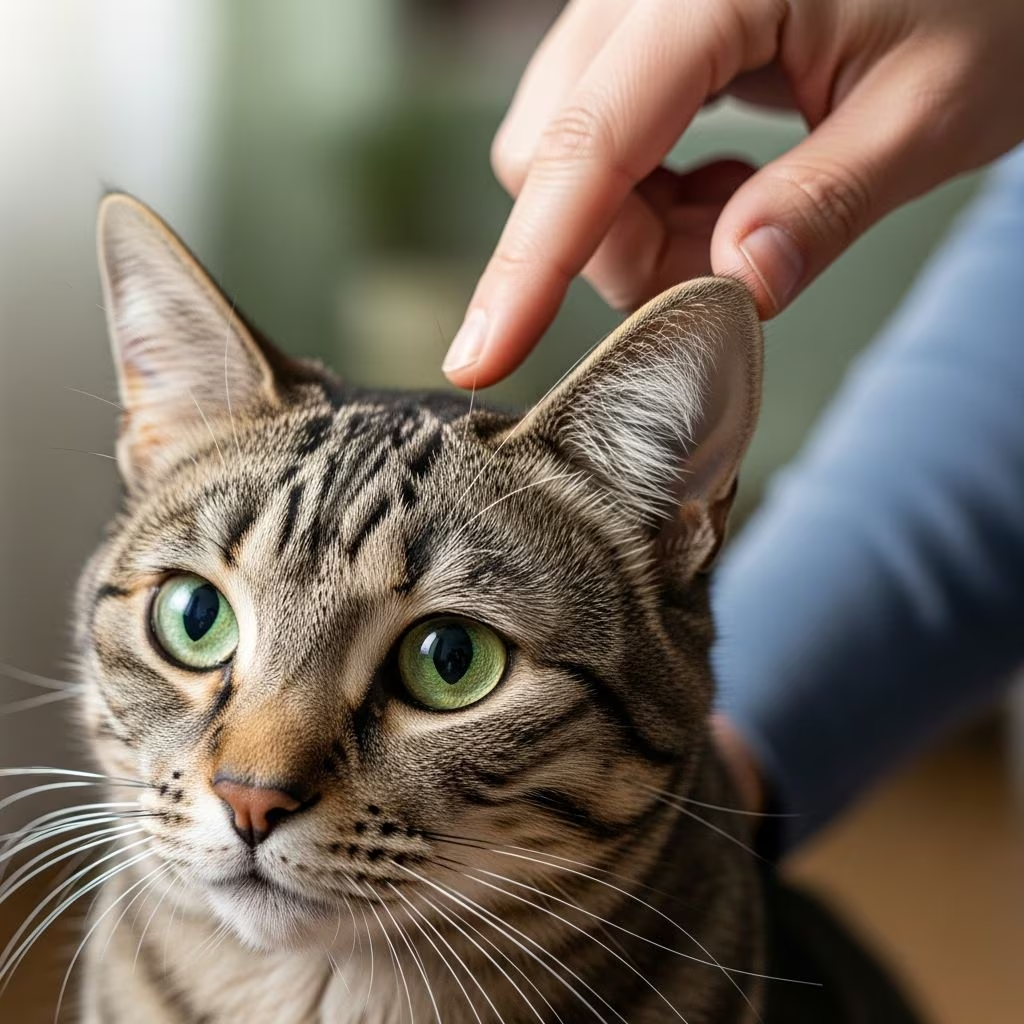
Cat ears often feel cool to the touch due to their role in thermoregulation, as these exposed extremities lose heat faster than the body core. However, persistently or severely cold ears may signal hypothermia, frostbite, poor circulation, or illness, requiring prompt veterinary evaluation.
Why Are Cats’ Ears Cold?
Cats’ ears, paws, and tails are vascular structures designed for heat dissipation, making them cooler than the rest of the body, especially in cooler environments or during rest. A healthy cat’s normal body temperature ranges from 100.5°F to 102.5°F (38.1°C to 39.2°C), and ears may feel slightly cooler but should warm up when the cat is active or curled up.
Indoor cats near air vents or in drafty rooms often have cooler ears from ambient temperature drops. Outdoor cats exposed to wind, rain, or low humidity can experience rapid cooling of ear surfaces. If ears remain icy despite warming measures or accompany other symptoms, underlying issues like reduced blood flow or systemic illness may be at play.
Normal Ear Temperature for Cats
Cat ear temperature typically mirrors core body temperature but varies with activity. Resting cats conserve heat by reducing peripheral blood flow, cooling ears naturally. Measure accurately using a rectal thermometer for core temp; ear touch is indicative but not precise.
- Normal range: Ears feel warm to slightly cool (matching room temp + body heat).
- Concerning: Ice-cold, rigid ears that don’t warm after 10-15 minutes indoors.
- Factors: Sleep, low activity, or post-grooming wetness enhance cooling.
Breeds with thin ear cartilage or sparse fur, like Siamese or Sphynx, are more prone to noticeable temperature drops.
Factors Affecting Ear Temperature
Multiple elements influence ear warmth, from benign environmental shifts to physiological responses. Understanding these helps distinguish normal variation from distress.
Environmental Influences
Ambient conditions dominate ear temperature. Cold rooms below 68°F (20°C) prompt vasoconstriction, shunting blood from extremities to preserve core heat. High airflow from fans/AC or dampness from baths/rain accelerates cooling.
- **Temperature drops:** Ears cool first in chilly settings.
- **Humidity effects:** Wet ears evaporate heat rapidly.
- **Drafts:** Position near vents mimics outdoor exposure.
Circulatory Considerations
Blood flow maintains ear warmth; disruptions cause cooling. Stress/anxiety redirects blood centrally, temporarily chilling ears. Chronic issues like heart disease impair circulation, leading to persistent coldness.
Shock or dehydration thickens blood, reducing peripheral flow. Monitor for rapid heartbeat, pale gums, or weakness alongside cold ears.
Hypothermia Risk
Hypothermia drops core temperature below 99°F (37.2°C), with ears as early indicators. Kittens, seniors, and thin-furred cats are vulnerable, especially outdoors.
Symptoms progress from shivering to lethargy, slow breathing, and collapse. Prevent by maintaining indoor temps 70-80°F (21-27°C), providing beds, and limiting outdoor time in cold.
Common Reasons for Cold Ears in Cats
Beyond environment, health factors contribute. Table below summarizes causes with signs and actions:
| Cause | Key Signs | Action |
|---|---|---|
| Environmental Cold | Cool ears only; cat active/eating normally | Warm room, blankets |
| Poor Circulation | Cold ears/paws, lethargy, pale gums | Vet check for heart/shock |
| Hypothermia | Shivering, weakness, cold body | Emergency warm-up + vet |
| Frostbite | Discolored, swollen, painful ears | Immediate vet |
| Infection/Illness | Cold ears + discharge, fever, appetite loss | Vet exam |
Frostbite
Frostbite strikes in freezing temps (<32°F/0°C), especially wet/windy conditions, affecting ear tips first. Pale/red skin progresses to blisters, necrosis.
- Pain on touch
- Swelling/discoloration (blue/purple)
- Dead tissue in severe cases
Rapid gentle warming (warm water 104°F/40°C, no hot pads) then vet for supportive care; amputation may follow.
Signs of Illness
Cold ears signal infections (ear mites, bacterial), respiratory colds, or organ strain. Accompanying fever paradoxically cools extremities as body prioritizes vitals.
- Discharge, odor from ears
- Sneezing, nasal/eye discharge
- Lethargy, weight loss
Upper respiratory infections mimic colds, with fever causing peripheral cooling.
When to Seek Veterinary Care
Rush to vet if cold ears persist >30 min post-warming or with:
- Shivering, collapse (hypothermia).
- Discolored/painful ears (frostbite).
- Lethargy, anorexia, breathing issues.
- Pale gums, rapid pulse (shock/circulation).
Vets use thermometers, bloodwork, imaging for diagnosis. Early intervention prevents complications like tissue loss or organ failure.
How to Tell If Your Cat Is Cold
Beyond ears, watch for holistic signs:
- Shivering/hunched posture
- Cold paws/tail, slow breathing
- Lethargy, seeking warmth
- Hiding, reduced grooming
Provide heated beds, cover drafts, ensure nutrition for thermogenesis.
Frequently Asked Questions (FAQs)
Are cold ears always a problem in cats?
No, occasional coolness from environment/rest is normal; worry if persistent or with symptoms.
Can my indoor cat get hypothermia?
Yes, in cold homes (<60°F) or illness; seniors/kittens at higher risk.
What does frostbite look like on cat ears?
Pale/swollen skin progressing to blisters, discoloration, pain.
Should I warm cold ears with a hairdryer?
No, use gentle methods like blankets/warm room; direct heat risks burns.
Is fever possible with cold ears?
Yes, body redirects heat centrally during fever/illness.
References
- Why Are My Cats Ears Cold? Causes & When to Worry — Biggie Bees. 2023. https://biggiebees.com/why-are-my-cats-ears-cold/
- Why Are My Cat’s Ears Cold? Vet-Approved Facts & Warning Signs — Catster. 2023. https://www.catster.com/cat-health-care/why-are-my-cats-ears-cold/
- Why Are My Cats Ears Cold? — Animal Medical Center of Chandler. 2023. https://www.amcofc.com/blog/why-are-my-cats-ears-cold
- Disorders of the Outer Ear in Cats — Merck Veterinary Manual. 2024-10-15. https://www.merckvetmanual.com/cat-owners/ear-disorders-of-cats/disorders-of-the-outer-ear-in-cats
- Are Cold Ears a Sign My Cat Is Sick? Here’s How to Tell — Boosie. 2023. https://www.boosie.co/en-us/blogs/journal/cats-ears-are-cold



