

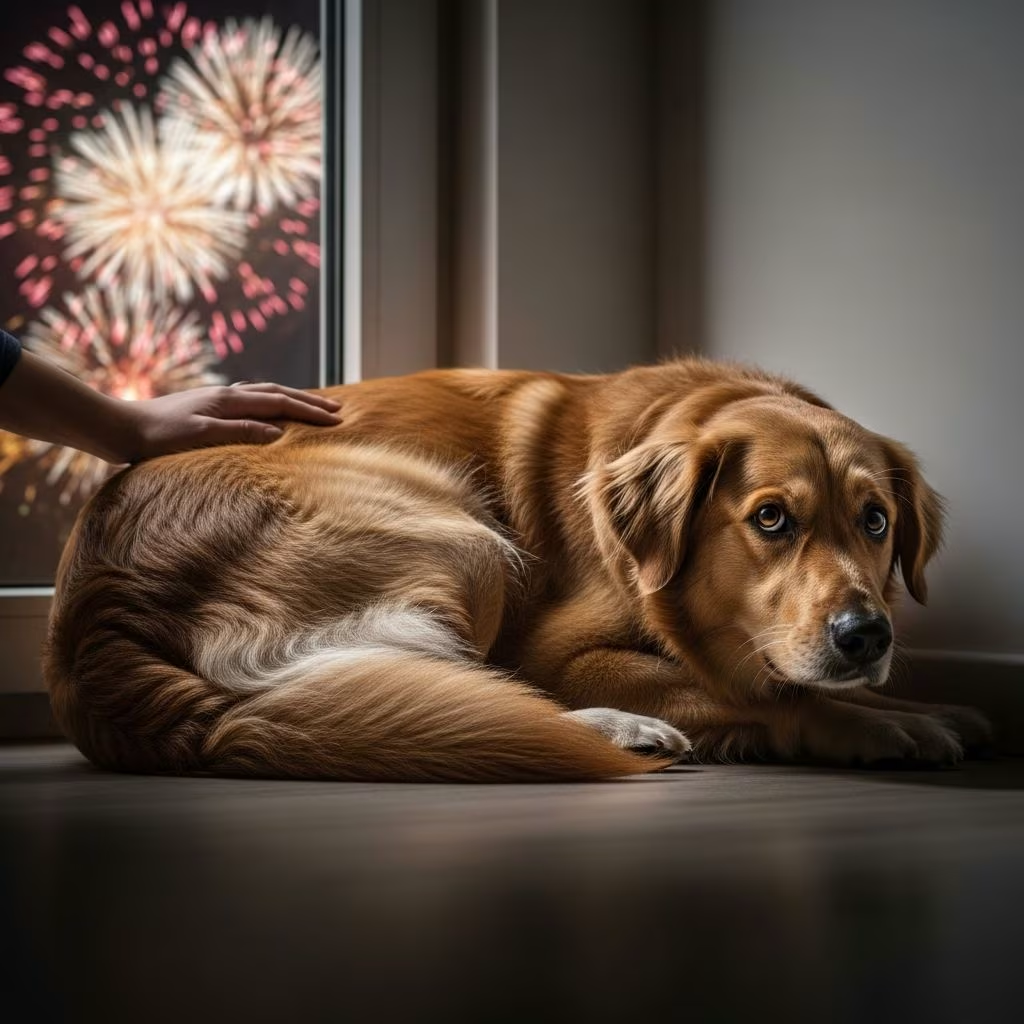
Why Are Dogs Scared of Fireworks?
Fireworks are a beloved tradition for many Americans, lighting up the sky with bright displays and celebratory booms. However, for countless dogs, these festive explosions represent something far different: a terrifying and confusing assault on their senses. If you’ve ever watched your beloved pet cower in fear during a fireworks display, you’ve witnessed firsthand how profoundly these events can affect our canine companions. Understanding why dogs are scared of fireworks is the first step toward helping them cope with this common source of anxiety.
The fear dogs experience during fireworks is not simply nervousness or mild discomfort. For many dogs, it’s a genuine phobia that triggers a stress response similar to what humans experience during a panic attack. At least one-third of dogs suffer from noise aversion, a clinical condition characterized by intense fear and anxiety in response to loud noises. This condition affects dogs across all breeds and ages, though some dogs are genetically predisposed to develop more severe reactions than others.
The Science Behind Canine Hearing and Sensitivity
One of the primary reasons dogs are frightened by fireworks relates to their superior hearing abilities. Dogs can hear frequencies up to 65,000 Hz, compared to humans who can only hear up to 20,000 Hz. This heightened auditory sensitivity means that fireworks sounds are not just louder to dogs—they’re exponentially more intense and overwhelming.
Beyond their acute sense of hearing, dogs also possess a highly developed sense of smell. The combination of loud, unpredictable explosions and the intense chemical smells associated with fireworks creates a multi-sensory assault that leaves many dogs in a state of distress. Unlike familiar loud noises that may have patterns or predictability, fireworks are erratic and impossible for dogs to anticipate. This unpredictability amplifies the fear response, as dogs cannot prepare themselves or understand when the noise will stop.
The sound of fireworks also differs significantly from other loud noises that might frighten dogs. While thunderstorms follow certain natural patterns and rhythms that dogs may eventually recognize, fireworks are sudden, intense, and chaotic. This erratic nature makes fireworks particularly anxiety-inducing for canines.
Understanding the Fear Response: Natural Instincts vs. Phobias
Fear of loud noises is a natural survival instinct in dogs, rooted in their ancestral origins as wild animals. In nature, sudden loud sounds often indicate danger, so dogs are biologically programmed to respond to such stimuli with heightened alertness and caution. This fight-or-flight response, while protective in natural settings, becomes problematic when triggered repeatedly by fireworks, especially in domestic environments where escape is impossible.
It’s important to distinguish between normal fear and noise phobia. A phobia goes above and beyond a normal fear response—it’s an extreme, profound reaction that’s disproportionate to the actual threat, accompanied by significant physical symptoms. Dogs with noise phobias experience overwhelming fear that can come on suddenly and often lasts well beyond the duration of the triggering event.
Research suggests that noise phobia has a genetic component. Some dogs are born with a predisposition toward severe reactions to loud sounds, while others may develop phobias after experiencing a particularly traumatic event. Additionally, when a dog’s fear is not addressed promptly, the anxiety can intensify with each subsequent exposure, creating a cycle of increasing distress and behavioral problems.
Recognizing the Signs of Fireworks Anxiety in Dogs
Dogs communicate their fear and anxiety through various behavioral and physical signs. Recognizing these indicators is crucial for pet owners to identify when their dogs are experiencing distress and need support.
Behavioral Indicators
Common behavioral signs of fireworks anxiety include:
- Hiding in closets, under beds, or other secluded spaces
- Pacing or restless movement around the home
- Excessive vocalization through whining, barking, or crying
- Clinginess and seeking constant physical contact with owners
- Attempting to escape or breaking through barriers or windows
- Refusal to eat or drink, even for favorite treats
- Indoor accidents despite being housetrained
- Destructive behavior such as chewing furniture or scratching doors
Physical Manifestations
Dogs experiencing fireworks anxiety often display clear physical symptoms:
- Excessive panting or drooling
- Trembling or shaking
- Dilated pupils
- Lip licking or yawning
- Lowered tail position between the legs
- Flattened ears pressed against the head
- Raised hackles along the back
- Freezing or immobility
- Rapid heart rate and increased alertness
Some of these signs can be subtle, and individual dogs may express anxiety in unique ways. Additionally, several of these symptoms can indicate underlying health problems, so it’s important to consult with your veterinarian if you’re concerned about your dog’s reactions to fireworks.
The Impact of Noise Aversion on Your Dog’s Health and Safety
The stress and fear experienced by dogs with noise aversion during fireworks can have serious consequences for their physical and mental well-being. The intense anxiety triggers a sustained stress response that elevates heart rate, increases cortisol levels, and puts the dog’s body in a prolonged state of fight-or-flight activation.
This heightened state of alert can lead to dangerous behaviors. Dogs may attempt to escape through windows or doors, resulting in injuries or them becoming lost in their panic. The destructive behaviors that often accompany fireworks anxiety—such as digging, scratching, or chewing—can cause dogs to injure themselves while trying to escape their environment or seek relief through destructive outlets.
Beyond immediate physical risks, repeated exposure to traumatic fireworks experiences can lead to the development or worsening of noise phobias. Without intervention, a dog’s anxiety can intensify with each fireworks season, potentially developing into a more severe and harder-to-treat condition. Studies indicate that approximately one-quarter to one-half of the dog population is affected by firework fear, yet only a small percentage of dog owners seek professional help.
Practical Strategies to Help Your Dog During Fireworks
Creating a Safe Haven
One of the most effective ways to help your dog cope with fireworks is to create a designated safe space. Choose a quiet, interior room—such as a bathroom, bedroom, or basement—away from windows where fireworks sounds and lights are minimized. Close windows, close curtains or blinds to block out flashes, and ensure the space is comfortable and familiar to your dog. Include their favorite blankets, toys, and bedding to create a comforting environment.
Sound Masking Techniques
Masking or muffling fireworks noises can significantly reduce the impact on your dog’s anxiety. White noise machines, fans, or air purifiers can help cover the sound of explosions. Playing calming music specifically designed for dogs or general background music at an appropriate volume can also help muffle fireworks sounds without adding to your dog’s stress.
Desensitization and Counterconditioning
Behavior modification techniques such as desensitization and counterconditioning can help reduce your dog’s fear response over time. These techniques involve gradually exposing your dog to fireworks sounds at very low levels while providing positive reinforcement through treats and praise when they remain calm. This process should be conducted slowly and only when your dog is comfortable, ideally with guidance from a certified dog trainer or veterinary behaviorist.
Calming Products and Aids
Several commercially available products can help reduce anxiety during fireworks:
- Anxiety vests or thundershirts that apply gentle pressure to help calm anxious dogs
- Calming supplements containing ingredients like L-theanine or valerian root
- Pheromone diffusers that release calming compounds similar to those produced by nursing mother dogs
- Long-lasting chews or puzzle toys to provide distraction and mental stimulation
- CBD products (where legal), though consult your veterinarian before use
Medication and Veterinary Support
For dogs with severe noise phobias, your veterinarian may recommend anti-anxiety medications to be administered before fireworks events. Common options include sedatives or anti-anxiety drugs that can help your dog remain calm without causing excessive drowsiness. Your vet can discuss the best options for your individual dog based on their health history and severity of anxiety.
If your dog’s fireworks anxiety has suddenly begun after several years of normal behavior, it’s particularly important to consult with your veterinarian, as this can sometimes indicate underlying pain or medical conditions that need attention.
What NOT to Do When Your Dog is Anxious
While trying to comfort your frightened dog is natural, certain responses can inadvertently reinforce or intensify anxiety. Never punish your dog for anxiety-related behaviors, as this will only increase their fear and distrust. Avoid excessive coddling that might reinforce anxious behaviors, though providing calm reassurance is appropriate. Don’t force your dog into situations where they’ll be exposed to fireworks before they’re ready, and never use intimidation or harsh training methods to combat the fear.
Planning Ahead for Fireworks Season
If you know fireworks are coming, preparation is key. Contact your veterinarian several weeks in advance to discuss your dog’s anxiety and explore preventative options. Update your dog’s ID tags and microchip information in case they escape despite your precautions. Exercise your dog earlier in the day, before fireworks typically begin, to help them burn off energy and remain calmer through the evening. Avoid taking your dog to fireworks displays, even if they seem curious—the experience is likely to be traumatic rather than enjoyable.
Frequently Asked Questions
Q: Will my dog’s fear of fireworks go away on its own?
A: Without intervention, noise phobias typically worsen over time with repeated exposure. Early intervention and consistent behavior modification provide the best outcomes for managing and potentially reducing fireworks anxiety.
Q: Can I use human anxiety medication for my dog?
A: Never give your dog any medication without explicit veterinary approval. Dosages and formulations differ significantly between species, and many human medications are toxic to dogs.
Q: Is it ever too late to help a dog with fireworks anxiety?
A: It’s rarely too late. While younger dogs may respond more quickly to behavior modification, dogs of any age can benefit from desensitization techniques, environmental modifications, and professional support.
Q: How long does desensitization training take?
A: The timeline varies by dog. Some dogs show improvement within weeks, while others may require months of consistent training. Working with a certified professional can accelerate progress.
Q: Should I crate my dog during fireworks?
A: Only if your dog is already crate-trained and views the crate as a safe space. A crate can provide security, but a fearful dog forced into a crate may become more distressed. Always ensure your dog has the option to move around or access their safe space.
References
- Noise Aversion and Anxiety in Dogs — Zoetis Petcare. 2024. https://www.zoetispetcare.com/blog/article/dog-scared-fireworks
- Canine Auditory System and Frequency Sensitivity — American Veterinary Medical Association. 2023. https://www.avma.org
- Noise Phobia in Dogs: Clinical Characteristics and Treatment — CareVet Veterinary Services. 2023. https://www.carevet.com/shoreline/blog/2019/07/01/thunderstorms-and-fireworks-summertime-stress-for-dogs/
- Genetic Predisposition and Environmental Factors in Noise Phobia Development — Improve International Clinical Library. 2024. https://improveinternational.com/uk/clinical-library/firework-fear-first-aid-a-guide-to-common-noise-phobia-medications-for-pets
- Prevalence of Fireworks Anxiety in Dogs — Dogs Trust. 2024. https://www.dogstrust.org.uk/dog-advice/life-with-your-dog/seasonal/fireworks



