

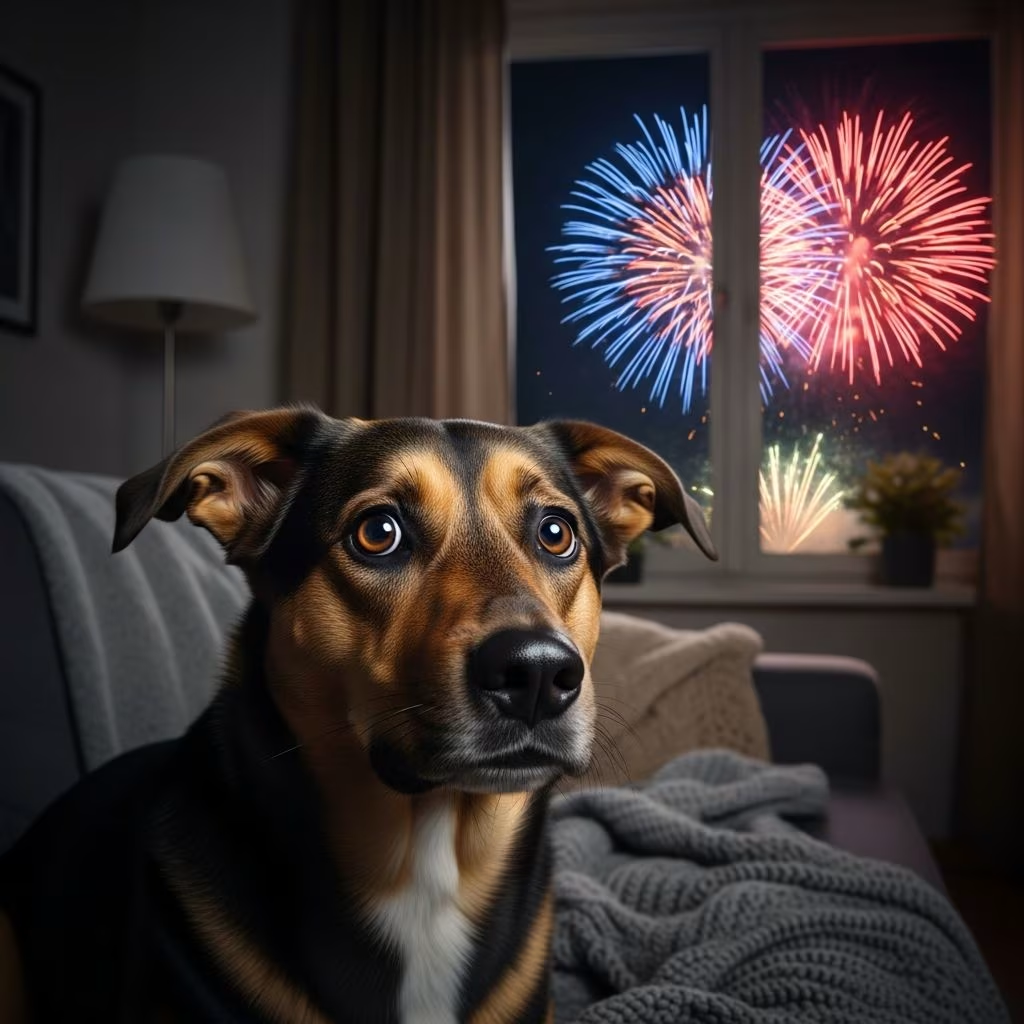
Why Are Dogs Scared of Fireworks?
Fireworks are a beloved part of many celebrations—from New Year’s Eve to Independence Day to Diwali. However, what brings joy and wonder to humans often triggers intense fear and anxiety in dogs. Understanding why your dog reacts so strongly to fireworks is the first step toward helping them feel safer during these occasions. Dogs’ sensitivity to loud, unpredictable noises combined with their inability to understand what fireworks are makes these events particularly stressful for our canine companions.
How Common Is Firework Anxiety in Dogs?
Firework anxiety is more prevalent than many pet owners realize. According to recent surveys, 67% of pet parents report that their dogs are afraid of fireworks, and approximately 80% of dog owners witness anxious behavior in their dogs during fireworks displays. This widespread issue demonstrates that firework anxiety is not an uncommon behavior—it’s a genuine concern affecting millions of dogs worldwide. The condition can have significant negative consequences on your dog’s overall health and wellbeing, making it important to address proactively.
The Five Main Reasons Dogs Fear Fireworks
Several interconnected factors contribute to why dogs develop such intense fear responses to fireworks. Understanding these reasons can help you better support your anxious pet.
1. Fireworks Generate a Sense of Threat
Dogs perceive fireworks as a genuine threat to their safety. The sharp, abrupt “pop” sound doesn’t resemble any natural sound in a dog’s experience. According to veterinary experts, dogs don’t understand fireworks, and the combination of flashing colorful lights and huge booming sounds creates a perception of danger. This triggers their innate fight-or-flight response, causing them to perceive an invisible threat they cannot identify or escape.
2. The Unpredictability of Fireworks
Dogs have no frame of reference for fireworks. While humans anticipate fireworks on specific dates and occasions, dogs experience them as completely random and unexpected events. The loud noises and flashing lights look and sound different every time they occur and come at seemingly random intervals. This unpredictability prevents dogs from habituating to the stimulus, meaning they cannot simply “get used to” fireworks the way they might adapt to other regular sounds in their environment.
3. Dogs Have Exceptional Hearing
Dogs’ auditory capabilities far exceed those of humans. A dog that can hear a food wrapper crinkling from another room demonstrates just how sensitive their hearing is. Fireworks can reach 190 decibels, which is not only loud but can physically damage a dog’s hearing depending on proximity. This heightened sensitivity means dogs experience fireworks at an intensity that humans cannot fully comprehend, making the experience far more overwhelming for them.
4. Previous Traumatic Experiences
Dogs with prior negative experiences involving loud noises are more likely to develop firework anxiety. Just as humans avoid putting their hand on a hot stove after being burned, dogs flee from firework sounds after traumatic experiences. If a dog was injured, scared, or even reprimanded while hearing a similar “popping” sound on television or during previous fireworks, this can create a lasting fear association. Traumatic early experiences increase an animal’s fear response and intensify their desire to avoid or escape similar situations.
5. Learned Behavior from Other Dogs
Dogs learn from one another through a process called modeling, where dogs mimic each other’s behavior through social learning. If you have multiple dogs and one is highly anxious during fireworks, the others may mirror that fear response, even if they wouldn’t naturally be frightened. This can result in all dogs in the household panicking during fireworks, regardless of their individual predispositions toward noise sensitivity.
Recognizing Firework Anxiety Symptoms in Your Dog
Dogs express their fear and anxiety in various ways. Recognizing these signs helps you understand your dog’s distress level and respond appropriately. Common symptoms include:
- Sudden alertness and heightened awareness
- Flattened or pinned-back ears
- Refusing to go outside or attempting to escape the house
- Restlessness and pacing
- Shaking or trembling
- Rapid or excessive panting
- Excessive vocalizing (whining, barking, howling)
- Hiding in closets, bathrooms, or other enclosed spaces
- Becoming unusually clingy or seeking constant physical contact
- Drooling or lip licking
- Cowering or assuming a submissive posture
- Freezing or immobility
- Refusing to eat
- Excessive yawning
These behavioral changes indicate that your dog is experiencing genuine distress. Firework anxiety is a real medical condition, not simply a behavioral quirk. When dogs experience this type of anxiety, they undergo physiological stress responses similar to a human panic attack, with elevated heart rate, heightened alert status, and potential for destructive behavior.
The Impact of Firework Anxiety on Your Dog’s Health
The effects of firework anxiety extend beyond temporary fear during celebrations. Dogs with noise aversion may engage in destructive behavior while trying to escape their environment, potentially injuring themselves in the process. They may chew furniture, scratch or dig at floors and doors, or create holes in the yard in their desperate attempts to escape. Additionally, dogs may refuse to eat during or after fireworks, skip bathroom breaks, or experience prolonged anxiety that affects their sleep and overall wellbeing.
The stress from fireworks can also exacerbate existing health conditions and contribute to long-term anxiety issues. More dogs run away from home on the Fourth of July than any other day of the year, putting themselves at risk of injury or becoming lost during their most frightened state. This underscores the importance of securing your home, keeping ID information current, and ensuring microchip details are up to date.
Creating a Safe Space for Your Dog During Fireworks
One of the most important steps you can take is establishing a designated safe space where your dog can retreat during fireworks. This space should be:
- Located in an interior room away from windows and exterior walls
- Equipped with comfortable bedding or their favorite blanket
- Stocked with water and access to bathroom facilities
- Containing familiar toys or items with comforting scents
- Away from potential escape routes or windows
Allow your dog to retreat to this space willingly. Never force them to remain in areas where they feel exposed or vulnerable, as this will increase their anxiety.
Masking Firework Sounds
Background noise can significantly reduce the impact of fireworks on your dog’s anxiety levels. Consider these sound management strategies:
- Use white noise machines or fans to muffle firework sounds
- Play calming music loud enough to mask external noises but not so loud that it frightens your dog further
- Keep windows and doors closed to minimize sound penetration
- Draw curtains to reduce the visual stimulation of flashing lights
These environmental modifications can substantially reduce your dog’s stress levels.
Behavioral Modification Techniques
Long-term solutions for firework anxiety may involve behavioral modification techniques such as counterconditioning and systematic desensitization. These approaches work to gradually reduce your dog’s fear response over time. However, these techniques require professional guidance and should ideally be implemented with a board-certified veterinary behaviorist or a rewards-based, certified dog trainer. Your veterinarian can provide recommendations for qualified professionals in your area.
Exercise and Distraction Strategies
Before fireworks begin, provide your dog with vigorous exercise to help tire them out. A well-exercised dog is more likely to remain calm during stressful events. Additionally, provide engaging distractions such as puzzle toys, long-lasting chews, or interactive toys that keep their mind occupied during fireworks displays.
When to Consult Your Veterinarian
If your dog exhibits severe anxiety during fireworks, consult your veterinarian about additional options. These may include anxiety vests designed to apply gentle pressure, calming supplements, or prescription medications specifically formulated to reduce anxiety during predictable stressful events. Your vet can assess your dog’s individual situation and recommend the most appropriate intervention.
Important Considerations
Never punish your dog for their anxiety responses. Punishment will only increase fear and anxiety, making the situation worse. Remember that your dog is reacting from a place of genuine fear, not misbehavior. Respond with patience, compassion, and understanding.
Additionally, dogs with severe noise aversion should not be taken to fireworks displays. Even well-intentioned attempts to help a dog “get over” their fear by exposing them to the stressor can intensify the phobia.
Frequently Asked Questions
Q: Is firework anxiety a real medical condition?
A: Yes, firework anxiety is recognized as a genuine phobia and panic disorder, not simply a behavioral quirk. It should be treated seriously with appropriate interventions.
Q: What percentage of dogs are affected by firework anxiety?
A: Approximately 67% of pet parents report that their dogs fear fireworks, with 80% witnessing anxious behavior during fireworks displays.
Q: Can fireworks physically harm my dog’s hearing?
A: Yes, fireworks can reach 190 decibels and may physically damage a dog’s hearing depending on proximity to the source.
Q: Should I comfort my dog when they’re anxious about fireworks?
A: Yes, providing comfort and creating a safe space is appropriate. However, avoid reinforcing fearful behavior through excessive attention. Instead, help your dog feel as safe as possible.
Q: Can medication help my dog with firework anxiety?
A: Yes, your veterinarian may recommend anxiety medications, calming supplements, or anxiety vests for dogs with severe anxiety.
Q: What should I do if my dog escapes during fireworks?
A: Ensure your dog wears an ID collar and has current microchip information registered. Secure your home and yard as precautions against escape attempts.
Q: How long does firework anxiety last?
A: Anxiety can persist before, during, and after fireworks. Some dogs may remain anxious for hours or even days following fireworks displays.
Q: Can younger dogs develop firework anxiety if older dogs in the household are fearful?
A: Yes, younger dogs can learn fearful behavior from older dogs through a process called modeling.
References
- 10 Ways to Calm Your Dog During Fireworks — Rover. 2025. https://www.rover.com/blog/why-are-dogs-afraid-of-fireworks/
- Why are Dogs Scared of Fireworks? — Purina. https://www.purina.com/articles/dog/behavior/understanding-dogs/why-are-dogs-scared-of-fireworks
- Is Your Dog Scared of Fireworks? Here’s What to Do — Zoetis Petcare. https://www.zoetispetcare.com/blog/article/dog-scared-fireworks
- Fear of Fireworks and Thunderstorms — Cornell University College of Veterinary Medicine, Riney Canine Health Center. https://www.vet.cornell.edu/departments-centers-and-institutes/riney-canine-health-center/canine-health-topics/fear-fireworks-and-thunderstorms
- 9 Tips for Helping a Dog That’s Scared of Fireworks — PetMD. https://www.petmd.com/dog/tips-helping-dogs-thats-scared-fireworks



