

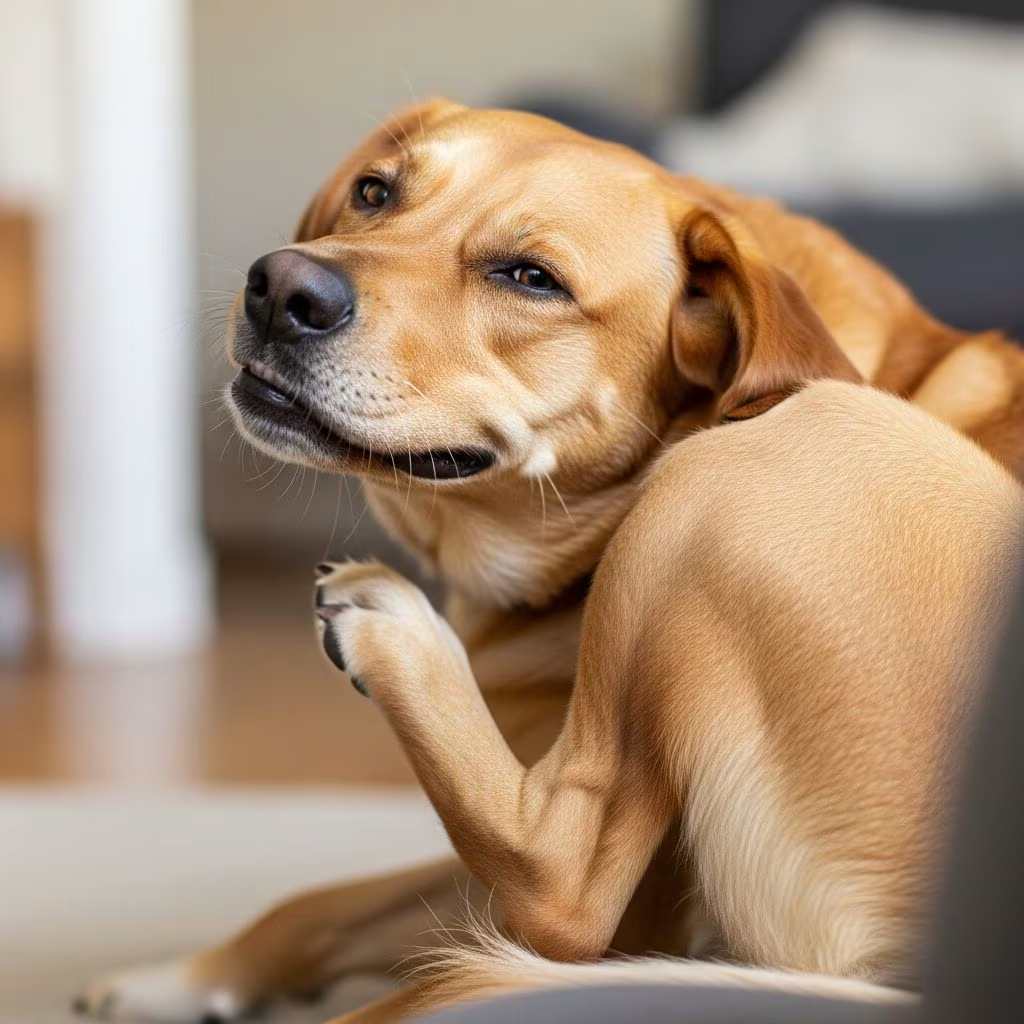
Dogs have favorite spots for affection, from belly rubs to ear scratches, but the booty scratch reigns supreme for many pups. This deep, satisfying rub near the base of the tail elicits blissful expressions and lean-ins that puzzle pet parents. While limited scientific studies focus solely on this behavior, canine behavior experts offer compelling explanations rooted in anatomy, neurology, and learned associations. Understanding these reasons strengthens the human-dog bond and ensures pets receive the right kind of touch.
Booty scratches tap into a dog’s sensory world, providing relief and pleasure in ways other pets cannot. Experts like certified trainers note that this obsession stems from both physical needs and emotional comfort. Below, we dive into the key reasons, potential pitfalls, and expert tips for happy scratching sessions.
It itches a scratch in a hard-to-reach place
Dogs are agile groomers, using paws, teeth, and tongue to scratch heads, chests, and legs with ease. However, the rear end—particularly for long-bodied breeds like Dachshunds or Basset Hounds—poses a challenge. The base of the tail and upper hindquarters sit just out of comfortable reach, turning booty scratches into a much-needed service from their favorite human.
Behaviorist Sarah Fox compares it to the infamous human back itch: “It’s like that same spot on your back that you just can’t reach.” For double-coated breeds such as Huskies or Golden Retrievers, dense fur adds another layer of difficulty, making human nails ideal for penetrating to the skin. This relief explains the immediate lean-back and sigh-like exhalations many dogs display during a good scratch.
Owners often report their dogs positioning hindquarters strategically near hands or legs, a clear nonverbal request. This behavior underscores dogs’ trust in humans to access tricky spots, fostering mutual grooming akin to wild pack dynamics where members assist each other.
Booty scratches just feel good
Simplifying it, booty scratches deliver pure pleasure. The area near the tail base brims with nerve endings, amplifying sensations. Trainer Rachel Rakov explains: “A dog’s rear end, especially near the base of the tail, usually has an abundance of nerve endings, which would make scratches there extra satisfying.”
Human fingernails provide precise, deep pressure that dog paws or tongues cannot match, especially on thicker coats. This is relatable—most people prefer a back scratch from another over self-attempts. Neurological reward centers light up similarly, releasing endorphins for a feel-good hit that encourages repeat requests.
- Nerve density: Higher concentration in hindquarters than forequarters.
- Coat factor: Double-coated dogs benefit most from nail penetration.
- Sensory boost: Firm, circular motions mimic flea removal instincts.
Studies on canine somatosensory mapping, though not booty-specific, confirm varied skin sensitivity across the body, with rear regions highly responsive. This innate wiring makes butt rubs a fast track to canine euphoria.
It’s conditioned reinforcement
Many dogs associate booty scratches with positivity through training and daily life. Rakov observes that some pups view scratches as high-value rewards, akin to treats or praise: “Your pup might love getting butt scratches because it’s associated with a job well done.”
In obedience sessions, a well-executed sit or recall might earn a targeted scratch, linking the sensation to success. Over time, this Pavlovian pairing turns the rub into a motivator. Pet parents unwittingly reinforce it by offering scratches during calm moments, creating a feedback loop of relaxation and affection.
For working breeds like Border Collies, this reinforcement shines in herding or agility contexts, where post-task scritches cement good behavior. Owners can leverage this by varying rewards but noting individual preferences—some dogs prioritize scratches over food.
It’s a non-threatening way to interact
Dogs communicate volumes through body language, preferring low-vulnerability positions for bonding. Frontal pets—face or chest—can feel confrontational, resembling dominance displays. By presenting their rear, dogs signal safety and submission, inviting touch without direct eye contact.
Fox notes: “Front interactions… can feel inappropriate or intimidating for dogs. Offering their booties, however, can feel like a safer, more cautious option.” This mirrors wild canine greetings, where sniffing rears occurs rear-first to minimize threat. Domestic dogs adapt this for petting, turning potential stress into comfort.
Shy or under-socialized dogs especially favor this method, using it to build trust gradually. Respecting these cues prevents overstimulation, ensuring interactions remain positive.
When butt rubs aren’t a good thing
Not all rear-focused behaviors signal joy. Distinguish loving leans from distress signs. Excessive scooting, licking, or dragging indicates issues like impacted anal glands, allergies, parasites, or infections—common culprits behind itchy butts.
| Behavior | Possible Cause | Action |
|---|---|---|
| Occasional scoot | Normal debris removal | Monitor |
| Frequent scooting + licking | Anal gland issues | Vet visit |
| Scooting + rice-like stool segments | Tapeworms | De-worming |
| Redness + ear issues | Allergies | Diet trial/allergy test |
Anal glands, small sacs flanking the anus, produce scented fluid for marking. Blockages cause pain, prompting scooting to self-express. Allergies inflame skin, while parasites like tapeworms irritate intermittently. Mistaking anal swiping—rude butt-rubbing for marking—for scratch requests happens with poorly socialized dogs.
Rakov advises the “Rule of Three”: Offer three short pets and observe. Leaning in means continue; walking away signals stop. Flea-biting (gentle nibbles) post-scratch indicates delight, not aggression.
Expert tips for the perfect booty scratch
To maximize enjoyment:
- Location: Base of tail, upper hips—avoid direct anus.
- Technique: Firm, circular motions with nails; match pressure to coat type.
- Duration: Follow dog’s cues; 30-60 seconds typical.
- Frequency: Daily for itch-prone dogs, but watch for over-stimulation.
- Alternatives: If disliked, pivot to chest or shoulders.
Combine with grooming brushes for added relief. Always end on a happy note to reinforce positivity.
Frequently Asked Questions (FAQs)
Why does my dog scoot their butt after scratches?
Scooting often relieves anal gland pressure or removes debris, not dissatisfaction. Frequent cases warrant a vet check for glands or allergies.
Do all dogs like booty scratches?
No—some find it overstimulating. Watch body language: relaxed posture yes, tense muscles no.
Is flea-biting during scratches normal?
Yes, it’s an affectionate response mimicking itch relief, not a bite.
Can booty scratches help with anal glands?
External pressure may aid mild expression, but vets handle impacted cases professionally.
What if my dog suddenly hates butt rubs?
Possible pain from glands, injury, or aging sensitivity. Consult a vet.
Conclusion: A Tail of Trust and Pleasure
Booty scratches blend instinct, sensation, and bonding, making them a canine favorite. By tuning into your dog’s signals, you provide tailored affection while spotting health needs early. Next time your pup backs into you, deliver that perfect scratch—it’s a simple act packing profound joy.
(Word count: 1624)
References
- Why Do Dogs Scoot Their Bums? Here’s Why and What to Do About It! — The Complete Canine, YouTube. 2025-04-28. https://www.youtube.com/watch?v=8Ptcj0NApig
- Why Are Dogs Obsessed with Booty Scratches? — Kinship. Accessed 2026. https://www.kinship.com/dog-behavior/why-are-dogs-obsessed-with-booty-scratches
- Why Do Dogs Scoot Their Butts: 5 Causes and What to Do — Business Insider. Accessed 2026. https://www.businessinsider.com/reference/why-do-dogs-scoot-their-butts
- 8 Surprising Secrets About Your Dog’s Butt — YouTube. Accessed 2026. https://www.youtube.com/watch?v=q6AoSDTLbng
- Why dogs like butt rub? – Dog Behaviour Explained! — We Live in a Flat. Accessed 2026. https://weliveinaflat.com/blog/why-dogs-like-butt-rub/



