

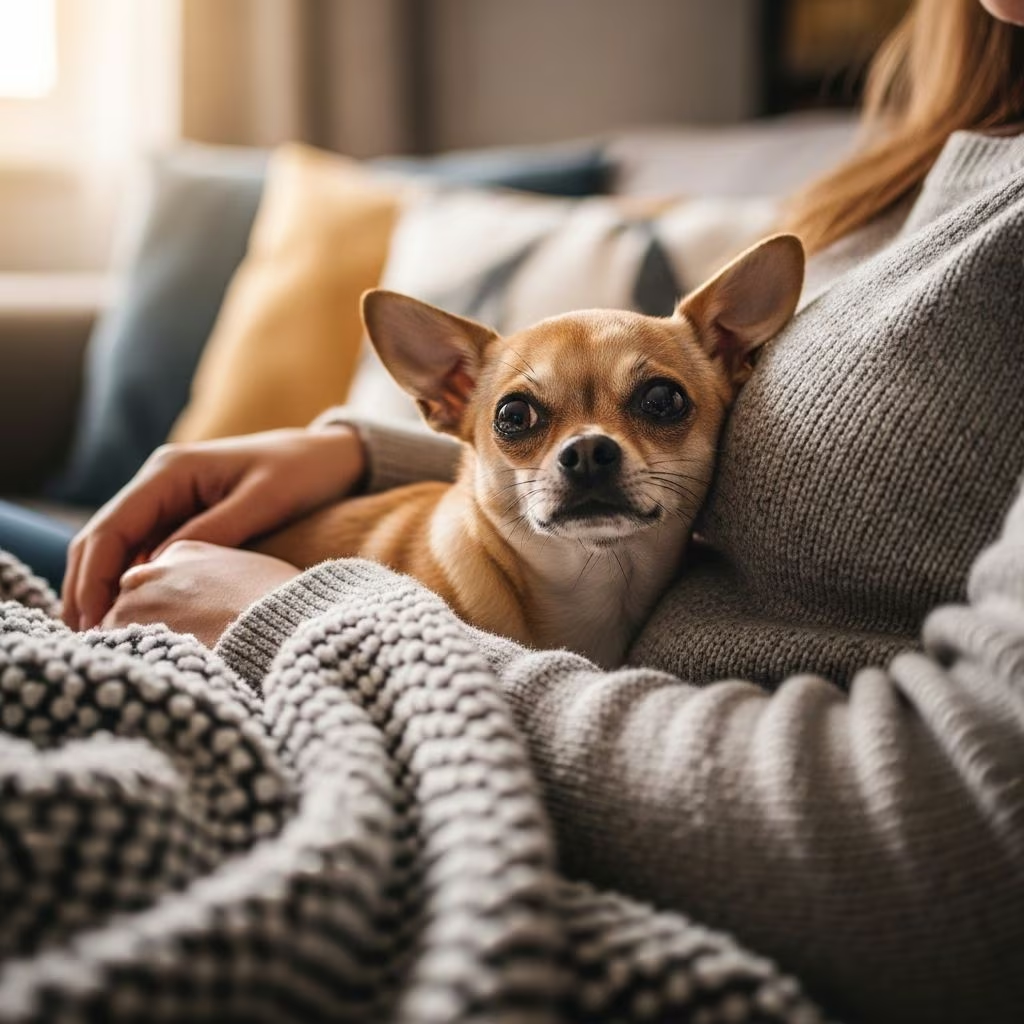
Chihuahuas have earned a reputation as the ultimate “velcro dogs,” shadowing their owners from room to room and demanding constant lap time. This intense attachment goes beyond typical canine affection, often manifesting as whining when left alone, trembling during separations, or refusal to be out of sight. But what drives these tiny companions to such devoted clinginess? Experts attribute it to a mix of breed-specific genetics, historical breeding for companionship, and sensitivity to stress or health changes.
Understanding these factors helps owners nurture their Chi’s loyalty without enabling problematic dependency. This guide breaks down the primary causes—from DNA to daily routines—and offers actionable strategies to encourage balanced behavior while preserving the special human-canine bond Chihuahuas are famous for.
It’s in Their DNA: The Companion Dog Legacy
Chihuahuas weren’t bred for hunting, herding, or guarding; their lineage traces back to ancient companion roles in Mexico, where they served as cherished lap warmers for nobility. This selective breeding imprinted a profound need for human proximity as their core purpose.
“Chihuahuas today are purely companion dogs. As such, they prefer to be with people most of the time,” explains Dr. Liz Stelow, a veterinary behaviorist at UC Davis School of Veterinary Medicine. Unlike working breeds with independent tasks, Chihuahuas view their “job” as being your constant sidekick.
Their small size amplifies this trait. At 2-6 pounds, Chihuahuas instinctively seek protection from their owners, mirroring pack dynamics where the smallest members stay closest to the leader for safety. This evolutionary holdover from wild canid ancestors makes separation feel threatening, triggering clingy responses.
- Breed predisposition: Genetic studies on toy breeds show heightened oxytocin receptor sensitivity, enhancing bonding hormones during human contact.
- Historical role: Descended from Techichi dogs sacred to Aztecs, modern Chihuahuas retain a “portable companion” blueprint.
- Size factor: Tiny stature fosters a protector-dependent mindset, unlike larger breeds’ self-reliant confidence.
Breed Traits That Amplify Attachment
Beyond history, Chihuahua physiology and temperament fuel their velcro nature. Their big eyes and expressive faces evolved to solicit human attention, much like infant-like neoteny in domesticated dogs. This “puppy forever” appeal strengthens emotional ties.
Certified trainer Erin Askeland notes: “Chihuahuas exhibit behaviors like following humans around, sitting on laps, and vocalizing when out of reach”—classic signs of deep attachment. Their alertness, while a guardian trait in larger dogs, translates to hyper-vigilance in Chihuahuas, making owner absence stressful.
| Chihuahua Trait | How It Contributes to Clinginess |
|---|---|
| High energy in small package | Needs constant interaction to channel alertness; idleness breeds shadowing. |
| Sensitive hearing/sight | Picks up subtle cues, prompting immediate attachment-seeking. |
| Strong loyalty gene | Views one primary human as pack alpha, resisting independence. |
| Thin coat/low body fat | Seeks body heat and security from owner contact. |
Separation Anxiety: When Clinginess Becomes a Problem
While affection is endearing, extreme clinginess signals separation anxiety, a common diagnosis in Chihuahuas. Symptoms include destructive chewing, house soiling, excessive barking, or pacing when alone. Dr. Stelow confirms: “Anxiety is prevalent in Chihuahuas, worsening when left alone”.
Triggers often stem from inconsistent routines, long workdays, or rehoming trauma. Unlike general clinginess, anxiety involves panic responses, releasing stress cortisol that reinforces avoidance of solitude.
- Warning signs: Trembling, whining, escape attempts, or depression during departures.
- Risk factors: Poor early socialization, sudden schedule changes, or isolation.
- Prevalence: Toy breeds like Chihuahuas show 20-40% higher anxiety rates per veterinary behavior studies.
Health Issues That Trigger Sudden Clinginess
Sudden velcro behavior warrants a vet check, as illness amplifies vulnerability. Senior Chihuahuas, prone to cognitive dysfunction syndrome (canine dementia), become disoriented and owner-dependent.
Other culprits include:
- Pain conditions: Arthritis, dental disease, or injuries make movement painful, prompting lap-seeking comfort.
- Hypothyroidism: Hormonal imbalance causes lethargy and anxiety, common in small breeds.
- Sensory loss: Vision/hearing decline in aging dogs erodes confidence, increasing reliance.
- GI or infections: Discomfort from tummy issues or UTIs leads to shadowing for reassurance.
Hypoglycemia, frequent in toy breeds due to small livers storing less glucose, can cause weakness and clinginess. Rule out medical causes before behavioral fixes.
You Might Have Accidentally Encouraged It
Clinginess often gets rewarded unintentionally. Petting a whining Chi or allowing constant lap access reinforces the behavior via positive association. Puppies learn quickly: attention = proximity.
“If you give treats or pets when they stick close, they associate it with rewards,” notes behavior experts. In adult Chihuahuas, undoing years of conditioning requires consistency.
Common pitfalls:
- Caving to demands for play during work calls.
- Carrying everywhere, stunting independent exploration.
- Inconsistent alone time, building separation intolerance.
Environmental Stressors and Lifestyle Changes
Chihuahuas thrive on predictability. Routine disruptions—like new babies, moves, or owner stress—spark clinginess as a stability anchor. Boredom from under-stimulation turns them into shadow pups seeking entertainment.
Fear triggers (thunder, fireworks) or early trauma in rescues heighten attachment needs. Puppies with FOMO (fear of missing out) follow to every room, mistaking bathroom breaks for adventures.
How to Reduce Clinginess and Build Confidence
Balance love with training for a happier Chi. Gradual independence fosters security without severing bonds.
- Desensitize departures: Practice short exits (1-5 minutes) with calm energy; reward quiet returns.
- Enrich alone time: Use Kong toys, puzzle feeders to associate solitude with fun.
- Socialize early: Expose to new people/places confidently to reduce insecurity.
- Exercise routine: Daily walks and play burn energy, curbing needy behavior.
- Positive reinforcement: Ignore demands; reward four-on-the-floor calm.
- Professional help: For severe anxiety, consult behaviorists or vets for meds like fluoxetine.
Track progress with a journal: note triggers and successes for tailored adjustments.
Benefits of a Healthy Chi-Human Bond
Channeling clinginess positively yields loyal, empathetic companions. Confident Chihuahuas excel in therapy roles, alerting to emotions with their sensitivity. Their devotion boosts owner mental health via oxytocin release from petting.
Maintain the magic: short daily cuddles reinforce attachment healthily, preventing over-dependence.
Frequently Asked Questions (FAQs)
Are all Chihuahuas clingy?
Most exhibit strong attachment due to breeding, but socialization and training vary intensity. Early exposure reduces extremes.
Is Chihuahua clinginess a sign of poor training?
Not always—genetics play a big role, but reinforcement can worsen it. Focus on positive independence training.
How long does separation anxiety take to resolve?
4-8 weeks with consistent desensitization; severe cases may need 3-6 months plus professional intervention.
Can exercise alone fix clingy behavior?
Physical activity helps but pair with mental stimulation and alone-time practice for full results.
When should I see a vet for clinginess?
If sudden onset, with lethargy, appetite loss, or in seniors—could indicate illness.
References
- Why is my dog so clingy? The 7 Weird Reasons Why Your Dog Is So Clingy — Geo-Sniffing. 2023-05-15. https://geosniffing.com/why-is-my-dog-so-clingy/
- 8 Common Reasons for Clingy Dog Behavior — Pet Honesty. 2024-02-20. https://www.pethonesty.com/blogs/blog/common-reasons-for-clingy-dog-behavior
- Why Is My Dog So Clingy? What To Know About ‘Velcro Dogs’ — PetMD (Veterinary Partner). 2024-08-10. https://www.petmd.com/dog/behavior/why-is-my-dog-so-clingy-what-to-know-about-velcro-dogs
- Why Are Chihuahuas Always So Clingy? — Kinship (Chewy). 2023-11-05. https://www.kinship.com/dog-behavior/why-are-chihuahuas-clingy
- Clingy Chihuahuas — PetChiDog. 2022-09-12. https://www.petchidog.com/clingy-chihuahua



