

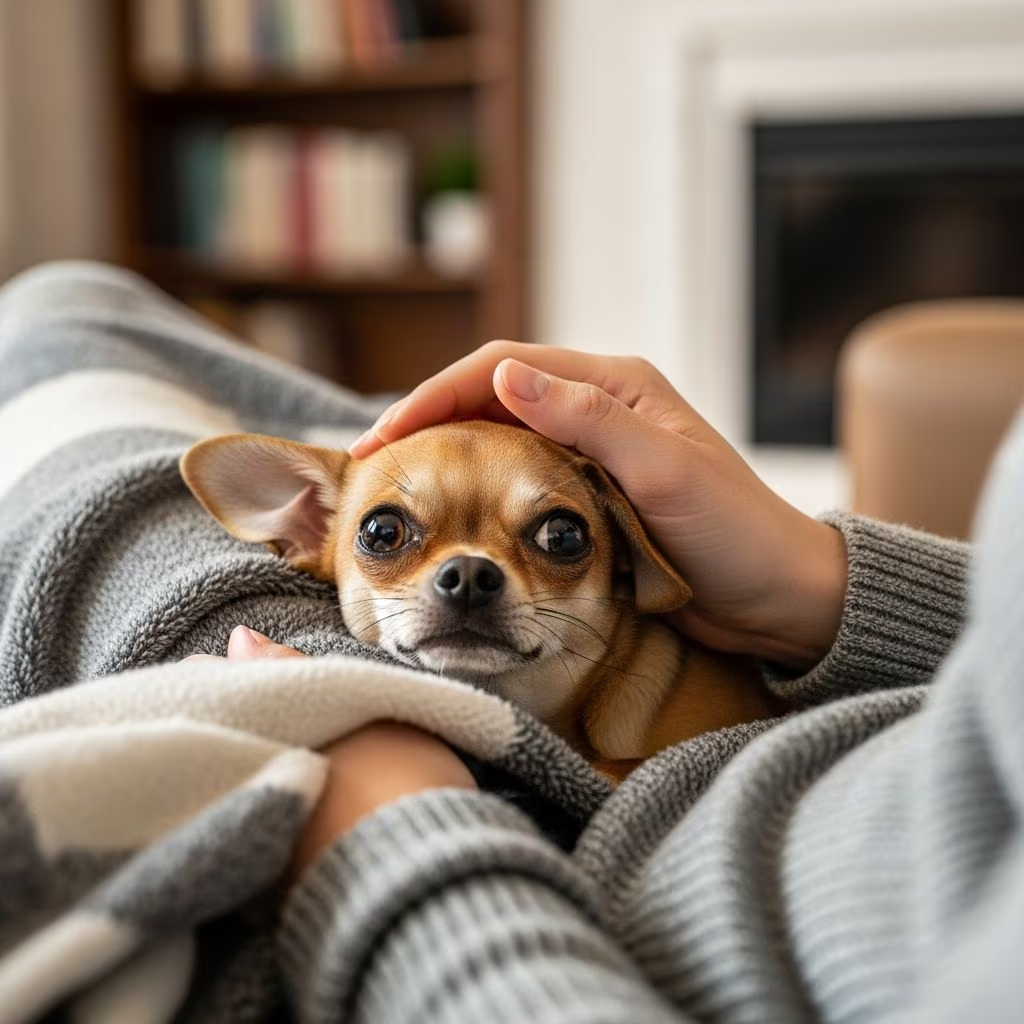
Chihuahuas, the tiniest of dog breeds, are infamous for their velcro-dog tendencies, shadowing their owners from room to room and craving constant physical contact. This intense loyalty stems from a combination of genetic predispositions, historical breeding as companion animals, and environmental factors that amplify their need for closeness. While endearing, excessive clinginess can signal underlying issues like anxiety or insecurity, making it essential for owners to understand the root causes and implement balanced training strategies.
It’s in Their DNA
Chihuahuas’ clingy nature is deeply rooted in their genetics and breeding history. Unlike breeds developed for herding, hunting, or guarding, Chihuahuas were selectively bred as pure companion dogs, prioritizing human attachment over independent tasks. Veterinary behaviorist Dr. Liz Stelow from UC Davis explains that “Chihuahuas today are purely companion dogs. As such, they prefer to be with people most of the time”. This breeding has wired them to view their primary human as their entire world, seeking proximity as their core purpose.
Experts like Askeland note that this selective breeding fosters a preference for keeping owners in sight or touch at all times, turning everyday interactions into opportunities for bonding. Their small size further reinforces this, as they instinctively seek protection from larger beings, evolving from ancient lap-dog ancestors in Mexico who relied on human warmth and safety. Studies on canine behavior support that toy breeds like Chihuahuas exhibit heightened attachment behaviors due to neotenic traits—retaining puppy-like dependence into adulthood.
Pack Mentality and One-Person Dogs
As pack animals, Chihuahuas form exceptionally strong bonds with a single “favorite” human, treating them as the pack leader and source of security. This manifests as constant following, pawing for attention, and distress when separated, even briefly. Their diminutive stature—often under 6 pounds—amplifies vulnerability, prompting them to glue themselves to owners for protection against perceived threats.
- Strong pack instincts: Chihuahuas watch owners’ every move, staying within arm’s reach to maintain the bond.
- One-person focus: They often select one family member as their anchor, ignoring others unless that person is absent.
- Physical reliance: Preferring laps, under blankets, or carried like accessories, they seek tactile reassurance.
This behavior differs from larger breeds, where independence is bred in; Chihuahuas’ survival historically depended on human proximity, making solitude feel unnatural.
Lack of Socialization or Insecurity
Puppies not exposed to diverse environments, people, and animals during critical socialization windows (3-12 weeks) develop heightened insecurity. These Chihuahuas cling excessively to their owner as a safety net, fearing the unknown. Poor early experiences lead to avoidance of novelty, with the human becoming their sole comfort zone.
Signs include trembling in new settings, barking at strangers, or refusing to be handled by anyone else. Owners can mitigate this through gradual exposure: short, positive outings to parks, playdates with calm dogs, and reward-based interactions build confidence. Without intervention, insecurity escalates, turning mild clinginess into full dependency.
Past Trauma, Especially in Rescue Chihuahuas
Many Chihuahuas in shelters hail from neglectful, abusive, or unstable homes, imprinting a profound fear of abandonment. Rescues often arrive hyper-vigilant, following owners obsessively and panicking at departures due to trauma-induced hyper-attachment. This is compounded by their sensitive nature; even minor upheavals like rehoming trigger clingy regressions.
Building trust involves patience: consistent routines, pheromone diffusers, and counter-conditioning (pairing alone time with treats) help. Professional behaviorists recommend trauma-informed desensitization, avoiding punishment which worsens fear. With time, many rescues evolve from velcro shadows to balanced companions.
Over-Pampering and Environmental Reinforcement
Homes that constantly carry, cuddle, or include Chihuahuas in every activity inadvertently train dependency. If puppies never learn solo play or short absences, they grow intolerant of independence. This “learned helplessness” makes brief separations feel like crises.
| Over-Pampering Habit | Impact on Clinginess | Healthy Alternative |
|---|---|---|
| Constant carrying/holding | Builds expectation of perpetual contact | Encourage floor play with toys |
| Never alone in a room | Fosters fear of isolation | Short crate sessions with rewards |
| Responding to every whine | Reinforces attention-seeking | Ignore mild demands; reward calm |
Balanced environments promote resilience, preventing pampering from morphing into anxiety.
Clinginess vs. Separation Anxiety: Key Differences
Not all clinginess equals pathology. Normal Chihuahua affection involves calm following and contentment when near, without destruction. Separation anxiety (SA), however, is a clinical distress state affecting 20-40% of dogs, per veterinary estimates.
- Clingy traits: Shadows owner, paws gently, settles nearby happily.
- SA signs: Pre-departure anxiety (pacing, drooling), destructive chewing, excessive vocalizing, house soiling, escape attempts during absence.
SA often stems from changes like moves or owner returns to work post-pandemic. Chihuahuas’ predisposition makes them high-risk; early detection prevents escalation.
Health Issues That Can Cause Clinginess
Sudden clinginess warrants a vet check, as illness heightens vulnerability. Common culprits include:
- Pain/injury: Arthritis, dental issues prompt comfort-seeking.
- Sensory loss: Aging Chihuahuas losing sight/hearing rely more on owners.
- Cognitive decline: Canine dementia causes disorientation, mimicking anxiety.
- GI/UTIs: Discomfort from infections leads to shadowing.
- Hormonal shifts: Post-spay or Cushing’s disease alters behavior.
Routine senior wellness exams catch these; bloodwork rules out systemic issues.
How to Help Your Clingy Chihuahua
Fostering independence requires gradual, positive methods:
- Desensitize departures: Practice short exits (seconds to minutes) with toys/treats; no fanfare.
- Enrich alone time: Puzzle toys, frozen Kongs, long-lasting chews build solo confidence.
- Exercise routine: Daily walks (20-30 mins) tire mentally/physically, reducing neediness.
- Socialization classes: Puppy/agility training exposes safely.
- Calming aids: Adaptil collars, CBD treats (vet-approved), thunder shirts.
- Professional help: For SA, consult behaviorists; meds like fluoxetine may be prescribed.
Consistency is key—progress in weeks, not days. Punish nothing; it amplifies fear.
Frequently Asked Questions (FAQs)
Is Chihuahua clinginess a sign of separation anxiety?
Not always—mild following is breed-normal, but destruction or panic indicates SA. Consult a vet for assessment.
Can you train a clingy Chihuahua to be more independent?
Yes, through gradual alone-time training, enrichment, and positive reinforcement. Patience yields results.
Why is my rescue Chihuahua suddenly clingier?
Trauma or health changes often trigger it. Vet check first, then desensitization.
Do all Chihuahuas get clingy with age?
Seniors may due to cognitive/sensory decline, but early training prevents extremes.
How much alone time is safe for a Chihuahua?
Start with 1-2 hours max, building slowly. Never exceed 4-6 hours without breaks.
References
- Why Chihuahuas Are So Clingy | Causes & Tips — Fitwarm. 2023-05-15. https://www.fitwarm.com/blogs/news/why-chihuahuas-are-so-clingy
- Why Is My Dog So Clingy? The 7 Weird Reasons — Geo-Sniffing. 2024-02-10. https://geosniffing.com/why-is-my-dog-so-clingy/
- 8 Common Reasons for Clingy Dog Behavior — Pet Honesty. 2023-11-20. https://www.pethonesty.com/blogs/blog/common-reasons-for-clingy-dog-behavior
- Why Is My Dog So Clingy? What To Know About ‘Velcro Dogs’ — PetMD (Veterinarian-reviewed). 2024-08-05. https://www.petmd.com/dog/behavior/why-is-my-dog-so-clingy-what-to-know-about-velcro-dogs
- Why Are Chihuahuas Always So Clingy? — Kinship (UC Davis Veterinary Behaviorist). 2023-09-12. https://www.kinship.com/dog-behavior/why-are-chihuahuas-clingy
- Clingy Chihuahuas — PetChiDog. 2022-07-18. https://www.petchidog.com/clingy-chihuahua



