
Why Are Cats’ Tongues Rough? Science Behind Feline Tongues
Discover why cat tongues are rough and how this unique feature helps them groom, hunt, and communicate.
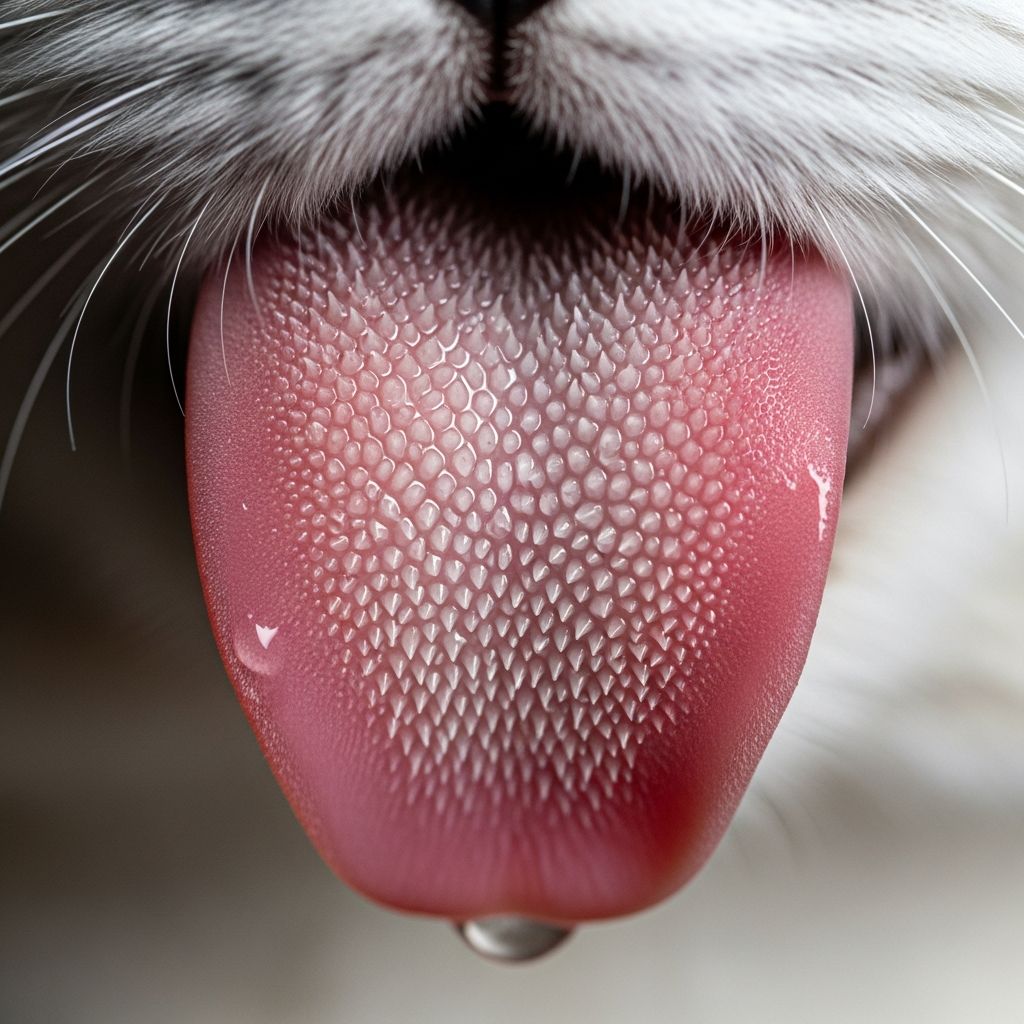
If you’ve ever been licked by a cat, you know their tongues feel surprisingly scratchy, like sandpaper dragged across your skin. But that rough texture isn’t random or uncomfortable by accident—it’s a precisely evolved feature that makes cats such skilled groomers, hunters, and communicators. Understanding the science behind your cat’s rough tongue reveals just how remarkable these feline features truly are.
What Makes a Cat’s Tongue So Rough?
A cat’s tongue is covered in hundreds of tiny, backward-facing spines called papillae. These pointy, curved cones are made of keratin—the same tough protein found in human fingernails and hair. The papillae give the tongue its distinctive sandpaper-like texture that many cat owners find surprising when their feline friend decides to show affection through licking.
The structure of these papillae is quite sophisticated. They point backward toward the back of the cat’s mouth and have a curved shape similar to a cat’s claws. Additionally, the papillae can pivot at their bases, which gives cats remarkable dexterity and control when using their tongues for various tasks. Each papilla is hollow, and the spaces between them serve important functions that go far beyond simple grooming.
Key Takeaways About Cat Tongues
- A cat’s tongue is covered in papillae, or pointy, curved cones made of keratin
- The texture of a cat’s tongue helps them groom, drink, eat, and communicate
- Papillae can pivot at their bases, allowing cats precise control
- It’s typically harmless when cats lick you, though excessive licking can be redirected
- Watch for signs of tongue health issues like swelling, discoloration, or difficulty eating
The Multiple Functions of a Rough Cat Tongue
Grooming and Coat Maintenance
One of the most important functions of a cat’s rough tongue is grooming. The barbs on a cat’s tongue catch and remove loose fur and dirt from their coats with remarkable efficiency. When cats lick their fur, the backward-facing spines act like a tiny comb, detangling and cleaning away debris as they pass through the hair.
Beyond simple cleanliness, grooming serves a crucial survival purpose. The papillae distribute healthy oils from the skin across the cat’s coat, maintaining the natural protective barrier that keeps their fur waterproof and insulated. Additionally, grooming helps cats keep their scent hidden from both predators and prey—a critical advantage for these solitary hunters.
Another remarkable function of the grooming process involves temperature regulation. The papillae on a cat’s tongue wick up saliva as the cat grooms itself. Each lick distributes this saliva onto the coat, and as the saliva evaporates, it creates a cooling effect. This is why cats groom themselves more frequently during hot weather—they’re literally using their tongues as air conditioning systems.
Drinking Water
It might seem counterintuitive that rough spikes would be helpful when drinking water, but cats have evolved an ingenious drinking method that relies entirely on their papillae. Rather than scooping water like dogs do, cats dip their tongues into water and create a column of liquid. The papillae catch the water and help draw it into the cat’s mouth without the tongue breaking the water’s surface.
This sophisticated drinking technique allows cats to hydrate without getting their chins wet—a significant advantage for wild cats that need to remain dry and maintain their scent profile. The process is so efficient that even a brief tongue dip can deliver a meaningful amount of water to the cat’s mouth.
Eating and Hunting
The spines on a cat’s tongue are exceptionally effective at stripping meat from bones. This capability is crucial for cats’ survival as solitary hunters. The rough texture and curved shape of the papillae allow cats to extract maximum nutrition from their prey in the quickest and most efficient way possible. This is one reason why wild cats and outdoor cats often seem to consume their food so rapidly—their tongue structure is specifically designed for processing meat.
Sensory and Communication Functions
Beyond these primary functions, a cat’s rough tongue also serves important sensory roles. The papillae are highly sensitive and help cats assess the texture and temperature of food, ensuring it’s safe and palatable before swallowing. This sensitivity also contributes to cats’ ability to communicate through licking—a behavior that strengthens social bonds with their owners and other cats.
Common Myths About Cat Tongues
Myth: Cat Tongues Are Made of Sandpaper
While a cat’s tongue certainly feels like sandpaper when licking bare skin, it’s not actually made of sandpaper material. The rough sensation comes entirely from the papillae—those tiny keratin spines. Understanding this distinction helps cat owners recognize that the scratchy feeling is a natural and normal part of feline anatomy, not a sign of anything unusual or problematic.
Myth: Rough Tongues Are Harmful to Human Skin
Many cat owners worry that their cats’ rough tongues might damage human skin, but this is another common misconception. The rough texture of a cat’s tongue won’t harm your skin during normal licking. If your cat enjoys licking you and you’re comfortable with it, there’s no reason to be concerned about physical damage.
However, there is one important exception: you should avoid allowing your cat to lick wounds, cuts, or broken skin. Cat mouths aren’t sterile and contain bacteria that could potentially cause infection in open wounds. If you have any breaks in your skin, it’s best to gently redirect your cat’s attention to other activities.
If Licking Becomes Excessive
If you find your cat’s licking behavior excessive or uncomfortable, there are simple ways to redirect their attention. Offer them lick mats, interactive toys, or tasty treats to satisfy their licking instinct in a more controlled manner. These alternatives can provide enrichment while protecting your skin from constant abrasion.
Why Don’t Dogs Have Rough Tongues Like Cats?
A frequently asked question is why dogs’ tongues are smooth compared to cats’ textured tongues. The answer lies in evolutionary history and hunting strategies. Cats hunt alone and are small enough to be hunted themselves, so grooming helps them stay clean and scent-free—essential for both hunting success and predator avoidance. This evolutionary pressure led to the development of their specialized rough tongues.
Dogs, by contrast, descended from pack-hunting wolves that didn’t need to hide their scent or groom as obsessively. Without these survival pressures, dogs never developed the same papillae-laden tongues. Their smoother tongues are perfectly functional for their evolutionary needs, just different from their feline counterparts.
Why Your Cat Sticks Their Tongue Out
Cat owners often notice their feline companions with their tongues hanging out. This amusing behavior, affectionately known as “blepping,” can happen for several reasons:
- They Got Distracted: If your cat has been interrupted while grooming or eating, they may momentarily forget to put their tongue back in their mouth
- They’re Relaxed: When cats are relaxed or sleeping, their facial muscles may relax and cause their tongue to stick out naturally
- The Flehman Response: This open-mouthed sniffing behavior, sometimes accompanied by the tongue sticking out, helps cats enhance their ability to detect and interpret smells
- Something Stuck: The spiny papillae are great at catching debris, but sometimes particles get stuck, and your cat may stick out their tongue to try to dislodge it
- Flat Face Breeds: Some Persian cats are bred with extremely flat faces, leaving less room in their mouths for their tongues, which may stick out a little
Signs of Cat Tongue Health Issues
While cat tongues are generally hardy and well-designed, they can experience health problems that require attention. Watch for these warning signs:
- Swelling of the tongue or mouth
- Discoloration or unusual color changes
- Lesions or sores on the tongue
- Foul breath or unusual odors
- Excessive drooling
- Difficulty eating or reluctance to eat
- Difficulty grooming or appearing unable to groom effectively
- Repeatedly pawing at the mouth or shaking the head
- Dry or cracked tongue appearance
Common health issues that can affect cat tongues include ulcers, tumors, infections, and dental diseases. If you notice any of these symptoms, consult your veterinarian promptly to rule out underlying health conditions.
Caring for Your Cat’s Tongue Health
Maintaining your cat’s tongue health is part of overall feline wellness. Ensure your cat has access to fresh water for proper hydration, as dehydration can cause the tongue to become dry or cracked. Regular dental care and oral health checks contribute to tongue health, as dental diseases can affect the tongue and mouth.
Monitor your cat’s grooming behavior—a sudden decrease in grooming frequency or apparent difficulty grooming could indicate pain or discomfort in the tongue. Keep an eye on your cat’s eating habits as well, since tongue problems can make eating uncomfortable or difficult.
The Evolutionary Marvel of the Feline Tongue
The rough texture of a cat’s tongue represents millions of years of evolutionary refinement. Every papilla, every curve, and every keratin spine serves a specific purpose that contributes to feline survival and success. From the solitary hunter stalking prey to the house cat grooming itself in the afternoon sun, the cat’s remarkable tongue is evidence of nature’s elegant design.
Understanding why your cat’s tongue is rough deepens your appreciation for these amazing animals. That sandpaper-like sensation isn’t a flaw or an inconvenience—it’s a feature that makes cats the exceptional groomers, hunters, and communicators they are. The next time your cat licks you and you feel that familiar rough texture, you’ll know you’re experiencing one of nature’s most ingenious adaptations.
Frequently Asked Questions About Cat Tongues
Q: Is it safe to let my cat lick my face?
A: Generally, yes. While cat mouths contain bacteria, normal licking on healthy skin is usually harmless. However, avoid allowing your cat to lick open wounds, cuts, or broken skin, as bacteria from their mouth could cause infection.
Q: Why does my cat’s tongue feel rougher than other cats I’ve met?
A: Individual variation exists among cats. Factors like age, hydration levels, and overall health can affect how rough a tongue feels. Additionally, different breeds and individual cats may have slightly different papillae density or size.
Q: Can a cat’s rough tongue cause damage to furniture or fabrics?
A: A cat’s rough tongue alone won’t damage furniture, though cats may use their tongues on fabrics as part of grooming or marking behavior. If your cat is excessively licking furniture, provide appropriate alternatives like scratching posts and lick mats.
Q: Do all cats have the same number of papillae on their tongue?
A: Cats have hundreds of papillae covering a good portion of the top side of their tongues. While the exact number may vary slightly between individual cats, all healthy cats have substantial papillae coverage that creates the characteristic rough texture.
Q: What should I do if my cat’s tongue appears swollen or discolored?
A: Swelling, discoloration, or other unusual changes in your cat’s tongue warrant a veterinary examination. These could indicate ulcers, infections, dental disease, or other health concerns that require professional treatment.
Q: Can I help my cat if something gets stuck on their rough tongue?
A: If you notice something stuck to your cat’s tongue and can safely remove it without causing distress, you may gently help. However, if your cat seems uncomfortable or you can’t safely remove the object, consult your veterinarian.
References
- Why Are Cats’ Tongues Rough? — Rover.com. https://www.rover.com/blog/why-are-cats-tongues-rough/
- Why do cats have rough tongues? — Cats Protection. https://www.cats.org.uk/cats-blog/why-do-cats-have-rough-tongues
- Why Are Cats’ Tongues Rough? — Chewy Education. https://www.chewy.com/education/cat/health-and-wellness/why-are-cats-tongues-rough
- Cat Tongues: Everything You Need to Know — Noble Vet Clinic. https://noblevetclinic.com/blog/cat-tongues-everything-you-need-to-know
- Cat Tongues: Everything You Wanted to Know & More — Hill’s Pet. https://www.hillspet.com/cat-care/behavior-appearance/cat-tongues-explained
Similar Articles








Read full bio of medha deb




