

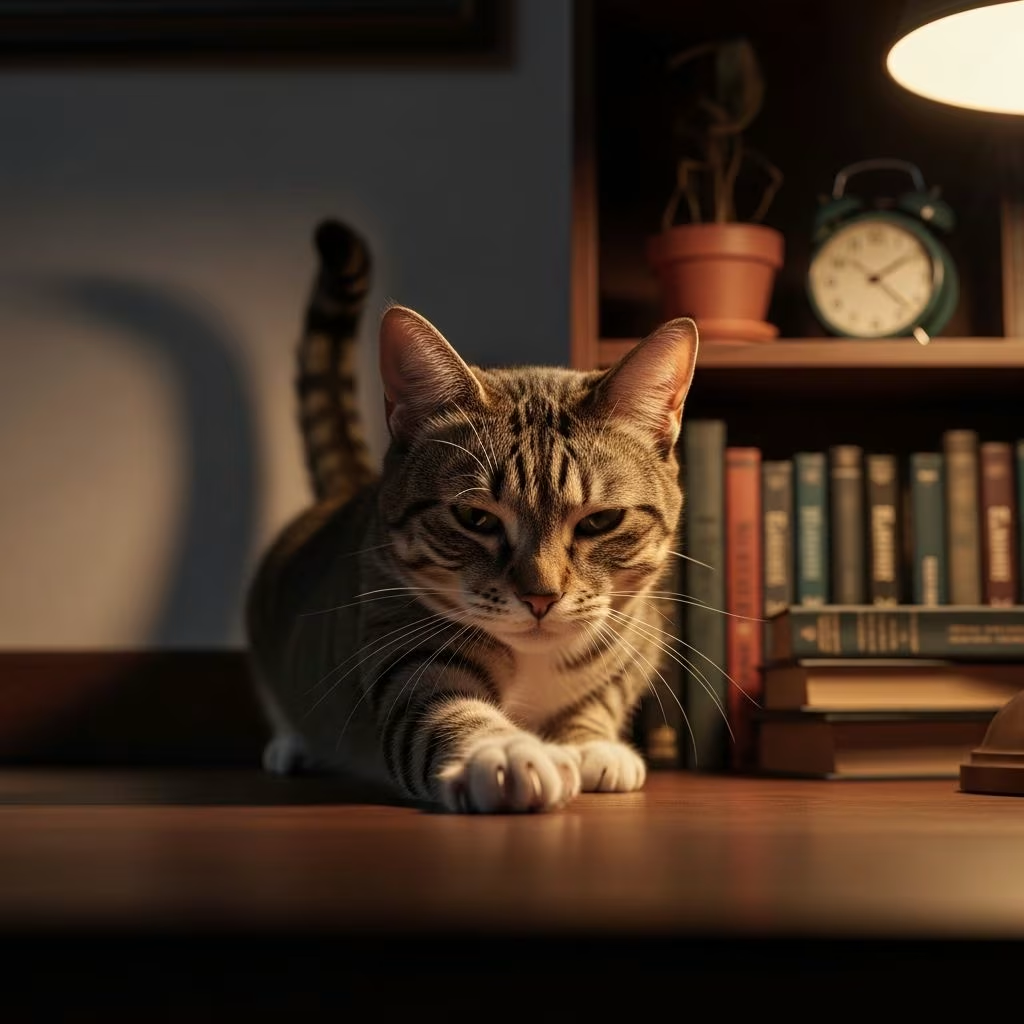
Cats’ sneaky behavior often catches owners off guard, with their silent prowls through homes and sudden disappearances into hidden spots. This stealth is not mischief but a deeply ingrained survival mechanism from their evolutionary past as both predators and prey.
The Evolutionary Roots of Feline Stealth
Cats have evolved over millions of years to become masters of stealth, with physical adaptations like padded paws that muffle sounds, flexible spines for fluid movement, and eyes optimized for low-light hunting. These traits ensured survival in the wild, allowing cats to stalk prey undetected while evading larger threats. Even domesticated cats retain this DNA, exhibiting sneaky behaviors instinctively, whether practicing hunts on toys or patrolling their territory.
Behaviorists note that cats move quietly to avoid alerting prey or predators. As cat behaviorist Stephen Quandt explains, “Cats are predators who hunt quietly, so as not to scare off their prey,” translating to home behaviors like slow, deliberate stalking. Veterinarian Dr. Liza Cahn adds that small wild cats balance roles as both hunters and hunted, making stealth essential for getting meals or hiding from danger.
Top Reasons Why Cats Sneak Around
Understanding specific triggers helps demystify your cat’s ninja-like moves. Here are the primary reasons, drawn from veterinary and behavioral insights:
- Hunting Instincts: The top driver of stealth, cats slink and pounce even when fed, honing skills on shadows, toys, or feet. This mock hunting satisfies their predatory drive.
- Territorial Patrolling: Cats stealthily check windows, doors, and corners to monitor their domain for intruders or changes, a free security service for your home.
- Boredom Relief: Idle cats turn homes into playgrounds, sneaking to ambush moving objects. Kittens are especially prone, attacking anything that twitches.
- Seeking Hiding Spots: Cats squeeze into tight spaces for comfort and security, ideal for naps or ambushes. Unusual hiding may signal stress.
- Self-Preservation: Detecting predator scents triggers hiding, a flight response wired for survival even indoors.
- Overstimulation: Loud noises or crowds prompt stealthy retreats to safe spots. Look for flattened ears as a clue.
- Poor Socialization: Under-socialized cats, often ferals or early-weaned kittens, sneak due to anxiety around people or pets.
When Sneakiness Signals Health Issues
While often benign, excessive sneaking can indicate illness or injury. Cats instinctively hide weakness to avoid predators, masking symptoms from owners. Dr. Cahn emphasizes, “Cats are masters at hiding signs of illness,” urging vigilance for changes like increased reclusiveness or lethargy.
Monitor for:
- Sudden withdrawal from interaction.
- Altered appetite or litter habits.
- Unusual vocalization or posture.
Routine vet checks catch issues early, as cats can’t verbalize discomfort.
Enriching Your Cat’s Environment to Channel Instincts
Support natural behaviors with enrichment to curb unwanted sneaking. Provide:
- Interactive toys for hunting play.
- High perches and tunnels for hiding.
- Puzzle feeders with hidden treats.
- Scratching posts for territorial marking.
These outlets prevent boredom and overstimulation, promoting well-being. For multi-cat homes, ensure ample resources to reduce territorial tension.
Understanding Context: New Objects and Curiosity
Cats sneak around novel items like boxes or bags to assess safety first—friend or foe?—before investigating. This cautious approach stems from their dual predator-prey nature. Patience allows them to engage on their terms.
Table: Common Sneaky Behaviors and Interpretations
| Behavior | Possible Reason | Action |
|---|---|---|
| Silent stalking | Hunting practice | Provide toys |
| Perimeter checks | Territorial patrol | Secure home, add perches |
| Sudden hiding | Stress or illness | Vet visit if persistent |
| Low-crouch prowls | Boredom or overstimulation | Enrichment, quiet space |
Frequently Asked Questions (FAQs)
Why are cats naturally sneaky and stealthy?
Cats’ stealth stems from evolution as predators and prey, with padded paws and quiet movements aiding silent hunts and evasion.
Is sneaky behavior a sign of health problems?
It can be; cats hide illness instinctively. Watch for changes and consult a vet.
How can I stop my cat from sneaking around the house?
You shouldn’t—it’s natural. Instead, enrich their environment with toys and hiding spots.
Why do cats patrol windows and doors stealthily?
Territorial instincts drive them to monitor for threats and maintain control.
Do all cats sneak around, or just some breeds?
All cats do, as it’s instinctual across breeds, though personality and socialization influence expression.
Conclusion: Embrace the Sneak
Your cat’s sneakiness is a testament to their wild heritage. By understanding and accommodating it, you foster a happier, healthier feline companion.
References
- Why Do Cats Sneak Around? 10 Vet-Reviewed Reasons — Catster. 2023-05-15. https://www.catster.com/cat-behavior/why-do-cats-sneak-around/
- Are Cats Sneaky? Understanding Your Feline’s Stealthy Nature — Petscare. 2024-02-10. https://www.petscare.com/en-au/news/post/are-cats-sneaky-feline-stealth
- Why Are Cats So Sneaky? Investigating the Behavior — Kinship. 2023-08-22. https://www.kinship.com/cat-behavior/why-are-cats-so-sneaky
- Why Do Cats Sneak Around? — YouTube (Jackson Galaxy). 2022-11-05. https://www.youtube.com/watch?v=AQ3Lpf53mCs



