

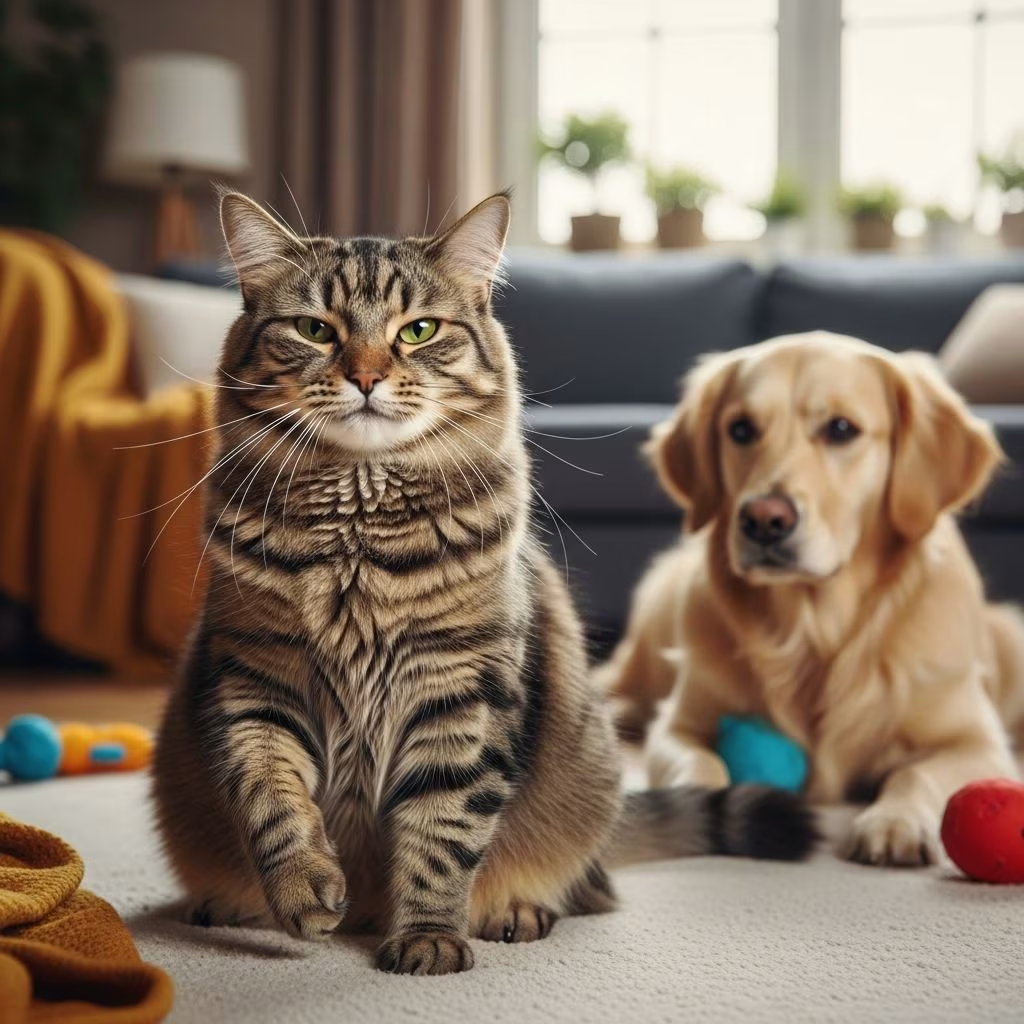
Cats often appear sassier than dogs due to their evolutionary background as solitary hunters, fostering independence and selective interaction, while dogs’ pack-hunting ancestry promotes sociability and eagerness to please. This contrast manifests in behaviors like aloofness, subtle communication, and a ‘tude that cat lovers adore but dog owners might find puzzling.
What Does ‘Sassy’ Mean for Cats?
In pet terms, a sassy cat embodies attitude: the slow blink of disdain, the swatting paw when ignored, or the dramatic exit from unwanted petting sessions. Unlike dogs’ overt enthusiasm—wagging tails and bounding greetings—cats express sass through independence and boundary-setting. This perceived sass stems from cats’ self-reliant nature, where they dictate terms of engagement rather than seeking approval.
Cats’ sass isn’t rudeness; it’s a survival trait refined over millennia. Solitary hunters like wild felines prioritize energy conservation and caution, leading to behaviors that seem aloof or judgmental to humans accustomed to canine companionship. Dog owners might interpret a cat’s side-eye as snobbery, but it’s often calculated assessment.
Evolutionary Roots: Solitary Hunters vs. Pack Animals
Cats descend from solitary predators like the African wildcat (Felis silvestris lybica), hunting alone and avoiding unnecessary social risks, which ingrained independence and wariness. Dogs, evolved from gray wolves, thrived in packs, developing cooperative behaviors that translate to loyalty and social bonding with humans.
This divergence explains sass: cats assess situations before engaging, taking longer to warm up, while dogs form bonds quickly in social settings. A cat’s ‘sass’ is evolutionary prudence—observing before pouncing—contrasting dogs’ playful herding instincts that can intimidate felines.
- Cats: Solitary evolution leads to self-reliance and selective socializing.
- Dogs: Pack history fosters dependency on group dynamics and human leadership.
Independence: Cats Do It Their Way
Cats embody independence, entertaining themselves with solo play like chasing toys or climbing, needing minimal owner input. They thrive alone without distress, preferring affection on their schedule—rubbing legs briefly before retreating. Dogs, conversely, crave constant companionship, structured exercise, and emotional support.
This autonomy fuels sass: a cat ignores play invitations if uninterested, maintaining control over its environment. Cats adapt to small spaces, self-groom, and demand less time, making them lower-maintenance but seemingly less needy—or sassier.
| Trait | Dogs | Cats |
|---|---|---|
| Attention Needs | High: Daily interaction essential | Low: Independent, on their terms |
| Exercise | Structured walks and play | Bursts of indoor activity |
| Social Structure | Pack-oriented, loyal | Solitary, self-reliant |
Body Language Breakdown: Tail Tales and Ear Twitches
Body language amplifies cats’ sass. A dog’s wagging tail signals joy, but a cat’s twitchy or fluffed tail indicates agitation—potentially sparking conflict if a dog chases. Cats use subtle cues: slow blinks for trust, flattened ears for irritation, contrasting dogs’ overt expressions like puppy eyes.
- Tail Signals: Dogs wag for happiness; cats twitch for annoyance.
- Facial Cues: Dogs grin broadly; cats offer deliberate blinks.
- Vocalizations: Dogs bark excitedly; cats purr contentedly or growl warnings.
Misreading these can heighten sass perceptions—cats retreating from ‘playful’ dogs exemplify this.
Communication Styles: Subtle vs. Overt
Cats communicate nuancedly: purring for contentment or solicitation, subtle postures for mood. Dogs are vocal and direct—barks, whines, growls—with expressive faces. Cats’ reticence seems sassy, but it’s efficient signaling honed for solo life. Owners bond via understanding these subtleties, like responding to a cat’s head rub versus a dog’s enthusiastic leap.
Intelligence and Problem-Solving: Clever Cats
Cat intelligence shines in practical skills—hunting prowess and environmental mastery—while dogs excel in emotional intelligence, reading human cues. Cats’ cognitive edge in solo problem-solving (e.g., opening doors slyly) adds to their sassy, self-sufficient aura. Dogs learn tricks readily due to social motivation, but cats engage only if intrigued.
Affection on Their Terms: The Selective Cuddle
Cats form bonds subtly—purring nearby, kneading—but withdraw when overstimulated, enforcing boundaries sassily. Dogs offer unconditional snuggles, perceiving greater emotional closeness from owners. Yet, cat interactions feel less costly: less time, fewer restrictions. This selectivity reads as sass but preserves feline dignity.
Care and Maintenance: Low-Key vs. High-Energy
Cats’ lower needs—minimal exercise, self-grooming—contrast dogs’ demands for walks, training, and space. Cats may scratch or shed, but proper setups mitigate issues. Their fussiness, like burying waste meticulously, underscores prissiness.
| Factor | Dogs | Cats |
|---|---|---|
| Grooming | Regular brushing/bathing | Self-grooming, occasional aid |
| Space | Larger areas needed | Thrives in apartments |
| Training | Consistent effort | Selective response |
Personality Quirks: Nighttime Zoomies and Vase-Toppling
Cats unleash sass in quirks: nocturnal zoomies, knocking items ‘just because,’ versus dogs’ daytime fetch. Cats’ mischief is calculated chaos; dogs’ is exuberant destruction. Extroverted dog owners match canine energy; introverted cat lovers appreciate feline contemplation.
Pet-Human Bonds: Emotional Closeness vs. Low Cost
Owners report stronger emotional ties with dogs—support, love—but cats offer easier relationships: more stroking time, less responsibility. Cats’ sass enhances unique bonds, rewarding patient owners with trust.
Frequently Asked Questions (FAQs)
Why do cats seem sassier than dogs?
Cats’ solitary evolution promotes independence and subtle communication, appearing aloof compared to dogs’ pack-driven sociability.
Can you train sass out of a cat?
Cats respond selectively to training; positive reinforcement works best on their terms, unlike eager-to-please dogs.
Do cats really love their owners?
Yes, through subtle affection like rubbing and purring, though less overtly dependent than dogs.
What’s the biggest body language mix-up between cats and dogs?
Tail wagging: joy for dogs, anger for cats.
Are cats lower maintenance?
Generally yes—less exercise, space, and attention needed.
References
- Mythbusting: Cat and Dog Behavior — AvoDerm Natural. 2023-05-15. https://avodermnatural.com/blog/mythbusting-cat-dog-behavior/
- The Dog and Cat Differences Guide — All About Pets Provo. 2024-02-10. https://www.allaboutpetsprovo.com/cats-vs-dogs.html
- Cats vs. Dogs: Behavior, Intelligence, and Care Comparison — Kinship. 2024-08-22. https://www.kinship.com/pet-behavior/cats-vs-dogs
- What are the differences between dog and cat behavior patterns? — One Woof Daycare. 2023-11-05. https://onewoofdaycare.com/blog/differences-between-dog-cat-behavior/
- Pet–Human Relationships: Dogs versus Cats — PMC – NIH. 2021-09-15. https://pmc.ncbi.nlm.nih.gov/articles/PMC8470704/
- Interesting Differences Between Cats and Dogs — Hill’s Pet Nutrition. 2024-01-12. https://www.hillspet.com.au/pet-care/resources/differences-between-cats-and-dogs



