

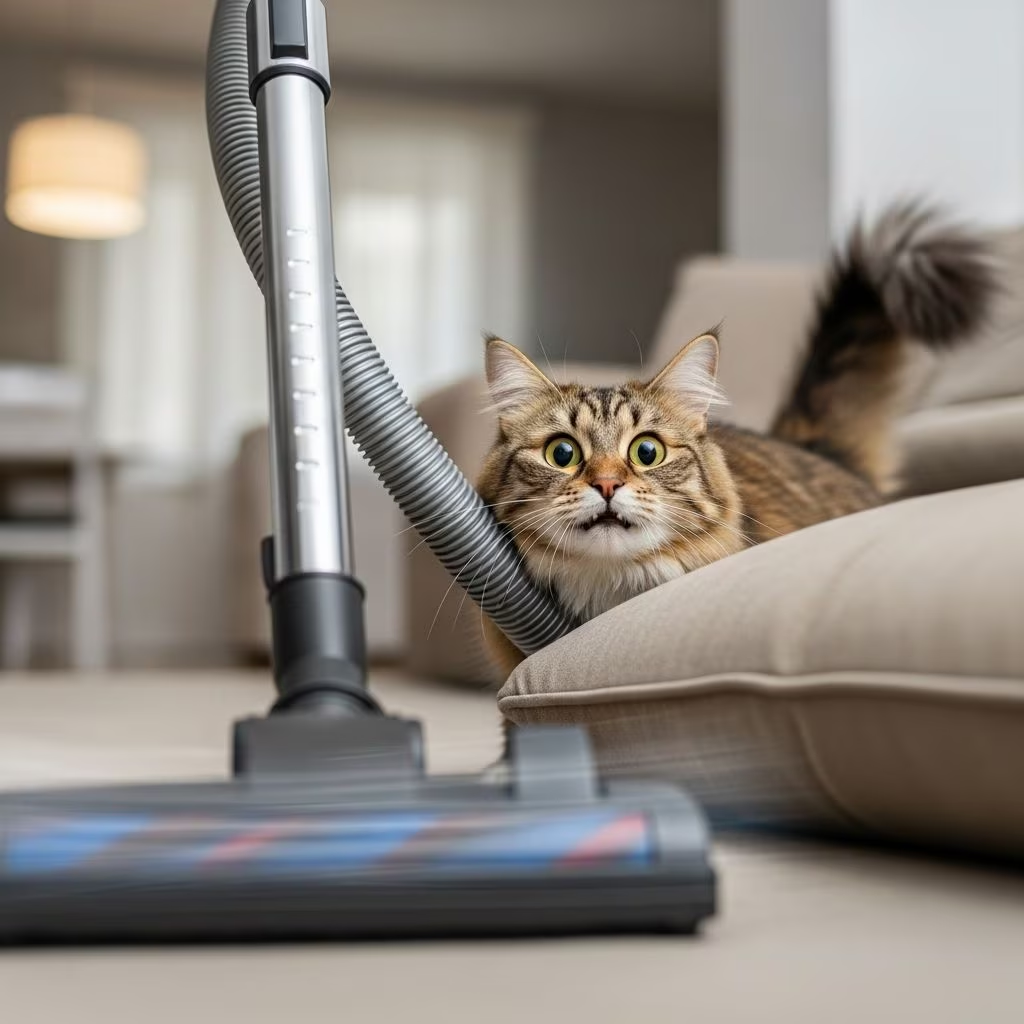
Cats are notorious for fleeing at the sight or sound of a vacuum cleaner, darting under beds or into hiding spots with wide-eyed panic. This reaction stems from a combination of sensory overload and instinctual responses that make the appliance seem like an invading predator in their territory. Understanding these fears allows cat owners to implement desensitization strategies, fostering a calmer household during cleaning routines.
The 5 Common Reasons That Cats Are Afraid of Vacuums
There are many reasons a cat may be afraid of the vacuum cleaner, rooted in their heightened senses and evolutionary instincts. These include sensory factors, past experiences, and individual temperament. Below, we break down the primary triggers based on veterinary insights and feline behavior studies.
1. Lack of Socialization and Exposure
Socialization isn’t just for puppies! The early socialization of kittens to new people, animals, situations, and objects, such as the terrifying vacuum cleaner, is an essential step in their development. This involves gently exposing these young cats to new things they will regularly encounter as adults so they can respond with confidence rather than fear or anxiety. Kittens aged 2-7 weeks are in a critical socialization period; those exposed positively during this time are far less likely to develop phobias later. Adult cats or those from unknown backgrounds may lack this familiarity, viewing the vacuum as an alien intruder.
2. The Loud Noise
Vacuums produce intense, high-decibel noise that overwhelms cats’ superior hearing. Cats hear frequencies up to 64 kHz—far beyond human limits—and are especially sensitive to sudden loud sounds like vacuums, fireworks, or thunder. This auditory assault triggers a flight response, as the racket disrupts their need for peace and predictability. Quieter models may provoke less fear, but standard vacuums often exceed comfortable levels for feline ears.
3. The Imposing Size and Unpredictable Movements
Most vacuum cleaners tower over cats, appearing as massive threats from their low vantage point. Coupled with erratic, darting movements, the machine seems to chase them room to room, mimicking a predator. Cats don’t grasp human control, so this chaotic motion feels threatening, especially in robot vacuums that navigate autonomously. Their territorial nature amplifies this, as the vacuum invades their safe spaces.
4. Unfamiliar Smell and Appearance
The chemical odors from vacuum bags, filters, or cleaning residues are alien to cats’ acute sense of smell. Combined with the appliance’s unusual shape and texture, it registers as an unknown hazard. Cats thrive on routine; the vacuum’s infrequent, sudden emergence disrupts this, heightening anxiety.
5. Previous Negative Experiences and Personality
If a cat has been startled, chased, or cornered by a vacuum previously, it forms a lasting negative association, potentially escalating to phobia. Shy or anxious personalities exacerbate this—cats fearful of storms or guests may dread vacuums more. Genetics play a role too, influencing baseline temperament.
How to Help Your Cat Overcome Their Vacuum Fear: Desensitization Techniques
Desensitization is key to reducing vacuum phobia. This gradual exposure method builds positive associations, leveraging counter-conditioning with treats and praise. Patience is crucial; forcing proximity causes more harm. Here’s a step-by-step guide:
- Leave the Vacuum Out: Place the unplugged vacuum in a common area for days or weeks. Let your cat sniff and explore at their pace—never force interaction. Reward calm behavior with treats.
- Introduce Movement (Off): Gently roll or drag the vacuum across the floor while off. Speak soothingly, pair with play or food. Stop if stress signs appear (dilated pupils, flattened ears, tail flicking).
- Short Bursts of Power On: Plug it in and turn on for 1-2 seconds, from a distance. Gradually increase duration over sessions, always with positive reinforcement. Model calm behavior yourself.
- Vacuum in Stages: Start in short sessions away from your cat, building to full cleans. Monitor body language closely.
- Use Quieter Alternatives: Opt for robot or cordless vacuums, which are less intimidating.
Creating a Safe Environment During Vacuuming
While desensitizing, ensure your cat has escape options to prevent trapping anxiety. Provide high shelves, cardboard boxes, or cat trees as retreats. Keep doorways clear and avoid vacuuming near litter boxes, food, or sleeping spots. Vacuum when your cat is awake and elsewhere, storing the appliance out of reach post-use to avoid chewing hazards.
| Vacuum Type | Noise Level | Movement | Cat Tolerance |
|---|---|---|---|
| Traditional Upright/Canister | High (70-85 dB) | Fast, erratic | Low – Most frightening |
| Cordless Stick | Medium (60-75 dB) | Moderate | Medium – Better for desensitization |
| Robot Vacuum | Low (50-65 dB) | Slow, autonomous | High – Often ignored after habituation |
This table highlights why quieter, slower vacuums ease adaptation.
Signs Your Cat Is Stressed by the Vacuum
Recognize distress early: hiding, hissing, swatting, excessive grooming, dilated pupils, or aggression. Chronic stress impacts health, causing urinary issues or appetite loss. If phobia persists, consult a vet for anxiety aids like pheromone diffusers.
Frequently Asked Questions (FAQs)
Why do cats hate the sound of the vacuum?
Cats have highly sensitive hearing, detecting frequencies and volumes that overwhelm them. Vacuum noise mimics predatory threats, prompting escape.
Are all cats scared of vacuums?
No—well-socialized or bold cats may ignore or play with them. Fear varies by exposure, personality, and experiences.
Will my cat ever get used to the vacuum?
Yes, with gradual desensitization. Many cats habituate over time, especially kittens.
What if my cat attacks the vacuum?
Redirect with toys; aggression signals high fear. Increase safe spaces and slow exposure.
Is it safe to use robot vacuums with cats?
Generally yes—they’re quieter and slower. Supervise initially to prevent mishaps.
Long-Term Benefits of Desensitization
Overcoming vacuum fear builds resilience, reducing overall anxiety. Cats learn household appliances aren’t threats, improving quality of life. Combine with routine enrichment like puzzle feeders for confident felines. Consistency yields results in weeks to months.
References
- Why Are Cats Scared Of Vacuums (How To Help)? — Ecovacs. 2023-10-15. https://www.ecovacs.com/us/blog/why-cats-are-scared-of-vacuums
- Why Are Cats Scared of Vacuums? Here’s What We Know — Cats.com. 2024-05-20. https://cats.com/why-are-cats-scared-of-vacuums
- Why are cats scared of vacuum cleaners? — Cats Protection (cats.org.uk). 2023-08-12. https://www.cats.org.uk/cats-blog/why-are-cats-scared-of-vacuum-cleaners
- Why Are Cats Scared of Vacuums? 5 Vet-Reviewed Reasons — Catster. 2024-02-28. https://www.catster.com/cat-behavior/why-are-cats-scared-of-vacuums/
- Help! My Cat is Afraid of the Vacuum Cleaner! — Cattitude Adjustment. 2023-11-05. https://www.cattitude-adjustment.com/blog/help-my-cat-is-afraid-of-the-vacuum



