
Why Are My Cat’s Paws Swollen? Causes & Treatment
Learn what causes swollen cat paws and when to seek veterinary care for your feline friend.
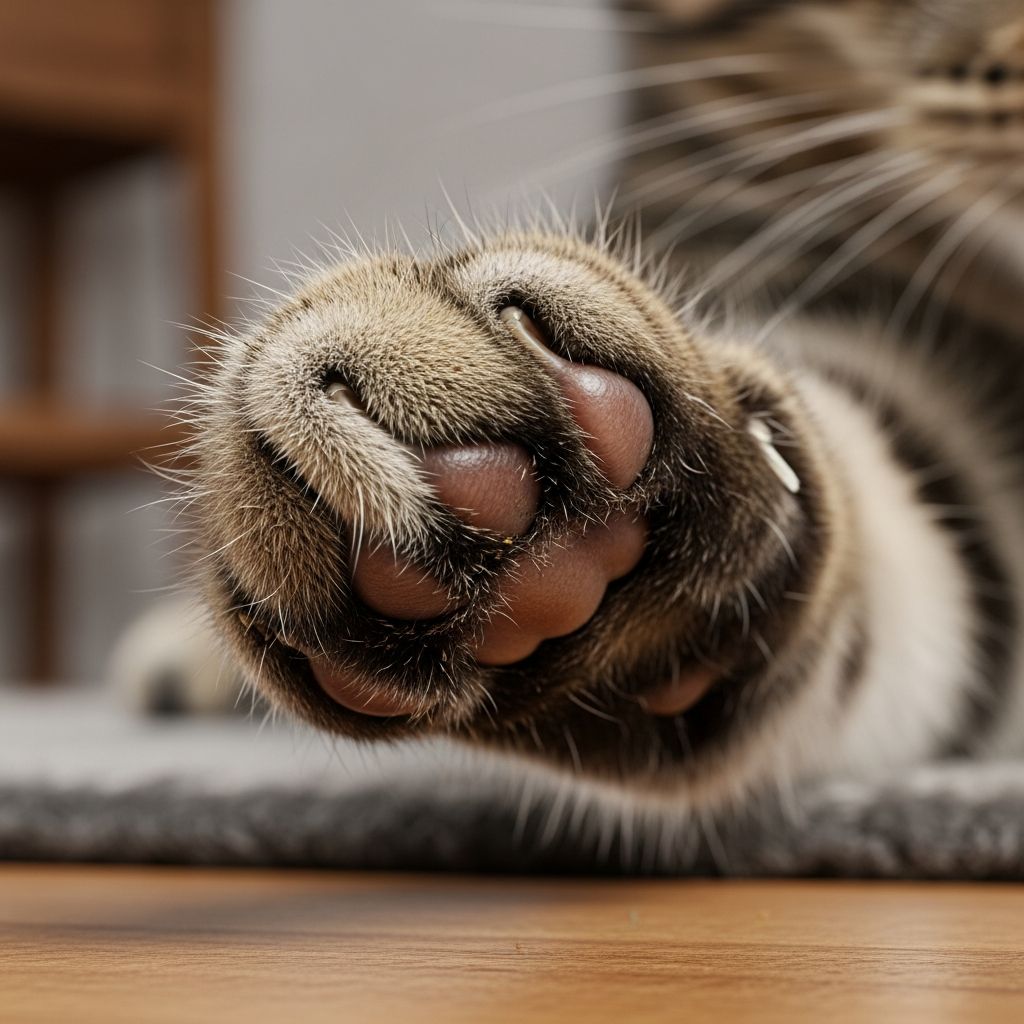
Why Are My Cat’s Paws Swollen? Understanding the Causes
Discovering that your cat has swollen paws can be concerning for any pet owner. Swelling in a cat’s paws can range from mild inflammation to severe enlargement that affects your feline companion’s ability to walk and play comfortably. Understanding the underlying causes of paw swelling is essential for ensuring your cat receives appropriate care and treatment. Swollen paws in cats can result from localized issues affecting just one or two paws, whole-body systemic conditions affecting all four limbs, or conditions specific to the paw pads themselves. The key to helping your cat is identifying which category the swelling falls into and recognizing when professional veterinary attention is necessary.
Common Symptoms of Swollen Cat Paws
Before exploring the causes of swollen paws, it’s important to recognize the signs that accompany this condition. Owners who notice any of the following symptoms in their cats should investigate further and consider scheduling a veterinary appointment:
– Visible swelling or enlargement of one or more paws- Limping or reluctance to walk- Reduced activity or reluctance to jump- Frequent licking, chewing, or biting of the affected paw- Discharge, foul odor, or visible wounds on the paw- Heat or warmth emanating from the swollen paw- Decreased appetite- Signs of pain when the paw is touched
Additionally, observing your cat’s recent activities can provide valuable clues. If your cat has been outdoors recently, the swelling could stem from a bite, cut, or encounter with an insect. Indoor cats with swollen paws may have experienced an injury within the home or be suffering from an underlying health condition.
Localized Causes of Swollen Cat Paws
Cat Paw Injuries and Trauma
As cats climb, jump, and explore their environment, they risk sustaining various paw injuries. When your cat returns with a puffy, swollen paw, one of several traumatic injuries may be responsible:
– Fractures: Broken bones in the paw can occur from falls, being stepped on, or other accidents- Cuts and puncture wounds: Sharp objects, broken glass, or rough surfaces can lacerate or puncture the paw pads and surrounding tissue- Abscesses: Infections that develop from bite wounds or punctures create localized pockets of pus and swelling- Sprains or strains: Overstretching or tearing of ligaments and tendons cause inflammation and swelling- Foreign object irritation: Splinters, thorns, or other debris lodged in the paw cause ongoing irritation and inflammation
Injuries often require immediate attention to prevent infection and ensure proper healing. Your veterinarian may recommend X-rays to assess the extent of damage and determine the appropriate treatment plan.
Insect Bites and Stings
Encounters with insects represent another common source of paw swelling in cats. Bee stings, wasp stings, mosquito bites, and spider bites can all trigger inflammatory responses in your cat’s paws. The swelling typically develops quickly after the insect encounter and may be accompanied by localized redness and pain. Some cats may experience allergic reactions to insect venom, resulting in more pronounced swelling. In these cases, your veterinarian may administer a steroid or antihistamine to reduce swelling and discomfort.
Nail Overgrowth
Many cat owners overlook the importance of nail maintenance. When cats cannot maintain comfortable nail length through normal scratching and use of scratching posts, overgrown nails can lead to significant problems. Long nails are prone to getting caught, twisted, and torn on various objects within your home. In severe cases, overgrown nails may actually puncture the cat’s own paw pad. The constant irritation from sharp, overgrown nails causes inflammation, tissue damage, and can lead to bacterial infections. Treatment for nail overgrowth-related swelling typically involves trimming the nails, bandaging affected areas, and administering antibiotics if infection has developed.
Pododermatitis: A Serious Paw Condition
Understanding Plasma Cell Pododermatitis
Pododermatitis, commonly referred to as “pillow paw” or “pillow foot,” represents one of the most distinctive forms of paw swelling in cats. This condition is characterized by dramatic swelling of the paw pads that creates a distinctive “pillow” appearance. The characteristic swelling occurs when high numbers of plasma cells, which are immune cells that produce immunoglobulin to help fight infections, infiltrate the tissue of the paw pads. While the exact cause of plasma cell pododermatitis remains unknown, researchers have identified several potential triggers that may contribute to its development.
Symptoms of Pododermatitis
Cats with pododermatitis typically present with distinctive symptoms that set this condition apart from other causes of paw swelling:
– Severely swollen paw pads that resemble pillows- Discoloration of paw pads, appearing dark pink, purple, or red- Cracked or ulcerated paw pad tissue- Visible pain when walking on affected paws- Cats may hide their discomfort well initially, making early detection challenging
Underlying Triggers and Causes
While the precise cause of pododermatitis remains elusive, several factors may trigger or contribute to its development:
– Viral infections, particularly feline immunodeficiency virus (FIV) and feline leukemia virus (FELV)- Bacterial infections- Fungal infections- Parasitic infections- Allergies and hypersensitivities- Immune system disorders- Cancer or other systemic diseases- Poor grooming habits- Secondary bacterial infections from scratching
It is highly recommended that cats diagnosed with pododermatitis undergo blood work to identify any underlying viral infections, as FIV and FELV can cause numerous additional health problems beyond paw involvement.
Systemic Conditions Causing Multiple Swollen Paws
When all of a cat’s legs or paws become swollen simultaneously, the underlying cause typically involves a whole-body systemic problem rather than localized injury. These conditions require prompt veterinary attention as they often indicate serious underlying health issues:
Cardiovascular Disease
Heart disease can lead to swollen paws by disrupting normal blood flow throughout the body. When the heart cannot pump blood efficiently, fluid backs up and leaks out of blood vessels into surrounding tissues, causing swelling in the limbs and paws.
Liver Disease
The liver produces albumin, a crucial protein that helps maintain proper fluid balance within blood vessels. Advanced liver disease results in decreased albumin production, allowing fluid to accumulate in tissues and create swelling throughout the body.
Kidney Disease
Cats with kidney disease may lose albumin and other important proteins in their urine. This protein loss reduces the body’s ability to maintain fluid in the bloodstream, resulting in fluid leakage into surrounding tissue and generalized swelling.
Systemic Infections
Bacterial, viral, fungal, and parasitic infections throughout the body can trigger inflammatory responses that make blood vessels inflamed and leaky. Cats may also develop swollen lymph nodes in response to systemic infections.
Allergic Reactions and Autoimmune Diseases
Severe allergic reactions and autoimmune diseases can make blood vessels leaky throughout the body, leading to generalized swelling in the legs and paws.
Additional Causes of Paw Swelling
Abscesses from Fighting
When cats fight, bite wounds often become infected and form abscesses. These localized infections create swelling at the bite site and can become quite large and painful if left untreated.
Post-Injection Reactions
Cats frequently receive vaccines and other injections low on their legs. Small swellings at injection sites are not uncommon and typically resolve on their own within a few days.
Tumors and Cancerous Growth
Benign or malignant tumors affecting a cat’s legs or paws can create visible swelling and may become inflamed, infected, or put pressure on nearby blood vessels and lymphatic channels.
Vascular or Lymphatic Obstruction
Blockages in veins or lymphatic channels, whether from tumors or other obstructions, increase pressure within vessels and cause fluid leakage and swelling.
Calicivirus Infection
Feline calicivirus commonly causes ulcers in the mouth, but these ulcers can also involve a cat’s paws and paw pads. Affected areas may become swollen, particularly if secondary bacterial infections develop.
Eosinophilic Granuloma Complex
This inflammatory disease typically produces raised, often pink skin lesions on a cat’s lips, thighs, or belly, but the foot pads can also be affected, resulting in swelling and irritation.
When to Seek Veterinary Care
Recognizing when professional help is needed is crucial for your cat’s health. Contact your veterinarian promptly if you notice any of the following:
– Sudden onset of paw swelling- Swelling affecting multiple paws or all four legs- Signs of pain or lameness- Discharge, foul odor, or visible wounds- Swelling that does not improve within 24 hours- Accompanying systemic symptoms like fever, decreased appetite, or lethargy- Visible signs of infection
Diagnostic Approach and Treatment Options
Your veterinarian will begin with a thorough physical examination and may recommend additional diagnostic tests based on the examination findings. These may include:
– X-rays to assess for fractures or bone involvement- Blood work to evaluate organ function and identify infections- Cytology or biopsy of affected tissue- Bacterial or fungal cultures- Ultrasound imaging
Treatment varies depending on the underlying cause:
– Injuries and trauma: Treatment is determined through examination and sometimes X-rays, then addressed accordingly- Insect bites or stings: Once identified, steroids or antihistamines are administered to reduce swelling and discomfort- Pododermatitis: Treatment varies based on the underlying cause, often requiring therapy and dietary changes- Nail overgrowth: Infected areas are bandaged and treated with antibiotics- Systemic conditions: Treatment addresses the underlying disease process
Frequently Asked Questions
Q: How can I tell if my cat’s paw swelling is an emergency?
A: Seek immediate veterinary care if your cat has severe swelling, signs of infection, inability to bear weight on the paw, or swelling affecting multiple legs. These signs may indicate serious conditions requiring urgent treatment.
Q: Can I treat swollen cat paws at home?
A: While minor swelling may improve with rest, most cases require professional veterinary evaluation. Home treatment without proper diagnosis may delay necessary care and allow conditions to worsen.
Q: How is pododermatitis managed long-term?
A: Management depends on identifying underlying triggers. Treatment may include dietary changes, environmental modifications, antibiotics if infection is present, and immune-modulating therapy in some cases.
Q: Can swollen paws be prevented?
A: Prevention strategies include maintaining regular nail trimming, keeping your cat current on vaccinations and parasite prevention, providing a safe environment, and addressing any underlying health conditions promptly.
Q: What is the prognosis for cats with swollen paws?
A: Prognosis depends on the underlying cause. Many localized injuries resolve well with appropriate treatment, while systemic conditions require ongoing management. Pododermatitis requires long-term care but many cats improve with proper treatment.
References
- Swollen Cat Paws: Causes and Treatment — Ponderosa Veterinary Clinic. Accessed 2025. https://ponderosavetclinic.com/swollen-cat-paws/
- Swollen Paws and Legs in Cats — PetMD. Accessed 2025. https://www.petmd.com/cat/symptoms/swollen-paws-and-legs-cats
- Helping Cats Stand Up to Pillow Foot — Texas A&M AgriLife News. 2024-05-03. https://stories.tamu.edu/news/2024/05/03/helping-cats-stand-up-to-pillow-foot/
- Plasma Cell Pododermatitis — Your Vet Wants You to Know. Accessed 2025. https://yourvetwantsyoutoknow.com/plasma-cell/
- Pododermatitis in Cats: Signs and Management — Royal Canin. Accessed 2025. https://www.royalcanin.com/us/cats/health-and-wellbeing/pododermatitis-in-cats-signs-and-management
Similar Articles








Read full bio of Sneha Tete




