

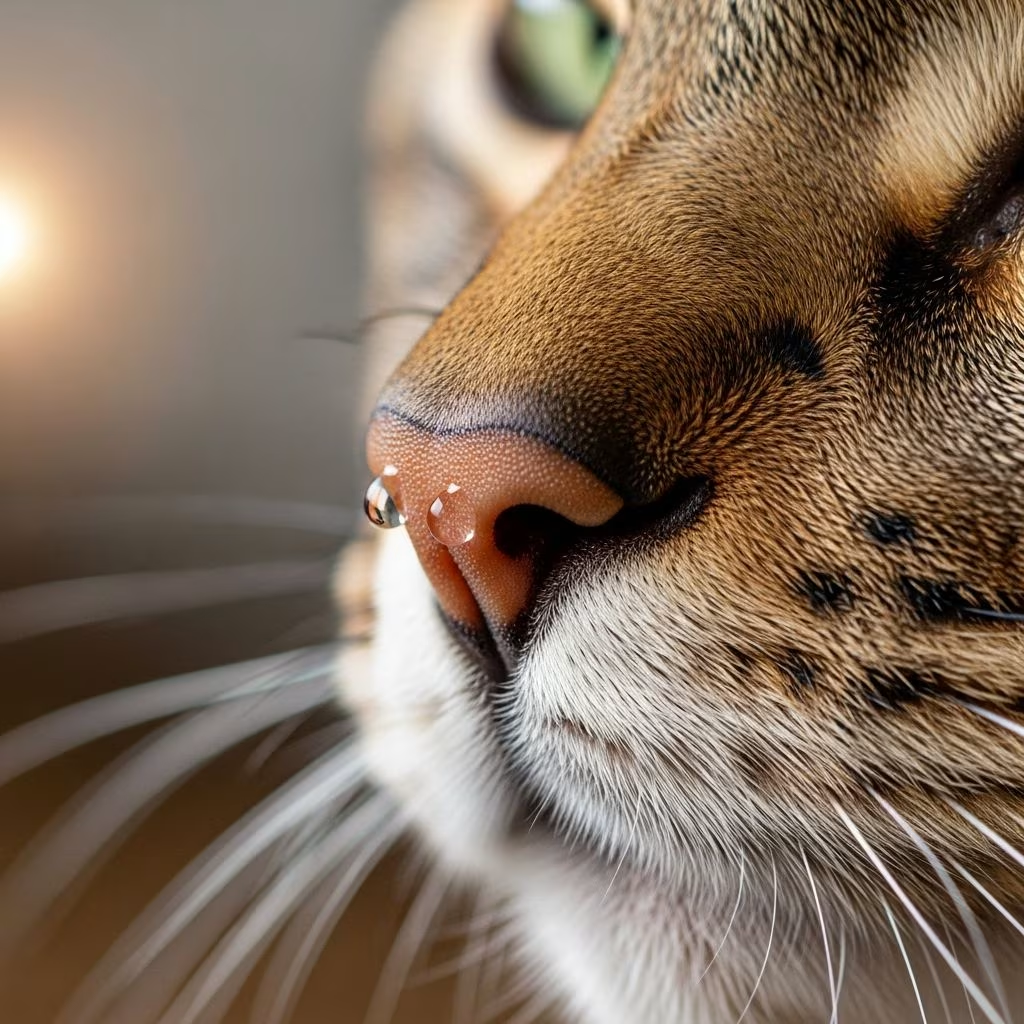
Why Are Cats’ Noses Wet?
If you’ve ever wondered why your feline friend’s nose feels damp and cool to the touch, you’re not alone. A wet nose is one of the most recognizable features of healthy cats, but the reasons behind this moisture are more complex than many pet owners realize. Your cat’s nose wetness serves important biological functions that contribute to their overall health and sensory abilities. Understanding what causes this moisture—and when changes in nose texture might signal a problem—helps you better care for your beloved pet.
The Role of Moisture in Scent Detection
Your cat’s sense of smell is approximately 14 times more powerful than yours, and the moisture on their nose plays a crucial role in this exceptional ability. The wetness on your cat’s nose creates an optimal surface for scent particles to stick, making it easier for your feline companion to pick up and process odors from their environment. Scent particles adhere to wet surfaces far more effectively than dry ones, giving cats with naturally moist noses a distinct advantage in navigating their surroundings and identifying food sources.
This mucous coating isn’t just incidental—it’s a carefully evolved feature that enhances your cat’s olfactory capabilities. The thin layer of mucus lining your cat’s nasal passages traps scent particles efficiently, helping them determine where smells are coming from and assess their environment with remarkable precision. Without this moisture, your cat’s sense of smell would be significantly compromised, potentially affecting their appetite, hunting instincts, and overall quality of life.
Cooling and Temperature Regulation
Beyond scent detection, the moisture on your cat’s nose serves another vital function: temperature regulation. As moisture evaporates from your cat’s nose, it provides a cooling effect that helps maintain their body temperature. This is particularly important for cats living in warm environments or those who spend time in direct sunlight. The cooling mechanism is simple yet effective—similar to how sweating helps humans cool down, the evaporation of nasal moisture helps keep your cat comfortable and prevents overheating.
What Causes Your Cat’s Nose to Stay Wet?
Several biological and behavioral factors contribute to keeping your cat’s nose consistently moist throughout the day.
Sweat Glands and Natural Secretions
The skin around your cat’s nostrils contains multiple sweat glands that continuously produce moisture. Unlike human sweat glands, which are primarily designed for cooling, feline nose glands produce secretions that maintain the mucous layer essential for optimal sensory function. This natural moisture production is one of the main reasons your cat’s nose typically feels wet and cool during their active hours.
Tear Duct Drainage
Your cat’s tear ducts connect directly to their nasal passages, which means drainage from the eyes can contribute to nasal moisture. This anatomical connection explains why some cats may have slightly wetter noses than others—tear production varies from cat to cat based on individual differences in tear gland function. The tear duct connection is also important to remember when evaluating your cat’s overall health, as excessive tearing combined with a wet nose might indicate an underlying issue.
Self-Grooming and Saliva
Cats are meticulous groomers, and they frequently lick their noses as part of their grooming routine. When your cat licks their nose, they deposit saliva on the nasal surface, contributing to its overall moisture. A cat that is actively grooming and has regular access to water will typically maintain a naturally wet nose through this behavior combined with their regular water consumption. After drinking water, your cat’s nose may feel temporarily damp from residual moisture.
Is Variation in Nose Moisture Normal?
While a wet nose is often considered a sign of good health in cats, it’s important to understand that variation in nose moisture throughout the day is completely normal and doesn’t necessarily indicate a problem.
Factors That Affect Nose Moisture Levels
Several environmental and behavioral factors can temporarily affect how wet or dry your cat’s nose feels:
- Sun exposure: Spending time in direct sunlight can temporarily dry out your cat’s nose as moisture evaporates faster in warm conditions
- Heat sources: Proximity to heaters, fireplaces, or other heat sources can reduce nasal moisture
- Activity level: During active play or exercise, your cat may have a drier nose due to increased panting and fluid loss
- Sleep cycles: When cats sleep, they’re less active and lose fewer fluids through grooming or panting, which can result in a drier nose
- Environmental humidity: Low humidity environments can temporarily reduce nasal moisture
Understanding these normal variations helps you avoid unnecessary concern when you notice your cat’s nose is occasionally dry. However, if your cat’s nose remains persistently dry or shows other signs of change, it’s worth monitoring more closely.
Age-Related Changes
Senior cats often experience naturally drier noses than younger felines for several reasons. Metabolic changes that occur with age, combined with a decline in snout-licking behavior, can result in less moist noses in older cats. Even healthy senior cats may have drier noses as a normal part of the aging process. If you have an older cat, don’t automatically assume a dry nose indicates illness—age-related drying is often completely normal.
When a Wet Nose Might Indicate a Problem
While a wet nose is usually a positive sign, an excessively wet nose accompanied by other symptoms can indicate a health concern that requires veterinary attention.
Signs of Concern Associated with Wet Noses
Be alert to these warning signs that may accompany an abnormally wet nose:
- Nasal discharge: Any clear or colored discharge from the nose beyond normal moisture
- Sneezing or coughing: Frequent or persistent sneezing and coughing episodes
- Weepy or tearing eyes: Excessive tears or discharge from the eyes
- Crusting near the nose: Dried crusty material around the nostrils or nasal area
- Increased licking: Your cat obsessively licking their nose more than usual
- Mouth breathing: Cats naturally breathe through their noses; mouth breathing may indicate congestion or respiratory issues
- Changes in appetite or grooming: Reluctance to eat or sudden cessation of normal grooming behavior
Medical Conditions Associated with Excessive Nasal Moisture
Several health conditions can cause an abnormally wet nose in cats:
- Upper respiratory infections: Common viral infections can cause increased nasal discharge and a runny nose
- Fungal infections: Certain fungal conditions affect nasal passages and moisture production
- Allergies: Environmental or food allergies can trigger excessive nasal discharge
- Nasal masses or polyps: Growths in the nasal passages can cause unusual discharge
- Dental disease: Tooth infections can drain into nasal passages, causing discharge
- Nasal foreign body: Objects lodged in the nose cause irritation and discharge
Bloody Nasal Discharge
Bloody nasal discharge is never normal and should prompt immediate veterinary attention. This symptom can indicate several serious conditions including clotting disorders, systemic diseases, cancer, or toxin ingestion. If you notice any blood in your cat’s nasal discharge, contact your veterinarian right away.
When a Dry Nose Might Signal Problems
Just as an excessively wet nose can indicate issues, a persistently dry nose—especially if it represents a change from your cat’s normal baseline—may warrant veterinary evaluation.
Dehydration as a Cause
One of the most common reasons for a dry nose in cats is insufficient water intake. Cats who aren’t drinking enough water often develop noticeably drier noses. If your cat’s nose seems dry, evaluate their hydration status by examining their gums—healthy hydration produces pink gums, while dehydration causes pale-looking gums. You can also perform the scruff test: gently pull up the skin on the back of your cat’s neck. If your cat is well-hydrated, the skin will quickly snap back; if dehydrated, it will take several seconds to return to normal.
Illness and Dry Nose
A dry nose can also indicate various health conditions. If your cat has allergies or an illness that affects their respiratory system, their nose may dry out because they’re not grooming as frequently or their nasal moisture production is compromised. Changes in appetite or grooming behavior combined with a dry nose may suggest an underlying condition requiring professional evaluation.
Environmental Factors
Dry indoor heating, low humidity environments, and excessive heat exposure can all contribute to temporarily dry noses in cats. If you notice your cat’s nose is drier during winter months when heating systems are running, increasing humidity in your home may help. A humidifier can create a more comfortable environment for your cat’s respiratory health.
How to Help Your Cat Maintain Healthy Nose Moisture
If you’re concerned about your cat’s nose moisture levels, several simple interventions can help promote healthy nasal hydration.
Ensure Proper Hydration
The foundation of good nasal health is adequate water intake. Make sure your cat has constant access to fresh, clean water throughout the day. If your cat doesn’t drink enough from a regular water bowl, consider investing in a cat water fountain—many cats are attracted to moving water and will drink more from a fountain than a stationary bowl. Alternatively, feeding wet food can increase your cat’s overall fluid intake, though you should consult your veterinarian before making significant dietary changes.
Maintain Optimal Humidity
In dry indoor environments, particularly during winter, using a humidifier can help maintain moisture levels that benefit your cat’s nasal health and overall comfort. Proper humidity also supports respiratory function and may help prevent dry nose issues from developing.
Reduce Irritants
If you suspect certain household products or materials are causing irritation, switch to hypoallergenic alternatives. For example, stainless steel or ceramic food and water bowls are gentler on your cat’s skin and nose than plastic bowls, which can sometimes cause irritation or allergic reactions.
Gentle Nose Care
You can gently support your cat’s nasal health by occasionally using a soft, damp cloth to dab their nose. This helps maintain healthy skin and moistens the nasal area without being intrusive. Always be gentle and respect your cat’s comfort—most cats won’t tolerate extensive handling of their nose.
When to Contact Your Veterinarian
A sudden change in your cat’s normal nose condition warrants a veterinary conversation. If your cat’s nose changes from its typical wet state to persistently dry, or becomes excessively wet with discharge, it’s time to schedule an examination. Similarly, if a change in nose condition accompanies behavioral changes—such as reluctance to eat, cessation of grooming, lethargy, or other unusual symptoms—professional evaluation becomes especially important.
Your veterinarian can conduct a thorough examination to identify any underlying causes and recommend appropriate treatment. They might suggest dietary adjustments, changes to your home environment, hydration strategies, or medications for allergies or other medical conditions. Your vet can help create a personalized care plan tailored to your specific cat’s needs.
Frequently Asked Questions (FAQs)
Q: Is a wet nose always a sign that my cat is healthy?
A: While a wet nose is generally associated with good health, it’s not the only indicator of wellness. A wet nose can sometimes coincide with health conditions like respiratory infections. Always consider the overall context—if your cat has a wet nose but is showing other signs of illness, professional evaluation is warranted.
Q: Can a cat’s nose be too wet?
A: Yes. An excessively wet nose with abnormal discharge can indicate conditions like upper respiratory infections, allergies, or nasal masses. If your cat’s nose is wetter than normal and accompanied by sneezing, coughing, or discharge, contact your veterinarian.
Q: Why is my senior cat’s nose drier than it used to be?
A: Drier noses in senior cats are often normal due to age-related metabolic changes and decreased grooming behavior. However, if the change is sudden or accompanied by other symptoms, consult your vet to rule out dehydration or illness.
Q: How can I tell if my cat is dehydrated based on nose moisture?
A: A persistent dry nose can indicate dehydration, but verify this by checking your cat’s gums—they should be pink and moist if hydration is adequate. You can also perform the scruff test by gently pulling up the skin on the back of the neck; it should snap back quickly in a well-hydrated cat.
Q: Should I worry if my cat’s nose is warm instead of cool?
A: A warm nose might be normal temporarily, especially if your cat has been sleeping in sunlight or near a heat source. However, a persistently warm nose could indicate fever or dehydration. If accompanied by other symptoms like lethargy or loss of appetite, contact your veterinarian.
Q: Does my cat licking their nose indicate a problem?
A: Occasional nose licking is normal grooming behavior. However, excessive or obsessive licking of the nose could indicate irritation, allergies, or an uncomfortable condition. If your cat seems to be licking their nose more than usual, monitor for other signs and consult your vet if concerned.
References
- Why Is My Cat’s Nose Wet? — Catster. 2024. https://www.catster.com/cat-health-care/why-is-my-cats-nose-wet/
- What Does Your Cat’s Nose Tell You About Their Health — Eye Envy. 2024. https://www.eyeenvy.com/blog/what-does-your-cats-nose-tell-you-about-their-health/
- Why is my cat’s nose wet? — ManyPets. 2024. https://manypets.com/us/blog/wet-cat-nose/
- Why Is My Cat’s Nose Wet? — K&H Pet Products. 2024. https://khpet.com/blogs/cats/why-is-my-cats-nose-wet
- Does a wet nose indicate a healthy pet? — Corydon Animal Hospital. 2019. https://www.corydonanimalhospital.ca/resources/blog/march-2019/does-a-wet-nose-indicate-a-healthy-pet
- Does a cold, wet nose mean your pet is healthy? — Vetwest. 2024. https://www.vetwest.com.au/pet-library/does-a-cold-wet-nose-mean-your-pet-is-healthy/



