
Why Anesthesia is Essential for Dog Dental Cleanings
Discover why professional dental care under anesthesia is the gold standard for preventing serious health issues in dogs.
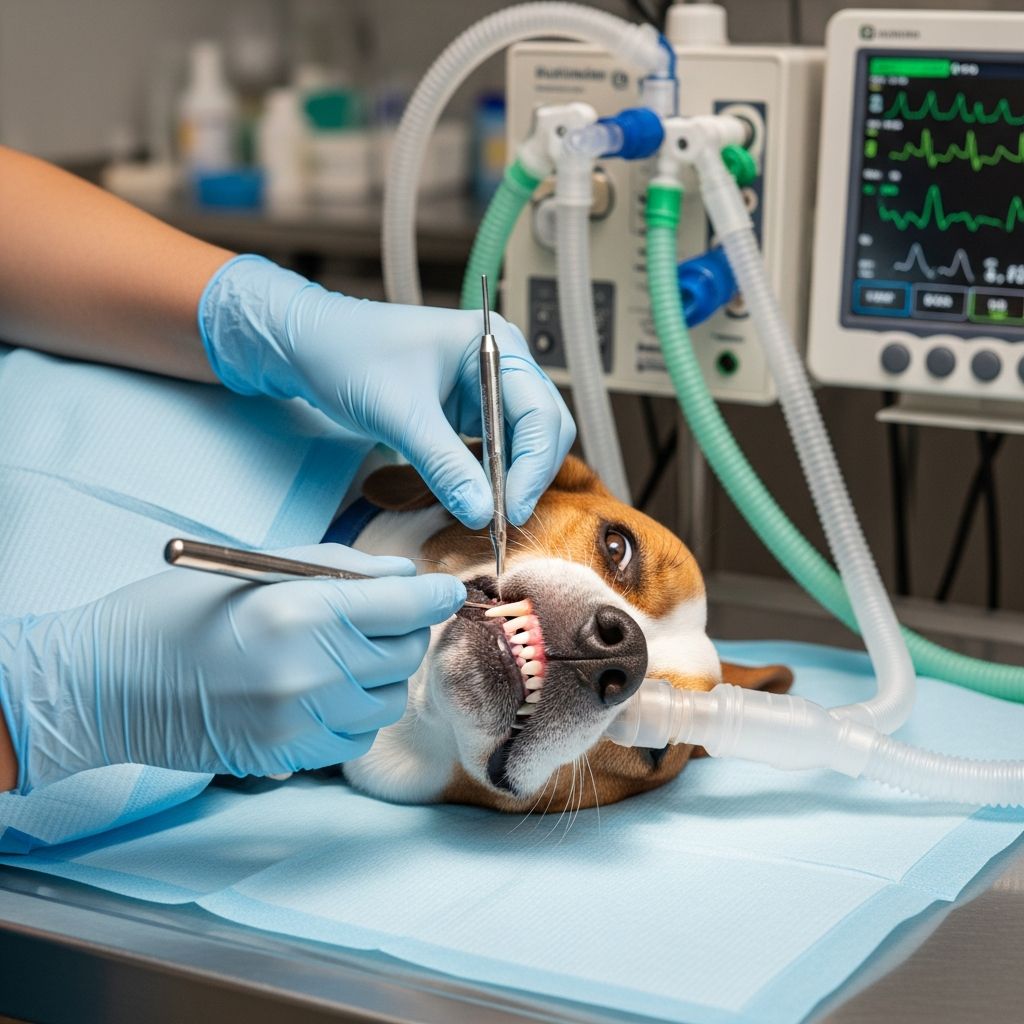
Professional dental cleanings under general anesthesia are the most effective way to maintain your dog’s oral health and prevent systemic diseases. Without it, cleanings remain superficial and fail to address the root causes of periodontal issues.
The Hidden Dangers of Poor Canine Dental Health
Dogs suffer from dental problems more than any other health issue after skin conditions. Plaque and tartar buildup leads to gingivitis and advanced periodontal disease, affecting up to 80% of dogs by age three. Bacteria from infected gums enter the bloodstream, damaging organs like the heart, kidneys, and liver.
Untreated dental disease causes chronic pain, making eating difficult and leading to weight loss. Loose teeth, abscesses, and bone loss around roots exacerbate suffering. Early intervention through anesthetized cleanings halts progression and improves quality of life.
How Anesthesia Enables Comprehensive Dental Care
General anesthesia immobilizes the dog, allowing veterinarians to perform a full oral exam, scaling above and below the gum line, polishing, and necessary extractions. Key procedures include:
- Subgingival scaling: Removes tartar from periodontal pockets where 60-70% of disease occurs, invisible without anesthesia.
- Dental radiography: X-rays detect hidden abscesses, fractures, and bone loss in 30-50% of cases missed by visual inspection.
- Tooth extraction: Painlessly removes non-viable teeth, preventing further infection spread.
- Periodontal probing: Measures pocket depths to diagnose disease stage accurately.
These steps ensure lasting results, unlike surface-level scrapes that ignore underlying pathology.
Debunking Myths About Anesthesia-Free Cleanings
Anesthesia-free dentals, often marketed as safer and cheaper, only polish visible surfaces. They cannot reach below the gums, leaving bacteria that fuel disease progression.
| Aspect | Anesthesia-Free Cleaning | Anesthetized Professional Cleaning |
|---|---|---|
| Cleaning Depth | Above gum line only (cosmetic) | Above and below gum line (therapeutic) |
| X-rays Possible? | No | Yes, full-mouth imaging |
| Extractions | Not feasible | Yes, as needed |
| Stress Level | High due to restraint | Low; pain-free |
| Effectiveness | Limited; disease advances | High; prevents systemic issues |
Data shows anesthesia-free methods increase risks of injury from sharp tools and miss 70% of pathology.
Safety Profile of Modern Veterinary Anesthesia
Advances in monitoring, pre-anesthetic bloodwork, and tailored protocols make anesthesia safer than ever. Risks are under 0.1% in healthy dogs, far lower than complications from untreated dental disease.
Pre-procedure checks screen for heart, liver, or kidney issues via ECG, blood panels, and exams. During the procedure, continuous monitoring of heart rate, oxygen, blood pressure, and temperature ensures stability. AAHA guidelines confirm benefits outweigh minimal risks.
Post-Procedure Recovery and Side Effects
Most dogs recover within 24 hours. Common, mild effects include:
- Grogginess and lethargy from anesthesia.
- Temporary throat irritation causing cough.
- Whining due to disorientation, resolving quickly.
- Short-term constipation from reduced activity.
Serious complications are rare, usually tied to undiagnosed conditions caught by pre-screens. Provide a quiet space, soft food, and monitor for issues.
When Anesthesia-Free Might Seem Appealing—And Why It Falls Short
For senior dogs or those with comorbidities, owners fear anesthesia. However, anesthesia-free options cause stress from restraint, potential gum lacerations, and tooth fractures. They suit mild cases for maintenance but not treatment.
Veterinarians recommend full anesthesia even for at-risk pets, using lighter protocols. Benefits like preventing sepsis from abscesses justify it.
At-Home Dental Care: Complementing Professional Treatments
Daily brushing with enzymatic toothpaste, dental chews, and water additives reduce plaque by 20-50%. Annual anesthetized cleanings maintain gains. Breeds like small dogs (e.g., Chihuahuas, Dachshunds) need more frequent care due to genetics.
Cost-Benefit Analysis of Invested Dental Care
Initial costs ($500-1500) pale against treating heart disease ($2000+) or kidney failure from bacterial spread. Insurance often covers 70-90%, and healthy mouths extend lifespan.
Frequently Asked Questions
Is anesthesia really necessary for dog teeth cleaning?
Yes, for thorough treatment. Without it, 70% of disease below gums persists.
How safe is dental anesthesia for dogs?
Extremely safe with modern protocols; risk <0.1%, monitored closely.
What happens if I skip professional cleanings?
Periodontal disease leads to pain, tooth loss, and organ damage.
Can older dogs handle anesthesia?
Yes, with pre-screens; untreated dental issues pose greater threats.
How often should my dog get dental cleanings?
Every 6-12 months, based on exam findings.
Choosing a Qualified Veterinary Dentist
Seek AVDC-boarded specialists or AAHA-accredited clinics for expertise. They use digital X-rays and safe anesthetics.
References
- Understanding Anesthesia-Free Dog Teeth Cleaning: Benefits and Risks — San Bruno Vet. Accessed 2026. https://sanbrunovet.com/dental-pet-care-in-san-bruno-ca/understanding-anesthesia-free-dog-teeth-cleaning-benefits-and-risks/
- Complications from Dog Dental Cleaning — Embrace Pet Insurance. Accessed 2026. https://www.embracepetinsurance.com/waterbowl/article/do-dogs-need-dental-cleanings
- Do Pets Need Anesthesia for Dental Care? — AAHA. Accessed 2026. https://www.aaha.org/resources/anesthesia-and-dental-cleaning/
- The Truth About Non-Anesthetic Dental Cleanings — Cobb Animal Hospital. Accessed 2026. https://cobb.vet/the-truth-about-non-anesthetic-dental-cleanings-are-they-safe-for-pets/
- Risks & Benefits of Dental Cleaning for Dogs — BFVCTV (YouTube). 2013. https://www.youtube.com/watch?v=OwZdpdMKBBw
- Risks of Anesthesia-Free Dental Procedures — VCA Animal Hospitals. Accessed 2026. https://vcahospitals.com/know-your-pet/risks-of-anesthesia-free-dental-procedures
- Why Non-Anesthetic Dentals Are Dangerous for Pets — Santa Monica Vet. Accessed 2026. https://santamonicavet.com/why-non-anesthetic-dentals-are-dangerous-for-pets/
Similar Articles








Read full bio of Sneha Tete




