

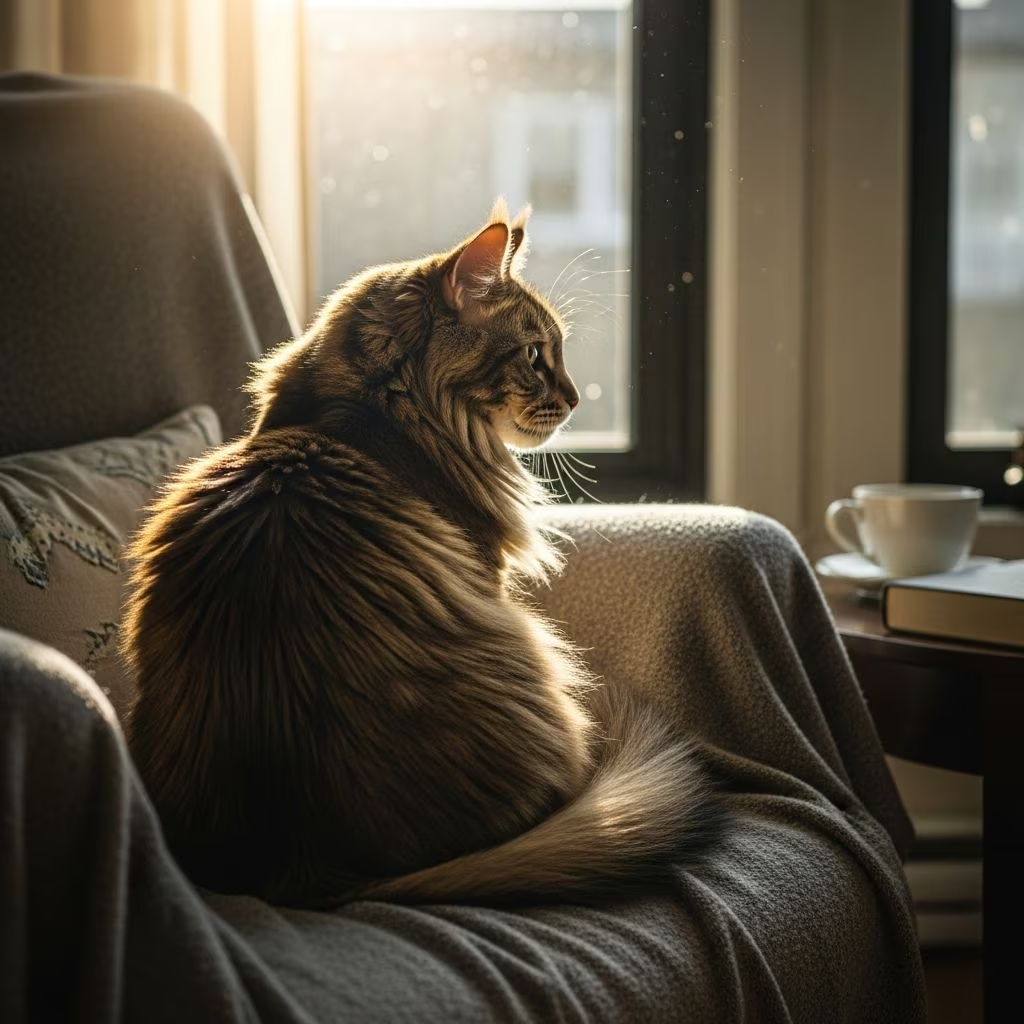
Your cat, once a purring bundle of joy eager for scratches and laps, now flees at the sight of your hand. This shift can feel personal and alarming, but it’s rarely about you. Cats communicate discomfort through behavior, and a sudden aversion to touch often signals an underlying issue ranging from health problems to environmental triggers. Understanding these changes helps you respond effectively, potentially preventing escalation.
Decoding Feline Discomfort Signals
Cats mask vulnerabilities to survive, so subtle cues precede outright rejection. Watch for these early indicators:
- Body language shifts: Ears flattening, tail lashing, or pupils dilating during approach.
- Vocal protests: Hissing, growling, or excessive meowing when near.
- Evading patterns: Slipping away from rooms or hiding in inaccessible spots.
- Physical reactions: Skin rippling under touch or sudden swats without prior playfulness.
These signs distinguish normal independence from distress. Independent cats may always prefer solitude, but a **sudden change** in a typically tactile feline warrants attention.
Primary Medical Culprits Behind Touch Aversion
Health issues top the list for abrupt behavioral flips. Pain makes every pat agonizing, prompting defensive retreats. Common conditions include:
| Condition | Symptoms Beyond Touch Avoidance | Urgency Level |
|---|---|---|
| Arthritis or Joint Pain | Limping, reluctance to jump, stiff gait | High |
| Dental Disease | Drooling, bad breath, pawing at mouth | High |
| Skin Infections/Abscesses | Scratching, hair loss, scabs | Medium-High |
| Urinary Tract Issues | Frequent litter visits, straining, blood in urine | Emergency |
| Hyperthyroidism | Weight loss, increased thirst, hyperactivity | Medium |
If symptoms like lethargy, appetite loss, or litter box accidents accompany avoidance, schedule a vet exam immediately. Cats hide illness masterfully, so behavioral shifts are vital red flags.
Hormonal Influences on Mood Swings
Intact cats experience cycles that alter sociability. Females in heat may seek attention one day and rebuff it the next due to overwhelming instincts. Males detect these pheromones, sparking territorial irritability.
- Unspayed females: Heightened sensitivity, vocalizing, rolling.
- Unaltered males: Restlessness, spraying, aggression toward touch.
Spaying or neutering stabilizes these fluctuations, often restoring pre-cycle affection. Consult your vet on timing, especially for multi-cat homes where hormones amplify tensions.
Environmental Stressors Disrupting Harmony
Cats thrive on predictability; disruptions unravel their composure. Minor upheavals like furniture shifts or new scents register as threats.
Common triggers:
- New household members (babies, pets, guests).
- Routine changes (work schedules, moving).
- Sensory assaults (loud renovations, unfamiliar odors from soaps).
Your altered scent from a new perfume can render you a stranger. Stress mimics pain: hiding, litter avoidance, over-grooming. Most adapt in 1-2 weeks, but provide safe zones like elevated perches or pheromone diffusers to ease transitions.
Petting Limits and Overstimulation
Not all touch rejections stem from negativity. Many cats hit a “petting threshold”—a brief window of enjoyment before sensory overload kicks in. Tailored to individuals, this spans seconds to minutes.
Prime pet zones: cheeks, chin, base of ears, nape. Avoid belly, paws, tail base unless initiated by your cat. Test tolerance: Pet briefly, pause, observe. Leaning in invites more; tensing or flicking signals stop. Respecting boundaries builds trust, preventing “petting aggression” where conflicted cats lash out.
Past Experiences Shaping Current Reactions
Shelter rescues or strays carry invisible scars. Abuse, abandonment, or frequent relocations foster wariness. Older cats bond deeply to routines, making changes traumatic.
Patience rebuilds security: Offer treats from afar, engage via play, never force proximity. Positive associations gradually thaw defenses.
Step-by-Step Guide to Rebuilding Touch Tolerance
- Observe without intervening: Note patterns over 48 hours. Log symptoms for vet discussions.
- Vet check first: Rule out medical causes via exam, bloodwork if needed.
- Create calm spaces: Provide hiding boxes, vertical territory, consistent feeding spots.
- Scent familiarity: Revert to old shampoos; rub toys on cheeks for mutual scent exchange.
- Interactive play: Use wand toys for engagement sans touch, releasing endorphins.
- Short, positive sessions: One-minute pets on approved areas, ending on high notes.
- Enrich environment: Puzzle feeders, cat trees combat boredom-fueled irritability.
Progress varies; some rebound in days, others months. Force backfires, eroding trust.
When to Escalate to Professional Help
Persistent avoidance (over a week) plus symptoms like vomiting, seizures, or extreme lethargy demands urgent care. Behavioral specialists aid chronic cases post-medical clearance.
- Red flags: Swollen areas, open wounds, breathing issues.
- Green flags: Gradual return to playfulness, self-initiated head bumps.
Early intervention prevents chronic issues.
FAQs: Common Concerns Addressed
Is it normal for cats to dislike touch sometimes?
Yes, many prefer interaction on their terms. Sudden shifts in affectionate cats signal problems.
How long before worrying about changed behavior?
Monitor 2-3 days; vet if no improvement or added symptoms appear.
Can diet affect touch sensitivity?
Indirectly—poor nutrition weakens health, amplifying pain responses. Balanced diets support well-being.
What if my cat attacks when touched?
Pain or fear likely. Separate, observe, seek vet care promptly.
Will my cat ever cuddle again?
Most do with addressing root causes and patient rebuilding.
Preventive Strategies for Lasting Affection
Proactive care minimizes episodes:
- Annual vet wellness exams catch issues early.
- Maintain stable routines and scents.
- Spay/neuter to curb hormonal chaos.
- Learn breed/personality traits—some like Siamese crave contact, others like Persians solitude.
Your vigilance turns potential crises into strengthened bonds. Cats reward respect with loyalty.
References
- My Cat Suddenly Doesn’t Want to Be Touched – 5 Vet-Approved Reasons — Catster. 2023. https://www.catster.com/cat-behavior/cat-suddenly-doesnt-want-to-be-touched/
- Why is my cat suddenly avoiding contact? — Dial A Vet. 2024. https://www.dialavet.com/vet-answers/cat-sensitive-avoiding-contact-30052
- Low Petting Threshold in Cats — Anita Kelsey, Cat Behaviourist. 2022. https://www.catbehaviourist.com/blog/low-petting-threshold-in-cats/
- Cats That Hate To Be Touched — Two Crazy Cat Ladies. 2023. https://twocrazycatladies.com/cat-behavior/cats-that-hate-to-be-touched/
- My Cat Doesn’t Like Me: 5 Reasons & Fixes — Cats.com. 2024. https://cats.com/my-cat-doesnt-like-me



