

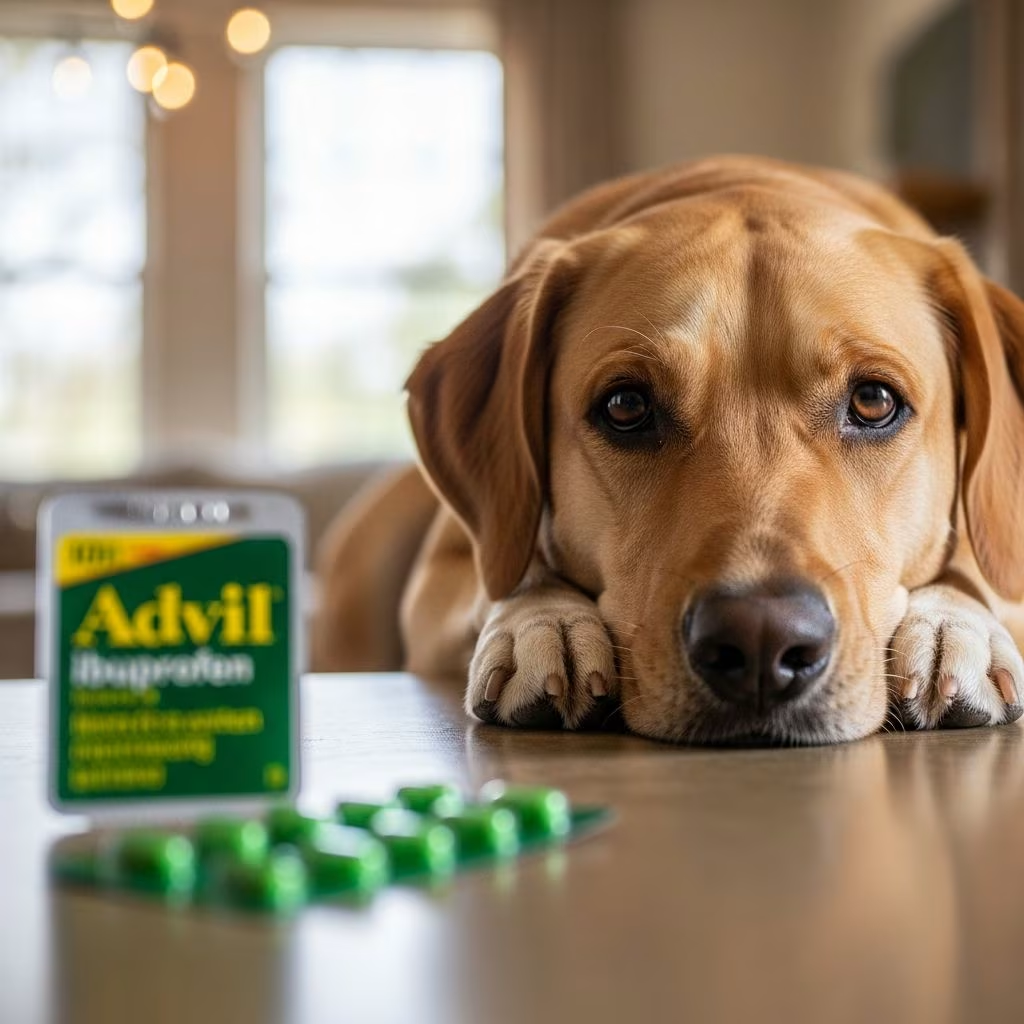
Human pain medications like Advil, containing ibuprofen, are never safe for dogs. Even small amounts can trigger life-threatening conditions such as kidney failure, stomach ulcers, and neurological problems due to how dogs process these drugs differently from humans.
The Hidden Dangers of Human NSAIDs in Canine Health
Non-steroidal anti-inflammatory drugs (NSAIDs) like ibuprofen work by blocking enzymes that cause inflammation and pain in humans. However, dogs lack the metabolic pathways to handle these compounds efficiently, leading to rapid accumulation and toxicity. A single 200mg tablet can harm a 25-pound dog, with effects worsening based on dose and the animal’s size.
Unlike human physiology, canine livers and kidneys struggle to filter ibuprofen, resulting in direct damage to these organs. Gastrointestinal tracts become inflamed, fostering ulcers that bleed internally. This risk escalates in smaller breeds or dogs with pre-existing health issues.
Recognizing Toxicity: Early Warning Signs in Dogs
Symptoms of ibuprofen poisoning often appear within hours but can delay for days, complicating detection. Owners must watch for these indicators:
- Vomiting, sometimes with blood resembling coffee grounds
- Diarrhea, potentially dark or bloody
- Lethargy and loss of appetite
- Abdominal pain, shown by whining or hunching
- Excessive thirst and urination from kidney strain
- Tremors, seizures, or coma in severe cases
These signs stem from ibuprofen’s assault on the stomach lining, kidneys, and central nervous system. Prompt recognition prevents progression to organ failure.
Dosage Thresholds: No Safe Amount Exists
Myths persist about ‘safe’ low doses, but veterinary consensus rejects this. Toxicity begins at 25mg/kg for one-time exposure or 8mg/kg with repeated use—even half a tablet endangers medium-sized dogs. Children’s formulations carry extra hazards like xylitol or alcohol, amplifying toxicity.
| Dog Weight | Approx. Toxic Dose (200mg Tablet) | Potential Effects |
|---|---|---|
| 10 lbs (4.5 kg) | ¼ tablet | Ulcers, vomiting |
| 25 lbs (11 kg) | ½ tablet | Kidney damage, lethargy |
| 50 lbs (23 kg) | 1 tablet | Organ failure risk |
This table illustrates dose-dependency; smaller dogs face higher peril from minimal ingestion.
Emergency Response: What to Do If Ingestion Occurs
Act swiftly if your dog consumes Advil. Contact your vet, an emergency clinic, or poison hotline immediately—do not wait for symptoms. Treatment hinges on timing and dosage:
- Early intervention (within 2 hours): Vets may induce vomiting or use activated charcoal to block absorption.
- Supportive care: IV fluids flush toxins, safeguarding kidneys.
- Gastroprotection: Drugs like omeprazole or sucralfate shield the GI tract.
- Monitoring: Blood tests track organ function; hospitalization often required.
Delays heighten fatality odds, as ulcers perforate or kidneys shut down.
Vet-Approved Pain Management Strategies for Dogs
Skip over-the-counter fixes; veterinarians prescribe canine-specific options. FDA-approved NSAIDs like carprofen (Rimadyl) or meloxicam offer inflammation relief with monitored safety.
Other approaches include:
- Prescription analgesics: Gabapentin for nerve pain or tramadol for moderate discomfort.
- Non-drug therapies: Acupuncture, laser therapy, or physical rehabilitation reduce reliance on meds.
- Supplements: Glucosamine and omega-3s support joint health long-term.
- Lifestyle adjustments: Weight control, ramps, and orthopedic beds ease strain.
Always disclose your dog’s full health history for tailored plans.
Preventing Accidental Exposure: Practical Safeguards
Proactive steps avert tragedies:
- Store all medications in locked cabinets or high shelves.
- Educate family on pet-safe drugs; discard dropped pills promptly.
- Use pill organizers with child-proof locks.
- Opt for pet-specific dispensers for vet meds.
- Train dogs against counter-surfing with commands and supervision.
These habits minimize household risks, as most cases arise from well-intentioned owners.
Common Myths About Pain Relief for Pets Debunked
Misinformation abounds online. Here’s the truth:
- Myth: Baby aspirin is safer. It shares NSAID risks, causing similar GI and kidney issues.
- Myth: One dose won’t hurt. Narrow safety margins prove otherwise.
- Myth: Dogs show instant reactions. Damage builds silently.
- Myth: Vets approve human meds occasionally. They don’t—safer alternatives exist.
Rely on professional guidance over anecdotes.
Long-Term Wellness: Holistic Approaches to Canine Comfort
Beyond acute pain, address root causes. Regular vet checkups detect arthritis or injuries early. Balanced diets with joint-support nutrients prevent flare-ups. Exercise routines tailored to age and breed maintain mobility without overload.
For chronic conditions, multimodal plans combine meds, therapy, and diet. Owners report improved quality of life through consistent monitoring and adjustments.
Frequently Asked Questions
Can any human painkiller be given to dogs?
No. Acetaminophen risks liver failure and blood cell damage. Always consult vets.
What if my dog ate Advil hours ago?
Seek emergency care regardless. Treatments like fluids can still mitigate harm.
Are there natural pain remedies for dogs?
Some like turmeric show promise, but efficacy varies. Vet approval ensures safety.
How much does vet pain treatment cost?
Varies by case; toxicity cases may run $500–$3000 including hospitalization. Pet insurance helps.
Why do vets prefer prescription NSAIDs?
They’re formulated for canine metabolism, with proven safety profiles.
Protecting your dog means prioritizing evidence-based care over convenience. Human meds undermine health—embrace veterinary solutions for lasting well-being.
References
- Can I Give My Dog Advil? No! A Vet Explains Why — ToeGrips. 2023. https://toegrips.com/can-i-give-my-dog-advil/
- Ibuprofen for Dogs: What You Need to Know to Keep Your Pet Safe — MedVet. 2023. https://www.medvet.com/is-ibuprofen-toxic-to-dogs/
- Can Dogs Take Ibuprofen? — PetMD. 2023. https://www.petmd.com/dog/care/can-you-give-dog-ibuprofen
- The Emergency Risks of Over the Counter Pain Meds for Dogs — GSVS. 2023. https://gsvs.org/blog/dog-pain-meds-emergency-risks/
- Get the Facts about Pain Relievers for Pets — FDA. 2024-01-29. https://www.fda.gov/animal-veterinary/animal-health-literacy/get-facts-about-pain-relievers-pets
- Ibuprofen Poisoning in Dogs — VCA Animal Hospitals. 2023. https://vcahospitals.com/know-your-pet/ibuprofen-poisoning-in-dogs



