

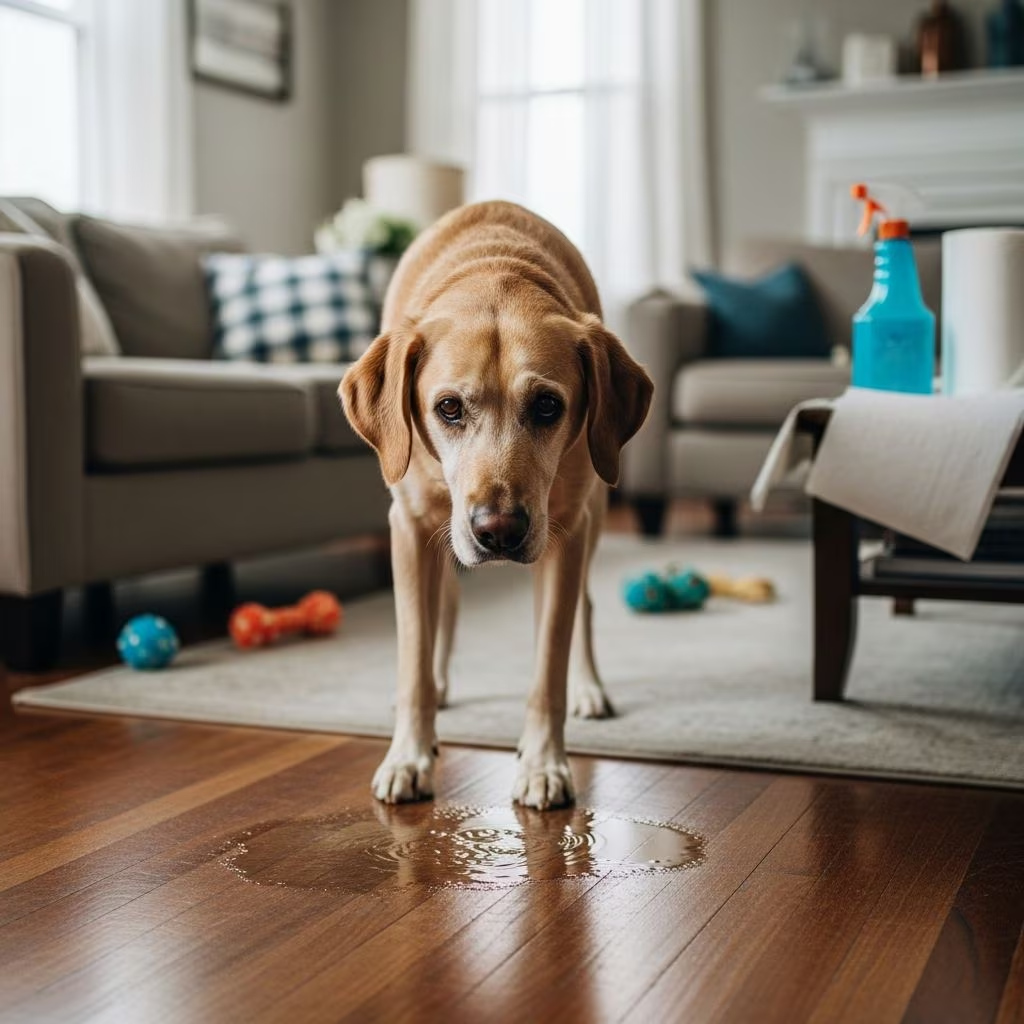
Why Your Adult Dog Is Peeing in the House and How to Stop It
Finding puddles or wet spots in your home can be frustrating, especially when your adult dog was previously house-trained. When a dog that has been reliably using the bathroom outdoors suddenly starts having accidents inside, it’s a clear signal that something has changed. Understanding the root cause is essential before you can address the problem effectively. In most cases, adult dogs peeing in the house stems from one of three main categories: medical issues, behavioral problems, or environmental factors. The good news is that with proper diagnosis and intervention, this behavior can be corrected.
Potential Causes for Adult Dogs Peeing in the House
Urinary Tract Infections
One of the most common medical reasons for an adult dog suddenly peeing in the house is a urinary tract infection (UTI). In many cases, an adult dog suddenly peeing in the house is a result of a medical issue, so it’s essential to consult with your veterinarian to rule out this possibility. UTIs are more common in female dogs than in males, which is why this health issue is often the first suspect when a female dog begins having accidents. When a dog has a urinary tract infection, the bladder can no longer hold urine effectively, or the dog feels a constant urge to pee, even if the bladder is almost empty. This constant discomfort makes it difficult for even a well-trained dog to maintain house training. Infections often manifest as frequent urination or constant drops of urine coming from your dog.
Other Health Problems
Beyond UTIs, several other health conditions can lead to an adult dog suddenly peeing in the house. These include:
- Kidney disease — affects the body’s ability to regulate fluid balance
- Diabetes — causes increased thirst and urination
- Bladder stones — create discomfort and urinary urgency
- Tumors — can affect bladder function
- Hormonal imbalances — particularly common in aging dogs
- Prostate disorders — more common in male dogs
- Spaying-related incontinence — can occur immediately after surgery or develop years later
Additionally, some medications make dogs extra thirsty, causing them to drink so much water they can’t hold it as long, resulting in indoor accidents. If your adult dog has started a new medication and is suddenly peeing in the house, scheduling a visit with your veterinarian is crucial. Older dogs are also more vulnerable to infections and can experience age-related incontinence, hormonal imbalances, and nerve problems—all of which can cause peeing in the house.
Age-Related Factors
Age can be a significant factor in house soiling; it’s not unusual for older dogs to pee in the house, even though they never used to. Senior dogs experience several age-related changes that affect their ability to maintain house training. Some dogs leak urine because their sphincter no longer has the strength to fully close and keep urine in, a condition more common in older dogs but not limited to them. Dogs with painful arthritis, more common in older dogs but not confined to those in their golden years, sometimes struggle to get up in time to make it to the potty, causing them to pee in the house. Many older dogs simply have to relieve themselves more often, and if this is the issue, more frequent trips outside may stop an old dog from peeing in the house.
Behavioral Issues
On the behavioral side, there are many reasons why adult dogs may suddenly start to pee in the house. Understanding these behavioral causes is important for implementing the right solution. In some cases, a dog is not really house trained, but their parent has been encouraging them to go out to pee on a regular schedule, and if the routine changes, the dog may pee inside. Additionally, stress and anxiety play significant roles in indoor urination. Changes like moving, new pets, or loud noises can unsettle your dog and trigger accidents. Some dogs resist going outside in bad weather and end up peeing inside instead. Environmental changes can also trigger marking behavior, where male and female dogs mark their territory indoors if there are new scents, people, or pets in the home.
How to House Train a Dog
1. Clean Thoroughly and Correctly
How you clean up after an accident is critically important and often determines whether the behavior will continue. What matters most is removing the odor that acts like a neon sign flashing the words “pee here!” to your dog. Household cleaners may smell fresh and clean to humans — but not to dogs. Many contain ammonia, and ammonia gives off an odor that actually attracts dogs as if it were urine. Instead, use an enzymatic cleaner designed to chemically neutralize the urine. Baking soda or club soda can do this, though not as effectively as enzymatic cleaners. The enzymatic cleaner works by breaking down the uric acid in the urine, completely eliminating the scent that dogs use to identify appropriate bathroom spots.
2. Temporarily Give Less Freedom in the House
Dogs are less likely to pee in areas in which they spend time, so keep your dog in just one or two rooms for a while. Spending time in those areas will increase the likelihood they won’t want to pee in them. However, don’t isolate them completely; choose the rooms that you also spend the most time in. The idea is to make those rooms their home, and that won’t work as well if you’re not there, too. This strategy leverages a dog’s natural instinct to keep their living space clean.
3. Confine Your Dog When Unsupervised
When you can’t watch your dog, confine them to a small space, where they’re unlikely to make a mess. A crate, the laundry room, or a bathroom — any place they’re comfortable — are all options. Many dogs don’t like to be in peed-in places and are less likely to pee in a small space, especially if they sleep or rest there regularly. This confinement technique works because dogs have a natural instinct to keep their sleeping and resting areas clean.
4. Establish a Consistent Outdoor Routine
Consistency is key to successful house training. Take your dog outside on a leash and lead them to their potty spot regularly throughout the day. Maintain a relaxed leash — don’t hold it as though your life depends on it, as tension can interfere with your dog’s ability to relax and go to the bathroom. If they don’t go, bring them back inside, but maintain patience and consistency. Young adult dogs and senior dogs benefit from more frequent outdoor breaks, so adjust your schedule accordingly based on your dog’s age and health status.
Addressing Environmental Changes
Dogs are sensitive to weather, and many dislike going outside in rain, snow, or extreme cold. If weather is a factor in your dog’s accidents, there are practical solutions. Use a sheltered potty area or dress your dog in a coat to encourage outdoor potty breaks. Creating a comfortable outdoor bathroom experience removes one potential barrier to successful house training. Additionally, if environmental factors like stress or anxiety are causing the behavior, enlisting the help of a professional trainer can be beneficial. A trainer can help you determine your dog’s trigger, desensitize them to the fear, and provide positive rewards. Some dogs can also benefit from anti-anxiety medication prescribed by your veterinarian.
Male Dogs and Marking Behavior
Male dogs may be more prone to marking, particularly when not desexed, but sudden accidents can also be caused by medical or stress-related factors. Desexing may help reduce marking behavior — speak to your vet for advice. The best way to prevent urine marking from unaltered dogs is to spay or neuter them, especially before they mature. For adult male dogs already exhibiting marking behavior, the decision to desex should be made in consultation with your veterinarian, as it can significantly reduce territorial marking tendencies.
When to Consult Your Veterinarian
If your dog’s accidents are sudden or frequent, consult your vet to rule out medical problems. This is the critical first step in addressing any house soiling issue. House soiling can often be caused by physical problems such as a urinary tract infection or a parasite infection. Your veterinarian can perform a thorough physical examination, run diagnostic tests if needed, and determine whether medical treatment is necessary. Once medical causes are ruled out, potential emotional factors, such as grief or anxiety, should be considered. In almost all cases, with a little detective work, the cause can be determined, and once the reason or reasons are clear, an appropriate and effective treatment strategy can be designed.
Frequently Asked Questions
Q: Are there products that can help stop urination in the house?
A: Yes. Enzymatic cleaners prevent the house from smelling like the bathroom, which can help stop urination indoors. Indoor puppy pads can also prevent cleaning hassles if you’re working through a prolonged retraining period. Additionally, incontinence products designed for dogs, such as belly bands or doggie diapers, can help manage accidents while you address the underlying cause.
Q: Why does my dog keep peeing in the same spot inside?
A: Dogs often pee in spots that smell like urine, so if you don’t use an enzymatic cleaner to remove the odor, they will consider it the place to pee. This is why thorough cleaning is so critical — your dog is being attracted to the lingering scent rather than deliberately misbehaving.
Q: How long does it take to retrain an adult dog?
A: The timeline varies depending on the underlying cause and your dog’s individual temperament. Once medical issues are ruled out and environmental stressors are addressed, most dogs respond well to consistent training within a few weeks to a few months. However, for senior dogs or those with legitimate health concerns, management strategies may need to be permanent.
Q: Can anxiety medication help with house soiling?
A: Yes, if anxiety or stress is the primary cause of the behavior, anti-anxiety medication prescribed by your veterinarian, combined with behavioral training and environmental modifications, can be highly effective.
Q: What’s the difference between house soiling and marking behavior?
A: House soiling is when a dog eliminates urine or feces inappropriately due to medical issues, lack of house training, or behavioral problems. Marking behavior is when a dog deliberately leaves small amounts of urine on objects or areas to establish territory, and is more common in unneutered males and unspayed females.
References
- Why is my dog peeing in the house all of a sudden? — Bonnies. 2024. https://www.bonnies.com.au/post/why-is-my-dog-peeing-in-the-house-all-of-a-sudden
- Why Your Adult Dog Is Peeing In the House and How to Stop It — Kinship. 2024. https://www.kinship.com/dog-behavior/why-my-adult-dog-peeing-house
- Why Adult Dogs Have Accidents, Plus What To Do About It — Rover. 2024. https://www.rover.com/blog/why-dogs-pee-in-house/
- Dog Behavior Problems – House Soiling — VCA Animal Hospitals. 2024. https://vcahospitals.com/know-your-pet/dog-behavior-problems-house-soiling
- Dog Marking and Peeing in the House: Causes and How to Stop It — Best Friends Animal Society. 2024. https://bestfriends.org/pet-care-resources/dog-marking-and-peeing-house-causes-and-how-stop-it
- Re-Housetraining Your Adult Dog — PAWS. 2024. https://www.paws.org/resources/re-housetraining-your-adult-dog/



