

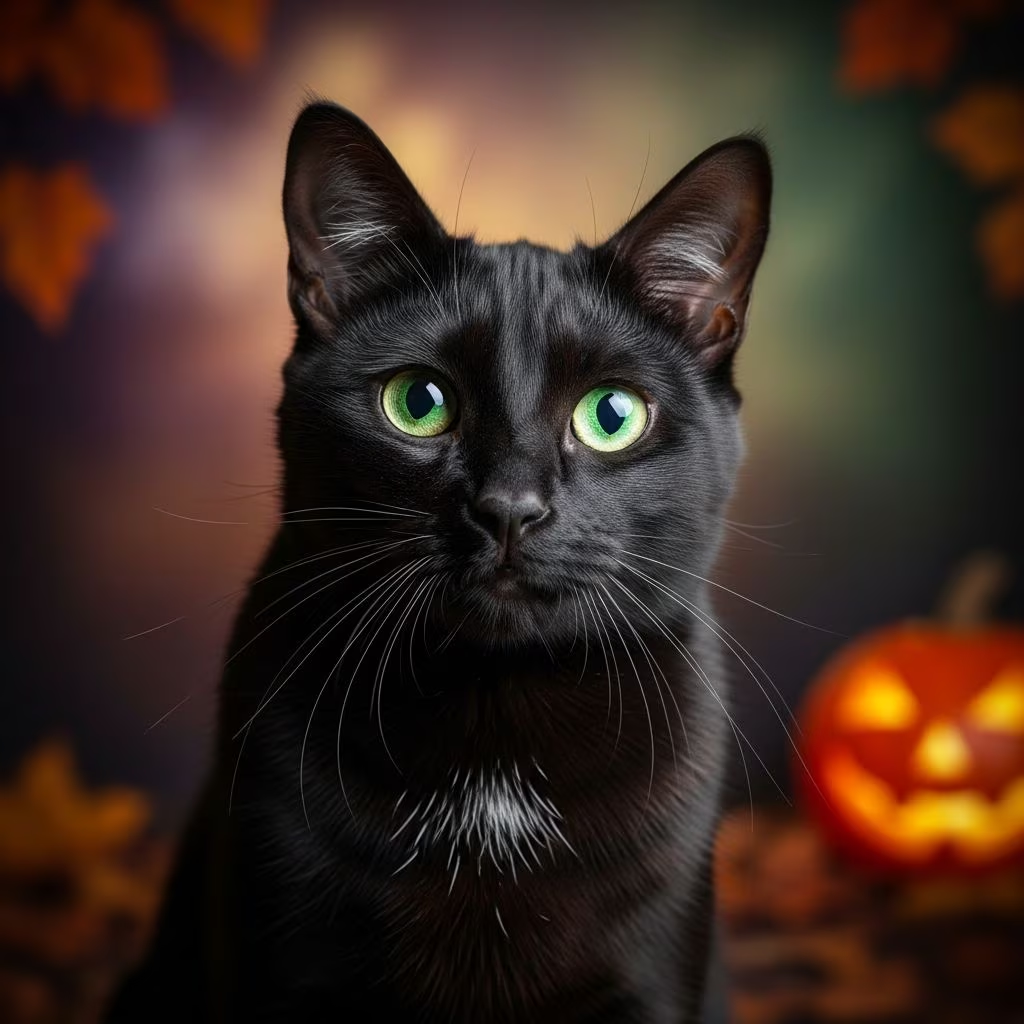
Why You Should Adopt a Black Cat This Halloween
Halloween brings a surge of interest in all things spooky, and black cats are often at the center of the seasonal excitement. However, this time of year is frequently accompanied by misconceptions that discourage people from adopting these beautiful felines. The reality is that adopting a black cat during Halloween—or any time of year—is a wonderful decision that can transform both your life and theirs. In this comprehensive guide, we’ll explore the myths surrounding black cat adoption, the real benefits of bringing a black cat into your home, and how to prepare for this exciting new chapter.
The Halloween Black Cat Myth: Separating Fact from Fiction
One of the most persistent legends in animal welfare circles is that black cats face increased danger during October and around Halloween. This myth suggests that people with nefarious intentions seek out black cats for ritualistic purposes or to complete their Halloween costumes. The concern is so widespread that many shelters have historically suspended black cat adoptions weeks before and after Halloween, keeping these animals out of public view.
What the Experts Say
Major animal welfare organizations including the ASPCA, the Humane Society of the United States, and Best Friends Animal Society have made clear and loud recommendations against this myth. According to National Geographic’s 2007 article titled “Ritual Cat Sacrifices a Halloween Myth, Experts Say,” experts on cults and Halloween have found no confirmed statistics, court cases, or studies to support the idea that serious satanic cult crime even exists. Snopes, the renowned urban legend and rumor-investigating website, thoroughly dispelled these claims back in 2001, categorizing the dangers as “legend.”
As the ASPCA notes, “Quite a few shelters hide their black cats in the back the week before All Hallow’s Eve to protect them. There is no reason to believe that these cats are at risk.” The organization further emphasizes that normal adoption counseling procedures should be able to screen out applicants with bad intent, and that continued publicity about these unfounded dangers only makes adoption counseling procedures appear “arbitrary and silly.”
The Real Harm: When Myths Become Dangerous
Ironically, the biggest threat to black cats comes not from the mythical dangers shelters are trying to prevent, but from the myth itself. Katherine Shenar, chief of staff at San Diego Humane Society, spent the first seven years of her career pulling black cats from adoption floors two weeks before and after Halloween out of concern for their safety. However, this practice had unintended consequences: the high intake numbers and stress of cats living in close proximity led to illness and euthanasia for many of the very cats she was trying to protect.
More cats have been harmed by the myth than they have by what the myth portrays. By keeping black cats off adoption floors for extended periods, shelters inadvertently subjected these animals to longer shelter stays, increased stress, higher rates of illness, and tragically, higher euthanasia rates. The real danger to black cats isn’t October—it’s the mythology that prevents them from finding loving homes.
The Real Halloween Dangers for Cats
If you’re concerned about your cat’s safety during the Halloween season, it’s important to focus on actual hazards rather than fictional ones. Halloween presents genuine risks to cats, but these have nothing to do with curses or cult activities.
Legitimate Halloween Hazards
Cats face real dangers during Halloween that pet owners should actively work to prevent:
- Chocolate toxicity: Halloween candy bowls often contain chocolate, which is toxic to cats if ingested. Ensure all chocolate is kept securely away from curious felines.
- Costume-related stress: Loud Halloween parties, numerous visitors, and unfamiliar decorations can cause significant stress and anxiety for cats.
- Door safety: With trick-or-treaters constantly ringing doorbells and opening doors, there’s an increased risk of cats escaping outdoors.
- Holiday pranks: While any animal cruelty is concerning, the actual risk comes from thoughtless pranks by party guests rather than organized cult activities.
- Decorative hazards: Halloween decorations may contain materials that could harm cats if ingested or tangled around them.
By being mindful of these genuine hazards and taking preventive measures, you can ensure your black cat—whether newly adopted or a longtime family member—has a safe and happy Halloween.
Why Black Cats Make Wonderful Pets
Despite their popularity in Halloween imagery, black cats often face adoption challenges that have nothing to do with the season. Understanding why black cats are such fantastic companions can help you recognize the incredible value of bringing one into your home.
Breaking Through Adoption Bias
Black cats face a documented bias in shelters and rescue organizations. Research shows that black cats take longer to be adopted compared to cats of other colors, even as kittens. This bias persists throughout the year and doesn’t meaningfully improve during October, despite increased public interest in black cats during the spooky season. The stereotype that black cats are unlucky or associated with witchcraft influences potential adopters, causing these deserving animals to spend more time waiting for homes.
The Benefits of Black Cat Adoption
Choosing to adopt a black cat comes with numerous advantages:
- Immediate impact: You’re directly helping an animal that faces adoption discrimination and giving them a second chance at happiness.
- Photogenic companions: Despite the superstitions, black cats are strikingly beautiful and make wonderful photography subjects.
- Personality-driven: Black cats are known for being affectionate, playful, and full of personality. Their coat color has no bearing on their temperament or loving nature.
- Special promotions: Many shelters offer adoption discounts for black cats, especially during Halloween season, making pet ownership more affordable.
- Reducing shelter burden: By adopting a black cat, you free up shelter resources for other animals in need.
Preparing Your Home for a Black Cat
Whether you’re adopting a black cat for the first time or adding to your existing feline family, proper preparation ensures a smooth transition for your new companion.
Essential Supplies and Setup
Before bringing your black cat home, gather these essential items:
- Litter box and high-quality cat litter
- Food and water bowls
- High-protein cat food (consult with shelter staff about current diet)
- Comfortable bed or cat tree for climbing and resting
- Toys and enrichment activities
- Scratching posts to protect your furniture
- Collar, leash, and identification tags
- First aid kit and contact information for your veterinarian
Creating a Safe Environment
Make your home welcoming and secure for your new pet:
- Designate a safe space: Start by confining your new cat to one room where they can adjust at their own pace.
- Secure windows and doors: Ensure all potential escape routes are covered, particularly important during Halloween parties.
- Hide hazards: Store medications, cleaning supplies, and toxic plants out of reach.
- Set up vertical spaces: Cats love climbing and perching. Install shelves or cat trees to give them elevated vantage points.
- Minimize noise: Keep the environment calm during the adjustment period, especially if adopting during Halloween festivities.
The Adoption Process: What to Expect
Understanding what happens during the adoption process can help you prepare and ensure you’re adopting from a reputable organization.
Shelter Counseling and Screening
Reputable shelters use conversational interviews and adoption counseling to match pets with suitable homes. These conversations help staff understand your lifestyle, living situation, and expectations for pet ownership. This process is designed to find the right fit for both you and the cat, not to discourage adoptions. By having open conversations about your ability to provide a safe, loving home, shelters can effectively screen out inappropriate matches while facilitating wonderful placements.
What to Ask Your Shelter
When adopting a black cat, ask these important questions:
- What is the cat’s age, energy level, and personality?
- Does the cat have any health issues or special needs?
- What food is the cat currently eating?
- Has the cat been around other pets or children?
- What behavioral training has the cat received?
- What is the return policy if the adoption doesn’t work out?
- Are there any veterinary records available?
Supporting Year-Round Black Cat Adoption
While Halloween brings increased attention to black cats, the goal should be promoting their adoption throughout the year. Shelters and rescue organizations can tap into the seasonal popularity of black cats to build momentum for ongoing adoption efforts.
The Role of Shelters and Rescue Organizations
Modern shelters are increasingly recognizing the opportunity to promote black cat adoptions during Halloween season rather than suspending them. This shift represents a more evidence-based approach to animal welfare. By actively promoting black cat adoptions in October while implementing proper adoption counseling procedures, shelters can find more homes for these deserving animals while maintaining safety standards.
The strategy of using Halloween popularity as a year-round resource could be effective for ongoing adoption efforts. By building on the seasonal interest in black cats, shelters might develop more successful long-term strategies for helping these animals find permanent homes.
Frequently Asked Questions About Black Cat Adoption
Q: Are black cats really unlucky?
A: No. The association between black cats and bad luck is purely superstition rooted in medieval folklore and Halloween imagery. Black cats are no different from any other cat in terms of their ability to bring joy, companionship, and love to your home. Many people consider black cats to be good luck, and they make wonderful, affectionate pets.
Q: Is it dangerous to adopt a black cat around Halloween?
A: No. Multiple animal welfare organizations, including the ASPCA and Humane Society of the United States, confirm there is no evidence that adopting a black cat around Halloween poses any greater risk than adopting at any other time of year. Experts have found no statistics, court cases, or studies supporting the idea of satanic cult activity related to cat adoption.
Q: Why do black cats take longer to be adopted?
A: Black cats face adoption bias influenced by superstitions, Halloween stereotypes, and cultural folklore associating them with witchcraft. This bias persists year-round and is unrelated to any actual characteristics of the cats themselves. They are just as loving and deserving of homes as cats of any other color.
Q: What should I do to keep my black cat safe during Halloween?
A: Focus on actual Halloween hazards: keep chocolate and candy secured away, minimize stress from parties and loud noise, prevent escape through open doors with trick-or-treaters, secure decorations that could be choking hazards, and ensure your cat has a quiet space to retreat to if overwhelmed.
Q: Do shelters really suspend black cat adoptions at Halloween?
A: Some shelters historically have, but this practice is increasingly recognized as counterproductive. It subjects cats to longer shelter stays, increased stress, and higher rates of illness. Major animal welfare organizations recommend against these suspensions in favor of proper adoption counseling procedures.
Q: How can I help promote black cat adoption?
A: Share accurate information about black cats with friends and family, adopt a black cat yourself if you’re looking for a pet, support your local shelter’s black cat adoption initiatives, and challenge superstitions whenever you encounter them. Your actions can help these wonderful animals find loving homes.
Taking Action: Adopting Your Black Cat Today
If you’re considering pet adoption, Halloween is an excellent time to welcome a black cat into your life. By adopting during this season, you’re making a powerful statement against superstition and directly helping an animal that faces adoption discrimination. Whether you choose to adopt in October or any other time of year, you’re providing a loving home to a deserving companion.
Reach out to your local animal shelter or rescue organization to learn about available black cats. Many offer special adoption promotions during the Halloween season, making this an affordable time to expand your family. Ask staff about the individual cats’ personalities and needs to find the perfect match for your household.
Remember, black cats are no different from any other cat—they want to love you, play with you, and be part of your family. The only thing spooky about adopting a black cat this Halloween is how quickly you’ll fall in love with your new feline friend.
References
- Adopting Black Cats in October: Experts Say There’s Nothing to Fear — FieldHaven Feline Center. 2022-10-07. https://fieldhaven.com/2022/10/07/black-cat-halloween-myth/
- Breaking down Halloween black cat myths — Operation Kindness. https://www.operationkindness.org/breaking-down-halloween-black-cat-myths/
- Don’t get spooked by Halloween pet adoption promotions — University of Florida College of Veterinary Medicine, Shelter Medicine. 2019-10-24. https://sheltermedicine.vetmed.ufl.edu/2019/10/24/dont-get-spooked/
- Black cat bias: How coat color impacts shelter outcomes for cats — American Animal Hospital Association. https://www.aaha.org/trends-magazine/publications/black-cat-bias-how-coat-color-impacts-shelter-outcomes-for-cats/
- The Power of Black Cats: Legends That Haunt Them, Responsible Adoption — Mount Saint Joseph University. 2024-02-08. https://www.msj.edu/news/2024/02/the-power-of-black-cats.html



