

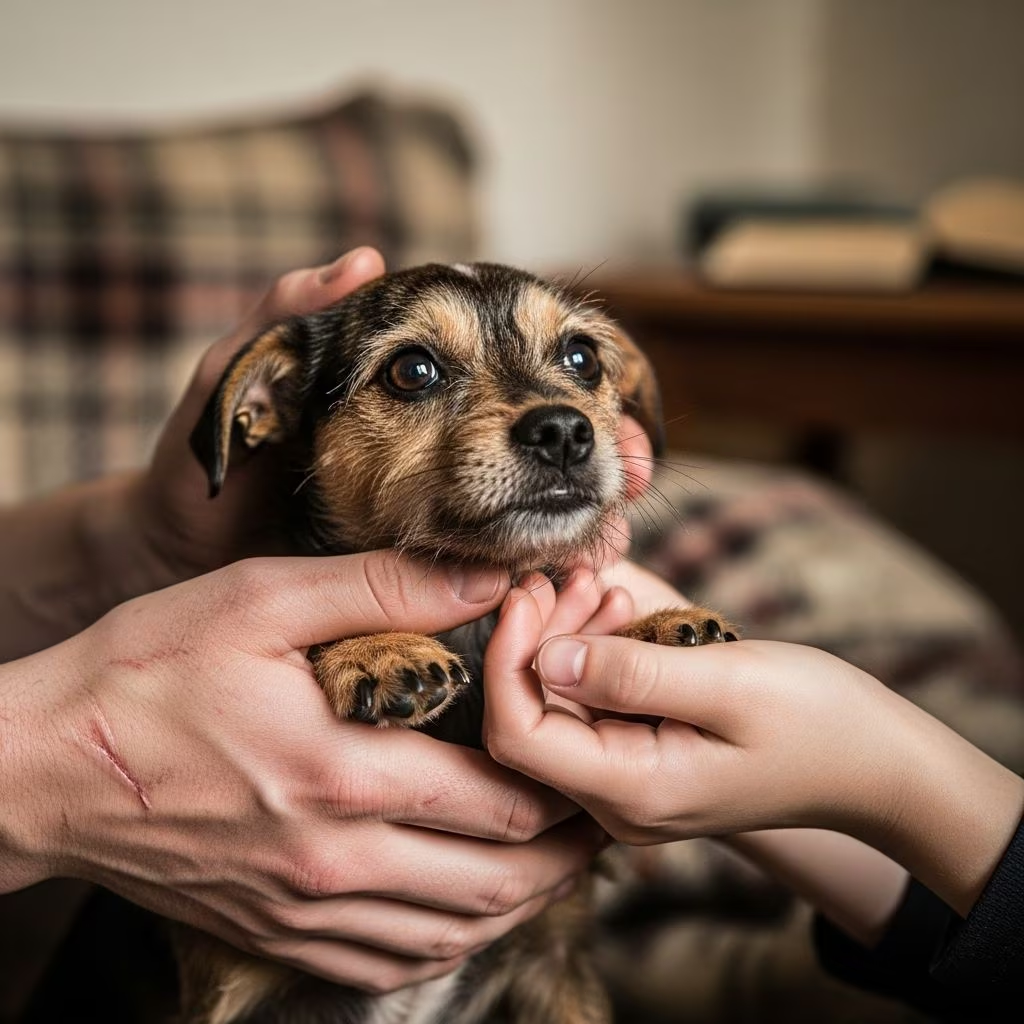
Who Rescued Whom: Stories of Mutual Salvation
When we think of animal rescue, we often picture heroic volunteers pulling frightened animals from dangerous situations and giving them safe homes. However, the reality of rescue is far more nuanced and profoundly beautiful. The question “Who rescued whom?” reveals a deeper truth: that rescue is rarely one-directional. Countless individuals who have opened their homes and hearts to shelter animals discover that they, too, have been rescued in ways they never anticipated. These stories of mutual salvation demonstrate the transformative power of the human-animal bond, showing how adoption changes not just the lives of animals, but the lives of the people who choose to love them.
The Rescue That Goes Both Ways
Every day, thousands of dogs and cats in shelters across America wait for their second chance at life. Many of these animals arrive traumatized, neglected, or abandoned, carrying emotional and sometimes physical scars. When adopters open their homes to these pets, they envision giving their new companion a better life. What they often don’t expect is how profoundly that animal will transform their own existence. A shy, fearful dog might teach a lonely person the meaning of unconditional love. A kitten rescued from the streets might help someone grieving a loss find joy and purpose again. The rescue becomes mutual the moment both lives are forever changed.
The human-animal connection operates on a level that transcends words and logic. When a person decides to adopt rather than purchase a pet from a breeder, they’re making a conscious choice to value a life over convenience. That choice ripples through both beings. The animal receives shelter, food, medical care, and most importantly, a family. The human receives a companion who asks nothing but presence, offers unconditional acceptance, and provides daily reminders of resilience and joy. In this exchange, both are rescued from something—loneliness, purposelessness, or simply the feeling of being unwanted.
Stories of Transformation and Healing
Throughout shelters and rescue organizations across the country, remarkable stories emerge of individuals whose lives have been fundamentally altered by adopting a rescue animal. These aren’t just stories of pets finding homes; they’re narratives of humans finding themselves through their relationships with animals.
Consider the veteran struggling with depression who might meet a rescue dog capable of becoming not just a pet, but a service companion. The connection they forge walks alongside healing—literally and metaphorically. The dog learns to trust again after trauma, while the person discovers a renewed sense of purpose and connection to the world. Neither could have found this path alone.
Then there are the seniors who feared aging meant increasing isolation. A senior dog from a rescue program might arrive in their lives just when they needed companionship most. The quiet mornings spent with a furry friend, the gentle responsibility of caring for another living being, the excuse to take walks and engage with the community—these small acts become profound sources of meaning and wellness.
The Role of Adoption in Saving Lives
Every adoption represents a life saved. In shelters across America, a dog or cat is still killed every 90 seconds simply because they lack a safe place to call home. When someone chooses adoption over purchasing from a breeder or puppy mill, they directly save that animal’s life and make space for another animal in need. But beyond the statistical reality of lives saved, adoption represents something even more significant: it represents a commitment to valuing all lives equally, to seeing potential where others see problems, and to believing in second chances.
Adopters become part of the no-kill movement, whether they realize it or not. Their choice to rescue sends ripples through their communities. Friends and family members witness the joy and love that adoption brings, and many become inspired to adopt themselves. Social media shares stories of transformations, inspiring followers to visit their local shelters. The decision to adopt becomes an act of advocacy.
Breaking Stereotypes and Finding Hidden Potential
Many rescue animals carry unfair stigmas. A dog with a history of abuse might be labeled “dangerous.” A senior cat might be passed over for younger, more energetic kittens. A pet with medical needs might seem like too much responsibility. Yet countless adopters have discovered that these animals often possess the most remarkable spirits. The dog labeled aggressive transforms into the gentlest family companion. The senior pet with limited time left provides immeasurable joy and teaches lessons about mortality and presence. The animal with special needs becomes an unexpected source of strength and purpose for their adopter.
This process of looking beyond labels and seeing true potential exists at the heart of mutual rescue. Adopters who choose animals others have overlooked aren’t just saving animals—they’re learning to see the world differently. They develop empathy, patience, and the ability to recognize beauty in unexpected places. These are lessons that extend far beyond their relationship with their pet, often influencing how they treat other people and navigate the world.
Building Communities of Compassion
When individuals adopt rescue animals, they often join communities of like-minded people who share their values. Foster networks, adoption support groups, and shelter volunteer teams create spaces where people find belonging. These communities reinforce the values that lead someone to adopt in the first place: compassion, second chances, and the belief that every life matters. They become sources of support, advice, and friendship—additional ways that choosing to rescue brings people into connection with one another.
Foster programs particularly exemplify the mutual nature of rescue. Foster volunteers temporarily house animals waiting for adoption, providing crucial socialization and rehabilitation. In return, they experience the profound satisfaction of knowing they’ve directly impacted a life. Many fosters describe their experience as transformative, describing how their foster animals taught them about resilience, patience, and the capacity for healing.
The Long-Term Impact of Rescue
The rescue story doesn’t end when adoption papers are signed. It unfolds over years, through quiet moments and significant milestones. A anxious rescue dog slowly learning to trust, finding comfort in their human’s presence. A shelter cat discovering the joy of sunny windowsills and gentle hands. An adopted animal watching their person grieve a loss and providing silent, steadfast support. These ongoing rescues—the daily acts of showing up for one another—constitute the real substance of the human-animal bond.
Adopters often report that their rescue pets seemed to understand they were given a second chance. Stories abound of animals that appeared almost grateful, displaying unusual loyalty or sensitivity to their human’s emotions. While pet behavior scientists might offer alternative explanations, the subjective experience of adoptive families speaks to something real: a recognition of gift and gratitude on both sides of the relationship.
Practical Steps to Participate in Mutual Rescue
Adoption remains the most direct way to participate in rescue. When you adopt a pet from a rescue group or animal shelter instead of buying from a breeder or puppy mill, you’re providing a lifesaving second chance and creating space for another animal to be rescued.
Volunteering offers additional ways to contribute. Whether fostering animals, helping at adoption events, providing transportation, or assisting with administrative work, volunteers are essential to rescue operations. Wherever you live and whatever your experience or interests, countless ways exist to volunteer your time for pets in need.
Supporting rescue organizations through donations, whether monetary gifts or supplies, keeps rescue operations running. Individual donations directly impact the medical care, food, shelter, and rehabilitation that rescued animals receive.
Advocacy and awareness help shift cultural attitudes toward rescue and adoption. Sharing adoption stories, educating others about puppy mills, and supporting no-kill initiatives all contribute to systemic change.
Frequently Asked Questions
Q: Will a rescue animal be traumatized or difficult?
A: While some rescue animals have experienced trauma, many adapt remarkably quickly with patience and proper care. Professional trainers and shelter staff can provide guidance on each animal’s specific needs. Many adopters report that their rescue animals quickly blossom in safe environments, often showing surprising emotional intelligence and gratitude.
Q: How do I know which rescue animal is right for my family?
A: Shelter and rescue staff can help match you with an animal whose temperament and needs align with your lifestyle and experience. Consider factors like activity level, space requirements, and any special needs. Many rescues offer trial periods or foster-to-adopt programs to help ensure compatibility.
Q: Is adopting a rescue pet more expensive than buying from a breeder?
A: Adoption fees are typically far lower than breeder prices and usually include spaying/neutering, vaccinations, and microchipping. You save money while saving a life and avoiding support of potentially unethical breeding practices.
Q: Can older people or those with health issues adopt rescue pets?
A: Absolutely. Rescue organizations have animals of all ages and energy levels. Senior pets, in particular, often make wonderful companions for older adults or people with limited mobility, providing companionship without demanding intensive exercise.
Q: What if the rescue doesn’t work out?
A: Reputable rescue organizations provide ongoing support and often accept animals back if the placement doesn’t succeed. This safety net removes pressure and allows adopters to seek the right match without guilt.
Conclusion: The Reciprocal Nature of Love
The question “Who rescued whom?” ultimately has no single answer. In rescue, there is no rescuer and rescued—only two beings whose lives intertwine in ways that transform both. When an adopter chooses to open their home to a shelter animal, they embark on a journey of mutual salvation that extends far beyond providing shelter and sustenance. They participate in a profound exchange of love, trust, and growth that may well change their lives as dramatically as it changes their pet’s.
Every adoption is a story of rescue—not just for the animal, but for the human too. These stories, multiplied across thousands of families and communities, create a movement toward greater compassion, second chances, and the recognition that every life has value. In choosing to rescue, we are ultimately choosing to be rescued by the unconditional love that animals so generously offer.
References
- Best Friends Animal Society — Best Friends Animal Society. 2024. https://bestfriends.org
- Shelter Animals Count: Understanding U.S. Animal Shelter Operations — Shelter Animals Count. 2023. https://www.shelteranimalscount.org
- The Human-Animal Bond Research Initiative — American Psychological Association. 2022. https://www.apa.org
- Adoption vs. Breeding: Public Health and Welfare Considerations — The Humane Society of the United States. 2024. https://www.humanesociety.org
- Benefits of Pet Adoption for Mental Health and Well-being — American Veterinary Medical Association. 2023. https://www.avma.org



