

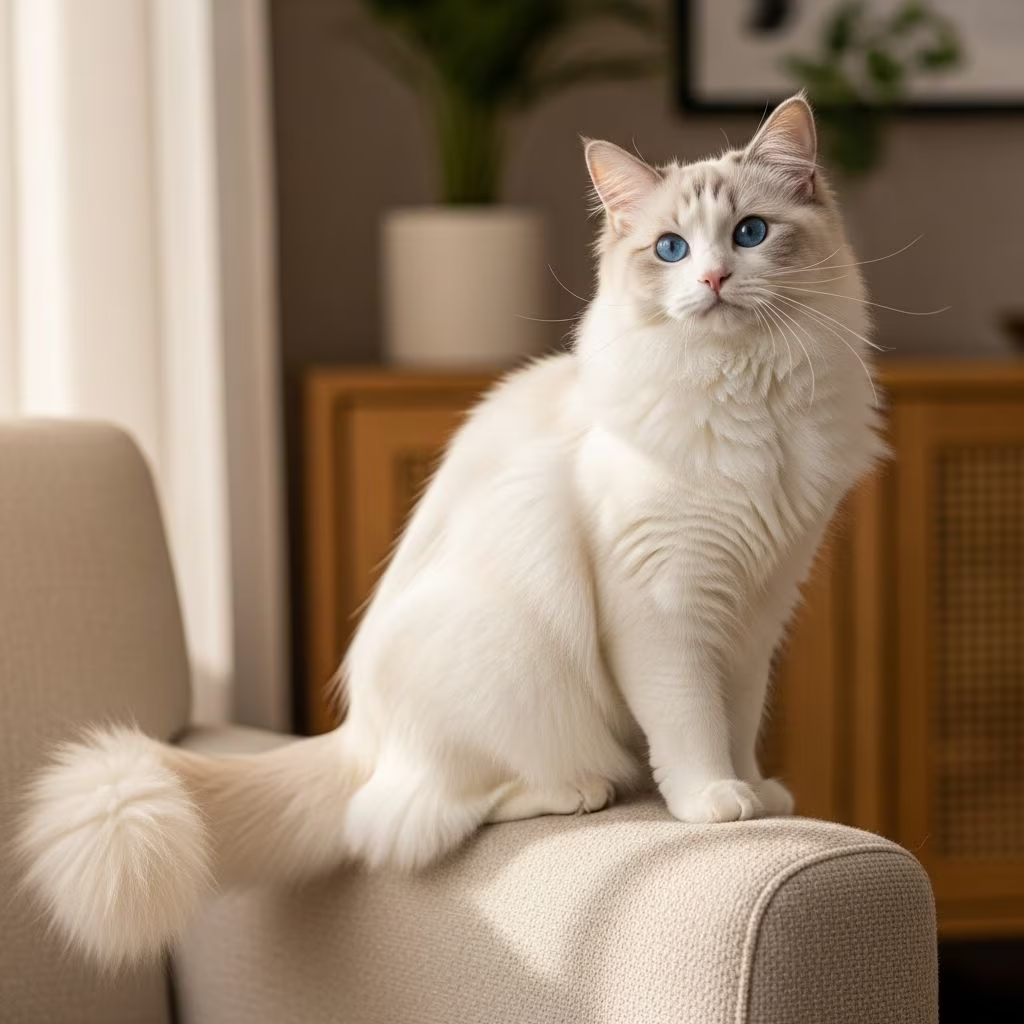
White Ragdoll cats captivate with their luminous coats, vivid blue eyes, and serene demeanor. These felines, known for patterns featuring extensive white alongside traditional points, blend elegance and companionship in homes worldwide.
Origins and Development of the Ragdoll Breed
The Ragdoll breed emerged in the 1960s in California through selective breeding by Ann Baker. Starting with a white Persian-like cat named Josephine, crossed with Birman and Burmese influences, the line produced kittens renowned for their relaxed nature when handled—hence the name “Ragdoll.” Early breeding focused on docile temperament, striking blue eyes, and semi-long coats with point coloration.
Over decades, organizations like The Cat Fanciers’ Association (CFA) and The International Cat Association (TICA) standardized the breed. Ragdolls mature slowly, fully developing size, coat, and color by 3-4 years. White variations, such as Van and Bicolor patterns, highlight predominantly white bodies with colored extremities, distinguishing them within the breed.
Distinctive Features of White Ragdolls
White Ragdolls stand out due to specific patterns overlaying classic pointed markings. Unlike solid colorpoints with no white, these showcase white dominance.
- Van Pattern: Primarily white body, color confined to ears, tail, and occasional back spots. Nose and paw pads pink; ears and tail densely colored.
- Bicolor Pattern: Inverted white “V” on face, white chin, chest, underbelly, and legs. Saddle shading allowed; symmetry prized.
- Mitted Pattern: Colorpoints plus white mittens on front paws (to wrists), boots on hind legs (to hocks), white chin, and belly stripe.
All share a rectangular body, heavy boning, and oval paws. Eyes remain sapphire blue across patterns. Coat: semi-long, silky, with minimal undercoat for reduced matting.
Physical Characteristics and Size
Ragdolls rank among largest domestic cats. Males reach 15-20 pounds, females 10-15 pounds; height 9-11 inches at shoulder. Substantial neck supports broad head with rounded contours, medium ears tilted forward, and gently curving profile.
| Attribute | Males | Females |
|---|---|---|
| Weight | 15-20 lbs | 10-15 lbs |
| Length (body) | Long, rectangular | Proportionally smaller |
| Coat Length | Semi-long | Semi-long |
| Eye Color | Blue | Blue |
Kittens birth white, points developing over years; full vibrancy by age 2-3.
Temperament and Behavior Traits
Ragdolls epitomize gentle giants. Affectionate without clinginess, they follow owners room-to-room, relish laps, and tolerate handling like dolls—relaxing when picked up.
- Gentle with children and pets; rarely aggressive.
- Sociable, adapting to multi-pet homes or newcomers.
- Quiet, chirpy vocalizations; mellow play style.
- Intelligent: learn tricks, fetch toys, walk on leashes.
Docility stems from genetics and early socialization. They thrive on interaction but handle alone time calmly.
Care Essentials for White Ragdoll Cats
Grooming Routine
Semi-long coat requires weekly brushing to manage shedding and distribute oils. Bathing occasional; nails trimmed biweekly, ears cleaned monthly. Dental care vital to prevent issues.
Diet and Nutrition
High-protein diet supports muscle mass. Feed age-appropriate portions: adults 1/2-1 cup kibble daily or equivalent wet food. Monitor weight; obesity risks high in sedentary lines. Fresh water essential.
Exercise and Environment
Moderate activity suits their energy. Provide scratching posts, cat trees, interactive toys. Indoor living recommended for safety; enclosures for outdoor access.
Health Considerations and Lifespan
Ragdolls live 12-20 years with care. Common concerns: hypertrophic cardiomyopathy (HCM), polycystic kidney disease (PKD). Annual vet checks, genetic screening for breeders advised.
- HCM: Heart thickening; echocardiograms screen.
- PKD: Kidney cysts; ultrasound testing.
- Obesity, urinary issues from diet.
Vaccinations, parasite control, spaying/neutering extend health. Slow maturation means kitten care until 4 years.
Are White Ragdolls Ideal Family Pets?
Yes—their patience, loyalty, and adaptability shine in families. Children-friendly, dog-tolerant, they bond deeply. Apartment-dwellers appreciate quiet nature; allergy sufferers note moderate shedding.
Choose reputable breeders verifying health clearances. Rescues offer purebreds. Prepare for commitment: grooming time, space for growth.
Color Variations in Ragdolls
Points include seal (brown), chocolate, blue (dilute seal), lilac, with tortie/lynx/red modifiers. White patterns overlay: e.g., Seal Bicolor (dark points on white).
- Seal: Pale fawn body, deep brown points.
- Chocolate: Ivory body, milk-chocolate points.
- Blue: Bluish-white body, slate points.
White Ragdolls emphasize contrast; no solid whites accepted as they lack points.
Training and Enrichment Tips
Intelligence enables clicker training for sits, high-fives. Puzzle feeders combat boredom. Socialize early for confidence.
Pros and Cons of Owning a White Ragdoll
| Pros | Cons |
|---|---|
| Affectionate, family-friendly | Requires grooming |
| Stunning appearance | Large size needs space |
| Health via screening | Potential heart risks |
| Adaptable, quiet | Slow to mature |
Frequently Asked Questions (FAQs)
Do white Ragdolls stay white?
White areas remain pure; points darken with age. Van/Bicolor maintain high white content.
Are Ragdolls hypoallergenic?
No, but minimal undercoat reduces allergens compared to double-coated breeds.
How much do they shed?
Moderately year-round; weekly brushing controls.
Can they be left alone?
Prefer company but tolerate 8-hour absences with enrichment.
What’s the cost of a white Ragdoll kitten?
$800-$2500 from breeders, depending on pattern and lineage.
Bringing Home Your White Ragdoll
Prepare litter box, food bowls, carrier. Gradual introduction minimizes stress. Vet visit first week. These cats reward patience with lifelong devotion.
References
- Ragdoll Breed Standard — The Cat Fanciers’ Association. 2023. https://cfa.org/breed/ragdoll/
- White Ragdoll Cat: Info, Pictures, Facts & Origins — Catster. 2023. https://www.catster.com/cat-breeds/white-ragdoll-cat/
- Understanding Ragdoll Cat Personality Traits — PetPlace.com. 2024. https://www.petplace.com/article/cats/pet-behavior-training/cat-behavior-training/ragdoll-cat-personality-traits
- Ragdoll Breed — The International Cat Association (TICA). 2023. https://tica.org/breed/ragdoll/
- Ragdoll: Personality, Diet, Grooming, Training — Petplan. 2024. https://www.petplan.co.uk/cat-insurance/cat-breeds/ragdoll.html
- Ragdoll Cat Facts: History, Personality, Health & More — RAWZ Natural Pet Food. 2023. https://rawznaturalpetfood.com/ragdoll-cat-facts-history-personality-health-more/



