

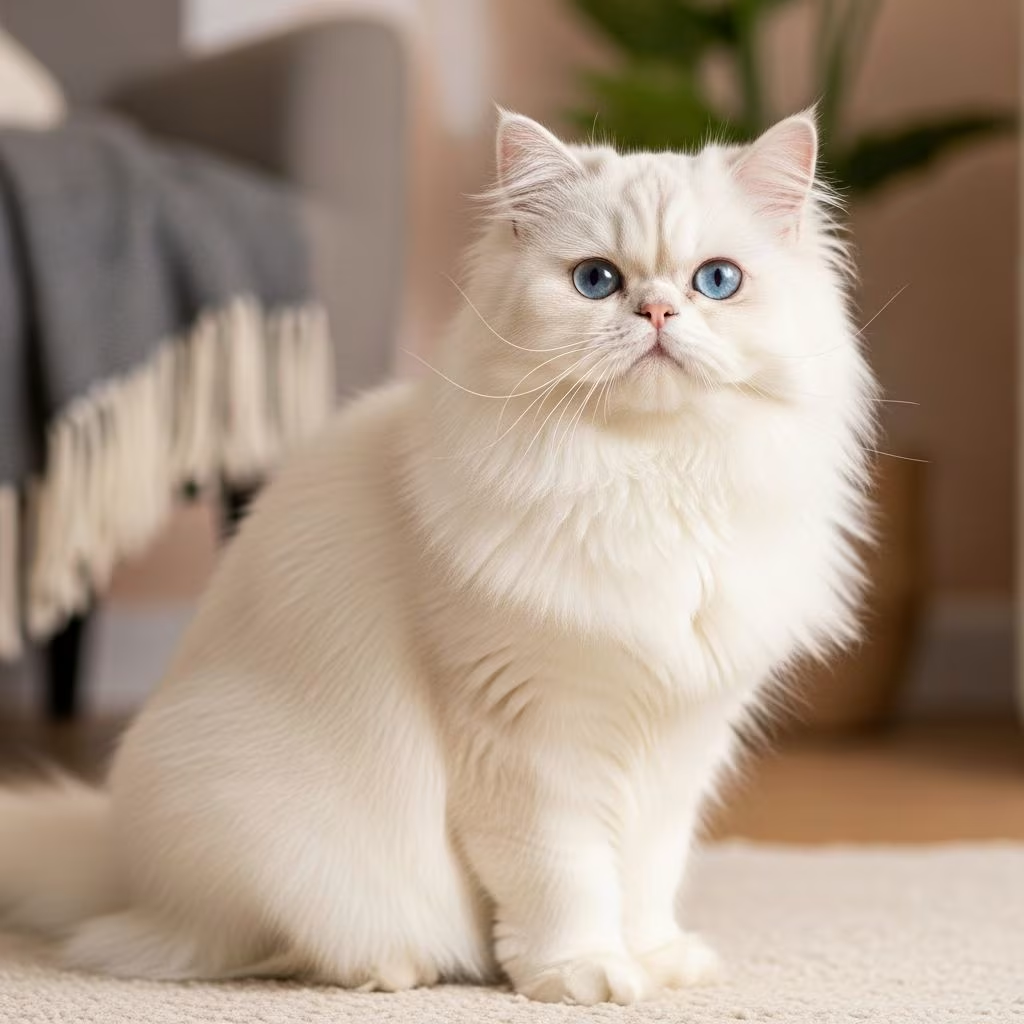
Understanding the White Persian Cat Breed
White Persian cats represent one of the most recognizable and beloved cat breeds in the world. These felines captivate cat enthusiasts with their striking appearance and remarkably gentle nature. The combination of their luxurious white coats and sweet personalities has made them increasingly popular among families, seniors, and first-time cat owners seeking a calm, affectionate companion.
The white Persian cat is essentially a Persian cat displaying a pristine white coat color. Physically, they share the characteristic features of all Persians: a solidly built frame, broad chest, muscular body type known as “cobby,” and distinctively shortened facial structure. What sets white Persians apart visually is their striking coat color and often their eye coloration, which typically displays deep blue or copper tones.
Physical Characteristics and Appearance
White Persian cats possess unmistakable physical features that make them instantly recognizable. Their appearance reflects generations of selective breeding aimed at enhancing specific aesthetic qualities that define the breed.
Size and Body Structure
White Persian cats are medium to large felines with substantial bone structure. Males typically weigh between 9 to 14 pounds, while females are slightly smaller at 7 to 11 pounds. Despite their weight, these cats maintain a graceful appearance due to their compact, well-proportioned build. Their short, heavily-boned legs provide sturdy support for their muscular bodies, creating the characteristic “cobby” silhouette that judges and enthusiasts seek in show-quality specimens.
Facial Features
The facial structure of white Persian cats is perhaps their most distinctive characteristic. They possess a large, round head that seems perfectly proportioned to their compact body. Their eyes are notably large and round, set wide apart to create an endearing, gentle expression. Small, rounded ears positioned on the sides of their head contribute to their distinctive appearance. A key identifying feature is their extremely shortened muzzle and pushed-in nose, creating the characteristic “flat-faced” look. Chubby cheeks add to their perpetually sweet expression, making them appear almost doll-like to admirers.
Coat Characteristics
The crowning glory of white Persian cats is undoubtedly their coat. These felines possess exceptionally long, thick, and glossy hair that requires dedicated grooming maintenance. The coat is single-layered but remarkably dense, providing substantial volume and a luxurious appearance. The long hairs give white Persian cats their signature fluffy, cloud-like silhouette. Interestingly, their tails often contain longer hair compared to other parts of their body, creating an especially dramatic effect when groomed properly.
Eye Color Variations
White Persian cats typically display deep blue or copper eyes, though some individuals may have heterochromia (two different colored eyes). The intensity and shade of their eye color can vary, with some specimens displaying brilliant, penetrating copper tones while others showcase striking sapphire blue eyes that create dramatic contrast against their white coats.
The Evolutionary Journey of the Modern White Persian
The appearance of contemporary white Persian cats represents a significant departure from their historical ancestors. Understanding this evolutionary shift provides insight into modern breeding practices and aesthetic standards within the fancy.
The dramatic facial changes that define modern white Persian cats emerged during the 1950s when a spontaneous gene mutation appeared in a litter of Persian kittens, resulting in noticeably flatter facial structures. Rather than viewing this deviation as undesirable, breeders recognized its unique appeal and began selectively breeding for this trait. Through deliberate selection over subsequent decades, the flat-faced appearance became increasingly pronounced and eventually was incorporated into the breed’s official standards recognized by major cat associations.
This evolution demonstrates how breed standards can shift dramatically based on breeder preferences and market demand. While controversial among some animal welfare advocates, the breeding decisions of the past century have resulted in the white Persian cat we recognize today.
Personality and Temperament
Beyond their striking appearance, white Persian cats possess personality traits that make them exceptional companions. Their temperament differs notably from many other feline breeds, making them suitable for specific lifestyle situations.
Affectionate and Social Nature
White Persian cats are renowned for their exceptional affection and social orientation. Unlike stereotypes portraying cats as aloof and independent, white Persians demonstrate genuine enjoyment of human companionship. These cats actively seek interaction with their family members and are not shy around strangers, breaking many negative cat stereotypes. They thrive on attention and genuinely appreciate being around people they care about.
Calm and Easygoing Disposition
The defining characteristic of white Persian cat temperament is their remarkable calm demeanor. These cats prefer relaxation over constant activity, making them ideal for households seeking a peaceful feline companion. They are not known for excessive climbing, jumping, or destructive behaviors. Instead, they much prefer spending time as lap cats, content to lounge on their favorite human’s lap while receiving gentle pets and attention.
Independence and Selectivity
While affectionate, white Persian cats maintain a degree of independence. They are selective about showing affection, preferring to give attention when they choose rather than demanding constant interaction. This balanced approach to companionship makes them suitable for various living situations, from busy families to senior citizens seeking a calm presence without overwhelming neediness.
Activity Level and Playfulness
White Persian cats enjoy playful activities but are equally content observing their household from a comfortable vantage point. They lack the hyperactive energy characteristic of some breeds, instead preferring moderate play sessions interspersed with extended rest periods. This moderate activity level makes them well-suited for apartment living and households where constant entertainment and engagement are not feasible.
Ideal Home Environment and Suitability
White Persian cats thrive in specific living situations. Understanding whether your household matches their needs is crucial before committing to one as a pet.
Best Living Situations
- Families with children: White Persians do well with mild-mannered children who understand gentle handling and respect boundaries.
- Senior citizens: Their calm nature and preference for sitting and being petted make them perfect companions for elderly individuals seeking a low-maintenance pet.
- Apartment dwellers: Their low activity level and lack of climbing tendencies make them excellent choices for apartment living without requiring extensive space.
- Households with multiple pets: White Persians generally coexist peacefully with laid-back dogs and other gentle pets.
- Novice cat owners: Their sweet, easygoing nature makes them forgiving pets for individuals with limited previous cat ownership experience.
Environmental Preferences
White Persian cats flourish in calm, relaxing environments. These felines are sensitive to loud noises, chaotic activity, and stressful household situations. Homes featuring consistent routines, predictable human interactions, and peaceful atmospheres are ideal. They particularly enjoy having access to comfortable furniture where they can observe household activities from secure vantage points.
Care Requirements and Grooming Demands
Caring for white Persian cats is more demanding compared to many other breeds. Prospective owners must be prepared for substantial grooming commitments and ongoing health maintenance.
Grooming and Coat Maintenance
The luxurious white coat requires consistent, dedicated grooming. Daily brushing is essential to prevent matting and maintain coat health. The long, dense hair can easily develop tangles and mats, particularly in areas of friction like the armpits and behind the ears. Professional grooming appointments every 6-8 weeks help maintain optimal coat condition. Without proper grooming, white Persian coats can become soiled and unmanageable quickly.
Facial Care
The flat facial structure of white Persian cats requires special attention. Daily gentle cleaning of facial folds and around the eyes is necessary to prevent moisture accumulation and infection. Their shortened muzzles can lead to breathing difficulties in some individuals, requiring careful monitoring during hot weather or exercise.
Eye Care
White Persian cats are prone to eye tearing and discharge due to their facial structure. Regular gentle wiping of the eye area with a damp cloth prevents staining and maintains comfort. Some individuals may require prescription eye drops or ointments prescribed by veterinarians.
Health Considerations
White Persian cats can live 10-15 years with proper care, though some individuals exceed this range. However, the breed is prone to specific health concerns that prospective owners should understand.
Polycystic kidney disease, hereditary cataracts, hypertrophic cardiomyopathy, and breathing difficulties associated with their flat faces are conditions more common in Persians. Additionally, white cats with blue eyes may have higher rates of deafness compared to other feline populations. Regular veterinary checkups, genetic screening when purchasing from breeders, and attentive monitoring for health issues are essential components of responsible white Persian cat ownership.
Frequently Asked Questions About White Persian Cats
Do white Persian cats require special nutrition?
White Persian cats do not require fundamentally different nutrition compared to other cat breeds. However, high-quality cat food supporting coat health and kidney function is beneficial. Consulting with a veterinarian about breed-specific dietary needs is recommended.
Are white Persian cats good for allergic individuals?
White Persian cats are not hypoallergenic. Their long, dense coats shed considerably and produce allergens like other feline breeds. Individuals with cat allergies should interact extensively with white Persians before adoption.
How do white Persian cats behave with children?
White Persians do well with mild-mannered children who understand gentle handling. They are not typically aggressive but may avoid rough play or excessive stimulation. Supervision of interactions between young children and white Persians is advisable.
Can white Persian cats live outdoors?
White Persian cats are ideally suited for indoor living only. Their long coats become easily damaged outdoors, they lack strong hunting instincts, and they prefer controlled environments. Outdoor living exposes them to excessive risks.
What is the typical cost of a white Persian cat?
White Persian cats from reputable breeders typically range from $600 to $2,000 depending on pedigree and show quality. Adoption from rescue organizations offers more affordable options.
Conclusion: Is a White Persian Cat Right for You?
White Persian cats offer exceptional companionship for the right household. Their gentle, affectionate nature combined with their stunning appearance makes them genuinely special pets. However, prospective owners must acknowledge the significant grooming requirements, potential health considerations, and need for calm home environments. These cats are not suitable for everyone, but for individuals or families seeking a calm, loving, low-activity companion in a controlled living situation, white Persian cats can provide years of genuine companionship and emotional reward. By understanding their specific needs and preparing appropriately, white Persian cats can integrate beautifully into the right home.
References
- White Persian Cat: Info, Pictures, Facts & Origins — Catster. Accessed January 2026. https://www.catster.com/cat-breeds/white-persian-cat/
- Persian Cat Breed Information — Purina US. https://www.purina.com/cats/cat-breeds/persian
- Persian Breed Standard — The Cat Fanciers’ Association. https://cfa.org/breed/persian/
- Persian Cat Facts: History, Personality, and Care — ASPCA Pet Insurance. https://www.aspcapetinsurance.com/resources/persian-cat-facts/
- Persian Cat Traits, Appearance, General Character — Vet Amerikan. https://www.vetamerikan.org/our-best-friends/cat-types/persian-(iran-cat)



