

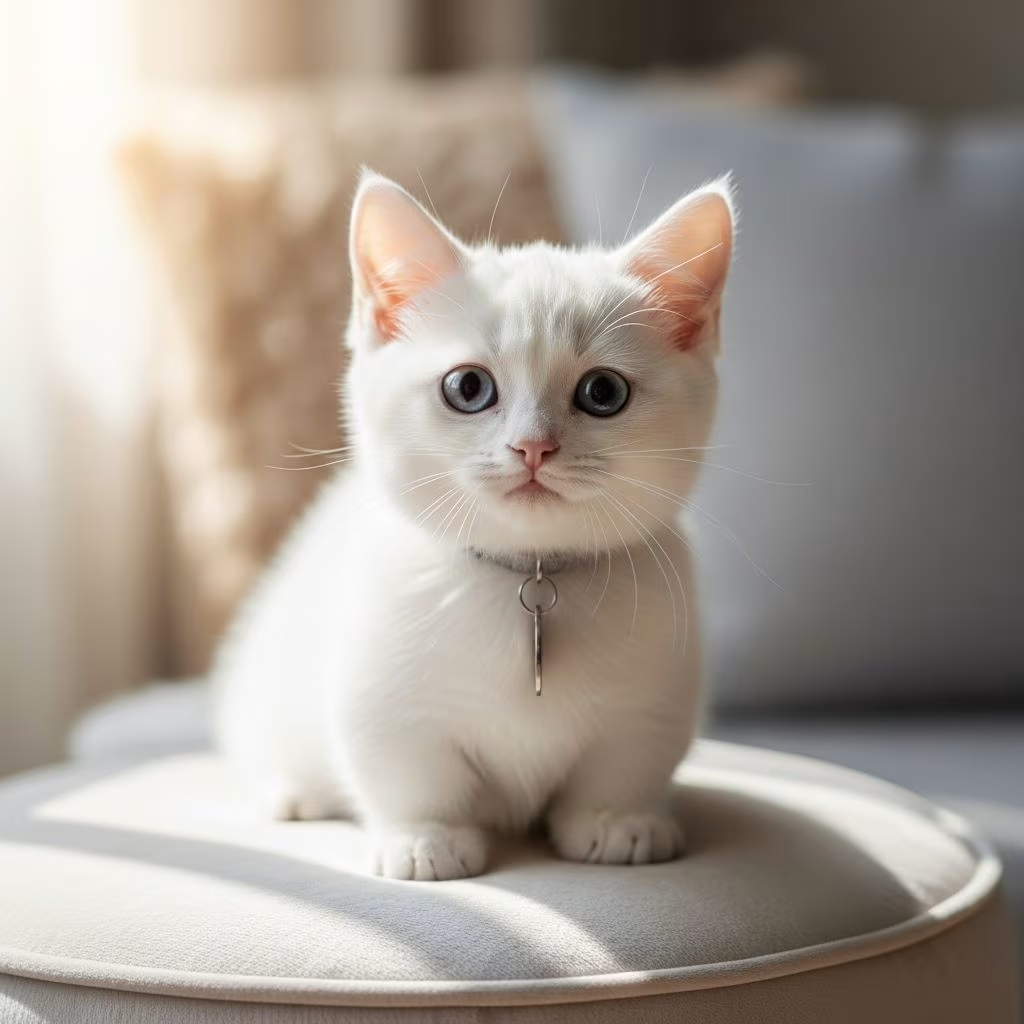
White Munchkin cats stand out with their pristine coats and remarkably short legs, blending elegance and whimsy into one compact package. These felines, resulting from a natural genetic quirk, offer the playfulness of typical cats in a diminutive form, making them irresistible companions for diverse households.
The Origins of the Munchkin Breed
The Munchkin breed emerged from a spontaneous mutation observed in domestic cats during the 1980s in the United States. A black tabby stray with unusually short legs gave birth to kittens sharing this trait, sparking interest among cat enthusiasts. Breeders began selectively pairing these short-legged cats with standard ones to establish the line, focusing on preserving vitality alongside the signature limb length.
Unlike engineered breeds, Munchkins trace their roots to natural variation rather than human intervention for dwarfism. This origin story underscores their robustness, as early generations demonstrated agility despite their stature. Recognition by organizations like The International Cat Association followed rigorous health evaluations, solidifying their place in pedigreed circles.
White Munchkins, specifically, arise from genetic combinations yielding solid white fur. This coloration, linked to dominant white genes, appears across many breeds but pairs strikingly with the Munchkin’s proportions, evoking images of tiny, snowy sprites scampering about.
Physical Characteristics of White Munchkin Cats
Adult white Munchkin cats typically weigh 5 to 9 pounds, with males occasionally reaching 10 pounds and females staying lighter. Their height measures 6 to 9 inches at the shoulder, far shorter than average cats, yet their bodies maintain standard length for balance.
The defining feature is the short legs, stemming from a recessive gene affecting long bone growth. Front legs prove slightly shorter than hind ones, enabling a subtle rise from shoulders to haunches and a distinctive rolling gait. Despite this, they navigate furniture and toys adeptly, rarely hindered in daily activities.
| Attribute | Range | Notes |
|---|---|---|
| Weight | 5-9 lbs (up to 10 lbs males) | Balanced muscle distribution |
| Height | 6-9 inches | Proportional torso |
| Body Length | Up to 18 inches | Slinky for sharp turns |
| Coat (White) | Short or long | Solid white, easy sheen |
Their coats come in short-haired (sleek and low-maintenance) or long-haired varieties, both capable of pure white. White Munchkins boast round heads, large expressive eyes in shades like blue or gold, and walnut-shaped ears, enhancing their perpetual kittenish appeal.
Temperament and Daily Behavior
White Munchkin cats brim with curiosity and sociability, often dubbed the “magpies of cats” for stashing shiny trinkets in hidden spots. They perch on hind legs like prairie dogs to survey surroundings, showcasing intelligence and adaptability.
- Playful Energy: Despite leg length, they sprint, chase, and pounce with fervor, loving interactive toys and laser pointers.
- Affectionate Nature: These cats crave human interaction, following owners room-to-room and curling up for laps.
- Social Butterflies: They mesh well with children, dogs, and other cats, provided gradual introductions.
Expect a blend of independence and devotion; Munchkins entertain themselves but flourish with companionship. Their vocalizations remain soft, used sparingly to solicit attention or treats.
Health Considerations for Munchkins
Responsible breeding minimizes risks, but the short-leg gene (Munchkin dwarfism) carries potential for lordosis (spinal curvature) or pectus excavatum (chest deformity), especially in homozygous pairings. Reputable breeders avoid breeding two short-legged cats together, yielding healthier heterozygous offspring.
Common concerns include:
- Joint stress from obesity, mitigated by weight management.
- Dental issues, addressed via regular checkups.
- White cats face higher sunburn and skin cancer risks, necessitating shaded outdoor access.
With vet-recommended diets, exercise, and annual exams, Munchkins enjoy 12-15 year lifespans, matching many breeds. Spaying/neutering supports musculoskeletal health.
Grooming and Maintenance Routines
Caring for a white Munchkin proves straightforward. Short coats require weekly brushing to distribute oils and capture loose fur, while long coats demand twice-weekly sessions to avert mats.
Bathing suits every 4-6 weeks, using cat-safe shampoos to preserve coat brightness. Nail trims biweekly prevent overgrowth, and daily teeth brushing curbs plaque. Ear cleaning monthly checks for wax buildup.
Litter training succeeds effortlessly due to their tidiness; low-sided boxes accommodate their stature. Provide elevated feeders to ease neck strain during meals.
Nutrition Essentials for Optimal Growth
Kittens grow rapidly, hitting near-adult size by 12 months and filling out until 18. High-protein kibble or wet food fuels muscle development, with portion control curbing weight gain.
Adults need 200-300 calories daily, adjusted for activity. Fresh water always, and occasional treats like freeze-dried meat keep them engaged. Senior Munchkins benefit from joint supplements like glucosamine.
Ideal Living Environments
Munchkins adapt to apartments, houses, or multi-pet homes, thriving with vertical spaces like shelves despite jumping limits. Interactive toys, scratching posts, and window perches stimulate their hunter instincts.
For white variants, indoor living shields sensitive skin from sun. Harness training enables safe outdoor exploration, revealing their surprising speed.
Bringing Home a White Munchkin Kitten
Select ethical breeders verifying health clearances for parents. Kittens depart at 12 weeks, litter-trained and socialized. Budget $800-$2000 for pedigreed ones, plus initial supplies.
Prepare with kitten-proofing, quality food, and a quiet settling area. Early bonding fosters lifelong loyalty.
Common Myths Debunked
- Myth: Munchkins suffer constant pain. Fact: Well-bred ones show no discomfort, moving fluidly.
- Myth: They can’t jump. Fact: Many leap onto beds or chairs.
- Myth: White coats mean deafness. Fact: Only some blue-eyed whites carry this risk; others hear normally.
Frequently Asked Questions
Are white Munchkin cats hypoallergenic?
No, but short coats shed less than long ones. Regular grooming helps.
How active are they compared to other breeds?
Extremely; their energy rivals Bengals or Abyssinians.
Do they get along with kids?
Yes, their patient, playful demeanor suits families.
What’s their lifespan?
12-15 years with proper care.
Can they climb like normal cats?
They prefer ramps but manage moderate heights.
Why Choose a White Munchkin?
These cats deliver outsized joy through curiosity, affection, and visual charm. Their white fur gleams like fresh snow against short legs, turning heads and warming hearts. Ideal for apartments or bustling homes, they demand moderate care for maximum rewards.
References
- Adult Munchkin Cat: Size, Appearance & Personality Guide — Purebred Kitties. 2023. https://purebredkitties.com/blogs/munchkin-cat/adult-munchkin-cat-size-appearance-and-personality-guide
- White Munchkin Cat: Info, Pictures, Facts & History — Catster. 2023. https://www.catster.com/cat-breeds/white-munchkin-cat/
- All About Munchkin Cats — ASPCA Pet Health Insurance. 2024. https://www.aspcapetinsurance.com/resources/munchkin-cat-breed/
- Munchkin Cat Personality: How Do Munchkin Cats Act? — Litter-Robot. 2023. https://www.litter-robot.com/blog/munchkin-cat-personality/
- Munchkin Cat Breed Health and Care — PetMD. 2024. https://www.petmd.com/cat/breeds/munchkin



