

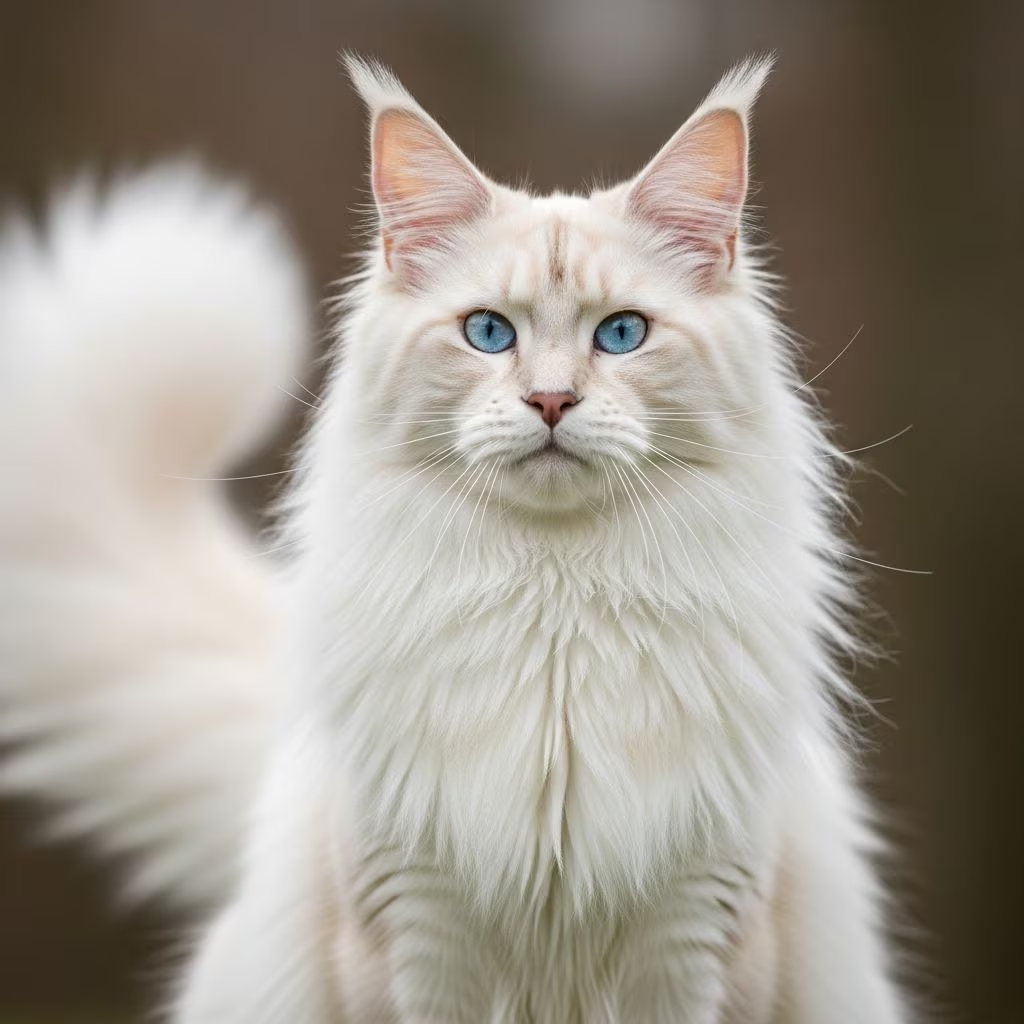
The Maine Coon breed represents one of the most impressive domesticated cat varieties, known for combining substantial size with gentle temperament. While many people envision brown tabbies when thinking of Maine Coons, the white variety offers a distinctive aesthetic that captivates cat enthusiasts worldwide. This comprehensive guide explores the fascinating world of snowy Maine Coons, examining their physical attributes, behavioral characteristics, genetic considerations, and practical care requirements.
The Distinctive Appearance of Pristine Maine Coons
White Maine Coons present an undeniably striking visual profile that sets them apart from other feline specimens. Their immaculate coats create an almost ethereal quality, combining elegance with the imposing presence characteristic of the Maine Coon lineage. Understanding their physical composition helps explain why these cats command such admiration.
The body structure of white Maine Coons mirrors that of their colored counterparts, featuring a heavily muscled frame supported by powerful legs and large paws equipped with protective tufts between the toes. These paws provide practical advantages, enabling the cats to traverse snow and cold environments with greater ease than many other breeds. The distinctive broad chest and well-proportioned physique create an appearance that balances power with grace.
One of the most recognizable features is their ear structure, which displays prominent tufts along the edges that contribute to their characteristic expression. These tufted ears serve both aesthetic and functional purposes, helping regulate temperature in harsh climates. Similarly, their long, bushy tail functions as an additional heat source, wrapping around their body for warmth during cold periods.
The coat itself represents perhaps the most notable distinction in white Maine Coons. Unlike many white cat breeds with short or medium fur, these gentle giants possess exceptionally thick, shaggy coats that create a lustrous, water-resistant barrier. The hair length varies across their body, appearing longer on the sides and rear legs while remaining relatively shorter over the shoulders, creating natural layering that enhances their majestic silhouette.
Eye Color Variations and Genetic Expression
One particularly captivating aspect of white Maine Coons involves their eye coloration. The pure white fur often makes eye colors appear more vivid and striking than in their colored counterparts. These magnificent cats frequently display green, gold, or copper-colored eyes that create dramatic contrast against their snowy coats. Some white Maine Coons exhibit odd-colored eyes, where each eye displays a different shade, adding another layer of visual intrigue to their appearance.
The eye color variations result from genetic factors linked to coat pigmentation. Understanding these genetic mechanisms provides insight into why white Maine Coons possess certain health considerations distinct from other coat color variations in the breed.
Temperament and Personality Traits
Beyond their striking appearance, white Maine Coons embody the personality characteristics that define the entire Maine Coon breed. These cats are recognized as “gentle giants,” a designation that accurately captures their distinctive behavioral profile combining size with approachability. Despite their substantial physical presence, Maine Coons consistently demonstrate remarkable gentleness in their interactions with humans and other animals.
The temperament profile of white Maine Coons includes several defining characteristics:
- Affectionate and bonding nature with their human companions
- Playful engagement that persists throughout their lifespan
- Social orientation and comfort in multi-cat and multi-pet households
- Intelligence that enables complex problem-solving and interactive play
- Friendly disposition toward visitors and new social situations
- Vocal communication patterns, including chirping and trilling sounds
These cats thrive on interaction and mental stimulation, often following their owners from room to room and participating in household activities. They possess clown-like personalities that manifest in playful antics and entertaining behaviors. Unlike more aloof breeds, white Maine Coons actively seek human engagement and respond enthusiastically to interactive play sessions.
Health Considerations and Genetic Factors
While white Maine Coons generally maintain excellent health as members of a robust breed, their coat genetics introduce specific health considerations that prospective owners should understand. The white coloration results from specific genetic expression patterns that can, in certain cases, correlate with sensory challenges.
The most significant health consideration involves potential hearing impairment. White coat genetics, particularly when combined with blue eye coloration, can increase the likelihood of congenital deafness in some individuals. However, it is crucial to recognize that not all white Maine Coons experience hearing loss, and many enjoy perfectly normal auditory function throughout their lives.
Prospective owners should:
- Request hearing assessments from reputable breeders prior to adoption
- Understand that deafness does not preclude a full, happy life for indoor cats
- Implement adaptations in home environments to ensure safety and enrichment
- Recognize that deaf cats often communicate effectively through alternative methods
Beyond hearing considerations, white Maine Coons benefit from standard feline health maintenance including regular veterinary check-ups, vaccinations, dental care, and monitoring for breed-specific conditions such as hypertrophic cardiomyopathy.
Grooming Requirements and Coat Maintenance
The luxurious coat that defines white Maine Coons demands consistent grooming attention to maintain health, appearance, and comfort. The thick, lengthy fur can easily develop mats and tangles without regular care, potentially leading to skin irritation and discomfort.
Effective grooming strategies include:
- Brushing three to four times weekly using slicker brushes or metal combs designed for long-haired breeds
- Increasing brushing frequency during seasonal shedding periods
- Paying particular attention to areas prone to matting, including behind ears and around the hindquarters
- Establishing grooming routines while cats are young to build positive associations
- Using high-quality grooming products specifically formulated for long-haired felines
The white coloration can occasionally show staining or discoloration, particularly around the face and paws. Regular cleaning with specialized pet wipes or gentle grooming solutions helps maintain the brilliant white appearance. Some owners find that professional grooming assistance proves valuable, particularly for cats resistant to home grooming.
Lifestyle and Environmental Adaptations
Maine Coons, including the white variety, were originally developed in the northeastern United States as working cats suited to harsh winters. Their physiology and behavioral patterns reflect this heritage, creating specific lifestyle preferences and environmental needs.
White Maine Coons thrive in environments that provide:
- Vertical spaces for climbing and surveying their domain
- Interactive toys and puzzle feeders for mental stimulation
- Cool environments, as their thick coats predispose them to preferring lower temperatures
- Opportunities for supervised outdoor exploration or secure catios
- Space to engage in their natural supervisory behaviors
These cats exhibit a characteristic tendency to monitor household activities, often positioning themselves near faucets, windows, or laundry areas where they can observe and participate in domestic routines. This behavioral trait makes them engaging companions but requires owners who appreciate their active involvement in household life.
Color Genetics and Breeding Standards
The pure white coat in Maine Coons represents a recognized color variation within breed standards established by major feline associations. The Cat Fanciers’ Association acknowledges white coats as a distinct color classification, though specific standards may vary among different breed registries.
In breeding contexts, white Maine Coons must meet specific criteria to maintain breed integrity. These standards address coat texture, body structure, facial features, and overall proportion. Reputable breeders carefully select breeding pairs to ensure healthy offspring that embody the desirable characteristics of both the Maine Coon breed and the white color variation.
Suitability for Different Household Types
White Maine Coons adapt well to various living situations, though their specific needs should align with prospective owners’ lifestyles. Their sociable nature and moderate activity requirements make them suitable for diverse household configurations.
Family Households: These cats excel in family environments where children can engage them in interactive play and learn to respect their boundaries. Their gentle nature and patience with children make them particularly suitable for households with young family members.
Multi-Pet Homes: Maine Coons typically coexist peacefully with other cats and cat-friendly dogs, thanks to their sociable temperament and lack of aggressive tendencies.
Single-Owner Homes: Their affectionate bonding capacity allows white Maine Coons to form deep attachments with individual owners, providing companionship and entertainment.
Active Households: Owners who enjoy interactive play and mental engagement find these intelligent cats provide rewarding companionship and entertainment.
Nutrition and Dietary Considerations
The substantial size and active nature of white Maine Coons requires thoughtful nutritional planning. These cats need high-quality diets formulated to support their large muscle mass and long-haired coat.
Dietary considerations include:
- High-protein formulations supporting muscular development and maintenance
- Omega-3 and omega-6 fatty acids promoting coat health and luster
- Appropriate caloric intake based on individual activity levels to prevent obesity
- Consistent feeding schedules supporting metabolic regulation
- Access to fresh water, particularly important for cats with urinary health concerns
Regular veterinary consultations help determine optimal nutrition based on individual cats’ health status, age, and specific requirements.
Cost and Availability Considerations
Prospective owners should understand that acquiring a white Maine Coon from a reputable breeder involves significant financial investment. Ethical breeders conduct health screenings, genetic testing, and careful breeding selection to ensure healthy offspring, costs reflected in kitten pricing.
Beyond initial acquisition costs, ownership involves ongoing expenses including premium nutrition, grooming supplies or professional services, veterinary care, and enrichment items. These long-term financial commitments require careful consideration before acquiring a white Maine Coon.
Frequently Asked Questions About White Maine Coons
Are all white Maine Coons deaf? No. While white coat genetics can correlate with hearing challenges, particularly in blue-eyed individuals, many white Maine Coons possess normal hearing function. Reputable breeders can provide hearing test results.
How large do white Maine Coons typically grow? Maine Coons are among the largest domesticated cat breeds, with males frequently weighing 13-18 pounds and females 8-12 pounds. Some individuals exceed these ranges.
What is the lifespan of white Maine Coons? Maine Coons typically live 12-15 years with proper care, though many individuals reach their early twenties.
Do white Maine Coons require more grooming than other coat colors? The grooming requirements relate primarily to coat length rather than color. White coats may show staining more visibly, potentially necessitating additional cleaning attention.
Are white Maine Coons suitable for apartment living? Despite their size, white Maine Coons can adapt to apartment environments if provided sufficient vertical space, enrichment, and human interaction.
Conclusion
White Maine Coons represent a remarkable combination of physical beauty and endearing personality. Their snowy coats, striking eyes, and gentle demeanor create compelling companions for appropriately matched owners. Understanding their specific needs, potential health considerations, and personality characteristics enables informed decisions about whether these magnificent felines align with individual lifestyles and preferences. With proper care, grooming attention, and social engagement, white Maine Coons reward their owners with years of affection, entertainment, and loyal companionship.
References
- Maine Coon Cat Color Standards — The Cat Fanciers’ Association. Accessed January 2026. https://cfa.org/breed/maine-coon-cat/
- White Maine Coon Cats: Characteristics and Care Tips — Reallycoons. https://www.reallycoons.com/post/what-to-know-about-white-maine-coon-cats
- Maine Coon Traits, Appearance, General, Character — Vet Amerikan. https://www.vetamerikan.org/our-best-friends/cat-types/maine-coon
- Maine Coon Cat Characteristics & Care Guide — Cat Evolution Australia. https://catevolution.com.au/blogs/cat_tips_tricks/maine-coon-cat-characteristics
- Maine Coon Breed: Characteristics, Care & Photos — Chewy. https://www.chewy.com/education/cat-breeds/maine-coon
- Maine Coon — Wikipedia. https://en.wikipedia.org/wiki/Maine_Coon
- Maine Coon Breed — The International Cat Association (TICA). https://tica.org/breed/maine-coon/



