

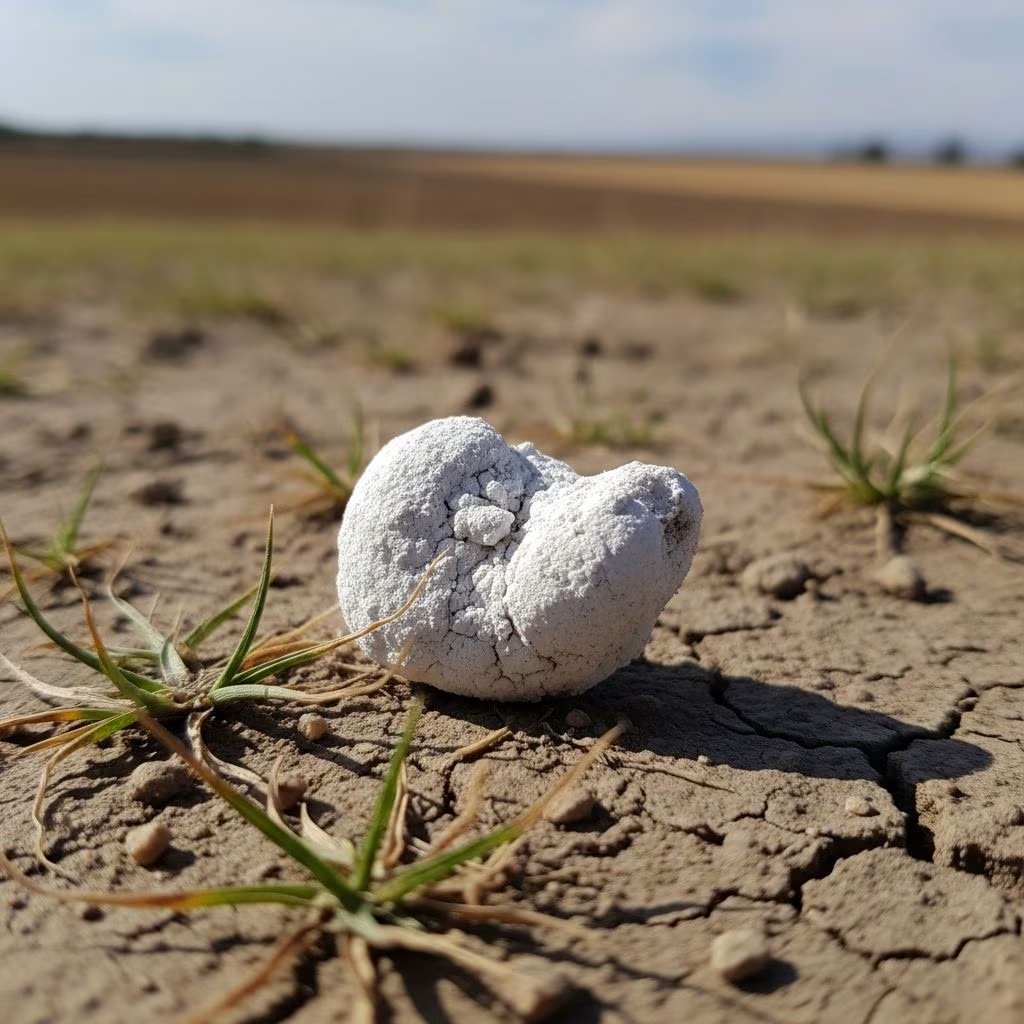
Observing your dog’s stool change to white can be alarming for any pet owner. While sometimes benign, such as from environmental factors or diet, it often signals underlying issues requiring attention. This guide breaks down the primary causes, associated risks, and actionable steps to ensure your dog’s well-being.
Understanding Normal Dog Stool Appearance
Dogs typically produce firm, brown stools shaped like a log, indicating healthy digestion. The brown hue comes from bile, a digestive fluid from the liver that breaks down fats and adds pigment during transit through the intestines. Any deviation, especially to white or pale shades, disrupts this process and warrants investigation.
Healthy stools reflect balanced nutrition, proper hydration, and efficient gut function. Variations in color, texture, or consistency can pinpoint specific problems, from simple dietary tweaks to complex medical conditions.
Common Benign Causes of White Stool
Not all white poop indicates illness. Several everyday factors can alter stool color harmlessly.
- Sun Exposure and Dehydration: Fresh brown stool left outdoors bleaches white due to ultraviolet rays breaking down organic matter, leaving minerals like calcium behind. Dehydrated dogs produce drier feces that lighten faster.
- Mineral Oxidation: As moisture evaporates, phosphorus and calcium crystals form a chalky residue, common after a day in sunlight.
These changes affect only aged stool. Fresh white output points elsewhere.
Dietary Factors Leading to Pale Stools
Imbalanced nutrition tops the list for fresh white poop. Dogs on certain diets excrete undigested minerals that dominate stool composition.
| Diet Type | Why It Causes White Poop | Common Signs |
|---|---|---|
| Raw Diets with Bones | Excess bone matter passes undigested, oxidizing to white powder. | Dry, crumbly texture; possible constipation. |
| Calcium Supplements | Over-supplementation disrupts mineral balance, leading to chalky residue. | Hard stools; discomfort during defecation. |
| Bone Meal Additives | High mineral load not fully absorbed. | Pale, brittle feces. |
Raw feeding enthusiasts often encounter this when bone content exceeds 10-15% of meals. Phosphorus-calcium imbalance can strain kidneys long-term, though short-term effects mimic harmless drying.
Serious Medical Conditions Behind White Feces
When diet isn’t the culprit, organ dysfunction or infections may be. Prompt recognition prevents escalation.
Liver and Gallbladder Problems
Bile absence causes acholic (colorless) stools. Liver disease impairs production, while gallbladder blockages or bile duct obstructions prevent release. Stools appear gray-white, greasy, and foul-smelling. Accompanying signs include jaundice, vomiting, and lethargy.
Pancreatic Disorders
Exocrine Pancreatic Insufficiency (EPI) reduces digestive enzymes, yielding pale, fatty stools. Pancreatitis inflames the organ, similarly disrupting fat breakdown. Dogs lose weight despite eating well, with dull coats and diarrhea.
Intestinal Malabsorption
Damaged gut lining hinders nutrient uptake, paling stools. Inflammatory conditions like colitis produce excess mucus, creating a white coating over feces.
Parasites Mimicking White Poop
White specks or segments in stool often mean worms, not uniform whiteness.
- Tapeworms: Rice-like proglottids (egg sacs) appear white on fresh poop. Caused by flea ingestion.
- Roundworms: Spaghetti-shaped worms or eggs show as spots.
- Whipworms/Hookworms: Smaller white flecks; severe cases cause blood loss.
Mucus from irritation can coat stool white, especially in colitis-linked infestations.
Other Potential Triggers
- Medications: Antacids or antibiotics alter gut flora, occasionally paling output.
- Undigested Matter: Swallowed bones or foreign objects pass as white chunks.
- Constipation: Prolonged retention dries stool, mimicking calcium excess.
Recognizing When White Poop Is Urgent
Monitor for red flags:
- Persistent fresh white stool over 24-48 hours.
- Greasy texture, foul odor, or mucus.
- Diarrhea, vomiting, appetite loss, or weight decline.
- Lethargy, abdominal pain, or scooting.
- Visible worms or blood.
Single episodes with vibrant health may self-resolve; clusters demand action.
Diagnostic Steps at the Vet
Bring a fresh stool sample. Vets perform:
- Fecal flotation for parasites.
- Blood tests for liver/pancreas enzymes.
- Ultrasound for organ blockages.
- Biopsies for malabsorption if needed.
Early detection improves outcomes dramatically.
Home Management and Prevention Strategies
Address causes proactively.
Diet Adjustments
Balance raw diets: Limit bones to 10% max; add veggies for fiber. Switch to commercial foods with verified ratios if issues persist. Hydrate well to soften stools.
Parasite Control
Monthly dewormers and flea preventives reduce risks. Test stool biannually.
Supplements Wisely
Avoid excess calcium without vet guidance. Probiotics support gut health.
Long-Term Monitoring Tips
Daily walks promote regularity. Track stool via photos or journals. Annual checkups catch subclinical issues. Puppies and seniors need extra vigilance due to immature or declining digestion.
Frequently Asked Questions
Is white dog poop always bad?
No, sun-bleached or calcium-heavy stool is often benign, but fresh white requires checking.
How much bone is safe in raw diets?
10-15% of caloric intake; consult a nutritionist for tailoring.
Can medications cause this?
Yes, especially those affecting digestion; discuss with your vet.
What if my dog eats poop that turns white?
Coprophagia is separate; white color is post-exposure. Address diet boredom.
Should I fast my dog?
Never without vet advice; hydration first.
Key Takeaways for Pet Owners
White dog poop spans innocent diet quirks to grave illnesses. Observe context, symptoms, and duration. Diet tweaks fix many cases, but veterinary input ensures safety. Proactive care keeps tails wagging.
References
- Why Does Dog Poop Turn White? Causes, Health Risks, What To Do — YourVetOnline. 2023. https://www.yourvetonline.com/why-does-dog-poop-turn-white/
- Why Is My Dog’s Poop White? — Spot & Tango. 2024. https://www.spotandtango.com/blog/white-dog-poop
- Why is my dog’s poo white? — Vet Help Direct. 2022-06-15. https://vethelpdirect.com/vetblog/2022/06/15/why-is-my-dogs-poo-white/
- What the color of your dog’s poop can tell you — Vetster. 2023. https://vetster.com/en/wellness/what-the-color-of-your-dog-s-poop-can-tell-you
- Healthy vs. Unhealthy Dog Poop: How to Spot the Difference — CareCredit. 2024. https://www.carecredit.com/well-u/pet-care/healthy-vs-unhealthy-dog-poop/



